Annual Plants vs Perennial Plants: Annuals live one season; perennials regrow for years from the same root.
I have spent decades planting, pruning, and experimenting in gardens of all sizes, so I know how crucial the annual plants vs perennial plants decision can be. Choosing between annuals and perennials shapes your garden’s look, work, and costs. This article explains clear differences, care tips, costs, design uses, and real-life lessons so you can pick the best mix for your yard, balcony, or community plot.
What are annual plants?
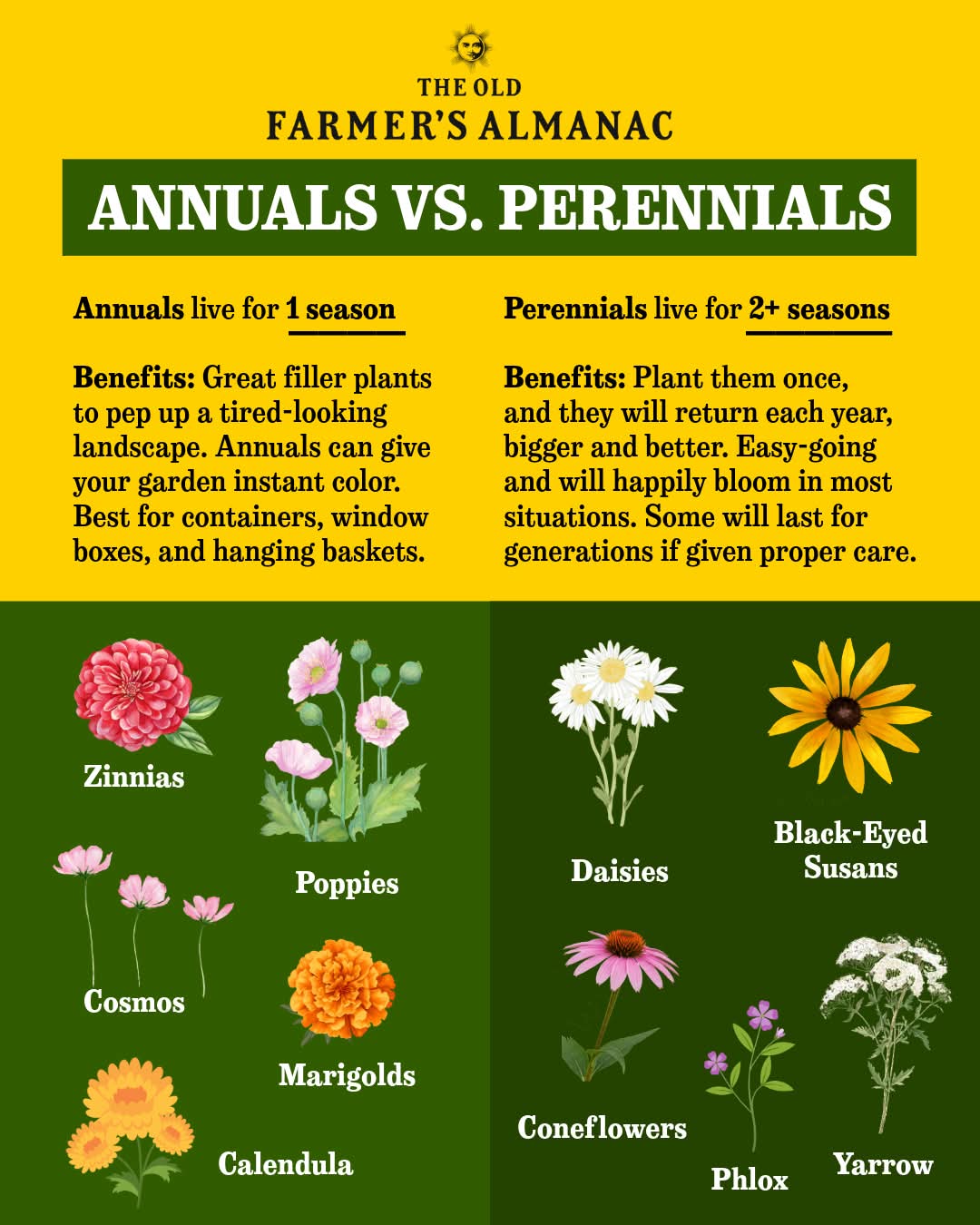
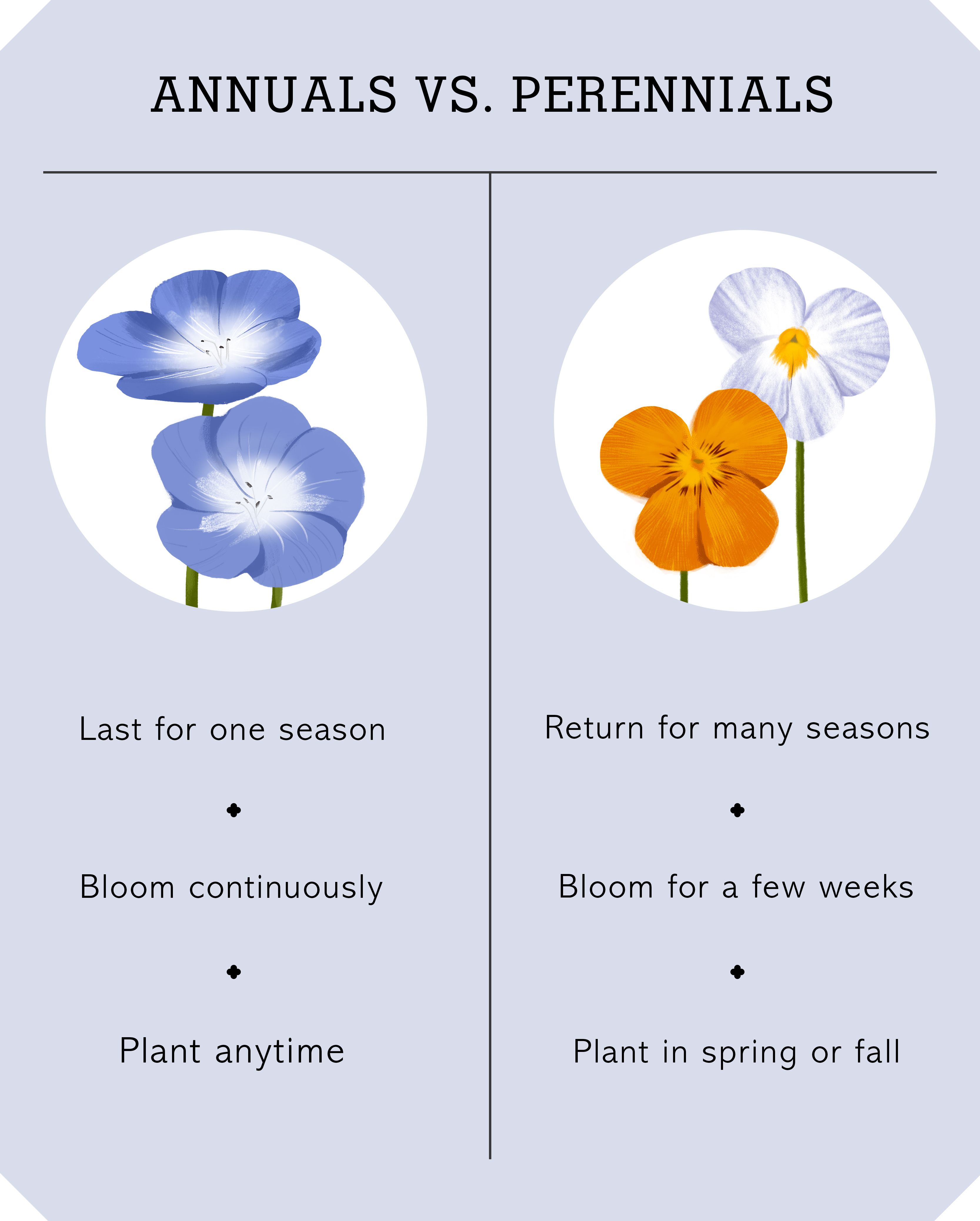
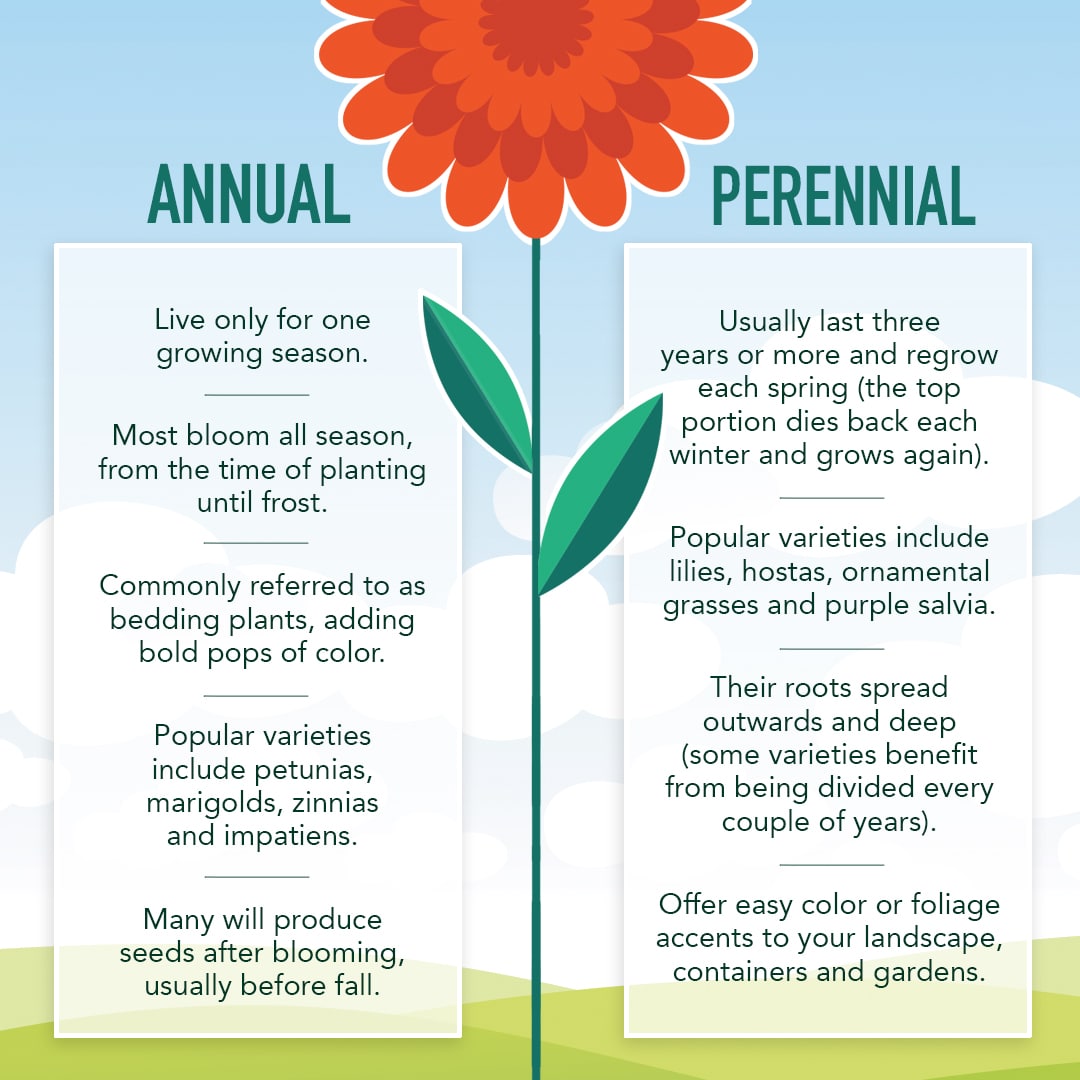
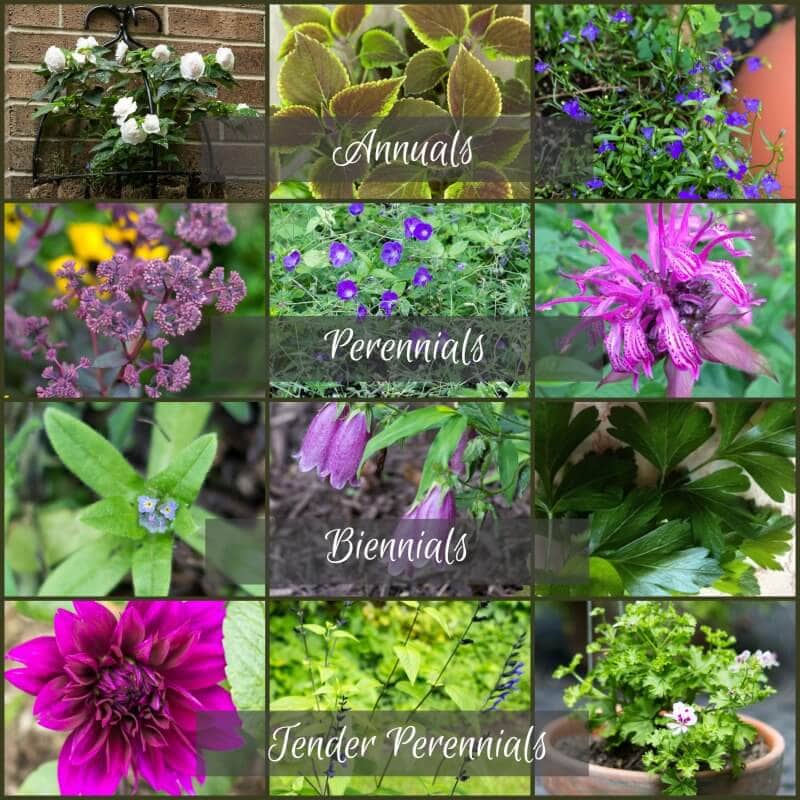
Annual plants complete their life cycle in one growing season. They sprout, flower, seed, and die in the same year. Many annuals bloom heavily because they put energy into flowers and seed production instead of long-term root growth.
Common examples:
- Marigolds
- Petunias
- Zinnias
- Impatiens
Why gardeners use annuals:
- Instant color and seasonal variety that can change each year.
- Great for filling gaps and following color trends.
- Simple to start from seed or bedding plants.
Care basics:
- Plant after the last frost in spring.
- Feed regularly with a balanced fertilizer for constant blooms.
- Deadhead spent flowers to encourage more blooms.
Personal note: I like to use annuals around stepping stones to add bright color quickly. They are forgiving for new gardeners and rewarding the first season.
What are perennial plants?
Perennial plants live for multiple years. Their above-ground parts may die back in cold months, but roots or crowns survive. Perennials invest in roots and structure so they can bloom across many seasons.
Common examples:
- Daylilies
- Coneflowers
- Hostas
- Lavender
Why gardeners use perennials:
- Long-term structure and lower yearly replanting costs.
- Provide reliable spring or summer returns with less effort after establishment.
- Support pollinators and build soil health over time.
Care basics:
- Plant in well-drained soil and give a year for roots to establish.
- Divide clumping perennials every few years to renew vigor.
- Mulch to protect roots in winter in colder zones.
Personal note: My front border relies on perennials for a steady backbone. After year two, they require much less time than annual beds.

Annual Plants vs Perennial Plants: key differences
Understanding the core differences helps you plan a garden that fits your time and budget.
Life span
- Annual plants vs perennial plants differs mainly in lifespan: annuals die each year, perennials return.
Bloom pattern
- Annuals often bloom non-stop in one season.
- Perennials may have shorter bloom windows but return each year.
Root and structure
- Annuals tend to have shallow roots and focus on above-ground blooms.
- Perennials build stronger root systems and woody crowns or bulbs.
Cost and labor
- Annuals can cost more long-term because you buy or seed them each year.
- Perennials usually have higher upfront cost but lower annual maintenance once established.
Design flexibility
- Annual plants vs perennial plants trade-offs: annuals give flexible color shifts; perennials give lasting form and reliability.
Maintenance
- Annuals typically need more frequent fertilizing, watering, and deadheading.
- Perennials need division and occasional pruning but less year-round attention.
Which is right for examples of garden goals:
- Want instant seasonal color? Favor annuals.
- Want a low-maintenance, stable bed? Favor perennials.
- Want both? Mix them: use perennials for structure and annuals for seasonal accents.
A quick question gardeners ask: Will perennials bloom as richly as annuals? Perennials often bloom less continuously, but well-chosen species and companion annuals can give season-long appeal.
How to choose between annual plants vs perennial plants for your garden
Ask yourself these simple questions:
- How much time do I want to spend on upkeep?
- Do I want to change my color scheme each year?
- What is my climate and hardiness zone?
- What is my budget for plants and labor?
Decision tips:
- Low time, long-term returns: choose mostly perennials.
- Want bold seasonal shows and change yearly: lean on annuals.
- Limited budget now but willing to invest time: start perennials from seed or divisions.
- Want pollinators: combine native perennials with nectar-rich annuals.
Personal experience: For a small urban patio, I paired lavender (perennial) for scent and sweet alyssum (annual) for edge filling. That mix gave constant structure and refreshing seasonal color without too much work.
Planting and care tips for both types
Soil and site preparation
- Test and amend soil before planting to add organic matter and correct pH.
- Place perennials where they can remain undisturbed; annuals can go in containers or beds.
Planting schedule
- Plant annuals after the last frost date in your area.
- Plant perennials in spring or fall for best root development.
Watering and feeding
- Annuals need steady water and regular feeding to support constant blooms.
- Perennials need consistent water the first year, then less frequent deep watering.
Propagation and renewal
- Annual plants vs perennial plants differ in propagation: annuals are mostly grown from seed each year; perennials can be divided, layered, or propagated from cuttings.
- Divide perennials every 3–4 years to prevent overcrowding and encourage blooms.
Maintenance tasks by season
- Spring: clean beds, plant, and mulch.
- Summer: deadhead annuals, water deeply, monitor pests.
- Fall: cut back perennials according to species, leave seed heads for winter interest if desired.
- Winter: protect tender perennials with mulch in cold zones.

Benefits and limitations of annuals and perennials
Benefits of annuals
- Fast, reliable color.
- Great for seasonal themes and containers.
- Lower cost per plant in many bedding formats.
Limitations of annuals
- Need replanting yearly.
- Higher ongoing cost and labor.
Benefits of perennials
- Longevity and lower yearly cost after establishment.
- Deep roots improve soil and resist drought.
- Good for habitat and biodiversity.
Limitations of perennials
- Slower to establish and sometimes shorter bloom windows.
- Some species need division or specific overwintering care.
Mixing strategy:
- Use perennials for bones and annuals for highlights. This provides visual continuity and seasonal sparkle.
:strip_icc()/BHG-Perennial-vs-Annual-flower_72gb78nVa8YBwnlAgbzYgk_D6HapwaRqy2BhS04S5lODo-d009e1b7d5d44d99b00d732103aa1325.jpg)
Common mistakes and how to avoid them
Mistake: Planting perennials too deep or too shallow
- Fix: Follow planting depth guidelines on tags and avoid burying crowns.
Mistake: Expecting perennials to bloom like annuals
- Fix: Plan for peak bloom windows and fill with annuals for continuous color.
Mistake: Overplanting and not allowing room to grow
- Fix: Read mature size and space accordingly to prevent crowding.
Personal lesson: I once planted fast-spreading perennials too close together. They choked out smaller neighbors. Now I always check mature width and allow breathing room.

Frequently Asked Questions
What is the main practical difference between annual plants and perennial plants?
Annual plants complete their life cycle in one season and need replanting each year. Perennial plants live for multiple years and regrow from the same roots.
Can annuals and perennials be planted together?
Yes. Plant perennials for structure and add annuals for seasonal color and instant fill. They often complement each other well.
Are perennials cheaper than annuals over time?
Typically yes. Perennials cost more initially but usually cost less yearly since they return each season. Annuals incur repeating yearly costs.
Do perennials require less maintenance than annuals?
After establishment, perennials generally need less frequent care, but they still require division, pruning, and seasonal attention. Annuals need regular feeding and replanting.
How do I extend bloom time in a garden with perennials?
Use a mix of early-, mid-, and late-season perennials and add annuals to fill gaps. Deadhead spent flowers and provide proper nutrition.
Can perennials be grown from seed?
Many perennials can be started from seed but may take longer to flower than annuals. Seeds are a cost-effective option but require patience.
Are there evergreen perennials for year-round interest?
Some perennials retain foliage through winter in mild climates. Choose species suited to your zone for year-round structure.
Conclusion
Choosing between annual plants vs perennial plants comes down to goals, time, and taste. Annuals give dramatic, season-long color that you can change each year. Perennials provide long-term structure, lower yearly costs, and steady returns. Mix both for balance: use perennials as a backbone and annuals as accents to keep the garden fresh.
Takeaway: Start small, observe your site, and try a mix that matches your routine and style. Share your results, ask questions, or subscribe to keep learning—your best garden grows from steady choices and a little experimentation.