Coco coir offers eco-friendly water retention; peat moss is acidic and slowly renewable.
I write about soils and potting mixes after years of hands-on gardening, nursery work, and lab testing. This guide on Coco Coir vs Peat Moss breaks down their origins, performance, pros, cons, and real-world use. Read on for clear, practical advice to pick the right medium for seedlings, containers, or large beds.

What are Coco Coir and Peat Moss?
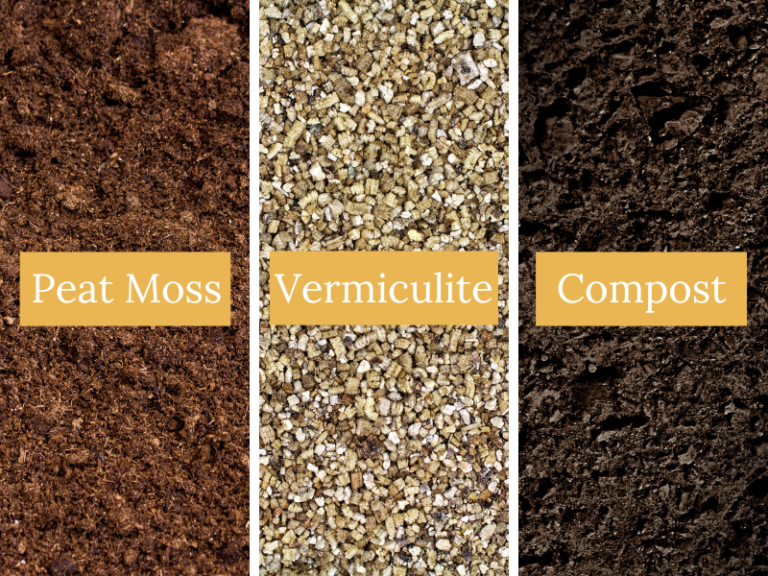
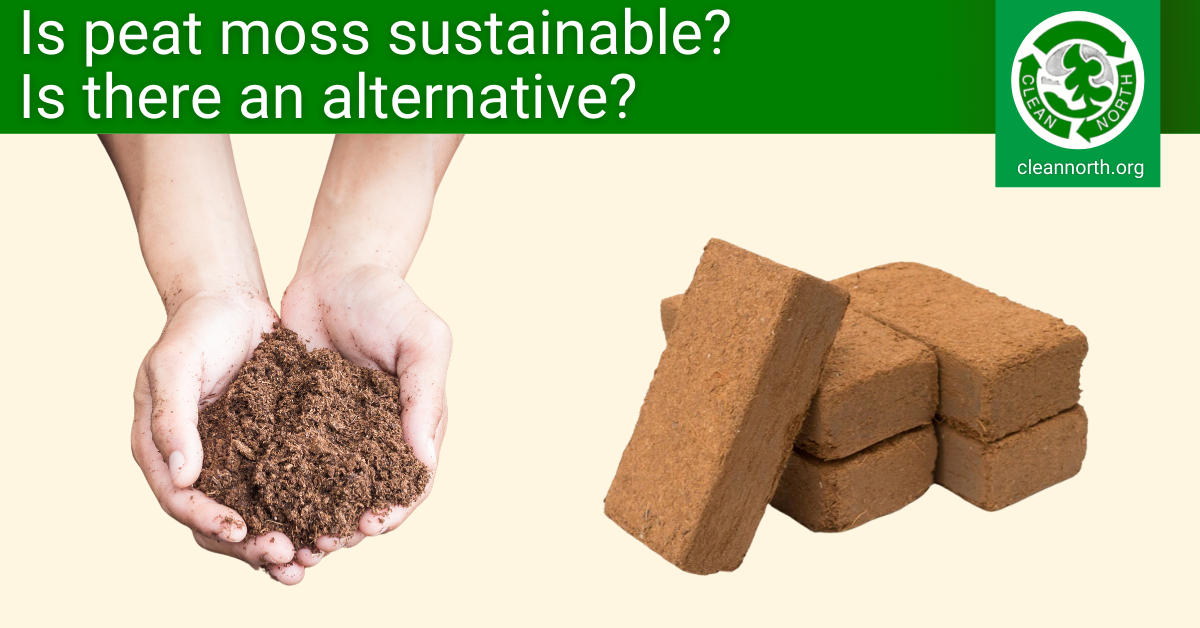
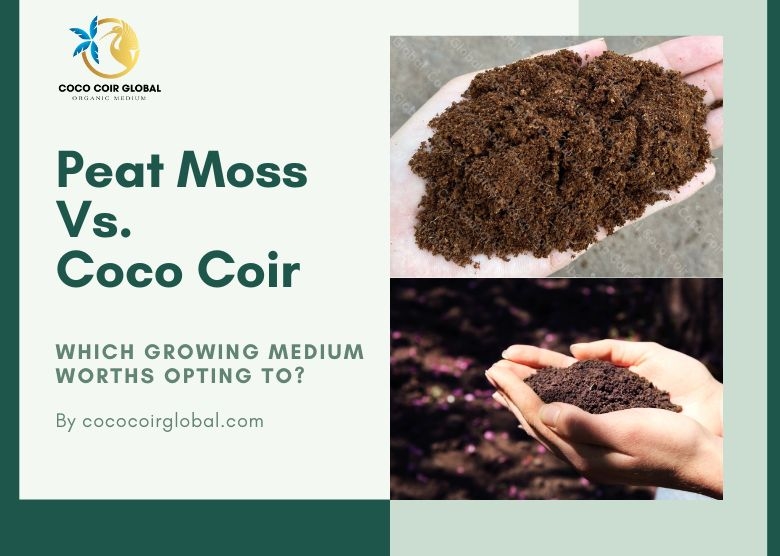
Coco coir is a growing medium made from coconut husk fibers. It is sold as loose fiber, chips, or compressed bricks. Coco coir holds water well and drains freely when prepared correctly.
Peat moss is the partially decomposed remains of sphagnum moss harvested from peat bogs. It is light, spongy, and naturally acidic. Peat moss has been used for decades to improve soil structure and moisture retention.
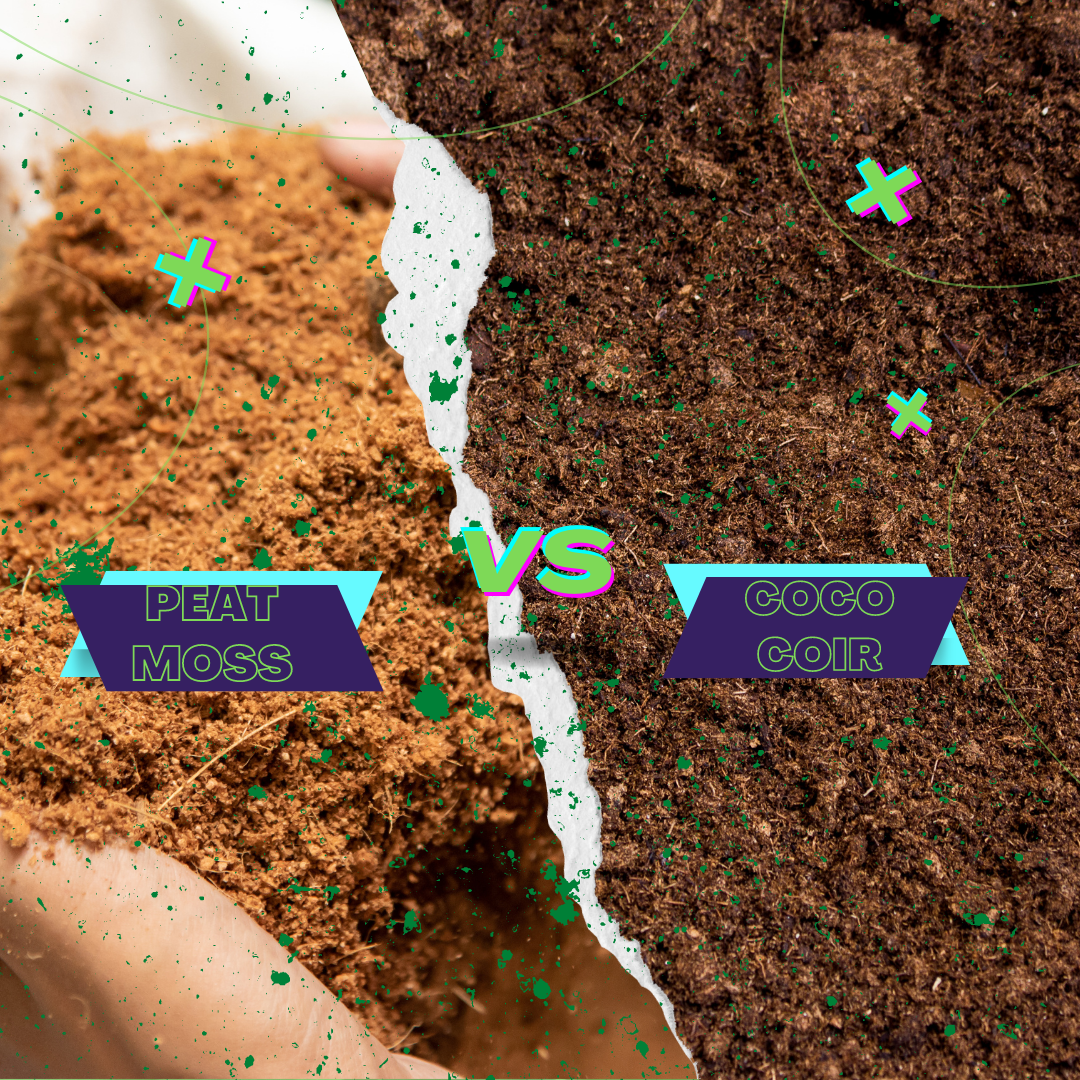
Coco Coir vs Peat Moss: both help retain water and improve soil texture, but they differ in source, chemistry, and sustainability.
Key physical and chemical differences
Water retention
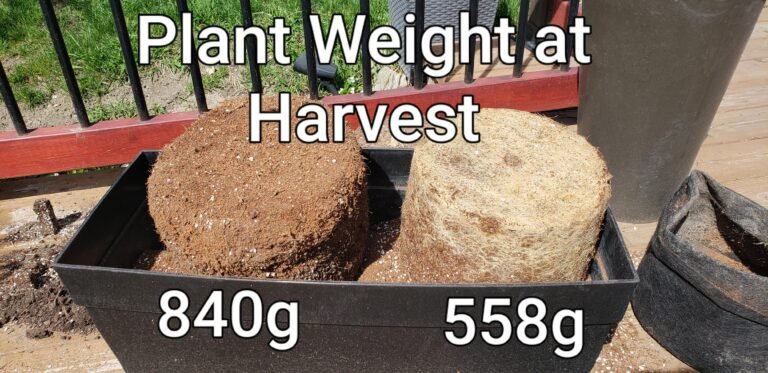
- Coco coir soaks up water and releases it steadily. It can hold many times its weight in water.
- Peat moss holds water like a sponge but can compact when dry, reducing aeration.
pH and chemistry
- Coco coir tends to be near neutral pH after buffering. It often needs rinsing to remove salts.
- Peat moss is acidic with low buffering. It favors acid-loving plants.
Aeration and structure
- Coco coir keeps a fibrous structure that helps roots breathe.
- Peat moss is fine and can compress, which may reduce oxygen around roots.
Nutrient holding
- Coco coir has moderate cation exchange capacity and holds some nutrients.
- Peat moss holds nutrients poorly and is mostly valued for texture, not nutrition.
Coco Coir vs Peat Moss appears similar at first glance, but these chemical and physical contrasts shape how you should use each material.

Performance in common gardening uses
Seed starting
- Coco coir: excellent for seeds. It drains, warms up, and does not compact easily.
- Peat moss: also good for seeds but often mixed with perlite to improve drainage.
Container gardening
- Coco coir reduces overwatering problems. It stays stable across wet-dry cycles.
- Peat moss can become hydrophobic when allowed to dry fully. It needs careful watering.
Potting mixes and soil amendments
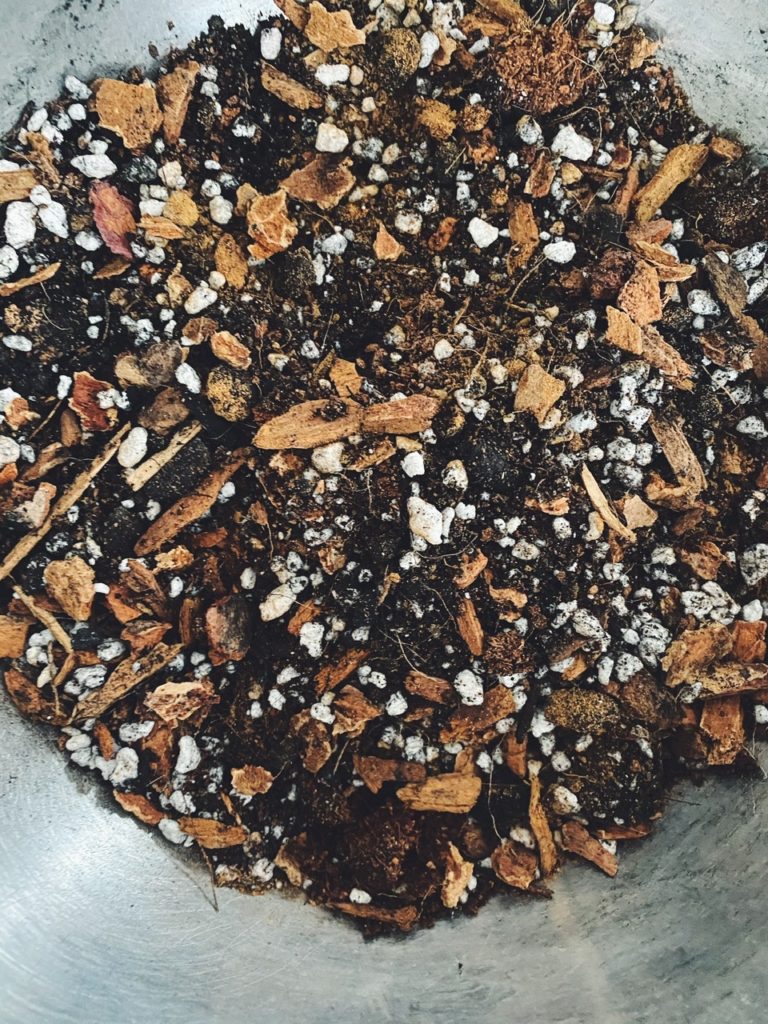
- Coco coir blends well with compost, perlite, and slow-release fertilizers.
- Peat moss mixes well too but always needs lime if you want neutral pH.
Hydroponics
- Coco coir is popular as a soilless hydroponic substrate. It supports high oxygen levels if managed.
- Peat moss is rarely used in hydroponics due to compaction and acidity.
Acid-loving plants
- Peat moss suits blueberries, rhododendrons, and azaleas without much adjustment.
- Coco coir can be used but may need pH amendments for true acid lovers.
A common question is whether you can substitute coco coir for peat moss. Yes, often you can. But pH and nutrient management matter.
How to prepare and use each medium
Preparing coco coir
- Rehydrate compressed coco coir with water and rinse until runoff is clear.
- Buffer it with a calcium-magnesium solution if salts are a concern.
- Mix with perlite or compost for better nutrition and drainage.
Preparing peat moss
- Re-wet peat moss slowly to avoid clumping.
- Add lime to raise pH for most garden plants.
- Combine with compost or slow-release fertilizer to supply nutrients.
Mix ratios (quick guides)
- Seed starting: 70% coco coir or peat moss + 30% perlite.
- Container potting: 50% coco coir or peat moss + 30% compost + 20% perlite.
- Hydroponic coco coir: 100% or 60% coir + 40% perlite, with regular nutrient solutions.
Keep records of what works. I track mixes and plant response. That helped me refine a 50/50 coir-compost blend that performs well year-round.
Environmental impact and sustainability
Coco coir vs Peat Moss yields very different sustainability profiles.
- Coco coir is a byproduct of the coconut industry. It is renewable and often repurposes waste.
- Peat moss is harvested from peat bogs that take centuries to form. Extraction harms ecosystems and stores less carbon over time.
Carbon and habitat impacts
- Peat bogs store huge amounts of carbon. Disturbing them increases CO2 release.
- Coco coir production requires transport and processing but avoids peat bog depletion.
Regulatory and ethical considerations
- Some regions limit peat extraction. Certifications and peat-free labels are now common.
- Coco coir quality varies. Choose suppliers that test for salts and process waste responsibly.
If you care about conservation, coco coir usually wins. Still, check product sourcing and processing to avoid hidden environmental costs.

Pros and cons
Pros of coco coir
- Renewable and often more sustainable.
- Good water retention with good aeration.
- Stable structure; resists compaction.
- Works well in hydroponics.
Cons of coco coir
- May contain salts; needs rinsing or buffering.
- Lower natural nutrients; needs fertilization.
- Quality varies by source and processing.
Pros of peat moss
- Excellent initial water retention.
- Naturally sterile and low in weed seed.
- Great for acid-loving plants.
Cons of peat moss
- Nonrenewable on human timescales.
- Acidic and low in nutrients.
- Can compact and become hydrophobic.
These lists help when choosing between Coco Coir vs Peat Moss for specific projects.
Choosing the right medium: scenarios and recommendations
You want quick seedlings and easy handling
- Choose coco coir or a coir-perlite mix. It is forgiving and drains well.
You grow blueberries or rhododendrons
- Choose peat moss or a peat-based mix to maintain low pH.
You run a hydroponic or intensive container setup
- Choose coco coir for stable, reusable substrate.
You prioritize sustainability and low impact
- Choose coco coir, but verify the supplier's processing methods.
You have limited fertilizer access
- Peat moss might give a slow start, but you still need to add nutrients.
My garden tip: start with coco coir for most pots. Shift to peat blends only for plants that truly need low pH. Personal tests showed faster root growth in coir mixes across summer crops.

Common mistakes and practical tips from experience
Mistake: Using compressed coir without rinsing
- Tip: Rinse or soak until runoff is clear. This avoids salt burn.
Mistake: Assuming peat is nutrient-rich
- Tip: Always add compost or slow-release fertilizer.
Mistake: Letting peat dry out fully
- Tip: Keep peat slightly damp or mix with perlite to avoid hydrophobic clumps.
Mistake: Skipping pH checks
- Tip: Test pH when switching media. Lime or sulfur can adjust peat and coir when needed.
Practical tips I learned
- Label mixes and note plant response.
- Blend coir with compost to cut fertilizer needs.
- Store peat and coir dry and covered to prevent pests.
These small practices make the difference between failed pots and a thriving patio garden when weighing Coco Coir vs Peat Moss.
Cost and availability
Short-term cost
- Peat moss can be cheaper in some regions due to local supply.
- Coco coir costs more in areas far from coconut sources.
Long-term value
- Coco coir often lasts longer in pots and can be reused, lowering lifetime cost.
- Peat mixes may need more frequent refresh and amendments.
Always compare bag sizes and density. One compressed coir brick expands far more than a similar-looking peat bag.
Frequently Asked Questions of Coco Coir vs Peat Moss
What is the best use for coco coir?
Coco coir is best for seed starting, container gardening, and hydroponics because it holds water and keeps good aeration. It works well when mixed with compost or perlite and needs regular feeding.
Does peat moss harm the environment?
Peat moss harvesting damages peat bogs and releases stored carbon over time. This makes peat less sustainable than renewable alternatives like coco coir.
Can I mix coco coir and peat moss together?
Yes. Mixing coco coir and peat moss can balance water retention, pH, and structure. Add compost or fertilizer to supply nutrients missing from both.
How do I adjust pH for coco coir or peat moss?
Test the mix with a pH meter. Add lime to raise pH for peat moss or sulfur to lower pH if needed. For coco coir, buffering with calcium-magnesium helps stabilize pH and reduce salts.
Which medium holds nutrients better?
Coco coir and peat moss both hold nutrients modestly, but coco coir has slightly better cation exchange capacity after buffering. Neither replaces organic matter or fertilization.
Is coco coir salt-free out of the bag?
Not always. Some coco coir contains residual salts from processing and shipping. Rinse or buffer it before use to avoid harming sensitive seedlings.
How often should I water in coco coir versus peat moss?
Coco coir often retains moisture longer and drains better, so water frequency may be less than with peat moss that can either hold water tightly or repel it when dry. Check the medium daily until you learn its pattern.
Conclusion
Coco Coir vs Peat Moss comes down to goals and values. Coco coir wins for sustainability, reusability, and steady water-holding with good aeration. Peat moss excels for acid-loving plants and traditional mixes but has environmental and compaction drawbacks. Test small batches. Track pH, water needs, and plant response. Try a 50/50 coir-compost mix for most pots. If you enjoyed this guide, try both mediums in small trials, subscribe for more practical soil tips, or leave a comment with your experience.