Pole pruners reach high branches safely; pruning saws win on thicker, stubborn cuts.
If you’re trying to decide between a pole pruner vs pruning saw, the best tool depends on height, branch size, and how much control you want. I’ve used both on everything from light backyard cleanups to heavier seasonal cuts, and the difference matters more than most people expect. In this guide, I’ll break down the pole pruner vs pruning saw debate in a simple, practical way so you can choose the right tool with confidence.

Pole pruner vs pruning saw: what each tool is built for
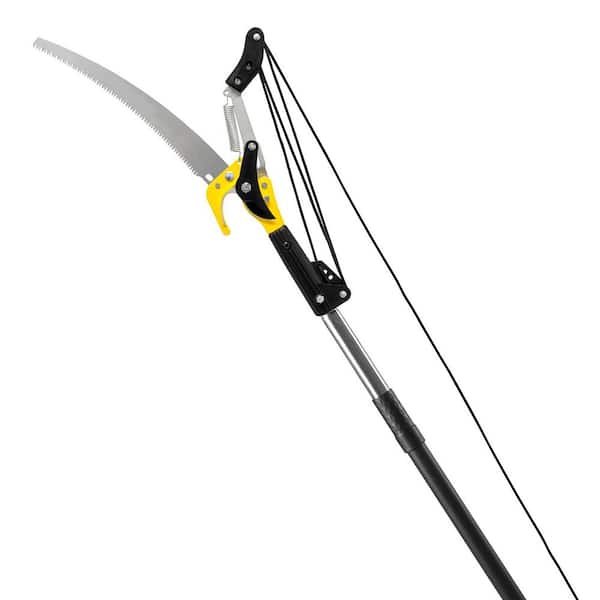
A pole pruner is made to cut branches that are out of arm’s reach. It usually has a long pole, and the cutting head may be manual, rope operated, or powered. That makes it a smart choice for trimming trees without climbing a ladder.
A pruning saw is a hand saw made for cutting branches with more control. It has a curved or straight blade with sharp teeth that bite into wood fast. In the pole pruner vs pruning saw comparison, the saw usually handles thicker branches better when you can reach them comfortably.
Here’s the simplest way to think about it:
• Use a pole pruner when the branch is high and you want safer reach from the ground
• Use a pruning saw when the branch is within reach and needs a cleaner, stronger cut
• Use both when a job includes high branches plus thick limbs
From experience, I’ve found that this is less about which tool is “better” and more about which one matches the job. A tool that fits the branch size and height always feels easier, safer, and faster.
How a pole pruner works
A pole pruner extends your reach so you can cut overhead branches while standing on the ground. Some models use a pull rope and a small blade, while others are battery powered or even gas powered. The long shaft gives you reach, but it also adds weight and makes control a little harder.
Pole pruners are especially useful for:
• Tree canopy maintenance
• Removing dead limbs above fences, roofs, or walkways
• Light seasonal pruning
• Jobs where ladder use would be risky
The main advantage is safety. You reduce climbing, stretching, and awkward body positions. The tradeoff is that pole pruners are usually less precise than a pruning saw, especially on dense or thick wood.
How a pruning saw works
A pruning saw is a hand tool designed to cut living or dead wood with less effort than a regular saw. Its teeth are shaped to remove wood chips efficiently, which helps prevent binding. Many pruning saws are curved, which makes overhead or pull cuts easier.
Pruning saws are best for:
• Branches that are within reach
• Limbs that are too thick for hand pruners
• Clean cuts on live wood
• Detailed pruning around shrubs and small trees
I’ve always liked pruning saws for their control. When the branch is at shoulder height or lower, a pruning saw feels like an extension of your hand. You can guide the cut better, and that often means less damage to the tree.
Pole pruner vs pruning saw: key differences
The pole pruner vs pruning saw choice becomes clear once you compare how they behave in real use.
Reach
• Pole pruner: Best for high branches and awkward spots
• Pruning saw: Best for reachable branches where direct control matters
Cutting power
• Pole pruner: Good for small to medium branches, depending on the model
• Pruning saw: Usually better for thicker limbs and denser wood
Precision
• Pole pruner: Less precise because of the long shaft and overhead angle
• Pruning saw: More precise because your hands are close to the cut
Safety
• Pole pruner: Safer for high work because it reduces ladder use
• Pruning saw: Safe when used properly, but not ideal for high, unreachable cuts
Fatigue
• Pole pruner: Can be tiring to hold up for long periods
• Pruning saw: Easier on the arms for short and medium cuts
In short, the pole pruner vs pruning saw debate is really a match-up between reach and control.
When to choose a pole pruner
Choose a pole pruner when the branch is high enough that climbing would be unsafe or inconvenient. It’s also the better option when you need to trim multiple branches in the upper canopy without moving a ladder every few minutes.
A pole pruner makes sense if:
• Branches are above head height
• You want to reduce fall risk
• You need to trim near power lines only with proper training and utility rules
• You are handling routine tree maintenance from the ground
My practical tip: if you’re doing a full day of pruning, test the balance of the pole pruner before you commit. Cheap or poorly balanced poles can wear you out quickly, and that turns a simple task into a frustrating one.
When to choose a pruning saw
Choose a pruning saw when you can reach the branch safely and you want a stronger, cleaner cut. It often performs better on larger limbs because the blade can work through the wood with less strain than many pole pruner heads.
A pruning saw is a solid pick if:
• The branch is thick
• You want more control over cut placement
• You are shaping shrubs or small trees
• You need to remove a limb flush without awkward overhead handling
One mistake I made early on was trying to use a pole pruner on branches that were really too thick for it. The tool started binding, the cut got messy, and I wasted time. A pruning saw would have done the job faster and with less frustration.
Branch size matters more than people think
When comparing pole pruner vs pruning saw, branch size is one of the biggest decision points. Small twigs and light limbs can be handled by either tool, but as wood gets thicker, the saw starts to shine.
A simple rule of thumb:
• Small branches: hand pruners or light pole pruner heads
• Medium branches: pole pruner or pruning saw
• Thick branches: pruning saw is usually the better choice if reachable
In general, the more wood you need to remove, the more useful the saw becomes. The higher the branch, the more useful the pole pruner becomes.
Safety, control, and tree health
Tree care is not just about cutting. It’s about making the right cut in the right place with the right tool. A poor cut can leave a tree vulnerable to disease, slow healing, or breakage later on.
From an arborist’s point of view, clean cuts matter because:
• Ragged cuts heal more slowly
• Tearing can damage bark and cambium
• Overcutting can weaken the tree’s structure
• Bad angles can invite decay
Pruning saws often give better control for clean branch collars. Pole pruners are still useful, but they require more care because overhead cuts can be harder to place accurately. The best practice is to cut just outside the branch collar and avoid leaving long stubs.
Manual, rope, and powered pole pruners
Not all pole pruners are the same. The type you choose changes how the pole pruner vs pruning saw comparison plays out.
Manual pole pruners
These are light and simple. They are good for small yards and lighter pruning, but they can be slower on bigger jobs.
Rope operated pole pruners
These often use a saw blade or blade-and-hook setup. They’re useful for medium branches and give decent reach without too much complexity.
Battery powered pole pruners
These are popular because they reduce hand effort. They can be a big help if you prune often, but they add weight and usually cost more.
Gas powered pole pruners
These are stronger and suited for heavy-duty work. They can handle bigger jobs, but they are louder, heavier, and need more maintenance.
If you prune only a few times a year, a manual or rope model may be enough. If you work on larger properties or manage lots of trees, powered options can save time.
Real-world use cases
Here’s how the pole pruner vs pruning saw choice usually plays out in real life:
• Backyard oak tree with a few dead limbs high up: pole pruner
• Low maple branch hanging over a walkway: pruning saw
• Dense fruit tree with medium limbs: often both tools
• Storm cleanup with broken limbs at different heights: pole pruner first, saw second
• Shrub shaping and cleanup: pruning saw or hand pruners, not a pole tool
I’ve found that the best workflow is to start with the highest, hardest-to-reach cuts first. Then work down to the easier branches. That keeps your energy focused where the pole pruner really earns its keep.
Maintenance and care
Good maintenance helps both tools last longer and cut better. A dull blade forces you to push harder, which can make cuts rough and tiring.
For a pole pruner:
• Clean the blade after each use
• Check rope systems for wear
• Tighten loose sections of the pole
• Lubricate moving parts if the design calls for it
For a pruning saw:
• Wipe the blade clean and dry
• Remove sap before it hardens
• Store it in a sheath or case
• Replace dull blades if the saw is designed for that
A sharp tool is safer than a dull one. That’s especially true in pruning, where slipping can cause damage to both the plant and the user.

How to choose the right tool for your yard
If you’re still deciding on pole pruner vs pruning saw, ask yourself three questions:
• How high are the branches?
• How thick are the branches?
• How much control do I need for a clean cut?
Use this simple guide:
• Choose a pole pruner if reach is your top concern
• Choose a pruning saw if cutting power and precision matter more
• Keep both if you prune trees regularly
For most homeowners, the smartest setup is not either-or. It’s usually a pole pruner for overhead work and a pruning saw for reachable branches. That combination covers almost every common pruning task.
Frequently Asked Questions about pole pruner vs pruning saw
Which is better for thick branches, a pole pruner or pruning saw?
A pruning saw is usually better for thick branches because it gives more control and stronger cutting power. A pole pruner can work on some medium limbs, but it may struggle as branch size increases.
Is a pole pruner safer than using a ladder with a saw?
Yes, in many cases it is safer because it lets you trim from the ground and reduce ladder use. That said, you still need to stand clear, watch for falling limbs, and control the tool carefully.
Can a pruning saw cut high branches?
Only if you can reach them safely or use it with a separate pole setup. For true overhead work, a pole pruner is the better and safer choice.
Do I need both tools for home tree care?
Not always, but having both is very practical. A pole pruner handles height, while a pruning saw handles thicker reachable limbs with more precision.
Which tool gives cleaner cuts?
A pruning saw usually gives cleaner cuts because it offers better control and a more direct cutting angle. Pole pruners can still make clean cuts, but they are more sensitive to awkward positioning.
How do I know when a branch is too thick for a pole pruner?
If the cut starts binding, takes too much force, or leaves a rough tear, the branch is probably too thick. At that point, a pruning saw is the better choice if the branch is within safe reach.
Conclusion
The pole pruner vs pruning saw choice comes down to one simple idea: reach versus control. A pole pruner helps you work safely on high branches, while a pruning saw gives you better precision and stronger cutting power on reachable limbs.
If you want the most practical setup, think of these tools as partners instead of rivals. Use the pole pruner for overhead work and the pruning saw for thicker cuts at arm’s length, and your pruning will go faster, smoother, and safer. If you’re planning a yard project soon, start with the right tool for the branch and you’ll save yourself a lot of effort.