Garden predator-prey relationships describe how animals hunt, eat, and depend on other organisms. These natural links help manage pest populations, support wildlife, and keep garden food webs working.
Across the United States, home gardens provide food and shelter for many kinds of wildlife. A vegetable bed in Texas, a flower border in Ohio, and a backyard garden in Oregon can all support insects, birds, spiders, and other small animals. Some eat plants, while others hunt the creatures that feed on plants.
These feeding links form predator-prey relationships. Lady beetles eat aphids, spiders catch small insects, and birds feed on caterpillars and beetles. Each animal plays a role in a larger food web. When these links work well, they can help limit pest damage and support a wider range of wildlife.
A healthy garden does not need to be free of insects. In fact, many predators need a steady supply of prey to survive. The goal is to support a varied food web, not to remove every creature that eats a leaf. University extension guidance also stresses the value of food, water, shelter, and careful pest control when supporting natural enemies. citeturn967408view0turn967408view2
Source: slideserve.com
What Predator-Prey Relationships Mean In A Garden
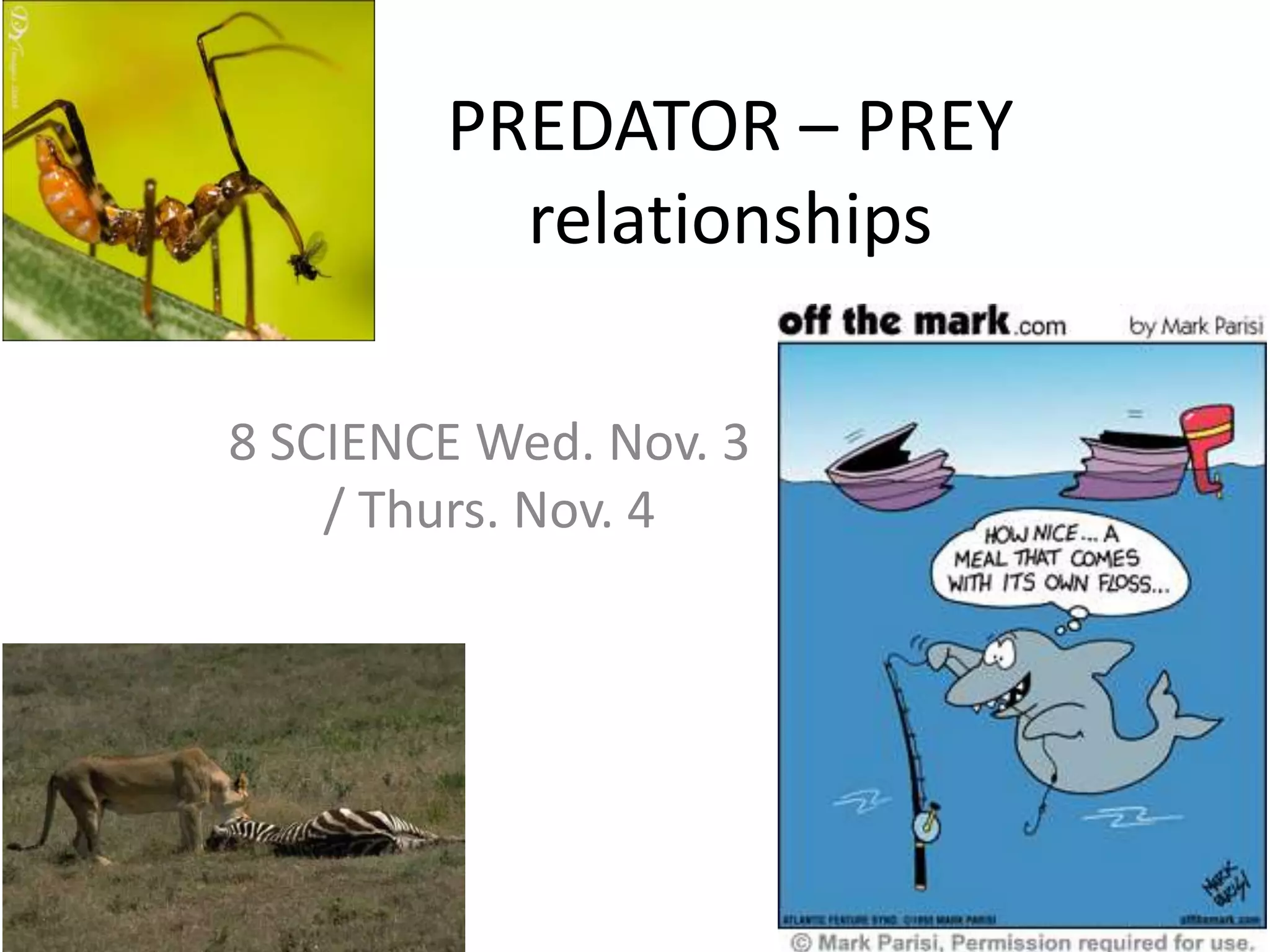
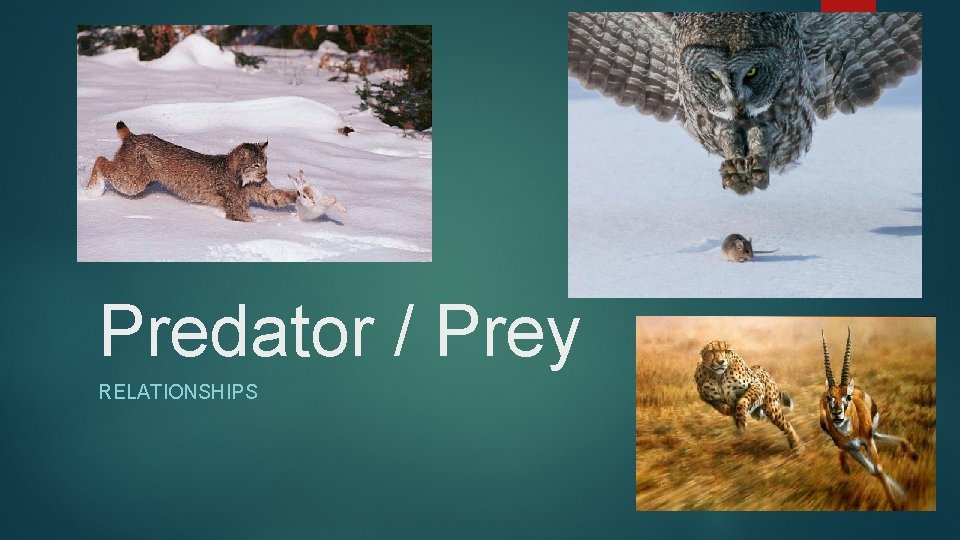
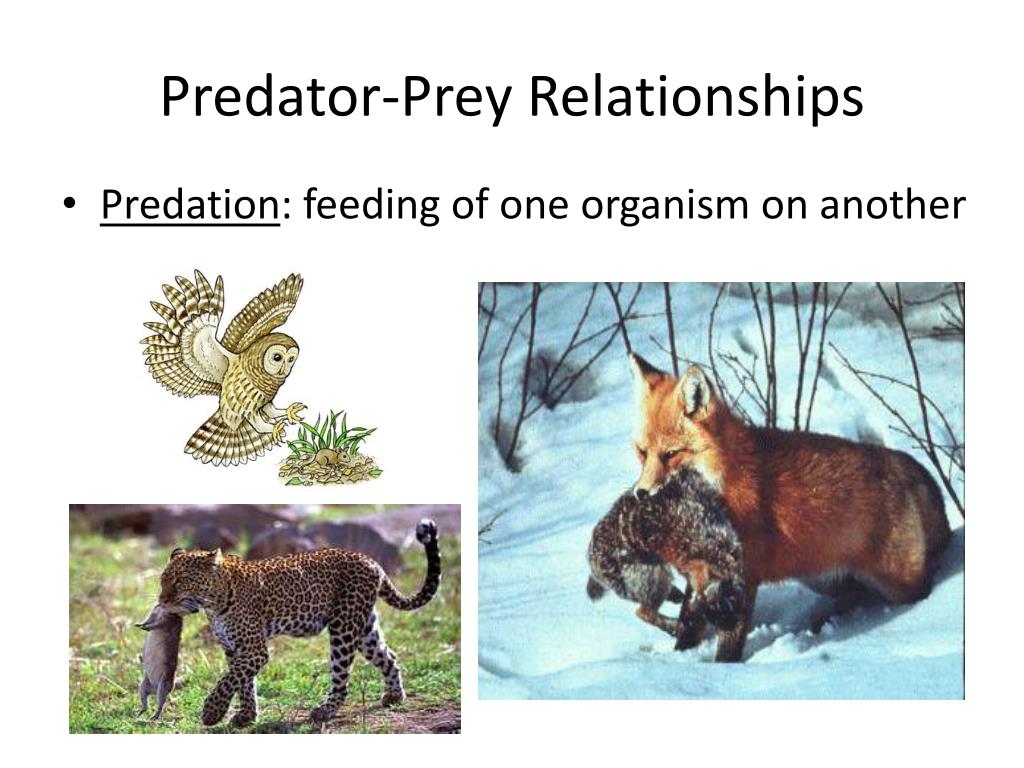
A predator-prey relationship forms when one animal hunts and eats another. The hunter is the predator, and the animal being eaten is the prey. This link transfers energy from one living thing to another.
In a garden, a caterpillar may eat a leaf, and a bird may later eat that caterpillar. A lady beetle may feed on aphids living on a bean plant. A spider may catch a small fly near a flower. These simple events connect plants, insects, and larger animals.
Predator-prey relationships help shape the number and type of organisms in a garden. Predators can reduce the number of plant-feeding insects. In turn, prey animals provide the food that predators need to live and reproduce.
Source: slideshare.net
Predators
These animals hunt and eat other animals. Examples include lady beetles, spiders, lacewings, ground beetles, birds, and some frogs.
Prey
These are animals that predators hunt and eat. Examples include aphids, caterpillars, mites, slugs, flies, and other small insects.
Herbivores
These animals feed on living plants. Aphids, leaf-feeding beetles, and many caterpillars are common garden examples.
Omnivores
These animals eat both plant and animal foods. Some garden insects use pollen, nectar, seeds, and smaller insects as food.
Decomposers and detritivores
These organisms break down dead plants, animals, and other organic matter. They help recycle nutrients and support soil life.
How A Garden Food Chain Works
A food chain shows one simple path through which energy moves. It often begins with a green plant. The plant uses sunlight to make food, and a plant-eating insect gets energy by eating its leaves or stems.
A predator then eats that insect. A larger animal may eat the predator or another animal in the same food web. Each feeding step connects one part of the garden to another.
For example, a bean plant can support aphids. Lady beetles and hoverfly larvae may feed on those aphids. Birds can then feed on other insects found among the same plants.
Plant level
Green plants make food from sunlight, water, and carbon dioxide.
Primary consumer level
Plant-eating insects and other herbivores feed on leaves, roots, flowers, and seeds.
Predator level
Spiders, predatory insects, birds, and other animals eat smaller animals.
Decomposer level
Fungi, bacteria, earthworms, and other organisms break down dead material and return nutrients to the soil.
Why Gardens Have Food Webs Instead Of Single Food Chains
A garden rarely follows one straight feeding path. Most predators eat more than one kind of prey, and many prey animals have several natural enemies. This creates a food web with many connected feeding links.
A spider may catch flies, beetles, and other small insects. A bird may eat caterpillars, spiders, and beetles. If one food source becomes scarce, some predators can switch to another suitable food source.
This variety can make a garden food web more flexible. However, it does not mean every predator will control every pest. Some natural enemies have narrow diets and need a particular type of prey.
More feeding links
One insect may provide food for several different predators.
Shared prey
Several predators may hunt the same pest species.
Changing food sources
Some generalist predators can switch to other prey when their usual food becomes scarce.
Common Garden Predators And Their Prey
Many familiar garden animals are natural predators. Some hunt on leaves and flowers, while others search the soil, mulch, or spaces under rocks. Their feeding habits depend on their species and life stage.
University extension resources identify lady beetles, lacewings, hoverflies, ground beetles, predatory bugs, and spiders as important natural enemies in home landscapes. Birds and other vertebrates also feed on garden insects and small animals. citeturn547744view0turn547744view2turn547744view3
Learning to recognize these animals helps gardeners avoid removing useful wildlife by mistake. It also makes it easier to understand which pests are likely to face natural control.
Source: slidetodoc.com
Lady beetles
Many lady beetles eat aphids, scale insects, mites, and other soft-bodied pests. Both adults and larvae of many species hunt insects. Their larvae look different from the familiar round adults.
Green lacewings
Green lacewing larvae hunt aphids, small caterpillars, and other soft-bodied insects. Adult lacewings of many species feed mainly on nectar, pollen, and other plant fluids.
Hoverflies
Adult hoverflies visit flowers for nectar and pollen. Their larvae can feed on aphids, making them useful predators in many vegetable and flower gardens.
Ground beetles
Many ground beetles hunt insects, insect eggs, caterpillars, and some slugs. They often move through leaf litter, mulch, and other ground cover.
Spiders
Spiders catch many types of small insects. Web-building species trap flying prey, while hunting spiders search leaves, soil, and other garden surfaces.
Minute pirate bugs
These small predatory insects feed on thrips, mites, insect eggs, and other tiny prey. They are often found on flowering plants.
Predatory mites
Some mite species hunt spider mites, thrips, and insect eggs. They are small and may require a hand lens for proper identification.
Birds
Many garden birds eat caterpillars, beetles, flies, and other insects. Some also feed insects to their young during the nesting season.
Frogs and toads
Where suitable habitat exists, frogs and toads may eat flies, beetles, slugs, and other small animals. Their role varies with local species and conditions.
Insect Predators Work At Different Life Stages
An insect may have very different feeding habits as a young animal and as an adult. This is a key reason to learn more than the adult insect’s name.
Lady beetle larvae and adults both hunt aphids in many species. Lacewing larvae are active predators, while many adult lacewings mainly use nectar and pollen. Hoverfly larvae hunt aphids, but adult hoverflies visit flowers.
This means a flowering plant can support a predator even when that adult is not hunting pests. It can also help provide food for insects that will later produce predatory young. citeturn547744view2turn547744view3
Check the larval stage
Look for young insects on leaves where pests are present. Their shape and behavior may reveal their role.
Watch adult feeding
Notice whether adults hunt insects or visit flowers for nectar and pollen.
Avoid quick removal
Do not remove an unfamiliar insect before checking whether it is a predator or a plant feeder.
Predators, Parasitoids, And Parasites Are Not The Same
A predator usually kills and eats several prey animals during its life. A parasitoid has a different feeding method. A female parasitoid often lays an egg in or on a host insect, and the developing young feed on that host and eventually kill it.
Tiny parasitoid wasps can attack aphids, caterpillars, and other pest insects. They are not the same as the large social wasps that may build nests near homes.
Some aphids attacked by parasitoid wasps become swollen and pale or brown. These are often called aphid mummies. They are a useful sign that natural control is taking place. citeturn967408view3
Predation
One animal actively hunts and eats another animal.
Parasitism
An organism lives on or inside a host and feeds from it. The host may survive for some time.
Parasitoid activity
An immature insect develops in or on one host and eventually kills it.
How Predator And Prey Populations Change Over Time
Predator and prey numbers change as food, weather, shelter, and other conditions change. These changes are normal parts of garden ecology. A rise in pest numbers does not always mean the garden food web has failed.
When prey becomes more common, predators may find more food and begin to increase. However, predators often need time to find the prey, feed, reproduce, and raise young. During this delay, some plant damage may occur.
Later, greater predator activity may reduce the prey population. When food becomes scarce, predator numbers may also fall or the animals may move elsewhere. This process can repeat, but real gardens rarely follow a neat or regular cycle.
Food availability
More prey can support more predators, but only when other needs, such as shelter and suitable conditions, are also met.
Weather
Heat, cold, rain, drought, and seasonal changes can affect the activity and survival of predators and prey.
Plant growth
New leaves and shoots may provide fresh food for plant-feeding insects and can change where predators hunt.
Life cycles
Some predators are active only during certain life stages or parts of the year.
Movement
Predators and prey can move between gardens, nearby green spaces, and natural habitats.
Why Pest Numbers May Rise Before Predators Appear
Many plant-feeding insects reproduce quickly when food and weather are favorable. A small aphid group can grow before enough predators arrive to feed on it.
Predators may already live in the garden, but their numbers may be too low to control a sudden increase. Some species also need warm weather, suitable plants, or a certain amount of prey before they become active.
This is why natural pest control is not always immediate. A gardener may see aphids today and more lady beetle larvae a little later. The best response depends on how much damage the plant is facing.
Early pest increase
Check whether new plant growth is attracting feeding insects.
Predator arrival
Look for eggs, larvae, adult predators, and signs of prey being eaten.
Damage check
Decide whether the plant can tolerate the current feeding or needs a direct control step.
Predators Can Also Eat Other Predators
Not every predator eats only plant-feeding pests. Some generalist hunters may eat other predatory insects when they meet them. This behavior is one reason food webs are more complex than simple diagrams suggest.
A mantis, spider, or predatory bug may catch several types of insects. Its prey may include pest species, pollinators, or other helpful predators. This does not make the animal useless. It means that nature has many feeding links, not a fixed group of good and bad insects.
A diverse garden supports many different species and feeding roles. No single predator can control every pest, and no predator will always make the same feeding choice.
Generalist feeding
Some predators hunt many types of insects instead of relying on one prey species.
Predator overlap
Two predator species may compete for the same prey or sometimes eat one another.
Natural balance
A healthy food web includes many feeding relationships rather than only pest-eating animals.
How To Build A Garden That Supports Natural Predators
The best way to support garden predators is to provide the resources they need throughout the year. Food, water, shelter, and safe nesting or resting areas all matter. A garden with only short grass and a few flowering plants may offer less support than one with several layers of vegetation.
Start with plants suited to your local U.S. region. Native plants often support local insects that depend on them for food. Those insects can then provide food for spiders, birds, predatory insects, and other wildlife. citeturn967408view0
A useful habitat does not need to look wild from one end to the other. You can keep paths, lawns, and crop beds neat while leaving selected areas for flowers, leaf litter, shrubs, and other natural cover.
Source: reddit.com
Plant a range of flowers
Choose flowers with different bloom times so adult predators can find nectar and pollen across the growing season.
Use local native plants
Choose native plants suited to your soil, rainfall, and growing region. Check local extension or native plant guidance before planting.
Keep several plant layers
Use trees, shrubs, flowering perennials, and ground cover to create different places for wildlife to feed and hide.
Keep some natural cover
Leave selected areas of leaf litter, logs, stones, and mulch for ground-dwelling insects and other small animals.
Provide clean water
A shallow birdbath or small water feature can support wildlife. Add stones or other safe landing spots so small animals can reach the water and leave it.
Reduce pesticide exposure
Avoid routine spraying that can harm predators, pollinators, and other useful organisms.
Choose Flowers That Feed Adult Predators
Many adult beneficial insects need nectar, pollen, or other plant fluids. These foods provide energy for movement, growth, and reproduction. Some species depend on flowers as adults even when their young hunt other insects.
Small, open flowers can help insects with short mouthparts reach nectar. Garden plants such as dill, fennel, yarrow, asters, and other suitable flowering herbs and native plants can support different insects. Their value depends on local climate and the needs of each species.
Try to plan bloom times across spring, summer, and fall. A steady supply of flowers gives insects more chances to find food as the seasons change.
Early blooms
Choose suitable spring flowers that offer food when insects first become active.
Summer blooms
Grow flowering herbs and perennials that continue to provide nectar and pollen.
Late-season blooms
Include late-flowering plants that support insects before colder weather arrives.
Create Shelter For Ground And Leaf-Dwelling Predators
Not all garden predators live in flowers. Ground beetles, spiders, and many small insects need places to hide from heat, dry air, and larger predators. Leaf litter, loose mulch, stones, and fallen wood can provide useful cover.
A small undisturbed area can support insects that spend part of their life cycle in the soil or under plant debris. Avoid turning or clearing every part of the garden at once if you want to protect these animals.
Keep habitat areas under control. Remove diseased plant material and manage serious slug or rodent problems when needed. The goal is to provide useful shelter without allowing a specific pest to build up beyond a level you can accept.
Leaf litter
Keep a small layer under suitable shrubs or trees where it will not harm plant health.
Mulch
Use suitable mulch to protect soil and provide cover for some ground-dwelling organisms.
Logs and stones
Place a few in safe areas to create cool and sheltered spaces.
Less soil disturbance
Avoid unnecessary digging in areas used by ground-dwelling wildlife.
Support A Complete Garden Habitat
A useful wildlife garden provides more than food. Water, shelter, and safe places to raise young help animals remain in the area. Trees and shrubs provide cover for birds, while flowering plants and ground cover support many small insects.
University of Delaware Extension describes these needs as food, water, shelter, and safety. It also explains how the insects supported by plants become food for predators higher in the garden food web. citeturn967408view0
Try to connect different habitat areas instead of placing all wildlife resources in one small corner. Even a small backyard can support several feeding and shelter zones.
Upper layer
Trees and larger shrubs provide nesting places, shade, and shelter for birds and other wildlife.
Middle layer
Flowering shrubs and tall perennials provide food and cover for insects and small animals.
Ground layer
Low plants, leaf litter, and mulch provide shelter for spiders, beetles, and other ground-dwelling species.
How To Observe And Manage Predator-Prey Relationships
You can learn a great deal about your garden food web through regular observation. You do not need special equipment. A hand lens, notebook, and phone camera can help you record insects and plant damage over time.
The first step is to identify what is eating the plant. Then check whether natural predators are already present. This helps you avoid treating an insect that may be feeding on the actual pest.
Integrated pest management uses correct identification, monitoring, prevention, and targeted action. It does not rely on spraying every insect as soon as it appears. citeturn430133view1
Source: storage.googleapis.com
Step 1: Check the whole plant
Look at leaves, stems, flowers, and the soil around the plant. Check both the upper and lower sides of leaves.
Step 2: Identify the feeding animal
Look for aphids, caterpillars, beetles, mites, slugs, or other possible plant feeders. Use a reliable identification guide if needed.
Step 3: Search for natural enemies
Look for lady beetle larvae, lacewing eggs, hoverfly larvae, spiders, ground beetles, and signs of parasitoid activity.
Step 4: Measure the plant damage
Check whether leaves are still growing, whether new damage is appearing, and whether the plant is losing strength.
Step 5: Choose a suitable response
Allow minor damage when the plant can tolerate it. Use physical or cultural control when needed, and avoid harming nearby natural enemies.
Step 6: Check again
Inspect the same plants over the next several days. Record changes in pest numbers, predator activity, and fresh damage.
Signs That The Garden Food Web Is Working
A healthy garden food web does not mean every pest disappears. Instead, you may see a wider range of insects and wildlife, with plant damage staying within an acceptable level.
Predator eggs and young insects are useful signs. You may also notice fewer aphids on a plant after lady beetles or hoverfly larvae appear. Birds searching through shrubs and spiders catching small insects show that feeding links are active.
Look at changes over time rather than judging the garden by one visit. A single afternoon may show many aphids and few predators, while another visit may show a different pattern.
More predator activity
You see hunting insects, spider webs, bird activity, or young predators near areas with prey.
Stable plant growth
Plants continue to produce healthy new growth even when some feeding damage remains.
Changing prey numbers
Pest groups become smaller or less active after natural enemies appear.
More habitat use
Different insects and wildlife use flowers, shrubs, soil cover, and water sources.
What To Do When Natural Predators Are Not Enough
Natural predators do not always prevent serious plant damage. A young seedling, a stressed vegetable crop, or a plant facing a fast-growing pest group may need extra help.
Start with simple methods. Remove badly infested leaves, hand-pick larger insects when practical, or wash some soft-bodied pests from sturdy plants with water. Barriers and suitable plant care can also reduce pest pressure.
If a pesticide is needed, identify the pest first and choose a product that is suitable for that pest and plant. Follow the label. Consider its effect on predators, pollinators, and other non-target animals before use.
For small infestations
Monitor the plant, remove a few affected leaves, or use a suitable water spray.
For larger infestations
Use targeted physical or cultural controls and protect nearby areas where natural enemies are active.
For repeated damage
Ask a local Cooperative Extension office or Master Gardener program to help identify the pest and choose a suitable management plan.
Common Mistakes And Important Safety Limits
The biggest mistake in managing garden predators is treating every insect as a threat. Many insects do not harm plants, and some feed on the pests that cause damage. Removing them can weaken the garden food web.
Another mistake is expecting predators to solve every pest problem. Their activity depends on prey, temperature, habitat, and many other conditions. Natural control can help, but it is not a guarantee of a pest-free harvest.
Gardeners should also avoid assuming that every product labeled natural or organic is harmless to wildlife. A substance that kills a pest may also affect predators, pollinators, or other insects that come into contact with it.
Source: slideserve.com
Mistake: Removing all insects
This removes potential food for predators and may reduce the number of useful species in the garden. Identify unfamiliar insects before taking action.
Mistake: Expecting instant pest control
Natural enemies need time to find prey and reproduce. Severe damage may require a separate management step.
Mistake: Spraying the entire garden
Broad pesticide use can harm predators and allow some pest populations to recover quickly.
Mistake: Assuming all lady beetles eat pests
Most familiar predatory lady beetles feed on other insects, but some species, such as Mexican bean beetles, feed on plants.
Mistake: Clearing all ground cover
Removing every leaf, log, and sheltered area can reduce habitat for ground-dwelling predators.
Mistake: Ignoring local conditions
A predator found in one U.S. region may not be common or suitable in another. Use local identification and habitat advice.
Why Broad Pesticide Use Can Disrupt The Food Web
Many broad-spectrum insecticides can kill both target pests and useful insects. This can reduce the number of natural enemies that help keep pest populations in check.
Some pests reproduce faster than their predators. If a pesticide removes many predators, the remaining pests may increase again before natural enemies recover. Secondary pests can also become more noticeable when their natural controls disappear.
Oklahoma State University Extension explains this pest rebound problem and recommends monitoring, prevention, and targeted treatment instead of routine spraying. citeturn967408view2
When treatment is necessary, follow all label directions and avoid exposing flowering plants and active pollinators. Do not assume that a product is safe for all wildlife because it is made from plant-based or naturally occurring ingredients.
Identify before treatment
Make sure the insect is actually causing the damage and that the proposed treatment targets it.
Protect non-target species
Consider effects on predators, pollinators, soil organisms, and nearby water.
Use targeted methods
Treat only the affected area when permitted by the product label and suitable for the pest.
Check local guidance
Use current Cooperative Extension advice for the crop, pest, and region.
Be Careful When Buying Or Releasing Predators
Buying lady beetles, predatory mites, or other biological controls may seem like a quick way to solve a pest problem. However, releasing predators without identifying the pest can waste money and may not improve control.
Different biological controls target different prey. Some need warm conditions, enough food, and the right habitat to survive. Others may leave the garden if the food supply is too low.
Use biological controls only when the species, target pest, timing, and release instructions are suitable. Do not release unknown or nonnative animals into the environment. Local extension advice can help you decide whether a purchased control is appropriate.
Match the predator to the pest
Check that the biological control is known to feed on the specific pest you have identified.
Check release conditions
Follow the supplier’s instructions for temperature, moisture, storage, and timing.
Avoid unnecessary releases
First consider protecting natural enemies already living in the garden.
Protect People And Wildlife
Some predators, such as certain wasps and spiders, can bite or sting if handled or disturbed. Observe them from a safe distance instead of picking them up. Do not disturb a nest, especially if someone in the home has a serious sting allergy.
Keep standing water clean and provide safe access for small animals. Prevent children and pets from reaching pesticide products, treated areas, and wildlife traps.
If a dangerous animal or a large wasp nest is close to a home, use local wildlife or pest-control guidance rather than trying to handle it yourself.
Do not handle unknown wildlife
Use photos and reliable identification guides instead of touching unfamiliar insects, reptiles, or other animals.
Keep pesticide products secure
Store and use them according to the label and keep them away from children and pets.
Respect wildlife nests
Avoid disturbing active nests or colonies and seek qualified help when a safety concern exists.
A Practical Example: Aphids And Predators On Garden Plants
Aphids provide a simple example of predator-prey relationships in a home garden. These small insects gather on soft stems and the undersides of leaves. They use plant sap as food and may cause curled leaves, weak growth, or sticky honeydew on nearby surfaces.
Several natural enemies may feed on aphids. Lady beetles and their larvae hunt them, hoverfly larvae eat them, and lacewing larvae can also reduce their numbers. Small parasitoid wasps may lay eggs inside aphids, producing the swollen aphid mummies seen on infested plants. citeturn430133view1turn547744view2
When you find aphids, check the plant before treating it. Look for predator larvae, adult lady beetles, lacewing eggs, and aphid mummies. Also check for ants, because some ants protect honeydew-producing insects and may interfere with natural enemies.
If aphid numbers are low
Monitor the plant and look for natural enemies. Healthy established plants may tolerate a small amount of feeding.
If aphids cover a few stems
Remove badly affected stems or wash aphids away with water when the plant can tolerate it.
If young plants are at risk
Act sooner if feeding is affecting new growth or the plant is becoming weak.
If ants are guarding aphids
Check whether ants are protecting the aphid group and use suitable, targeted management advice.
If the problem keeps returning
Check plant health, excess fertilizer, irrigation, and the presence of natural enemies before choosing another treatment.
How To Judge Whether Aphid Damage Needs Action
Not every aphid group needs immediate treatment. A few aphids on a mature plant may cause little harm, especially when predators are already feeding on them. The right choice depends on the crop, plant age, damage level, and risk of disease spread.
Young seedlings and stressed plants may need more care than strong established shrubs. Some aphids can spread plant viruses, so crop-specific advice matters when growing susceptible vegetables or ornamental plants.
Do not use a single pest count as a rule for every plant. Watch how quickly the aphid group grows and whether the plant continues to produce healthy leaves.
Low risk
A small aphid group is present, but the plant is growing well and natural enemies are active.
Moderate risk
Aphids are spreading to new stems, and some leaves are curling or losing strength.
Higher risk
The plant is young or weak, feeding damage is severe, or a known crop disease risk requires faster action.
Frequently Asked Questions
Q
Are All Insects In A Garden Pests?
No. Many garden insects do not harm plants. Some pollinate flowers, break down dead material, or provide food for other wildlife. Others eat aphids, mites, caterpillars, and other plant-feeding insects. Identify an insect before deciding whether to remove it.
Q
Do Garden Predators Remove All Pests?
No. Predators can reduce some pest populations, but they rarely remove every pest. Their numbers depend on food, weather, shelter, and other conditions. A healthy garden can contain some plant-feeding insects while keeping damage at an acceptable level.
Q
Are Spiders Good For Garden Predator-Prey Relationships?
Most garden spiders eat insects and other small arthropods. They can help limit flies, beetles, and other small prey. Some spiders also catch pollinators and other useful insects because many are generalist hunters. Their presence is still a normal and valuable part of garden ecology.
Q
Should I Buy Lady Beetles To Control Aphids?
Not as a first step. Check whether native lady beetles and other natural enemies already live in the garden. Purchased insects may leave if the food supply or habitat is unsuitable. If you consider a biological control, identify the pest and follow reliable local guidance about the correct species and release conditions.
Q
How Long Does Natural Pest Control Take?
There is no fixed time. Some predators are already present and can feed on pests at once. Others need time to find prey and reproduce. Weather, plant growth, pest numbers, and predator life cycles all affect the result. Check plants regularly and use targeted control if damage becomes serious.
✦ Wrapping Up
Conclusion
Garden predator-prey relationships connect plants, insects, birds, spiders, and many other living things. These links help move energy through the garden and can limit some pest populations. They also give wildlife the food and shelter it needs to survive.
A strong garden food web starts with healthy plants and varied habitat. Grow suitable native flowers, provide shelter and clean water, protect natural ground cover, and avoid unnecessary pesticide use. Watch how predators and prey interact before deciding that every insect needs to go.
The best garden is not one without insects. It is one where many species have a place, plant damage stays manageable, and natural feeding relationships can continue through the seasons.
💡 Key Takeaway
Start today by choosing one garden bed or group of plants. Inspect the leaves for plant feeders and natural predators, record what you find, and add suitable flowering plants or shelter where needed. Recheck the same area over the next few weeks to see how the garden food web changes.