A garden wagon moves heavier loads; a garden cart is better for tight spaces and quick turns.
If you are comparing garden wagon vs garden cart, you are really choosing between hauling power and easy handling. I’ve used both in real yard work, and the difference shows up fast once you start moving soil, mulch, tools, or harvest baskets. This guide breaks down garden wagon vs garden cart in simple terms so you can pick the right one for your yard, garden, and budget.
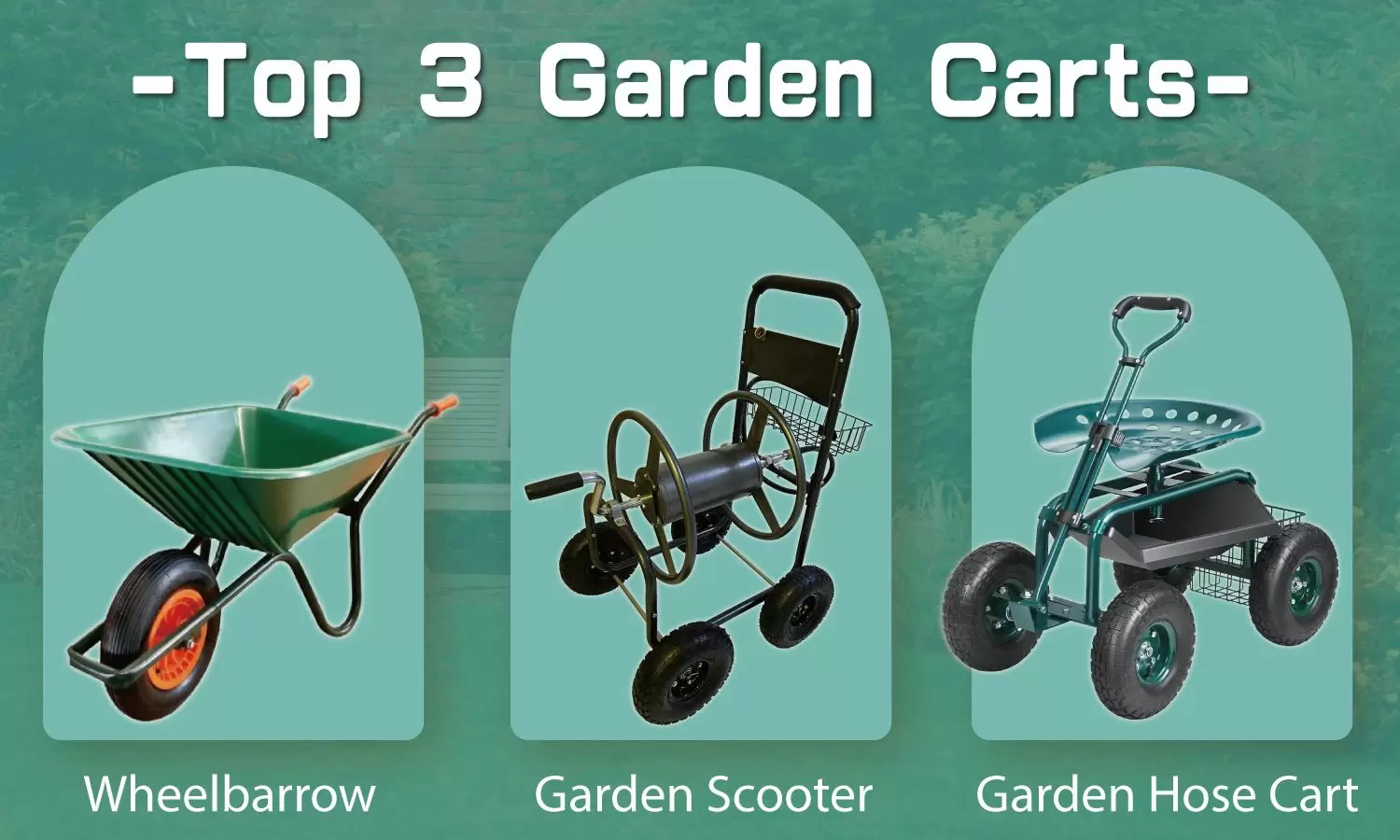
What Is a Garden Wagon?
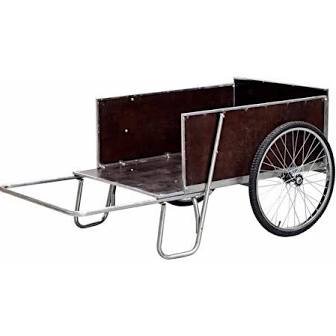
A garden wagon is a wheeled hauler made for moving bulky or heavy items around your yard. It usually has a deeper bed, a wider frame, and four wheels for extra stability. That design makes a garden wagon a strong choice for mulch, compost, firewood, potted plants, and big harvests.
In my experience, a garden wagon feels a bit like a small farm helper. It is not as nimble as a cart, but it saves your back when the load gets heavy. If you tend to move a lot of material at once, the garden wagon vs garden cart question often leans toward the wagon.
Common types of garden wagons include:
- Mesh wagons for loose items and airflow
- Dump wagons for easy unloading
- Convertible wagons with removable sides
- Utility wagons for general hauling
What Is a Garden Cart?
A garden cart is usually a smaller, more compact tool for moving lighter loads or working in tight spots. Many garden carts have two wheels in the front or a narrow frame that makes steering easier. Some are made for kneeling, planting, weeding, or carrying hand tools.
A garden cart is often the better pick if your yard has narrow paths, raised beds, or tight corners. It is also easier to pull or push when you are doing lighter chores. In the garden wagon vs garden cart comparison, the cart wins on control and convenience.
Common uses for a garden cart include:
- Carrying seed trays and small pots
- Moving hand tools and fertilizer bags
- Transporting weeds and light debris
- Working in small patios or narrow garden rows

Garden Wagon vs Garden Cart: The Main Differences
The garden wagon vs garden cart choice comes down to load size, maneuverability, and how often you use it. Both tools help reduce strain, but they do different jobs. Think of the wagon as the pickup truck and the cart as the compact car.
Here is the easiest way to compare them:
- Load capacity: A garden wagon usually carries more weight and volume.
- Maneuverability: A garden cart is easier to steer in tight areas.
- Stability: Wagons are often more stable with large or uneven loads.
- Storage: Carts are often smaller and easier to store.
- Yard type: Wagons suit bigger yards; carts suit small or crowded spaces.
If you have ever tried to drag a full bag of mulch around a corner in a narrow side yard, you already know why the garden wagon vs garden cart choice matters so much.
When a Garden Wagon Makes More Sense
A garden wagon makes sense when you need strength more than speed. If you move soil, stone, compost, or full harvest bins often, the extra room and support are worth it. I once used a wagon during a spring cleanup, and it cut my trips in half.
A garden wagon is a smart choice if you:
- Work on a large property
- Move heavy or bulky materials
- Want fewer trips back and forth
- Need help with hauling yard waste
- Prefer a more stable platform
It is also useful for family gardening or community garden projects. When several people share tools, the wagon becomes a mobile workbench on wheels.
When a Garden Cart Makes More Sense
A garden cart is the better fit when your space is tight or your tasks are lighter. It is easier to guide around trees, beds, fences, and corners. For many people, that easier handling matters more than raw capacity.
A garden cart is a good pick if you:
- Garden in a small yard
- Work in raised beds or narrow rows
- Carry light tools and small loads
- Want easier steering
- Need a tool that is simple to move and park
I have made the mistake of using an oversized wagon in a cramped garden path. It worked, but only after a few awkward turns and one scratched fence post. That is why the garden wagon vs garden cart decision should always start with your actual layout.
Weight Capacity and Build Quality
Weight capacity is one of the most important parts of the garden wagon vs garden cart debate. Many wagons are built with stronger frames, wider beds, and tougher wheels. Many carts are lighter and more compact, which is great for everyday chores but not ideal for very heavy loads.
When checking build quality, look at:
- Frame material, such as steel, plastic, or reinforced resin
- Wheel size and tread for rough ground
- Handle strength and grip comfort
- Bed depth and side support
- Rust resistance if you store it outside
A good rule from real-world use: if the tool bends, wobbles, or feels hard to control when half full, it is probably not the right fit for your workload.
Terrain, Yard Size, and Turning Space
Your yard layout can matter more than the tool itself. A garden wagon is better on flat, open ground where turning is easy. A garden cart often handles narrow gates, tight beds, and uneven corners better.
Consider these terrain points:
- Flat lawns: Either can work well
- Gravel paths: Look for larger, sturdy wheels
- Sloped areas: Stability becomes very important
- Tight spaces: A cart usually wins
- Rough ground: Choose wheels that can roll smoothly
One practical tip from experience: measure your narrowest path before buying. A tool that seems perfect in the store can become annoying if it barely fits through your gate or between raised beds.
Ease of Use and Comfort
Comfort matters because yard work gets tiring fast. A garden wagon often reduces the number of trips, which helps when you are hauling heavy materials. A garden cart often reduces steering effort, which helps when you are moving around obstacles.
What affects comfort most:
- Handle height
- Pulling or pushing resistance
- Wheel smoothness
- Load balance
- Ease of dumping or unloading
If you have back, shoulder, or wrist strain, the right choice can make a real difference. In many cases, the garden wagon vs garden cart decision is less about the tool and more about how your body feels after an hour of work.
Price, Storage, and Maintenance
Price varies a lot by brand, size, and material. In general, basic garden carts cost less than heavy-duty wagons. But a stronger wagon may save time and effort, which can make the higher price worth it.
Storage is another simple factor:
- Garden carts often take up less space
- Garden wagons may need more garage or shed room
- Folding or collapsible models help with small storage areas
Maintenance is usually easy for both:
- Clean dirt after use
- Check tire pressure if they have air-filled tires
- Tighten loose bolts
- Store in a dry place when possible
A small habit like cleaning off wet soil can help extend the life of both tools. Rust, stuck wheels, and cracked plastic often start with simple neglect.
Garden Wagon vs Garden Cart: Which One Should You Buy?
If you want the shortest answer, choose based on the kind of work you do most often. The best tool is the one that fits your space, load, and routine. That is the real heart of the garden wagon vs garden cart decision.
Choose a garden wagon if you need:
- More hauling power
- Better capacity for bulky materials
- Stability for heavy loads
- Fewer trips across a large yard
Choose a garden cart if you need:
- Better control in tight spaces
- Easier steering
- A lighter, more compact tool
- Better fit for small gardens
If you garden casually, a cart may be enough. If you spend weekends moving compost, mulch, or heavy tools, a wagon is often the better investment.
Practical Buying Tips Before You Decide
Before you buy, think like someone who already had to return the wrong tool. I have done that, and it is not fun. A little planning now can save money and frustration later.
Use this simple checklist:
- Measure your yard paths and gate widths
- Estimate the heaviest load you will carry
- Decide if you need push, pull, or tow options
- Check wheel type for your terrain
- Read the product weight limit carefully
- Look for a handle that feels natural in your hands
A good purchase is not the biggest one. It is the one that makes your work smoother every single week.

Frequently Asked Questions
Is a garden wagon better than a garden cart?
A garden wagon is better for heavy loads and larger yards. A garden cart is better for tight spaces and easier steering.
Can a garden cart carry heavy soil or mulch?
Yes, but only if the cart is rated for that weight and built well. For frequent heavy loads, a garden wagon is usually the safer choice.
Which is easier to store?
A garden cart is often easier to store because it is smaller and more compact. Folding models of either type can help if storage is limited.
Do I need air-filled tires?
Not always, but air-filled or larger tires can help on rough ground. Solid tires may need less maintenance, while larger tires can roll more smoothly over bumps.
Which option is best for small gardens?
A garden cart is usually best for small gardens. It is easier to turn, fits narrow paths better, and is often less bulky to handle.
Conclusion
The garden wagon vs garden cart choice is really about matching the tool to your yard and your workload. If you need strength, stability, and hauling power, a garden wagon is hard to beat. If you need control, compact size, and easy movement, a garden cart is the smarter fit.
The best choice is the one that saves time, protects your body, and makes garden work feel lighter. Take a few minutes to measure your space, think about your typical tasks, and choose the tool that fits your real life. If this guide helped you, explore more gardening tips or leave a comment with the tool you use most.