A hose timer fits simple setups; an irrigation timer works best for larger, zoned systems.
If you are comparing hose timer vs irrigation timer, you are probably trying to save time, water, and a little money without turning your yard into a science project. I have worked with both in real homes and garden setups, and the choice usually comes down to scale, control, and how much automation you really need. The hose timer vs irrigation timer decision is not just about features. It is about matching the tool to the way you water every day.
Hose timer vs irrigation timer: what each one does
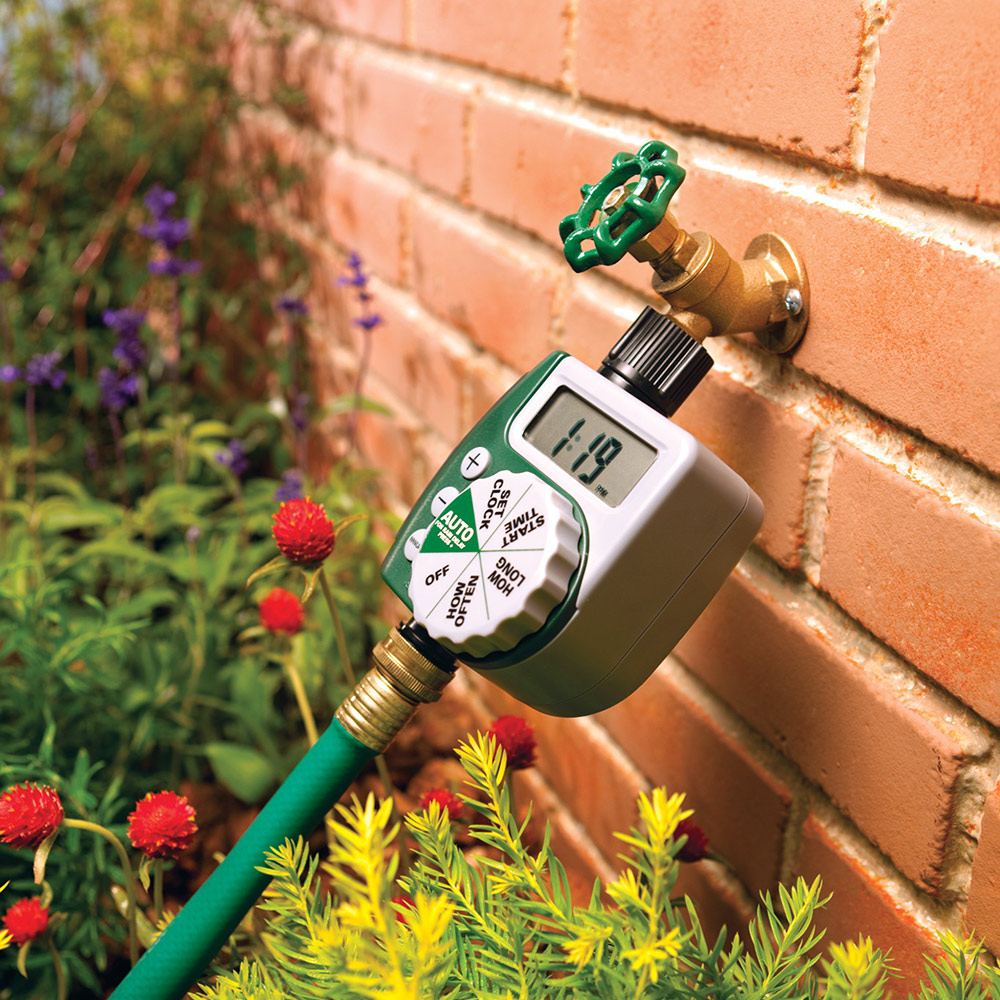
A hose timer is a small control device that attaches directly to an outdoor spigot or hose faucet. It opens and closes water flow on a set schedule, so your sprinkler, drip line, or soaker hose can run automatically. Most models are battery powered and easy to install.
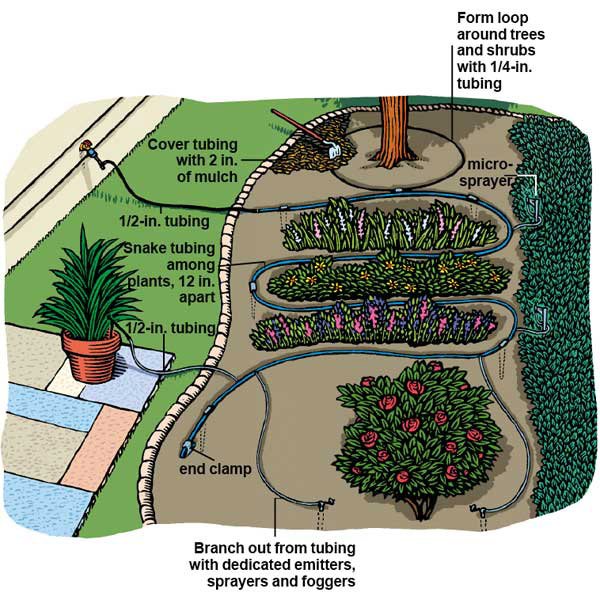
An irrigation timer is usually part of a larger irrigation system. It controls multiple zones, often through a valve manifold and a controller mounted near the home or in a garage. This setup is more advanced and is built for watering lawns, landscape beds, trees, and sometimes gardens in separate schedules.
In simple terms, hose timer vs irrigation timer is the difference between “smart hose automation” and “full-yard watering control.” That is why the right choice depends on whether you are managing one hose or an entire landscape.
How a hose timer works
A hose timer connects to a single outdoor faucet. You attach it between the spigot and the hose, then program start times, duration, and sometimes frequency. Many models let you choose one or more watering cycles per day or week.
Here is why people like hose timers:
• They are easy to install in minutes
• They cost less than most irrigation systems
• They work well for gardens, patio plants, and small lawn areas
• They are useful for renters or anyone who cannot modify plumbing
I have found hose timers especially helpful for raised beds and drip irrigation. If you travel often, they can be a lifesaver because they keep plants on a steady routine without much effort.
How an irrigation timer works
An irrigation timer is the brain of a full sprinkler or drip system. It sends signals to electric valves that control different zones. One zone may water the front lawn, another the flower beds, and another a vegetable garden.
This type of timer usually offers more control than a hose timer. You can set different run times for each zone based on plant type, sun exposure, and soil needs. Some newer irrigation controllers also adjust watering based on weather data or seasonal changes.
This is where the hose timer vs irrigation timer comparison gets very practical. If your yard has several watering needs, irrigation timers give you much better precision. They also reduce the chance of overwatering one area and underwatering another.

Hose timer vs irrigation timer: key differences
The biggest differences are not just in price. They are in system size, control, and installation.
• Setup: A hose timer is plug-and-play. An irrigation timer often requires valves, wiring, and sometimes professional installation
• Coverage: A hose timer usually handles one hose line. An irrigation timer can manage many zones
• Cost: A hose timer is far cheaper upfront. An irrigation timer costs more but offers more control
• Flexibility: A hose timer is best for simple watering. An irrigation timer is better for complex landscapes
• Maintenance: Hose timers are easier to replace. Irrigation systems need more upkeep
In my own experience, people often buy the more advanced option too early. Then they end up paying for features they never use. On the other hand, some homeowners try to stretch a hose timer across a yard that really needs zone control, and the result is uneven watering and frustrated plants.
Which one is better for small gardens?
For small gardens, a hose timer is often the better choice. It is simple, affordable, and fast to set up. If your main goal is to automate one drip line, a soaker hose, or a single sprinkler, a hose timer usually does the job very well.
A small garden does not need a complicated control system unless you are managing many plant types with different water needs. For most home gardeners, the hose timer vs irrigation timer decision leans toward the hose timer because it keeps things easy.
A few situations where a hose timer makes sense:
• Balcony or patio containers
• Raised beds
• One flower bed with drip irrigation
• Small side yard or narrow garden strip
Which one is better for lawns and larger landscapes?
For lawns and larger landscapes, an irrigation timer is usually the stronger option. Lawns often need more consistent coverage, and different areas may dry out at different speeds. An irrigation system lets you divide the yard into zones and water each one properly.
This matters because water does not behave the same everywhere. A sunny slope dries faster than a shaded strip near a fence. A hose timer vs irrigation timer comparison for larger yards usually ends with the irrigation timer winning on precision and efficiency.
If you have a front lawn, backyard beds, and shrubs all in one property, the irrigation timer gives you better long-term control. It also makes seasonal adjustments much easier.
Cost, installation, and upkeep
Cost is one of the clearest differences in the hose timer vs irrigation timer debate. Hose timers are usually inexpensive, and many are available at big-box stores or garden centers. Irrigation timers, valves, and controllers cost more, especially if you need professional help.
Installation also matters. A hose timer can be installed by almost anyone. An irrigation timer may need electrical wiring, valve placement, and system testing. That means more time, more planning, and sometimes more labor costs.
Upkeep is another factor:
• Hose timers may need new batteries and basic cleaning
• Irrigation timers may need valve checks, wiring inspection, and seasonal adjustments
• Both systems should be winterized in cold climates where freezing is a risk
I learned early on that the cheapest option is not always the least expensive over time. A poorly chosen system can waste water, stress plants, and create more work than it saves.
Water efficiency and plant health
Water efficiency is a major reason people compare hose timer vs irrigation timer in the first place. Both can help you water more consistently, which usually improves plant health. The key is using the right system for the right area.
A hose timer can be very efficient when paired with drip irrigation or a soaker hose. It delivers water slowly and directly to the root zone. That reduces runoff and evaporation.
An irrigation timer can be even more efficient on a larger property because it supports zone-based scheduling. You can water turf, beds, and shrubs at different times and for different lengths. According to irrigation and landscape best practices, zone control is one of the best ways to reduce waste and improve plant performance.
Smart features and modern controls
Today, both hose timers and irrigation timers may include smart features. Some hose timers connect to Wi-Fi or Bluetooth and let you control watering from your phone. Some irrigation controllers also work with weather data, rain sensors, and app-based scheduling.
When comparing hose timer vs irrigation timer with smart features, think about how much control you want. A smart hose timer is great for convenience. A smart irrigation controller is better if you want more advanced scheduling, seasonal adjustments, and zone management.
Useful smart features include:
• Weather skip settings
• Rain delay
• Multiple watering programs
• Manual watering override
• Leak alerts in some higher-end systems
The smart tools are helpful, but they are not magic. I have seen people rely too much on automation and forget to check soil moisture. Even the best timer still needs a real-world human check now and then.
Common mistakes to avoid
I have seen a few mistakes happen over and over with hose timer vs irrigation timer setups.
• Choosing a hose timer for too many watering areas
• Setting run times too long, which can lead to runoff
• Forgetting that shaded and sunny areas need different schedules
• Not checking battery life before a trip
• Skipping winter prep in freezing weather
The biggest mistake is assuming all timers work the same way. They do not. A hose timer is not a small version of a full irrigation controller. It is a different tool for a different job.
How to choose the right one
The easiest way to decide on hose timer vs irrigation timer is to ask a few simple questions.
• How many watering zones do I need?
• Am I watering one line or an entire yard?
• Do I want a low-cost, easy setup or full control?
• Do I rent or own the property?
• Will I need seasonal scheduling changes?
If you want something quick and simple, go with a hose timer. If you want detailed control over a larger landscape, go with an irrigation timer. That one choice can save you money, time, and water over the long run.
Real-world examples from the field
A neighbor of mine used a hose timer for three raised beds and a small drip line, and it worked perfectly. He was gone for two weeks every summer, and the system kept everything alive without fuss. For that setup, a full irrigation system would have been overkill.
On the other hand, I once helped with a property that had sunny turf in front, shaded beds in back, and a narrow side yard that dried fast. A hose timer could only handle one area well at a time. The irrigation timer solved that by splitting the property into zones, which made watering much more balanced.
Those two examples sum up the hose timer vs irrigation timer choice better than any spec sheet. Match the system to the size and needs of the landscape, not just the price tag.
Frequently Asked Questions
Is a hose timer the same as an irrigation timer?
No, they are not the same. A hose timer controls water from a single faucet, while an irrigation timer usually manages multiple zones in a larger sprinkler or drip system.
Can a hose timer be used for drip irrigation?
Yes, a hose timer works very well with drip irrigation. In many small gardens, this is one of the most efficient and simple watering setups.
Which is more expensive, hose timer vs irrigation timer?
An irrigation timer is usually more expensive because it is part of a larger system. A hose timer is much cheaper and easier to install.
Do irrigation timers save more water?
They can, especially in larger yards with separate zones. Proper zone scheduling helps reduce waste and overwatering.
Which is better for renters?
A hose timer is usually better for renters. It is portable, easy to install, and does not require permanent plumbing changes.
Conclusion
When you look at hose timer vs irrigation timer, the best choice comes down to the size of your landscape and how much control you need. A hose timer is simple, affordable, and perfect for small gardens or single-line watering. An irrigation timer is the better fit for bigger yards, multiple zones, and more precise scheduling.
If you want to make life easier and water smarter, start with your actual setup, not the fanciest option on the shelf. Choose the system that fits your plants, your time, and your budget, then fine-tune it as the seasons change. If this guide helped you, explore more watering tips, subscribe for updates, or leave a comment with your own setup.