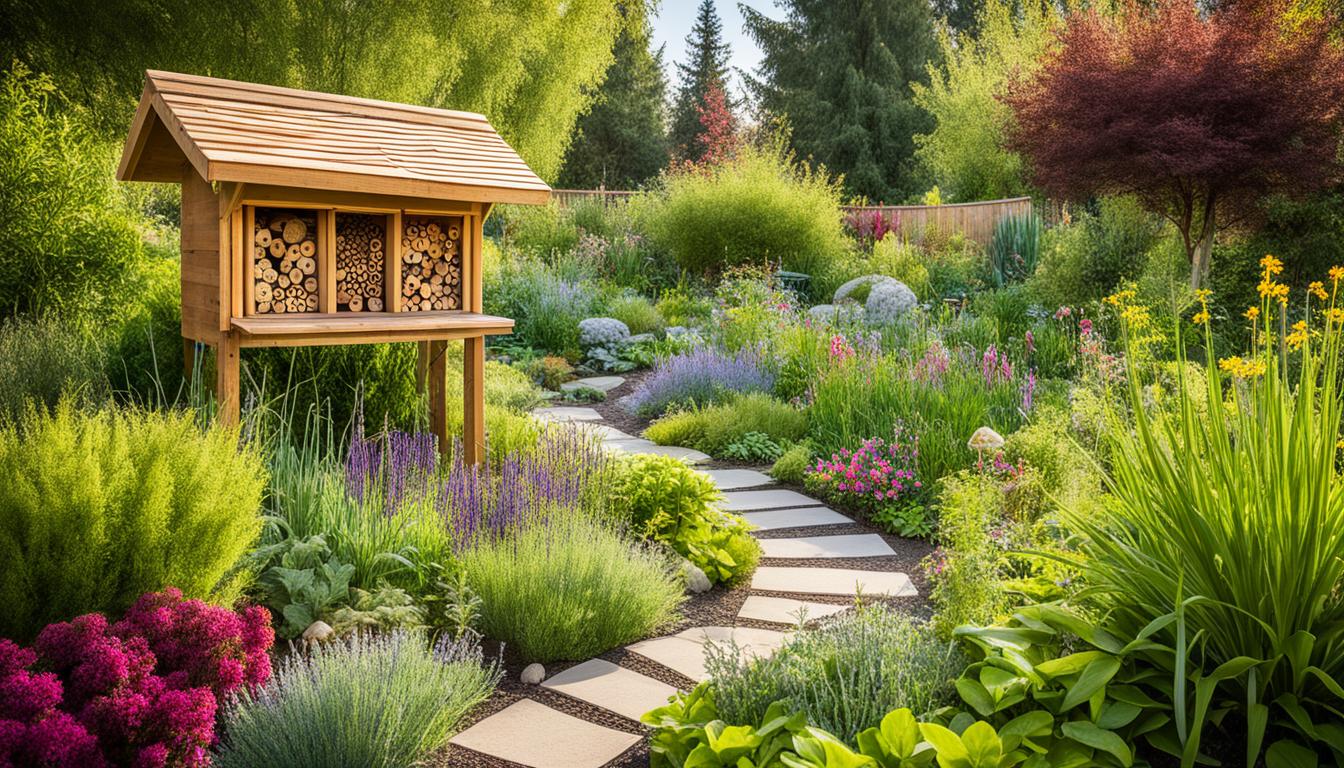
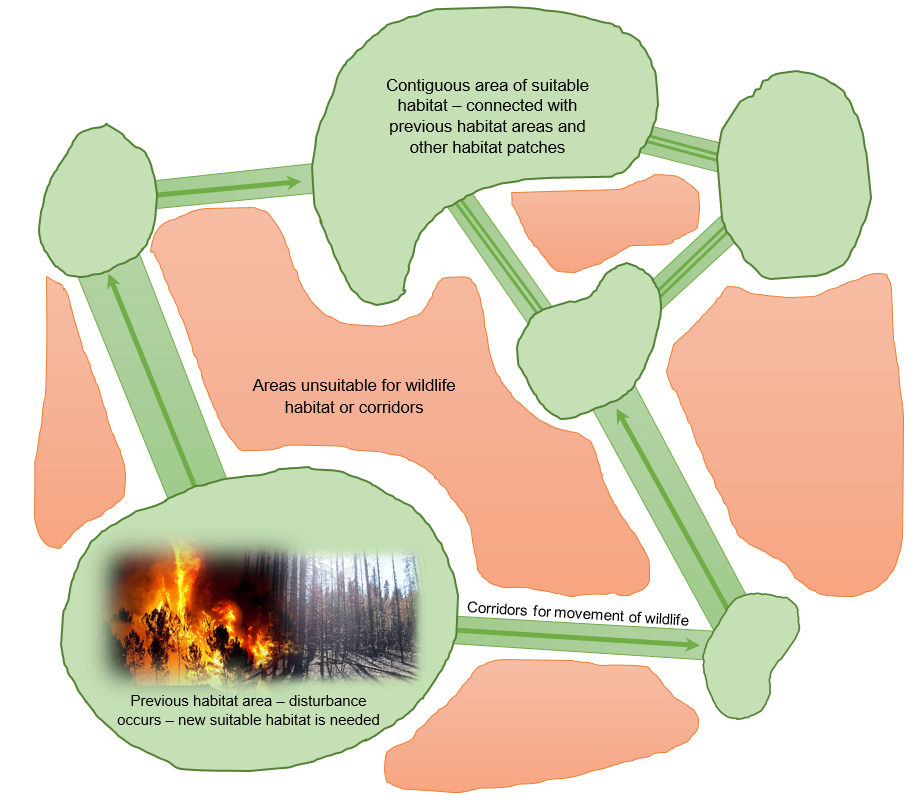
Garden habitat connectivity means linking yards, gardens, parks, trees, and natural areas so wildlife can move between them. You can improve it by planting local native species, adding shelter and water, reducing harmful barriers, and working with nearby gardeners. Even a small garden can become a useful stepping stone in a larger habitat network.
Across the United States, wildlife habitats are often split by roads, homes, parking lots, lawns, and other built spaces. A bird may find food in one yard but need a nearby tree for shelter. A native bee may need flowers in one place and bare soil in another. When these places are far apart or hard to reach, wildlife has fewer ways to meet its basic needs.
A home garden can help close some of these gaps. A patch of native flowers, a group of shrubs, or a small area of natural ground cover can offer food, shelter, and nesting space. When nearby gardens and public green spaces provide similar resources, they can form a network that helps wildlife move through developed areas. The value of each garden depends on the local species, the space between habitat patches, and the barriers along the way. Research and garden guidance support this role for residential green spaces, while also showing that connectivity must be judged at the scale of the species being helped. citeturn977824view0turn977824view4
growingourgarden.com
What Garden Habitat Connectivity Means
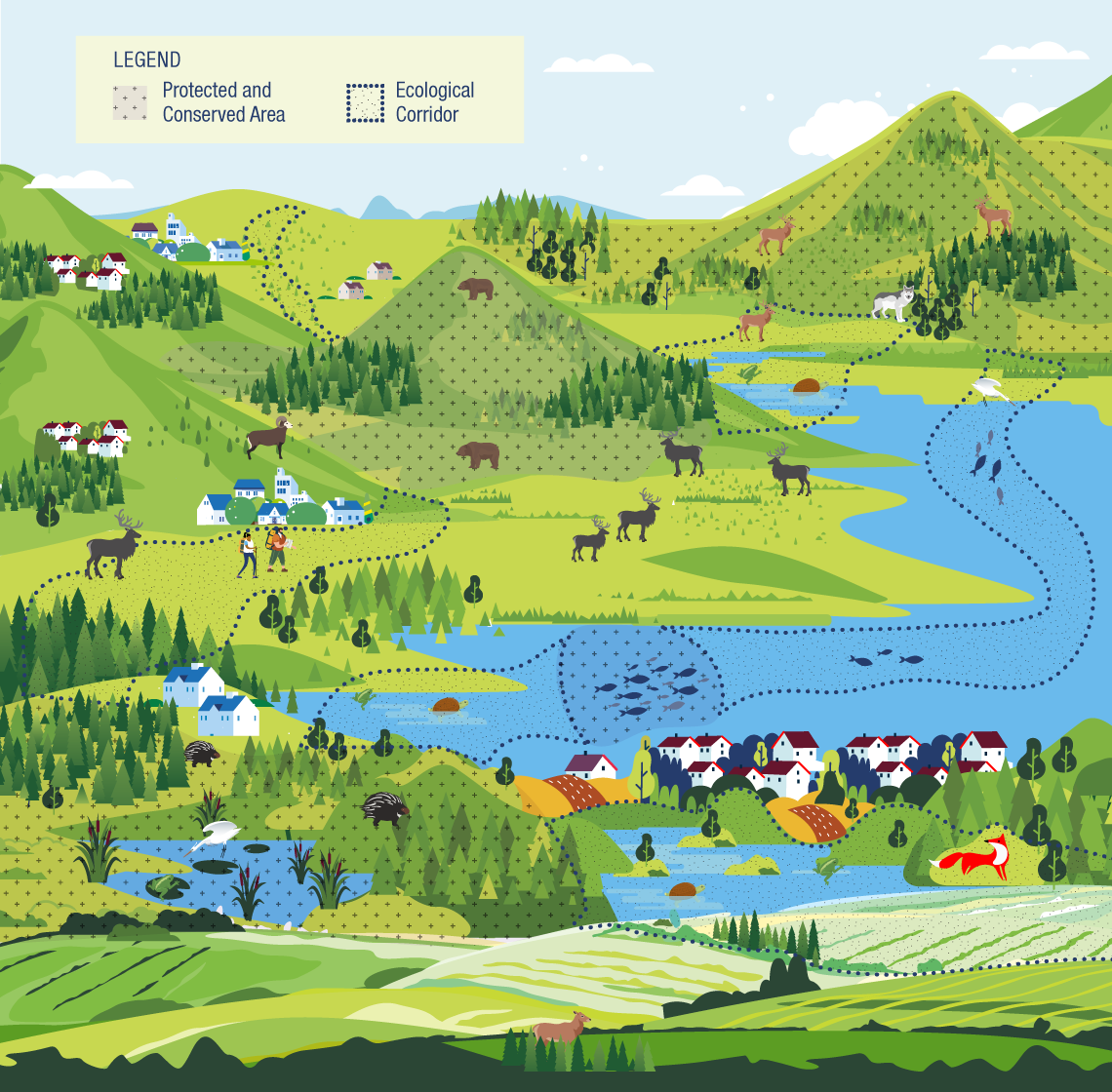
Garden habitat connectivity is the link between natural spaces that wildlife uses. These spaces may include backyards, front gardens, school grounds, parks, tree lines, streams, ponds, and woodlands. Each space can provide one or more resources that help a species survive.
Think of a connected garden network as a chain of small resting places. One garden may offer flowers. Another may offer shrubs and nesting cover. A nearby park may provide trees and a larger feeding area. Together, these places can help wildlife move across a landscape that would otherwise be difficult to cross.
Connectivity has two main parts. Structural connectivity describes how habitats are arranged and how close they are to each other. Functional connectivity describes whether a species can actually move between those habitats. A green path may look connected to a person but still fail to help an animal that cannot cross the road or open space along the route. citeturn977824view3turn922899view2
storage.googleapis.com
Habitat corridor
A strip of useful habitat that links two or more larger natural areas. Examples include a planted creek bank, a line of native shrubs, or a wooded path.
Stepping-stone habitat
A series of separate green spaces that allow wildlife to move between larger habitat patches. Small gardens, flowering yards, and pocket parks can serve this role.
Landscape permeability
How easily an animal can move through the land between habitat patches. Native planting, natural ground cover, and shelter can improve it.
Habitat fragmentation
The splitting of a larger habitat into smaller and more isolated areas. Roads, buildings, and intensive land use can increase this problem.
Why a green line does not always mean a working corridor
A corridor must meet the needs of the wildlife expected to use it. A row of tall trees may help some birds and bats. It may do little for a ground-nesting bee that needs loose soil and nearby flowers. A wet garden edge may help frogs but may not provide much value to a species that lives in dry grassland.
For this reason, garden owners should think about the target species before choosing plants or building a route. A useful design supports real movement and survival, not just a green appearance.
Why Connected Gardens Matter for Wildlife
Connected gardens give wildlife more chances to find the resources it needs. Animals and insects often use different places for feeding, nesting, breeding, and shelter. A network of useful spaces can help them reach these places without crossing as many poor or unsafe areas.
This matters in both cities and suburbs. A small garden may not support a full wildlife population on its own. However, several gardens can add to the total amount of useful habitat in a neighborhood. A 2023 review of residential garden research found that garden biodiversity often relates to garden size, plant variety, vegetation cover, and the wider landscape. It also identified connections between gardens and other green spaces as an important part of biodiversity. citeturn977824view4
Connectivity can also help species respond to change. Drought, storms, fires, and shifts in seasonal weather can make some places less useful for a time. Wildlife may need to move to another area with better food, shelter, or breeding conditions. Links between habitats can give some species more ways to reach those places. citeturn922899view2
More feeding choices
A network of gardens can offer flowers, seeds, berries, nectar, pollen, and insects at different times of the year.
Better access to shelter
Shrubs, trees, leaf litter, logs, and ground cover can give wildlife places to hide from weather and predators.
Support for breeding
Connected habitat can help animals reach nesting areas, host plants, and other places needed to raise young.
Greater movement options
Nearby habitat patches may provide alternative routes when one area becomes disturbed or loses its resources.
Stronger local green networks
Gardens can add useful habitat between parks, streams, woodlots, and other natural areas.
The value of small gardens
A small garden does not need to contain every habitat feature. It can offer one useful part of a larger network. For example, a narrow planting bed may provide nectar for bees, while a nearby yard offers nesting soil and a park provides more flowers and shrubs.
Small spaces become more useful when their owners plan with nearby land in mind. A garden beside a tree-lined street may strengthen an existing route. A garden near a park may extend habitat into a developed block. The best role depends on what is already present.
How to Assess Habitat Connections Around Your Garden
Start by looking beyond your property line. A good habitat plan considers nearby green spaces, possible movement routes, and the barriers between them. You do not need special mapping software to make a useful first plan.
Walk around your property and the nearby streets. Look for parks, gardens, mature trees, streams, ponds, vacant green spaces, and wooded areas. Note where natural cover stops and where hard surfaces or other barriers begin.
An aerial map can also help. Mark the larger habitat patches first. Then mark the smaller spaces between them. This will help you see whether your garden can connect two useful places or add another stepping stone to an existing network.
pinterest.com
Step 1: Find the main habitat patches
Mark nearby parks, woodlots, wetlands, streams, native grasslands, and other green spaces. Give priority to places that already have useful natural habitat.
Step 2: Identify smaller green spaces
Look for gardens, tree lines, planted road edges, school grounds, community gardens, and other small spaces that could support wildlife movement.
Step 3: Record the barriers
Note busy roads, large buildings, wide paved areas, solid fences, walls, bright lights, and places with little food or shelter.
Start with a local group, such as native bees, butterflies, songbirds, or small ground-dwelling wildlife. Find out what resources that group needs.
Step 5: Find the missing link
Look for the weakest part of the route. It may need more flowers, a shrub layer, a safer ground path, or a better connection to nearby green space.
Step 6: Set a clear garden goal
Choose one practical change that addresses the gap. Avoid trying to redesign the whole property before you understand the local habitat needs.
Questions to ask during a site check
Look at each part of the route from the point of view of the wildlife you want to help. A flower bed may look healthy but have no nesting space. A row of shrubs may provide shelter but connect to no other useful habitat.
Distance also matters, but there is no single spacing rule for all wildlife. Different bees, birds, butterflies, frogs, and mammals have different movement ranges and habitat needs. Use local extension guidance or advice from a wildlife biologist when the plan depends on a specific species.
Food
Are flowers, seeds, berries, or insect prey available along the route?
Shelter
Are there trees, shrubs, grass clumps, leaf litter, or other safe places to rest?
Breeding space
Can the target species reach suitable nesting, host plant, or breeding areas?
Movement
Are there roads, buildings, walls, or other barriers that may stop or discourage movement?
Build Useful Habitat Links With Native Plants
Native plants are a strong starting point for a connected garden. These plants evolved in local ecosystems and often support insects and other wildlife that depend on them. Choose species that naturally grow in your region and suit the soil, sunlight, moisture, and space in your yard.
The USDA Natural Resources Conservation Service and the Xerces Society provide a habitat assessment guide for yards, gardens, and parks. It explains that native plants support a wide range of native pollinators. It also reports that roughly one-third of bee species collect pollen from particular native plants, while many butterfly and moth caterpillars depend on specific host plants. citeturn977824view1turn574293view2
A connected planting should offer resources across the growing season. A garden with flowers only in spring may leave a food gap in summer or fall. Choose a mix of plants with different bloom times, shapes, and growth forms. Include shrubs and trees where space allows.
geographyrealm.com
Use local native flowers
Choose plants that provide nectar and pollen for insects found in your area. Check local native plant lists before buying seeds or plants.
Add flowering shrubs and trees
These plants can offer flowers, fruit, seeds, shade, shelter, and nesting opportunities.
Plan for different seasons
Include suitable plants that bloom in spring, summer, and fall so food is not limited to one short period.
Plant butterfly host species
Add host plants used by local butterfly and moth caterpillars. Adult nectar plants alone cannot meet the needs of every life stage.
Keep useful plant layers
Combine ground covers, flowering plants, grasses, shrubs, and trees when site conditions and available space allow.
Avoid invasive plants
Check state and local invasive plant lists. A plant that grows well in a garden may escape and harm nearby natural habitats.
Create food resources throughout the year
A good planting plan spreads its flowers across the growing season. Early flowers can help insects that become active in spring. Summer flowers can support a wide range of bees and butterflies. Late flowers can provide food for insects that remain active into fall.
Do not rely on flower color alone when choosing plants. Check the plant’s value to local wildlife, its bloom period, and its ability to grow in your soil and climate. A regional plant list is more useful than a general list made for the whole country.
Spring
Look for locally suitable native trees, shrubs, and early flowers that support insects after winter.
Summer
Use a mix of native flowering plants that provide nectar, pollen, and host leaves.
Fall
Keep suitable late-blooming plants so active pollinators have food before colder weather.
Add nesting and overwintering habitat
Food is only one part of a wildlife corridor. Animals also need places to nest, rest, and survive through cold or dry periods. A garden that provides flowers but removes all dead stems and leaves may lose useful habitat.
The 2024 NRCS and Xerces Society assessment guide notes that roughly 70 percent of native bee species nest in the ground, while about 30 percent use cavities in dead wood, branches, or plant stems. It also describes how some insects spend winter in leaf litter, loose soil, and other protected spaces. citeturn574293view4
Keep a small area of suitable bare soil where it will not be compacted or treated with pesticides. Leave some healthy plant stems through winter when safe and suitable. Use brush piles, logs, and leaf litter in places where they will not create a fire risk or block access.
Bare soil
Leave a small patch of loose, undisturbed soil for ground-nesting bees where local conditions allow.
Dead stems
Retain selected hollow or pithy stems so cavity-nesting insects have places to use.
Leaf litter
Keep some natural leaf cover in garden beds instead of removing every fallen leaf.
Logs and branches
Use safe, stable pieces of untreated wood as shelter and habitat for insects and other small organisms.
Remove Barriers That Reduce Wildlife Movement
A garden can have good plants and still be hard for wildlife to reach. Large paved areas, buildings, solid fences, and busy roads may interrupt movement. The best improvements depend on the species and the location of the barrier.
A 2025 study by researchers at North Carolina State University examined pollen movement across buildings, roads, lawns, forest fragments, and community gardens in Raleigh, North Carolina. The researchers used fluorescent dye on flowering plants at five community garden sites. Buildings showed the lowest estimated pollen transfer, while lawns and forest fragments showed the highest. Roads and gardens fell between these groups. The results show that urban features can affect movement, but they should not be treated as universal rules for every bee species or city. citeturn922899view1
Garden owners cannot remove every road or building. They can improve the spaces they control and work with neighbors to make the area more useful. This may include adding shrubs, reducing unnecessary hard surfaces, and keeping suitable planting areas linked across property edges.
pinterest.com
Reduce large bare hard surfaces
Where practical, replace some unused paving with suitable planted areas, permeable surfaces, or small habitat beds.
Improve fence design
Where safe and lawful, consider suitable openings or wildlife-friendly fence designs for the target species. Keep pets, children, and property security in mind.
Limit unnecessary night lighting
Use outdoor lights only where needed. Shield them, direct them downward, and switch them off when they are not in use.
Reduce pesticide exposure
Avoid routine pesticide use. Identify the pest first and use the least harmful suitable control method.
Protect existing trees and shrubs
Keep established habitat where possible. Mature vegetation may provide resources that take many years to replace.
Make road edges safer
Do not create a planting route that directs wildlife toward a dangerous crossing. Work with local authorities on larger road and crossing issues.
Manage light and noise around habitat
Some wildlife is active at night. Strong outdoor lights can change how certain insects, bats, and other animals move or feed. Bright lights near trees, water, or shrubs may make a useful habitat patch less suitable for some species.
A simple lighting plan can help. Use motion sensors where suitable, shield fixtures, and avoid lighting entire garden areas through the night. Keep quiet natural spaces where possible, especially near nesting and resting areas.
Keep roads and dangerous crossings in perspective
A planted garden does not make a busy road safe to cross. Roads can cause injury or death and may divide populations. Large crossing projects need proper planning, local wildlife information, and coordination with transport agencies.
Focus on safe habitat improvements on your own property. Do not move wild animals across roads, handle protected species, or build crossing structures without checking local rules and seeking suitable advice.
Match Garden Connections to Local Wildlife
The best garden habitat plan starts with local wildlife, not a general planting trend. Different species need different resources and use the landscape in different ways. A useful design should match the local habitat and the natural behavior of the animals it aims to support.
Start with one or two groups that already live in your area. Learn what they eat, where they nest, and how they move. Your local cooperative extension office, native plant society, state wildlife agency, or natural history group may have useful regional information.
Do not assume that a planting plan for one U.S. region will work in another. A plant suited to a moist northeastern yard may fail in a dry southwestern garden. Fire risk, soil type, rainfall, heat, and local invasive species all affect plant choices.
Native bees
Provide native flowers, bare soil, hollow stems, and other suitable nesting sites. Avoid disturbing active nests and do not assume that all bees use artificial bee houses.
Butterflies and moths
Combine nectar plants with the correct host plants for local species. Retain suitable leaves and stems when they provide food or winter shelter.
Songbirds
Use layers of native trees and shrubs that provide insects, seeds, fruit, nesting cover, and safe resting areas.
Amphibians
Protect suitable moist habitat and clean water areas. Many species need more than a small garden pond and may depend on nearby wetlands.
Reptiles and small mammals
Where appropriate, provide natural ground cover, safe shelter, and links to larger habitat areas. Avoid poison baits and unsafe traps.
Choose plants for your U.S. region
Use local plant information before buying seeds or plants. The USDA PLANTS Database can help identify plant distribution. State native plant societies and university extension services can help you choose species suited to your local area.
Check whether a plant is native to your particular region rather than simply native somewhere in the United States. Some plants have wide ranges, while others grow only in certain soil and climate conditions. Also check local invasive plant lists before planting.
When possible, buy from growers who can identify the plant species and its origin. Avoid seed mixes that do not list their contents. A low-cost mix can contain species that are unsuitable or invasive in your area.
Use water with care
Water can support wildlife, but a water feature must be safe and well maintained. A shallow birdbath with stones or other safe landing points can offer drinking and bathing space for some animals. Clean and refill it often.
A pond needs more planning. Consider local water rules, mosquito control, child safety, and the needs of native species. Never release unwanted pets, fish, or non-native aquatic plants into local waterways.
A Practical Example of a Connected Garden
Consider a hypothetical home in a U.S. suburb. The property has a small front lawn, a narrow side yard, and a backyard with a mature tree. A public park sits nearby, but several houses and a paved street lie between the park and the property.
The homeowner wants to support native bees and butterflies. Instead of trying to turn the entire yard into a wildlife garden, the homeowner identifies three useful places: a front flower bed, a side-yard planting strip, and a sheltered backyard area.
The front bed receives suitable native flowers with different bloom periods. The side yard gets regionally appropriate flowering plants and shrubs. The backyard keeps some leaf litter, selected plant stems, and a small patch of undisturbed soil. A shallow water source is added in a safe location.
The homeowner then speaks with nearby residents about similar plantings. One neighbor adds a small native flower bed, while another keeps an existing shrub line. These changes may create more useful stepping stones between the homes and the park. The plan does not prove that every species can now move through the area, but it improves the resources available along the route.
pc.gc.ca
Front garden
Use a mix of local native flowers that provide food at different times of the growing season.
Side garden
Create a small planted link with suitable flowers, grasses, or shrubs that fit the available sunlight and space.
Back garden
Retain a mature tree, add safe natural shelter, and keep suitable ground and leaf-litter habitat.
Neighboring gardens
Encourage nearby residents to add useful habitat without asking them to copy the same garden design.
Nearby public land
Share observations with the local park or conservation group and ask whether the garden network could support an existing habitat plan.
How to know if the plan is useful
Look for signs that the habitat is being used. These may include bees visiting different flowers, butterflies laying eggs on host plants, birds feeding among shrubs, or insects using suitable nesting areas.
Record what you see by season. Take photos from the same spots and note which plants are in bloom. If neighbors take part, compare observations across the block. This will help identify gaps that one garden owner may not notice.
Wildlife sightings are useful signs, but they do not prove that a local population is growing or that a complete corridor is working. Formal movement studies need more detailed methods, such as tracking, surveys, or genetic evidence.
Common Garden Connectivity Mistakes
A wildlife-friendly garden can still have weak connections. Some problems come from poor plant choices, while others come from the way a garden is managed. Reviewing these common mistakes can help you avoid spending time and money on changes that do little for local wildlife.
Planting flowers without planning for other life stages
Adult insects may visit flowers, but their young may need specific host plants or nesting areas. Include food and shelter for more than one life stage.
Using plants that are native to the wrong region
A plant may be native to the United States but not to your local ecosystem. Check regional plant lists and local growing conditions.
Removing all leaves and stems
A completely clean garden may remove nesting and overwintering places. Keep selected natural materials where they are safe.
Treating every insect as a pest
Many insects are useful food for birds and other wildlife. Identify a problem before using any pest control method.
Creating a route toward a dangerous road
A green strip is not automatically safe. Consider where it leads and whether wildlife may be exposed to traffic.
Ignoring nearby gardens
A single garden may have limited value if surrounding land has no food or shelter. Look for ways to work with neighbors and public green spaces.
Assuming one design helps every species
A bee-friendly flower bed may not provide the water, soil, cover, or breeding space needed by other wildlife.
Building habitat without maintenance planning
Young plants need care, water features need cleaning, and invasive plants need control. Make a plan that you can maintain over time.
Safety and maintenance limits
Keep habitat features away from places where they could create a fire hazard, block drains, damage structures, or interfere with public access. Follow local rules for ponds, trees, protected wildlife, and pesticide use.
Do not handle nests, eggs, or protected animals. Avoid moving logs or stones when wildlife may be sheltering beneath them. If a large tree, wetland, or protected habitat may be affected, seek guidance from a qualified local professional or the relevant wildlife agency.
Measure Progress and Fix Weak Habitat Links
A connected garden should be reviewed over time. Plants grow, weather changes, and nearby land use can change. Regular checks help you see whether the garden is providing useful resources and whether the original plan needs adjustment.
Use simple records instead of relying on memory. Note flowering periods, wildlife sightings, nesting signs, water use, and changes in nearby green spaces. Keep the same observation method from season to season when possible.
The NRCS and Xerces Society habitat assessment guide offers a more detailed way to review pollinator resources in yards, gardens, and parks. It considers flowering plants, nesting areas, overwintering habitat, and pesticide practices. This kind of site assessment can help turn a broad goal into specific improvements. citeturn977824view1
Few pollinators visit the flowers
Check whether the plants are suitable for local pollinators. Review bloom times, sunlight, water stress, pesticide exposure, and the presence of nearby habitat.
Flowers are present but nesting is limited
Review the amount of bare soil, leaf litter, suitable stems, and other natural nesting materials. Do not disturb active nests.
Only a few common species appear
Check whether the garden has enough plant variety and host plants for specialist species. Also consider whether nearby barriers limit access.
Wildlife activity drops during part of the year
Review seasonal food and shelter. Add suitable early or late flowering plants if local conditions and the target species support them.
The garden attracts unwanted pests
Identify the species and the cause. Use targeted, low-risk management and avoid broad pesticide treatments that could harm beneficial insects.
The route ends at a major barrier
Do not assume another garden bed will solve the problem. Look for a safer connection or discuss larger changes with local land managers.
Use a simple yearly review
At the start of each growing season, review the garden plan. Check which plants survived, which flowers bloomed, and which habitat features remained useful. Remove invasive plants and replace failed plants with better regional choices.
At the end of the season, record the changes that worked. Keep the next year’s plan small and practical. One well-maintained habitat link can be more useful than many poorly managed planting beds.
Spring review
Check early flowers, plant growth, nesting areas, and winter damage.
Summer review
Record pollinator activity, water conditions, plant health, and signs of stress.
Fall review
Check late flowers, seed resources, invasive plants, and suitable winter habitat.
Winter review
Plan future planting changes and retain safe natural materials that support overwintering wildlife.
Research Findings and Important Planning Questions
Garden habitat guidance often explains how to provide flowers, water, shelter, and nesting space. The next challenge is deciding how these features work together across a whole neighborhood. This guide addresses that practical gap by linking individual garden design to nearby habitat patches, barriers, target species, and ongoing checks.
The research review for this article was conducted on November 16, 2026. Search queries covered garden habitat connectivity and wildlife corridors in private gardens, urban pollinator corridors and native plants, and habitat fragmentation between gardens. The reviewed material included UC Marin Master Gardeners’ Creating Habitats, the 2024 NRCS and Xerces Society habitat assessment guide, Forest Research’s habitat fragmentation guidance, and a 2023 peer-reviewed review of residential garden biodiversity. A 2025 North Carolina State University study from Raleigh was also examined for direct evidence on urban bee movement. citeturn977824view0turn977824view1turn977824view3turn977824view4turn922899view1
The sources offer different types of evidence. The UC Marin guide explains how gardens can support wildlife movement through food, water, shelter, and breeding resources. The NRCS guide provides a practical pollinator habitat assessment. Forest Research gives a landscape-scale priority order: protect good existing habitat, improve degraded areas, restore important lost sites, improve movement through the surrounding land, and then create new green space. The residential garden review summarizes published research but also reports limits in experimental evidence. citeturn977824view0turn977824view1turn977824view3turn977824view4
The questions below are inferred next needs based on the practical steps involved in planning a connected garden. They are not claims about verified search volume or measured future demand. The reviewed pages provide useful background, but they do not all give a complete homeowner method for answering these questions.
How can I tell whether my garden is part of a useful wildlife route? Inferred next need. Priority: High. Competitor coverage: Shallow.
Reader stage: Planning. The UC Marin guide explains the role of habitat gardens, while the NRCS guide assesses pollinator resources at a site. The missing practical step is mapping the surrounding patches and barriers. The reader benefits from a clear route assessment. Answer evidence: landscape connectivity guidance and local habitat observation. Placement: the site assessment section.
How far apart can gardens be and still help wildlife? Inferred next need. Priority: High. Competitor coverage: Missing as a universal homeowner rule.
Reader stage: Design. A single distance cannot apply to every species. The answer depends on movement range, habitat quality, and barriers. The reader benefits from understanding why local advice is needed instead of relying on a made-up spacing rule. Answer evidence: species-specific connectivity principles and the 2025 Raleigh bee study. Placement: the mapping and regional planning sections.
Can a small garden help if it cannot form a continuous corridor? Inferred next need. Priority: High. Competitor coverage: Answered in principle, but shallow in practical detail.
Reader stage: Getting started. UC Marin describes gardens as places where pollinators can stop and refuel. The residential garden review also discusses the role of connected garden networks. The useful addition is a step-by-step example of a small garden acting as a stepping stone. Answer evidence: garden habitat guidance and the residential biodiversity review. Placement: the small garden and practical example sections.
What should I do when a road, building, or fence interrupts the route? Inferred next need. Priority: High. Competitor coverage: Shallow for individual homeowners.
Reader stage: Troubleshooting. The reviewed landscape guidance identifies barriers, while the NC State study provides evidence that common urban features can affect bee movement. The reader benefits from safe actions that can be taken on private property and a clear boundary between garden work and larger infrastructure projects. Placement: the barrier and safety sections.
How can I tell if the garden network is improving over time? Inferred next need. Priority: Medium. Competitor coverage: Shallow.
Reader stage: Maintenance. The NRCS guide offers a habitat assessment method, but a simple yearly garden observation plan makes the findings easier to use at home. The reader benefits from a repeatable way to record flowering, nesting resources, and wildlife activity. Answer evidence: the NRCS assessment guide. Placement: the progress and troubleshooting section.
What the evidence does not establish
A garden network cannot be assumed to work for every animal. The 2025 Raleigh study examined pollen transfer at five community garden sites and focused mainly on common, relatively large bee species. It does not establish movement distances for all native bees, butterflies, birds, or other wildlife.
The 2023 garden biodiversity review found that research is growing, but it also identified a lack of replicated experiments testing many recommended garden practices. Therefore, a practical garden plan should use reliable regional guidance, observe results, and avoid promising that a particular planting will increase wildlife populations by a set amount. citeturn922899view1turn977824view4
Frequently Asked Questions
Q
What is garden habitat connectivity?
Garden habitat connectivity is the link between gardens, parks, trees, streams, and other natural spaces that wildlife uses. These links may be continuous corridors or separate stepping-stone habitats. They help wildlife reach food, water, shelter, nesting sites, and breeding areas.
Q
Can a small backyard improve habitat connectivity?
Yes. A small backyard can provide useful flowers, host plants, nesting space, water, or shelter. It may act as a stepping stone between larger green spaces. Its value depends on the local wildlife, nearby habitat, and barriers between sites.
Q
Which plants are best for a connected wildlife garden?
Choose native plants suited to your local region, soil, sunlight, and moisture. Use a mix of flowers, grasses, shrubs, and trees where space allows. Include plants that bloom in different seasons and host plants needed by local butterflies and moths.
Q
How close should connected gardens be?
There is no universal distance that works for every species. Some insects can use nearby small habitat patches, while other wildlife needs larger areas or specific types of cover. Local wildlife guidance is the best source for setting distances for a target species.
Q
How can I improve wildlife movement without removing my fence?
You can improve the habitat around the fence with native plants, shrubs, suitable ground cover, and safe shelter. If local rules and property needs allow, a wildlife-friendly fence design may also help. Keep pets and property safety in mind, and do not create openings that expose animals to nearby roads or other hazards.
✦ Wrapping Up
Conclusion
Garden habitat connectivity starts with a simple idea: wildlife needs more than one useful place to survive. Gardens can help link parks, woodlands, streams, and other green spaces by providing food, water, shelter, and places to raise young. Even a small yard can make a useful contribution when its design fits the local landscape.
The strongest plan looks beyond flowers alone. It considers native plants, nesting areas, seasonal resources, safe movement, nearby barriers, and the needs of specific species. It also protects existing habitat and works with neighboring properties where possible.
You do not need to change everything at once. Begin with a simple map, choose one local wildlife group, and find the weakest link in the nearby habitat network. Then make one useful change and review its value through the seasons.
💡 Key Takeaway
Walk around your property and map the nearest gardens, parks, trees, and natural areas. Identify one barrier or missing habitat feature, then add a suitable local native planting, safe shelter, or nesting resource that helps connect your garden with the wider landscape.