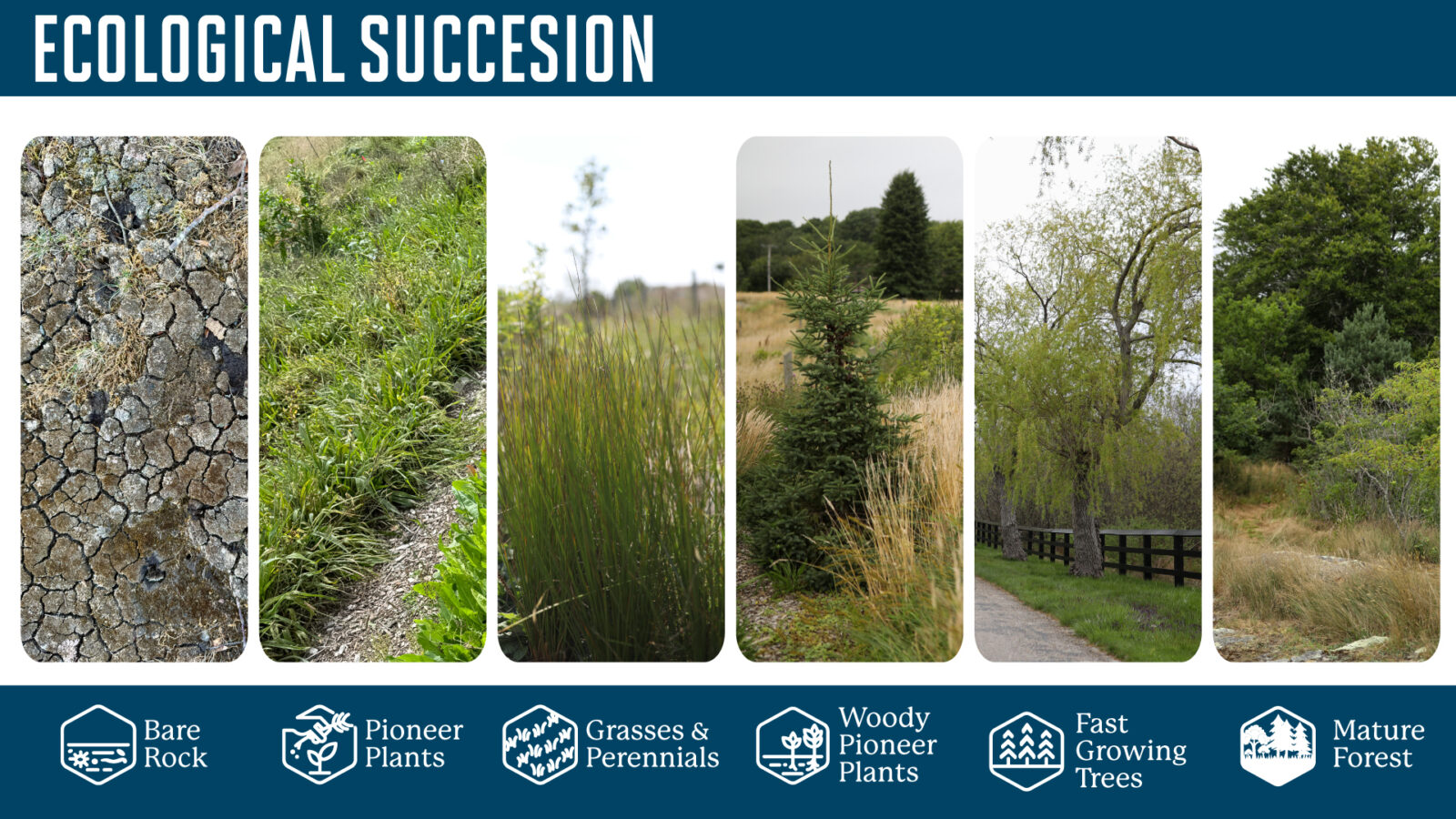
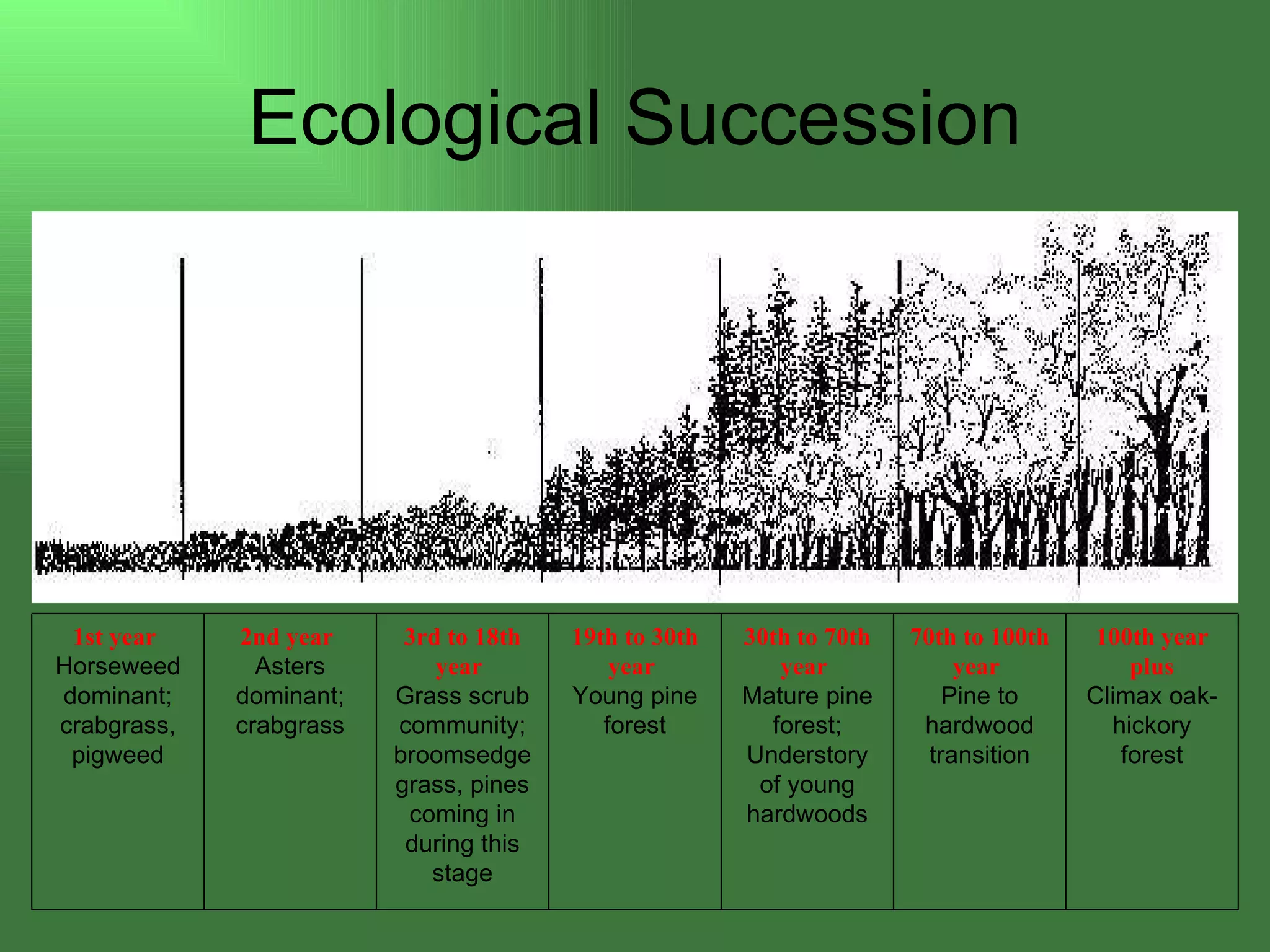
Garden ecological succession is the natural process by which plant communities and other living things change over time. Gardeners can guide this process by managing soil, choosing suitable native plants, reducing harmful disturbance, and allowing useful plants and wildlife to grow together.
Across the United States, a garden is always changing. A bare patch in an Iowa backyard may first fill with small weeds and grasses. Later, native flowers and taller plants may take hold. If the site stays undisturbed, shrubs or young trees may begin to grow. A similar garden in dry Arizona or coastal California may follow a very different path because its soil, rain, and local plants are different.
This slow change is called ecological succession. It happens when one group of living things changes the space and creates new chances for other groups to grow. Plants compete for light, water, and room. Their roots, leaves, and dead stems also affect the soil. Birds, insects, fungi, and soil life play a part as well.
Gardeners do not need to stop this process or let every plant grow without care. The goal is to guide change toward a healthy garden that fits the local climate and the space available. A well-planned garden can support flowers, food, shade, soil life, and wildlife at the same time.
Source: oceanhourfarm.org
What Is Garden Ecological Succession?
Garden ecological succession is the process through which plant and animal groups change in a garden over time. Some plants arrive first because they can grow in open soil. Others appear later as the site gains shade, plant cover, and more organic matter. Each group affects the space in ways that can help or limit the next group.
Think of a garden as a living team. Each plant has a role. Some plants cover bare soil. Some add flowers for insects. Others make shade, hold soil with deep roots, or offer seeds and fruit to birds. As the garden changes, the mix of these roles changes too.
This process is not limited to forests or wild land. It can take place in a small flower bed, an empty lot, a lawn, a vegetable plot, or a large home landscape. Even a small patch can show signs of succession when plants spread, die, or make room for new growth.
Source: sarahashworth.co.uk
Plant community
A group of plant species that grow in the same place and affect one another.
Pioneer plants
Early plants that can grow in open or disturbed spaces and begin to shape the site.
Disturbance
An event or action that changes a plant community, such as digging, fire, mowing, flooding, or soil removal.
Seed bank
Seeds that remain in the soil and may grow when light, water, and other conditions are right.
Primary and Secondary Succession
There are two main forms of ecological succession. They differ in what was present before new growth began.
Primary succession starts on a surface with little or no soil. New rock, such as a fresh lava flow, is one example. Lichens and other small life forms may settle first. Over time, weathering and dead plant matter help build a thin layer of soil. More plants can then take root.
Secondary succession starts where a living community once grew. A garden after construction, a cleared yard, or an old farm field may show this type of change. Soil, roots, seeds, fungi, and other life may remain. These parts help new growth begin much faster than it would on bare rock.
Most home gardens follow secondary succession. Even when a bed looks empty, it may hold seeds, roots, soil life, and plant parts below the surface. These hidden parts can affect what grows next.
Primary succession
Begins on new surfaces with little or no developed soil.
Secondary succession
Begins after a change to an area where soil and parts of the former community remain.
Ecological Succession Is Not Succession Planting
These two terms sound alike, but they describe different things. Succession planting is a garden method. It means planting crops at different times so that new crops are ready as earlier crops finish.
Ecological succession is a wider natural process. It describes changes in the whole living community. It may include plants, insects, birds, fungi, and soil life. A gardener can use succession planting in a vegetable bed while ecological succession is also taking place in the soil and around the bed.
Succession planting
A planned method for keeping crops growing and ready to harvest.
Ecological succession
A natural change in the mix of living things in a place over time.
How Does Ecological Succession Change a Garden?
A garden often changes from open ground to a space with more plant cover and more layers. The first plants may be small and fast-growing. Later, grasses, flowers, shrubs, and trees may appear if the site can support them.
These stages are useful ways to understand the process. They are not fixed steps or a strict timetable. A dry garden may stay open for a long time. A wet garden may grow dense plants quite fast. A gardener who mows often may keep a meadow-like space in an early stage.
Source: fodderfarm.co.nz
Open ground
Sunlight reaches the soil, and many seeds have a chance to sprout.
Early plant growth
Fast-growing plants cover open areas and begin to change the soil.
More plant layers
Grasses, flowers, and longer-lived plants may become more common.
Shrubs and trees
Woody plants may grow where the climate, water, and space allow.
Early Colonizers Fill Open Space
The first plants in a disturbed garden are often called pioneer plants. They can grow in open soil and make use of the light and space that other plants have not yet claimed.
Some early plants are annuals. They grow, flower, make seeds, and die within one growing season. Others are short-lived perennials or grasses. Their roots can help hold soil in place. Their leaves and stems also become food for soil organisms as they break down.
Not every pioneer plant is useful. Some may be invasive or hard to control. The key is to learn which plants are growing before deciding what to keep or remove.
Annual flowers
They can grow fast and add flowers, seeds, and cover during one season.
Early grasses
Their roots can help hold loose soil and reduce bare ground.
Small native plants
They may offer food and cover for insects and other wildlife.
Perennials and Grasses Build More Cover
As a garden grows, longer-lived plants may take more space. Perennial flowers and native grasses can return year after year. Their roots may spread through the soil, and their leaves can shade the ground.
This change can make it harder for some small weed seeds to grow. It can also help the soil hold water. Dead leaves, roots, and stems add organic matter as they break down.
A garden with several plant types often has more than one bloom time. This can give bees, butterflies, and other insects food over a longer part of the year.
Perennial flowers
They return over many growing seasons and may fill gaps as they spread.
Native grasses and sedges
They add root cover, shelter, and seed for wildlife.
Ground covers
They can protect soil and reduce the space open to unwanted plants.
Shrubs and Trees May Form Later Layers
If the site remains open to woody growth, shrubs and young trees may take root. Their branches create shade. Their roots use water and nutrients from deeper soil layers. Their leaves also add organic matter when they fall.
This can change the types of plants that grow below them. Some sun-loving flowers may fade as shade grows. Shade-loving plants may then take their place. Birds may also visit more often when shrubs offer shelter, nesting sites, and fruit.
This shift is not always the best goal. A prairie garden, open meadow, or low-water planting may be healthier without trees. The right plant community depends on the place and the purpose of the garden.
Shrubs
They add height, shelter, flowers, and fruit in many garden settings.
Small trees
They can create shade and add a higher layer to the garden.
Shade plants
They may grow where taller plants reduce direct sunlight.
Why There Is No Fixed Final Stage
Older descriptions of succession often use the term climax community. This means a plant community thought to be a stable end point for a place. It can be a useful teaching idea, but real gardens and natural areas are more complex.
Fire, drought, floods, storms, pests, mowing, and human care can keep changing a site. Some plant groups may remain for many years because the local climate and natural disturbance support them. A grassland does not need to turn into a forest to be healthy.
For a home gardener, this means there is no need to force a bed toward one final look. A meadow, woodland edge, or flower bed can all be good outcomes when they fit the site.
Dynamic change
Plant groups may keep changing even when a garden looks stable.
Local conditions
Climate, soil, and natural disturbance can support open or wooded plant communities.
What Controls Garden Ecological Succession?
Three main forces help guide succession. First, a space must be open for plants to grow. Second, seeds, spores, and plant roots must be able to reach or remain in that space. Third, the plants must be able to grow under the local conditions.
These forces work together. A garden may have rich soil, but it will not grow a plant that never reaches the site. A seed may arrive, but it may fail if the soil is too dry or the shade is too deep. Small changes in garden care can alter the whole path.
Source: quizlet.com
Site availability
How much space is open for new plants to take root.
Species availability
Which seeds, roots, and other plant parts are present or can reach the site.
Species performance
How well each plant grows, survives, and makes new seeds under local conditions.
Soil and Water Set the Base
Soil affects which plants can grow. Its texture, depth, drainage, and nutrient levels all matter. Sandy soil drains fast. Clay soil can hold more water but may drain slowly. Rich soil may support fast growth, while poor soil may favor plants that need fewer nutrients.
Water can change the path of succession too. A low spot that stays wet may support sedges and other water-loving plants. A dry slope may favor grasses and plants with roots that can reach deeper water.
Soil life also matters. Earthworms, fungi, bacteria, and small insects help break down plant matter and move nutrients. Healthy soil is not just dirt. It is a living system that supports plant growth.
Soil texture
It affects drainage, air flow, and how much water the soil can hold.
Soil organic matter
It helps soil hold water and supports many soil organisms.
Water supply
It affects which plants can take root and survive.
Sunlight and Climate Shape Plant Growth
Sunlight changes as plants grow taller and wider. A sunny patch may become part shade as shrubs spread. This can reduce the growth of sun-loving plants and help shade plants take hold.
Climate also sets limits. A plant that grows well in a cool, wet part of the Northeast may fail in a hot, dry part of the Southwest. Frost, summer heat, wind, and rain all affect which plants can survive.
For this reason, gardeners should use plants suited to their local region and site. A native plant is often a useful choice because it evolved in the region’s natural conditions. Still, the plant must also fit the soil, light, and water in the exact garden spot.
Full sun
Often favors plants that need many hours of direct light.
Part shade
Can support a mix of sun-loving and shade-tolerant plants.
Full shade
Favors plants that can grow with less direct sunlight.
Seeds and Nearby Plants Affect What Arrives
Plants can reach a garden in many ways. Wind may carry light seeds over a fence. Birds may drop seeds after eating fruit. Water may move seeds across the soil. Gardeners may also bring seeds in soil, compost, mulch, or new plants.
The plants already growing nearby can have a strong effect. A yard next to a healthy native meadow may receive seeds from many local flowers and grasses. A yard surrounded by lawns and paved areas may have fewer sources of native seed.
This is why planting a few well-chosen native species can help guide change. They add a local seed source and may make the garden more useful to nearby wildlife.
Wind
Can carry small and light seeds into open spaces.
Wildlife
Birds and other animals can move seeds from one place to another.
Garden activity
Soil, compost, tools, and new plants can bring seeds into a garden.
Disturbance and Competition Change the Balance
Digging, mowing, tilling, and pulling plants all create change. These actions may remove some plants and open space for others. They can also bring buried seeds closer to the soil surface, where light and water may help them sprout.
Competition matters as well. Plants compete for light, water, nutrients, and room. A tall plant may shade a small one. A thick root system may use much of the water in the soil. Some plants also help others by giving shade or shelter.
Animals and soil life add more links. Insects pollinate flowers. Birds spread seeds. Fungi can help plant roots take in nutrients. These links can speed up or slow down the change in a garden.
Frequent mowing
Can keep a garden open and favor plants that grow back after cutting.
Repeated digging
Can disturb roots and bring buried weed seeds to the surface.
Plant cover
Can reduce open soil and limit the space for new weeds.
How to Guide Ecological Succession in Your Garden
You can guide succession by choosing which plants to support and how much disturbance to allow. Start with the site you have. Then make small changes that help the plant community move toward your goal.
A useful plan does not require a full garden rebuild. You can work in one bed or one small patch. Watch what grows, keep useful plants, and remove plants that cause harm. Over time, these choices can shape a healthier garden.
Source: slideshare.net
Set a clear goal
Decide whether you want a meadow, flower bed, woodland edge, food garden, or wildlife space.
Learn the site
Check soil, light, water, slope, and the plants already growing there.
Use native plants that fit the site and provide useful cover, flowers, seeds, or fruit.
Keep track of change
Watch plant cover, new growth, weeds, and signs of wildlife.
Step 1: Study the Garden Before You Change It
Walk through the garden at different times of the day. Note where the sun falls and where water collects after rain. Look for dry spots, wet spots, bare soil, and areas with thick plant growth.
Name the plants you can identify. Mark the plants you do not know. Do not pull every unknown plant at once. Some may be useful native plants that have arrived on their own.
You can take a photo from the same spot each month. This gives you a simple way to see which plants spread, which ones fade, and where new growth begins.
Check the soil
Look at drainage, texture, and signs of compaction.
Map the light
Note areas with full sun, part shade, and full shade.
The amount of disturbance should match your garden goal. A vegetable bed may need regular digging and crop changes. A native meadow may need less frequent mowing. A woodland garden may need only light care once plants are established.
Avoid digging the whole bed when you only need to remove a few weeds. Small, careful changes can protect roots and soil life. They also reduce the number of open spaces where unwanted seeds can grow.
If you want to keep an open meadow, planned mowing may help stop shrubs and trees from taking over. If you want a woodland edge, you may allow some young shrubs to grow while removing plants that spread too fast.
Limit deep tilling
It can harm roots, disturb soil life, and bring buried seeds to the surface.
Mow with a purpose
Use mowing to manage height and woody growth, not as a cure for every weed.
Keep some plant cover
Avoid leaving large areas of soil bare for long periods.
Step 3: Add Plants That Fit Your Local Area
Choose plants based on your region, soil, sunlight, and water. Local native plant lists from state extension services, native plant groups, and local botanical gardens can help. A plant that is native to one part of the United States may not be native to another.
Try to include plants with different heights and bloom times. Native asters and goldenrods can offer late-season flowers in many regions, but the right species will depend on your location. Native grasses and sedges can add root cover and shelter.
Use a mix of plant types rather than one large group of a single species. This can help create a garden with different food sources and places for wildlife to rest and hide.
Low plants
Can cover soil and fill gaps near the ground.
Flowering plants
Can provide nectar, pollen, and seeds at different times.
Grasses and sedges
Can add roots, cover, and shelter for small wildlife.
Shrubs
Can provide flowers, fruit, nesting cover, and shade when space allows.
Step 4: Protect Soil and Support Wildlife
Healthy soil helps a garden handle change. Leave some healthy plant matter on the soil when it is safe and useful to do so. Leaves can break down and return nutrients. Roots can help hold the soil in place.
You can leave some standing stems through winter. Many insects use old stems and plant litter for shelter. Some birds also feed on seeds that remain on dry flowers. Do not remove every dead stem as soon as flowers fade.
Water plants based on their needs while they become established. Once suitable native plants have deep roots, some may need less extra water. Avoid using broad pesticide treatments that can harm useful insects along with pests.
Keep leaf litter
Leave a suitable layer in beds where it will not block plant growth or create a safety issue.
Keep some stems
Allow selected dry stems and seed heads to remain for shelter and food.
Reduce chemical use
Use careful plant checks and targeted methods before turning to pesticides.
Water with care
Give new plants enough water to establish without keeping the soil too wet.
Step 5: Watch, Learn, and Make Small Changes
Succession is not a one-time garden job. It is a process that needs some care and review. Check the garden during each growing season. Note which plants are spreading and which ones are failing.
If a useful native plant is growing well, give it room. If an invasive plant is spreading, remove it before it makes more seeds when practical. If a bed becomes too crowded, thin selected plants rather than clearing the whole area.
Change your plan when the site gives you new facts. A bed that stays wet may need a different plant mix. A sunny patch that has become shady may need more shade-tolerant plants. Good garden care follows what the site can support.
Keep photo records
Use the same view to compare plant growth over time.
Check for invasive plants
Look for fast spread, new seedlings, and plants that crowd out other species.
Replace failed plants
Choose a better match for the soil, light, and water instead of repeating the same mistake.
Garden Succession Examples, Signs of Success, and Common Problems
The best way to understand succession is to watch a real garden change. Each site has its own pace, but simple examples can show what may happen when plants and garden care change over time.
A good result does not always mean more plants or taller plants. It means the garden is moving toward the goal you chose. A native meadow may be successful when it stays open and supports flowers. A woodland bed may be successful when its shade plants grow well under shrubs and trees.
Source: biologynotesonline.com
More useful plant cover
Healthy plants cover soil and leave fewer open spaces for unwanted growth.
Steady plant growth
Plants return and spread at a rate that fits the garden plan.
More habitat layers
Flowers, grasses, shrubs, and trees provide different places for wildlife.
Less need for major repair
The garden holds its shape with less digging and fewer large changes.
A Simple Example of Garden Succession
Imagine a small patch of lawn in a U.S. backyard. The owner stops mowing one part of the lawn and removes a few unwanted plants. The soil is still in place, and seeds from nearby plants can reach the open area.
During the first growing season, small annual plants and grasses may appear. The owner learns which ones are local plants and removes any harmful invasive species. Some open spaces are then planted with native flowers and grasses.
Over the next few growing seasons, the planted flowers become larger. Some spread by seed, while others spread through roots. More insects visit the flowers. Dry stems and leaves add shelter and organic matter.
Later, young shrubs may appear along the edge. The owner keeps some where shade and shelter are useful but removes others to protect the open meadow. The result is a mixed garden with clear open areas and a few woody plants.
This is a hypothetical example, not a fixed schedule. The plants and timing will depend on local weather, soil, nearby seed sources, and garden care.
Early stage
Open soil supports fast-growing plants and grasses.
Middle stage
Native flowers and longer-lived plants fill more of the space.
Later stage
Shrubs may appear, and the gardener decides which ones fit the goal.
How to Know If Succession Is Working
Look for steady change that supports your goal. A garden does not need to look wild or untidy to support natural processes. It can still have paths, clear edges, and planned beds.
Check the soil after rain. Healthy plant cover can help reduce soil loss. Look for new native plants, healthy roots, and signs that the garden supports insects and birds. Also check whether the plants you want are able to grow without too much crowding.
Wildlife visits can be a useful sign, but they are not the only measure. A single bee or bird visit does not prove that a garden is healthy. Look at the full picture, including plant growth, habitat, soil cover, and the spread of unwanted species.
Soil stays covered
Fewer bare patches remain exposed to wind and rain.
Plants reproduce
Suitable plants make new seeds or spread through healthy roots.
Wildlife has resources
The garden offers flowers, seeds, shelter, or other useful habitat.
The garden stays balanced
No single unwanted plant takes over the whole space.
Common Problems and How to Fix Them
A garden may not change as you expect. That does not mean succession has failed. It may mean one of the main needs for plant growth is missing or that a few plants have become too strong.
Problem: Fast-growing weeds take over
Possible cause: Open soil, frequent disturbance, or a large seed bank. Fix: Identify the plants first, remove invasive species before they set seed, and add suitable ground cover. Avoid deep digging when it is not needed.
Problem: New plants do not grow
Possible cause: Poor seed supply, dry soil, deep shade, or unsuitable soil. Fix: Check the site and plant species that match the local conditions. Add new plants when natural seed spread is too slow.
Problem: Shrubs spread too far
Possible cause: The garden is moving toward more woody growth. Fix: Remove selected seedlings or prune suitable shrubs. Keep the open areas needed for flowers and grasses.
Problem: Soil stays bare
Possible cause: Poor plant growth, erosion, or repeated clearing. Fix: Check water and soil conditions. Add suitable plants or mulch, and reduce needless disturbance.
Problem: One plant crowds out the rest
Possible cause: A strong spreader has gained too much space. Fix: Thin it when needed and add other plants that suit the same site. Learn whether the spreader is native or invasive before taking action.
Important Limits and Safety Points
Not every natural change is good for a garden. Invasive plants can spread fast and push out local species. Some plants may be toxic, have sharp parts, or cause skin reactions. Learn what is growing before you touch or remove it.
Do not burn garden waste or use fire to copy natural disturbance. Fire can spread, harm wildlife, and damage homes. Any planned burn must follow local rules and be handled by trained people where permitted.
Use care with herbicides and other garden chemicals. Follow the full product label and local rules. Do not assume that a product is safe for pollinators, pets, people, or nearby water just because it is sold for garden use.
If a site has serious erosion, polluted soil, drainage issues, or protected wildlife, seek advice from a local extension office or qualified professional before making major changes.
Identify plants first
Avoid removing useful native plants or touching unknown plants that may cause harm.
Protect local habitats
Check local rules before removing plants or changing natural areas.
Avoid unsafe burning
Do not use open fire as a home method for managing succession.
Use chemicals with care
Follow labels and choose targeted methods that reduce harm to other living things.
Frequently Asked Questions
Q
How long does ecological succession take in a garden?
There is no set time. Small changes may happen within one growing season, while larger changes can take many years. Soil, climate, plant types, water, and garden care all affect the speed. A dry garden may change more slowly than a warm, wet garden.
Q
Does every garden eventually become a forest?
No. Some gardens may develop shrubs and trees, but others can remain meadows, grasslands, or open flower beds. Climate, soil, water, and natural disturbance help decide which plant community can last. Regular mowing or careful plant removal can also help maintain open spaces.
Q
Should I remove all weeds during garden succession?
No. First, learn which plants are growing. Some plants that look like weeds may be useful native flowers or grasses. Remove invasive plants and species that cause harm, but keep suitable plants that support soil cover and local wildlife.
Q
Can native plants help ecological succession?
Yes. Native plants suited to the local site can provide seeds, flowers, roots, and shelter. They can also help build a plant community that fits local climate and wildlife needs. Choose species based on your region, soil, sunlight, and water rather than using the same plant list everywhere.
Q
How can I encourage succession without losing control of my garden?
Set clear goals and manage the garden in small areas. Keep useful native plants, remove harmful invasive plants, and allow selected flowers and grasses to spread. Prune or remove young shrubs when they no longer fit the plan. This lets natural change take place while keeping the garden neat and useful.
✦ Wrapping Up
Conclusion
Garden ecological succession is a natural process that changes the mix of plants and wildlife over time. It begins with open space and continues as plants grow, spread, and affect the soil and light. The path depends on local climate, water, soil, seeds, wildlife, and garden care.
You do not need to control every part of this process. Start by learning what grows in your garden and what the site can support. Keep useful plants, choose suitable native species, protect the soil, and remove harmful plants when needed. Small steps can help build a garden that grows well and gives local wildlife more places to live.
💡 Key Takeaway
Choose one small garden area to observe this month. Record its soil, light, water, and plant types. Identify useful native plants and unwanted invasive species. Then make one small change that supports your garden goal, and watch how the plant community responds.