
Garden Nesting Habitat For Beneficial Wildlife: A Guide
Plan a garden nesting habitat for beneficial wildlife with native plants, safe nest sites, bare soil, leaf litter, and practical care tips.
Plan a garden nesting habitat for beneficial wildlife with native plants, safe nest sites, bare soil, leaf litter, and practical care tips.
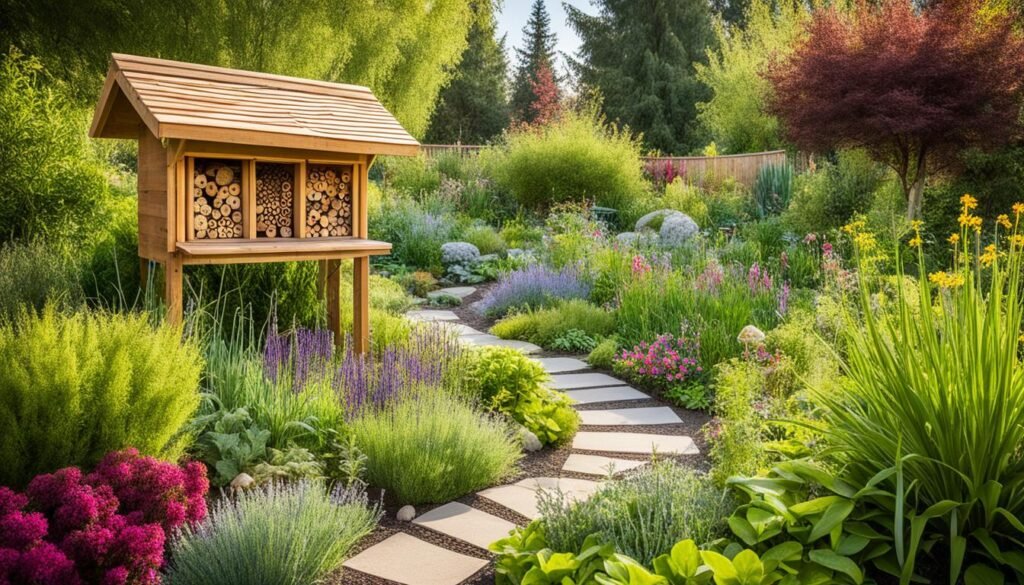
Plan garden wildlife habitat structure with native plant layers, safe water, nesting cover, and seasonal care for birds, pollinators, and local wildlife.

Use garden tree canopy planning to map shade, choose trees by mature size, protect roots, and create a healthy, balanced garden for every season.
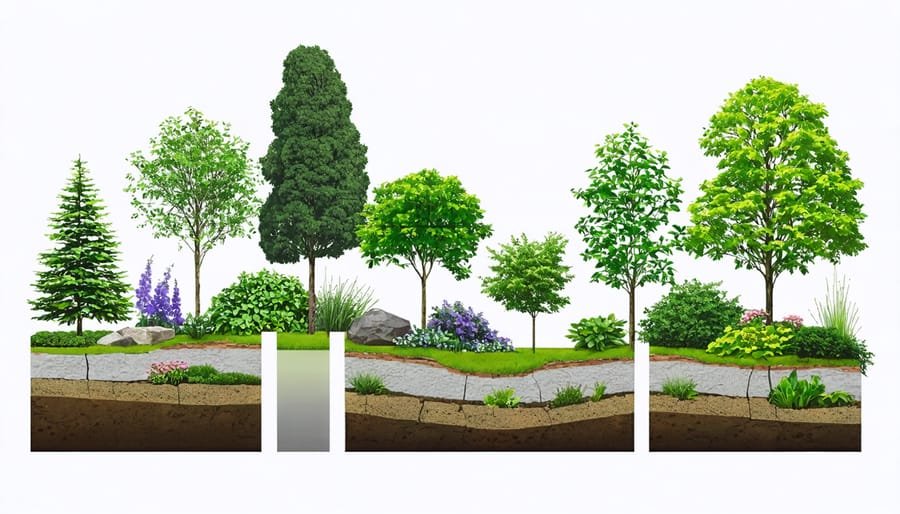
Plan a healthy shrub layer with smart spacing, site checks, native plant choices, and practical steps for a beautiful, balanced U.S. garden.

Build a garden pollinator nesting habitat with bare soil, native stems, logs, leaf litter, and safe care that supports bees and butterflies.
Plan garden nectar and pollen resources with native flowers, overlapping bloom times, and safer care that feeds pollinators from spring through fall.

Garden pollinator season planning helps you map local bloom times, fill food gaps, and support bees, butterflies, and other pollinators all year.
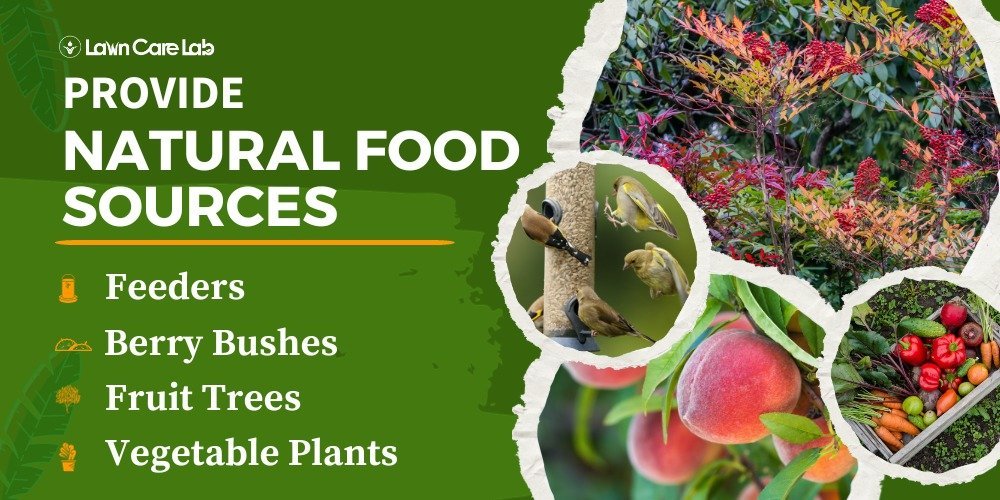
Plan garden food sources for garden wildlife with native flowers, host plants, berries, seeds, and year-round food for birds, bees, and other visitors.

Garden food web relationships connect plants, insects, birds, and soil life. Learn how these natural links work and support a balanced U.S. garden.

Garden predator-prey relationships in gardens show how wildlife keeps food webs in balance. Learn which species help and how to protect them.