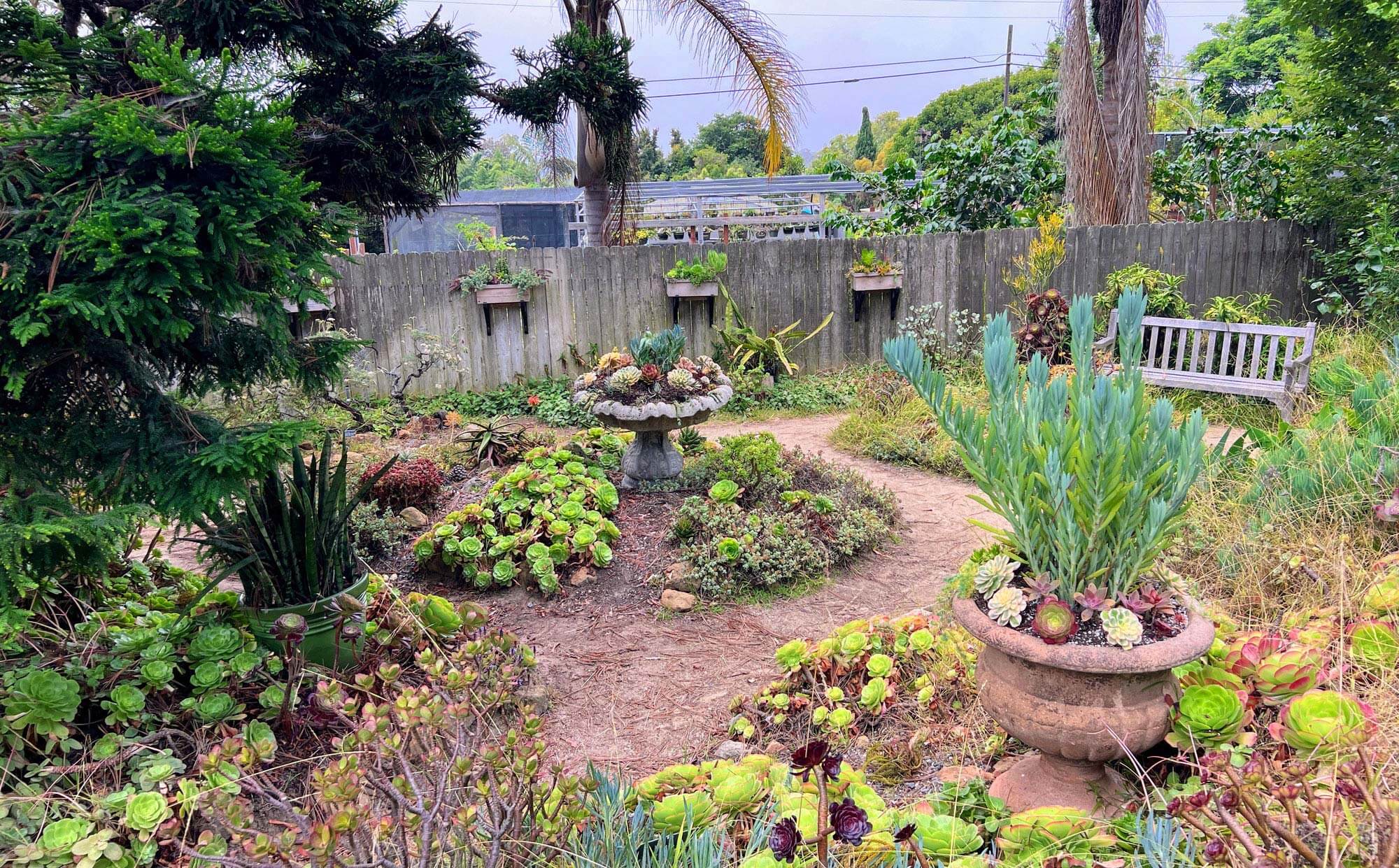
Garden wildlife habitat structure is the way trees, shrubs, flowers, grasses, leaf litter, rocks, logs, and water work together to give local wildlife food, shelter, nesting sites, and safe places to rest. A strong design uses several natural layers and keeps them connected throughout the yard.
Across the United States, a backyard in New England faces different wildlife needs than a garden in Florida, Texas, California, or the Great Plains. Soil, rainfall, heat, cold, and local animal species all affect how a habitat garden should look. Yet the same basic idea works in every region: give wildlife more than flowers. Build a living space with trees, shrubs, low plants, natural ground cover, and safe water.
Think of a wildlife garden as a small natural community. A tree can offer shade and nesting space. Shrubs can protect birds from wind and predators. Flowers can feed bees and butterflies. Fallen leaves and old logs can shelter insects and other small animals. When these parts work together, even a small home garden can offer useful habitat. The goal is not to make every part of the yard look wild. It is to make room for nature while keeping the space safe and easy to manage.
Source: pinterest.com
What Garden Wildlife Habitat Structure Means
Garden wildlife habitat structure describes the physical parts of a garden and how they fit together. It includes plant height, plant density, open ground, shelter, water, and natural materials. These features affect which animals can find food, hide from danger, rest, breed, and survive through cold or dry periods.
A garden with only short grass and a few flowers offers limited shelter. It may attract visiting insects, but it has few places for animals to hide or raise young. A garden with trees, shrubs, flowers, grasses, and natural ground cover offers more choices. Different animals can use different parts of the same space.
The University of Florida Institute of Food and Agricultural Sciences explains habitat layering as a way to copy useful features of natural areas. Its guidance covers the ground layer, herbaceous plants, shrubs, understory trees, and the upper canopy. These layers can support feeding, nesting, and resting.
Source: adontoday.my
Vertical structure
This means the different heights of plants and other features. Trees, shrubs, tall grasses, flowers, and ground covers create places for animals at many levels.
Horizontal structure
This means how habitat features spread across the yard. Plant groups, garden edges, shaded corners, and open patches give wildlife more ways to move and feed.
Natural ground structure
Leaves, soil, roots, stones, fallen branches, and decaying wood support insects, fungi, soil life, and small animals.
Seasonal structure
Plants and natural materials change through the year. A useful garden keeps some food and shelter available during spring, summer, fall, and winter.
Why Structure Matters More Than Flower Count
Flowers are valuable, but they meet only part of an animal’s needs. A butterfly may visit a flower for nectar, yet its young may need a certain host plant. A bird may eat seeds from a flower head, but it also needs a safe shrub or tree for cover.
The same rule applies to many other animals. Ground beetles need places to hide near the soil. Native bees may need bare ground or old plant stems. Frogs and toads need cool, damp cover. A garden with varied structure supports more life stages than a flower bed alone.
Think about the full life cycle
Provide resources for feeding, shelter, breeding, and survival during inactive seasons.
Keep useful natural features
Do not remove every leaf, stem, branch, or stone simply because it looks less tidy.
Build the Vertical Layers From the Ground Up
The best way to build vertical habitat is to plan from the soil upward. Start with natural ground cover. Add low plants, grasses, shrubs, small trees, and larger trees where space allows. Each layer should offer a useful resource and fit the conditions of the site.
You do not need every layer in every garden. A small urban yard may have a few native shrubs, container plants, and a small tree. A larger yard may support a full mix of woodland, meadow, and open garden areas. The right design depends on space, local wildlife, and the plants that can grow well there.
Source: pinterest.com
Ground layer
Use leaf litter, low ground covers, stones, and suitable patches of open soil to support small animals and insects.
Herbaceous layer
Add native flowers, ferns, sedges, and grasses that provide nectar, pollen, seeds, host plants, and cover.
Shrub layer
Use native shrubs for nesting, fruit, seeds, shade, and protection from wind.
Understory layer
Small trees and young canopy trees add height, flowers, fruit, branches, and nesting options.
Canopy layer
Suitable mature trees provide shade, food, shelter, and long-term habitat for many kinds of wildlife.
Create a Healthy Tree Canopy
Large trees form the upper layer of many natural habitats. Their branches give birds places to perch and nest. Their leaves shade the soil and reduce direct heat. Their flowers, seeds, fruit, bark, and insects can also provide food for different animals.
Choose trees that can reach their mature size without crowding buildings, power lines, paths, or nearby plants. Check the mature height and spread before planting. A small tree in a tight space may be a better choice than a large tree that needs repeated cutting.
Native trees are often a useful starting point because local insects and birds may depend on them. Choose species that fit your region rather than relying on a general list of popular garden trees.
Keep mature trees when safe
Existing healthy trees already provide years of growth and habitat. Avoid removing them without a clear need.
Plan for future shade
Consider how the tree will change sunlight, soil moisture, and plant growth as it becomes larger.
Protect tree roots
Avoid deep digging, heavy soil compaction, and frequent changes to the ground around established trees.
Add Understory Trees and Shrubs
The space below the canopy is useful for wildlife. Small trees and shrubs create a middle layer between the tall branches and the ground. Birds can use these plants to rest, hide, search for insects, and build nests.
Plant shrubs in groups when space allows. A group can provide better cover than one isolated shrub. A mix of flowering, fruiting, and evergreen plants can also provide resources at different times of the year.
Leave enough room for each plant to reach its natural size. Overcrowding can lead to poor air flow, weak growth, and more pruning. A layered garden should feel full without forcing every plant into the same small space.
Choose several plant types
Combine shrubs that offer berries, flowers, dense branches, or evergreen cover.
Create protected corners
Use shrub groups near fences or property edges to form sheltered areas for small wildlife.
Avoid invasive shrubs
Check state and local invasive plant lists before buying or sharing plants.
Fill the Middle and Lower Layers With Native Plants
Flowers, grasses, sedges, and other low plants fill the space below shrubs. They provide nectar and pollen for adult insects. Some also provide leaves for caterpillars and other plant-eating insects. Their stems and seed heads can offer food and shelter after flowering ends.
Use plants with different bloom times. Early flowers can support insects when little else is open. Summer flowers offer food during warm months. Fall flowers help late-season pollinators and other wildlife.
Grasses and sedges add more than visual texture. Their roots help hold soil. Their leaves create cool hiding places. Dense clumps can shelter insects and small animals from wind and predators.
Mix bloom times
Select early, middle, and late-season flowers to reduce gaps in food supply.
Use different plant forms
Combine upright flowers, clumping grasses, spreading ground covers, and plants with seed heads.
Keep some stems standing
Leave suitable perennial stems through winter so insects can use them for shelter and nesting.
Keep the Ground Layer Alive
The ground layer is one of the most useful parts of a wildlife garden. It may look simple, but it contains many small habitats. Soil, leaves, roots, stones, old stems, and decaying wood can support insects and other animals throughout the year.
A common mistake is to keep the entire garden bare and clean. Frequent raking, heavy mulching, and the removal of every dead stem can remove shelter and nesting sites. Keep paths and active areas neat, but allow some garden beds and quiet corners to remain more natural.
The Xerces Society explains that many native bees use soil for nesting, while others use cavities in dead wood or plant stems. Its guidance also describes the value of leaf litter, brush piles, and other natural materials for insects and beneficial wildlife.
Source: in.pinterest.com
Leave selected leaf litter
Keep fallen leaves under trees and shrubs or move them to a quiet garden bed. They help protect soil and provide shelter for small wildlife.
Save suitable hollow stems
Leave healthy perennial stems standing through winter. Cut them back gradually in spring when local conditions are warm enough.
Keep patches of bare soil
Some native bees need open, well-drained soil for nesting. Avoid covering every suitable patch with thick bark mulch.
Add natural stones
Rock groups can provide shade, warm resting spots, and hiding places for insects and small reptiles.
Use logs and branches
Safe, untreated pieces of dead wood can support fungi, insects, and animals that use cracks or sheltered spaces.
Create a Safe Brush or Log Pile
A brush pile can turn ordinary garden waste into useful habitat. It can provide cover for small birds, insects, amphibians, and other animals. The spaces between branches create places to hide from weather and predators.
Choose a quiet corner away from buildings, outdoor cooking areas, and busy play spaces. Use clean, untreated branches and keep the pile stable. Do not use painted wood, treated timber, plastic, or material that may contain harmful chemicals.
Use a mix of branch sizes
Larger branches can form the base, while smaller branches create extra shelter and spaces above.
Keep the pile stable
Arrange branches so they will not roll or fall into paths or areas used by people and pets.
Check local fire rules
Keep dry brush away from buildings and ignition sources. In fire-prone areas, follow local fire-safe landscaping guidance.
Protect Soil-Nesting Bees
Many native bees do not live in hives. They build small nests in soil. Some prefer bare or lightly covered ground in sunny, well-drained places. Thick mulch, pavement, and frequent digging can remove the space they need.
Xerces Society guidance gives a useful general estimate: roughly 70% of native bee species nest in the ground, while many others use cavities in wood or stems. These figures are broad estimates, not a rule for every region or bee species.
Leave a few small areas of suitable soil undisturbed. Do not till these patches or spray them with pesticides. Keep them away from heavy foot traffic so nests are less likely to be damaged.
Avoid thick mulch everywhere
Use mulch where it helps plants, but keep some suitable soil patches open for ground-nesting wildlife.
Reduce soil disturbance
Do not dig, rake, or turn the soil in known nesting areas during active nesting periods.
Watch before changing the site
Observe small holes and bee activity before adding soil, water, or new plants.
Add Food, Water, and Places to Raise Young
A wildlife garden needs more than shelter. Animals also need reliable food, safe water, and places where they can reproduce. These resources should work with the physical layers rather than sit apart from them.
The National Wildlife Federation uses four main habitat needs in its Certified Wildlife Habitat program: food, water, cover, and places to raise young. Its checklist also includes sustainable gardening practices. This is a useful planning framework, although its certification counts are program criteria rather than universal biological rules.
The best food supply starts with suitable plants. Flowers provide nectar and pollen. Host plants feed caterpillars. Trees and shrubs can offer fruit, nuts, and seeds. Insects that use these plants can also become food for birds, bats, and other animals.
Source: lyngsogarden.com
Food
Use native plants that provide nectar, pollen, leaves, seeds, nuts, and fruit at different times of the year.
Water
Provide a clean and safe water source, such as a shallow birdbath, suitable water garden, or properly designed pond.
Cover
Use trees, shrubs, grasses, leaves, brush, logs, and rocks to provide shelter from weather and predators.
Places to raise young
Provide host plants, suitable nesting areas, sheltered branches, soil, stems, and other natural breeding resources.
Choose Plants That Feed Local Wildlife
Native plants are often the best starting point for a wildlife garden. They evolved in local ecosystems and may support insects that depend on particular plant groups. Those insects then provide food for other animals.
Do not choose plants by flower color alone. Check their role in the local food web. A useful plant may support caterpillars, offer seeds in fall, produce fruit in winter, or provide shelter even when it is not flowering.
The National Wildlife Federation recommends that habitat gardens strive for 70% native plants. Treat this as a useful program goal, not a fixed requirement for every garden. The best plant mix depends on your location and growing conditions.
Check local plant lists
Use state native plant societies, university extension services, and trusted regional plant databases.
Include host plants
Choose plants that local butterflies and moths need for their young, not only flowers that adult insects visit.
Plan for more than one season
Combine plants that flower, fruit, or produce seeds at different times.
Provide Clean and Safe Water
Water supports drinking, bathing, and, for some animals, breeding. A shallow birdbath can work in a small yard. A larger property may have room for a rain garden, seasonal pool, or wildlife pond.
Keep water clean and easy to reach. Add stones or gently sloped edges where suitable so small animals can approach and leave. Change and clean small water containers often, especially during warm weather, to limit algae and mosquito breeding.
A pond needs more planning than a simple dish. Think about drainage, depth, local wildlife, child safety, and maintenance before you build one. Do not add fish or release animals into a pond without understanding the effect on local species.
Use shallow access points
Provide shallow areas, stones, or other safe access where wildlife can drink without becoming trapped.
Keep water fresh
Scrub and refill small containers on a regular schedule and remove leaves or waste that build up.
Plan for dry periods
Choose a water source you can maintain during summer heat and periods without rain.
Create Natural Nesting and Breeding Areas
Different animals use different nesting places. Some birds nest in trees and shrubs. Some native bees use soil or hollow stems. Frogs may need moist shelter and access to suitable water. Butterflies need host plants for their eggs and caterpillars.
Natural nesting resources should come first. A healthy tree, a dense shrub group, a patch of bare soil, or a quiet area with fallen leaves may be more useful than an artificial box. Nest boxes and bee houses can add support, but they need correct placement and regular care.
Avoid handling nests or moving animals. If you find an active nest, give it space. Check local wildlife rules before removing or changing a feature that may contain protected wildlife.
Protect host plants
Allow suitable leaves to support caterpillars instead of removing every sign of insect feeding.
Keep nesting areas quiet
Limit pruning, digging, and heavy foot traffic around active nesting sites.
Maintain artificial nest features
Follow species-specific guidance for cleaning, repair, and placement of bird or bee nesting structures.
Connect Habitat Features Across the Yard
Wildlife needs room to move between food, water, and shelter. A garden with several useful features can still be difficult to use if every feature stands alone. Connect planted areas with shrubs, grasses, ground covers, or other safe routes.
Plant groups or islands can help break up large areas of open lawn. They provide small sheltered spaces where birds and ground-dwelling animals can rest or feed. When these groups sit near one another, they may form a more useful path across the garden.
The University of Florida guidance supports grouping plants instead of placing every plant in a thin, isolated row. The University of Delaware Cooperative Extension also describes how tree, shrub, and ground layers provide different types of cover. Together, these ideas support a garden with both vertical and horizontal structure.
Source: redemptionpermaculture.com
Join planting areas
Use shrubs, grasses, or ground covers to connect separate beds where space and site conditions allow.
Create sheltered edges
Use suitable native plants along fences and property boundaries to create cover and reduce exposed gaps.
Keep some open spaces
Not all wildlife needs dense cover. Some species use sunny, open ground for feeding, nesting, or resting.
Protect movement routes
Keep paths, gates, and active areas clear while allowing quieter garden edges to support wildlife.
Use Garden Edges With Care
The edge between two different garden areas can support several types of wildlife. A sunny flower bed beside a shrub group offers food and shelter close together. A shaded area beside a sunny patch gives animals more choices as weather and seasons change.
Try to create gradual changes in plant height instead of abrupt changes from short grass to a tall wall of plants. This can make the garden feel more natural and give small animals more cover.
However, a thick border is not always the best choice. Keep views open near driveways, gates, roads, and walkways. Choose a layout that protects wildlife without creating hidden spaces where people may trip or where pests may settle near buildings.
Use mixed planting
Combine low plants, grasses, shrubs, and small trees where the site can support them.
Respect sight lines
Keep tall or dense planting away from places where clear views are needed for safety.
Adapt the Structure to Small Gardens
A small garden can still provide useful habitat. You do not need a large tree, a pond, or a full woodland layer to make a difference. A few native plants, a sheltered corner, a clean shallow water source, and some natural ground cover can meet several needs.
Use vertical space when ground space is limited. A small native tree or tall shrub can create height. Low plants can cover the soil below it. A container garden can provide flowers, although it should not replace suitable soil or natural nesting areas when those are needed.
The National Wildlife Federation notes that habitat features can be created in spaces ranging from large yards to balconies. The important point is to choose features that fit the space and support local wildlife.
Start with a native plant group
Choose a small mix of plants with different heights and bloom times.
Use one natural shelter feature
A safe log, stone group, or small leaf-litter area can add habitat without taking much room.
Reduce unused lawn
Replace a small part of turf with a native planting bed that provides more food and shelter.
Plan and Build the Garden in Clear Steps
A useful habitat garden starts with observation, not shopping. Look at the yard before you change it. Existing trees, damp spots, sunny areas, fences, and natural ground cover may already provide valuable habitat.
Make a simple drawing of the space. Mark the house, paths, utility lines, existing trees, water flow, and areas used by people and pets. Then decide which habitat features are missing and where they can fit.
Step 1: Study the site
Record sunlight, shade, soil type, drainage, wind, and existing plants. Note where water collects and where the ground dries quickly.
Step 2: Identify local wildlife
Observe birds, insects, and other animals that already visit. Use regional wildlife resources to learn which species may use the space.
Step 3: Set a habitat goal
Choose a main goal, such as supporting native bees, providing bird cover, or creating a mixed habitat for several local species.
Step 4: Plan the layers
Mark where trees, shrubs, flowers, grasses, ground covers, leaf litter, and natural materials can go.
Step 5: Choose suitable plants
Select native plants that fit the site’s light, moisture, soil, and available space. Check mature plant size before buying.
Step 6: Add water and shelter
Install a safe water source and add suitable natural features such as logs, stones, or a protected brush pile.
Step 7: Protect the habitat
Reduce pesticide use, control invasive plants, limit unnecessary lighting, and keep active wildlife areas undisturbed.
Step 8: Observe and adjust
Watch which plants and features wildlife uses. Improve weak areas over time instead of changing the whole garden at once.
A Simple Example for a Residential Yard
Imagine a home with a small lawn, one mature tree, and a sunny fence line. The owner wants to support birds, native bees, and butterflies without losing the main walking path.
The owner keeps the mature tree, adds a group of native shrubs along part of the fence, and plants native flowers and grasses in a sunny bed. A small patch of suitable bare soil is left undisturbed for ground-nesting bees. Fallen leaves stay under the shrubs, and a clean shallow birdbath sits in a place that is easy to maintain.
This example uses several habitat features without filling the entire yard. The lawn remains where it is useful. The path stays open. The new planting area creates more food, cover, and nesting opportunities.
Main habitat features
One mature tree, a shrub group, a mixed native flower bed, an open soil patch, leaf litter, and a shallow water source.
Main design benefit
The garden offers different resources in a small area while keeping access and routine yard use in mind.
Signs That the Habitat Is Working
Look for signs of use rather than expecting every animal to appear at once. Bees may visit flowers. Birds may search through leaves or rest in shrubs. Caterpillars may feed on host plants. Small insects may use stems and dead wood.
A quiet garden can still be useful. Some animals are active at night or stay hidden for much of the day. Lack of visible wildlife during one visit does not prove that the habitat has failed.
More types of wildlife activity
Notice different insects, birds, and other local animals using the garden over time.
Healthy plant growth
Native plants should grow in a way that matches their normal site needs and seasonal patterns.
Useful natural materials remain
Leaf litter, suitable stems, soil patches, and safe deadwood remain available where needed.
Less need for constant intervention
Well-matched plants and stable habitat areas may need less frequent watering, cutting, and replacement after establishment.
Care for the Habitat Through the Year
Wildlife habitat needs care, but it does not need constant cleaning. The best approach is to maintain different parts of the garden at different times. Keep active nesting areas quiet and avoid removing all natural material at once.
The Xerces Society recommends practices such as leaving leaves and saving plant stems to support nesting and overwintering insects. These steps can also protect soil and reduce the need to remove useful garden material.
A seasonal plan helps balance garden health with wildlife needs. The exact timing depends on your climate, plant species, and local wildlife activity. Use regional guidance when deciding when to prune, cut stems, or disturb the soil.
Spring
Inspect plants as growth begins. Delay cutting old stems until suitable conditions arrive. Check water features and look for active nests before pruning.
Summer
Water new plants as needed. Clean small water sources. Watch for pests and use non-chemical controls where practical.
Fall
Allow some flowers to form seeds. Leave selected leaves under trees and shrubs. Keep useful stems standing and move suitable branches to a safe habitat corner.
Winter
Avoid clearing every bed. Let suitable natural cover remain. Check brush piles and trees for hazards without disturbing wildlife unnecessarily.
Use Low-Impact Garden Care
Pesticides can harm insects that the garden is meant to support. They may also affect animals that eat treated insects. Start with healthy plants, correct growing conditions, and careful observation before using pest controls.
Use integrated pest management. This means identifying the pest, checking how much damage it causes, and choosing the least harmful useful control. Some leaf damage is a normal part of a working food web.
Outdoor lights can also affect wildlife. Turn off lights that are not needed and use focused, low-level lighting where safety requires it. Avoid lighting trees, ponds, and planted habitat areas all night.
Reduce chemical use
Avoid routine spraying and use pesticides only when needed, following the product label and local rules.
Limit night lighting
Use timers or motion controls where suitable and avoid bright lights directed at habitat areas.
Control invasive plants
Remove invasive species with methods suited to the plant and local guidance. Do not spread their seeds or plant parts.
Keep water features clean
Check for algae, trapped animals, and standing water that needs care.
Avoid Common Design and Safety Mistakes
A wildlife garden should support nature without creating avoidable risks for people, pets, or the surrounding area. A feature that helps one species may be unsuitable in a different setting. Review each change before adding it.
The main limits are local climate, available space, wildlife needs, property rules, and safety. A large dead tree may provide excellent habitat in a remote part of a property, but it may be unsafe near a house or power line. A pond may support amphibians, but it also needs careful planning and regular care.
Planting too many species in one small area
Crowded plants compete for light, water, and root space. Check mature size and leave room for healthy growth.
Choosing plants without checking local conditions
A plant that is native to one state may not be suitable for another region. Check local range, soil, rainfall, and temperature needs.
Removing all fallen leaves
This removes useful shelter and organic matter. Keep leaves in selected beds while clearing paths and areas where they create hazards.
Covering every soil patch with mulch
Thick mulch can prevent some ground-nesting bees from reaching suitable soil. Keep small open patches where appropriate.
Building an unstable brush pile
Poorly placed branches can fall, block paths, or create fire risks. Build a stable pile in a suitable location.
Leaving unsafe dead trees
A damaged tree near buildings, roads, or play areas may fall. Ask a qualified arborist to assess trees where people or property could be at risk.
Adding a pond without a safety plan
Consider drowning risks, safe edges, local rules, drainage, and routine cleaning before building a water feature.
Using artificial nesting boxes without maintenance
Poorly placed or neglected boxes can create health problems. Follow guidance for the target species and clean them as directed.
Attracting wildlife with food scraps
Do not leave household food or pet food outdoors. It can attract unwanted animals and create conflict with people and pets.
Expecting instant results
New plants need time to grow and become useful. Some animals may use the garden only during certain seasons.
What to Check When Wildlife Does Not Visit
If wildlife activity remains low, review the habitat before adding more features. The problem may be a lack of suitable plants, a shortage of cover, poor water quality, or too much disturbance. It may also be the season or the normal behavior of local animals.
Compare the garden with the needs of the species you want to support. A flower bed may attract adult butterflies but fail to support their young. A birdbath may provide water but offer little nearby cover. Fix the missing resource instead of adding unrelated features.
Few pollinators visit
Check flower variety, bloom timing, pesticide use, and whether the plants suit local pollinators.
Birds rarely use the garden
Check for suitable trees, shrubs, seeds, fruit, insects, and safe access to water.
Water becomes dirty quickly
Clean the container more often, reduce nearby leaf buildup, and improve the water source’s location.
Plants fail to establish
Review soil, drainage, sunlight, watering, and plant suitability before replacing them.
Too many pests appear
Identify the species first. Check whether the issue is temporary and use integrated pest management rather than broad spraying.
Respect Wildlife and Local Rules
Some wildlife and nesting sites receive legal protection. Rules can vary by state and species. Do not capture, relocate, or disturb animals without checking the rules that apply to your area.
Homeowners’ associations, local fire codes, water rules, and property restrictions may also affect brush piles, ponds, trees, and naturalized planting areas. Check these rules before starting large changes.
If a wild animal is injured, trapped, or creating a safety concern, contact a licensed wildlife rehabilitator or the appropriate local wildlife agency. Do not try to handle an unfamiliar wild animal.
Check local guidance
Use your state wildlife agency, county extension office, and local native plant group for region-specific advice.
Keep pets safe
Supervise pets around ponds, nesting areas, and wildlife shelters. Prevent pets from chasing or harming wild animals.
Avoid handling wildlife
Observe animals from a distance and seek qualified help when an animal needs care.
Next Questions to Settle Before Planting
A review of guidance from UF/IFAS Extension, the National Wildlife Federation, the Xerces Society, and the University of Delaware Cooperative Extension shows strong coverage of habitat layers, native plants, food, water, and nesting resources. The main practical challenge is joining these ideas into one safe plan for a real home garden.
The following gap map focuses on useful decisions that come after the basic idea of habitat layering. These are inferred next needs based on the planning task, not verified search-volume or demand findings. The reviewed pages cover several of these subjects, but some need more site-specific guidance.
Which native plants fit my local wildlife and soil?
Reader stage: before planting. Basis: inferred next need. Reviewed coverage: answered at a general level by regional plant guidance, but individual site conditions still matter. Reader benefit: fewer plant failures and better food resources. Evidence: local native plant lists, state extension guidance, and site observations. Priority: high. Placement: plant selection and site assessment sections.
Where should I place logs, brush piles, and dead trees?
Reader stage: during design. Basis: inferred next need. Reviewed coverage: habitat features are listed by NWF and Xerces, but safe placement depends on property conditions. Reader benefit: useful shelter without creating fire, falling-branch, or access risks. Evidence: local fire guidance and qualified arborist advice where tree hazards exist. Priority: high. Placement: ground layer and safety sections.
How can a small yard support more than one type of wildlife?
Reader stage: before installation. Basis: inferred next need. Reviewed coverage: NWF notes that small spaces can support habitat, while UF/IFAS explains plant grouping and layers. Reader benefit: better use of limited space. Evidence: habitat layering, plant grouping, and local species needs. Priority: high. Placement: connected habitat and small garden sections.
When should I cut stems and remove leaves?
Reader stage: ongoing maintenance. Basis: inferred next need. Reviewed coverage: Xerces provides direct guidance on stems and leaves, but the timing must suit local weather and wildlife activity. Reader benefit: protect overwintering insects while keeping paths and garden areas safe. Evidence: regional seasonal guidance and observation of active nests. Priority: high. Placement: seasonal care section.
How can I tell if the garden is working?
Reader stage: after installation. Basis: inferred next need. Reviewed coverage: the inspected pages describe useful habitat features, but a simple home-garden monitoring process is less developed. Reader benefit: helps identify missing resources and avoid unnecessary changes. Evidence: repeat observations of plant health and wildlife use across seasons. Priority: medium. Placement: signs of success section.
Frequently Asked Questions
Q
What are the main layers of a wildlife garden?
The main layers are the ground layer, herbaceous layer, shrub layer, understory layer, and tree canopy. Leaf litter, soil, logs, and stones also form useful ground-level habitat. You do not need every layer in every yard. Choose the ones that fit your space and local wildlife.
Q
How do I make my garden more attractive to wildlife?
Plant native flowers, grasses, shrubs, and trees that provide food throughout the year. Add suitable water, natural shelter, and nesting areas. Leave some leaves and stems in quiet places, protect open soil where needed, and reduce pesticide use. These changes can support wildlife at different stages of life.
Q
Can a small backyard become a wildlife habitat?
Yes. A small backyard can support wildlife with a few well-chosen features. Use a native plant group, a small shrub, low flowers, a safe water source, and some natural ground cover. A balcony can also support some insects with suitable container plants, although it cannot replace every nesting or shelter need.
Q
Should I remove dead plants and fallen leaves in winter?
Do not remove everything. Fallen leaves and suitable plant stems can shelter insects during cold months. Keep them in selected beds and quiet corners. Clear paths, drains, and areas where leaves create safety or water-flow problems. Cut stems gradually when local conditions are suitable in spring.
Q
How long does it take to create a wildlife-friendly garden?
You can add useful habitat features in a short time, but a mature garden takes longer to develop. Small flowers may provide food during their first growing season. Shrubs and trees need more time to grow and provide full cover. Start with suitable plants and natural materials, then improve the garden as it develops.
✦ Wrapping Up
Conclusion
Garden wildlife habitat structure is about building a garden that works like a small natural system. Trees, shrubs, flowers, grasses, leaves, soil, rocks, logs, and water each have a role. When these features work together, they can provide food, shelter, nesting places, and safe routes for local wildlife.
Start with the plants and natural features already in your yard. Add missing layers that fit your region. Keep some areas open, protect useful ground cover, and connect different planting groups. Reduce harmful chemicals and give the garden time to grow.
You do not need a large property or a perfect design. A few thoughtful changes can make a useful difference. Watch how local wildlife uses the space, learn from each season, and make small improvements as needed.
💡 Key Takeaway
Walk through your yard and map its existing trees, shrubs, flowers, open soil, shade, and water. Choose one missing habitat layer, add suitable native plants or natural shelter, and keep that area undisturbed long enough for local wildlife to use it.