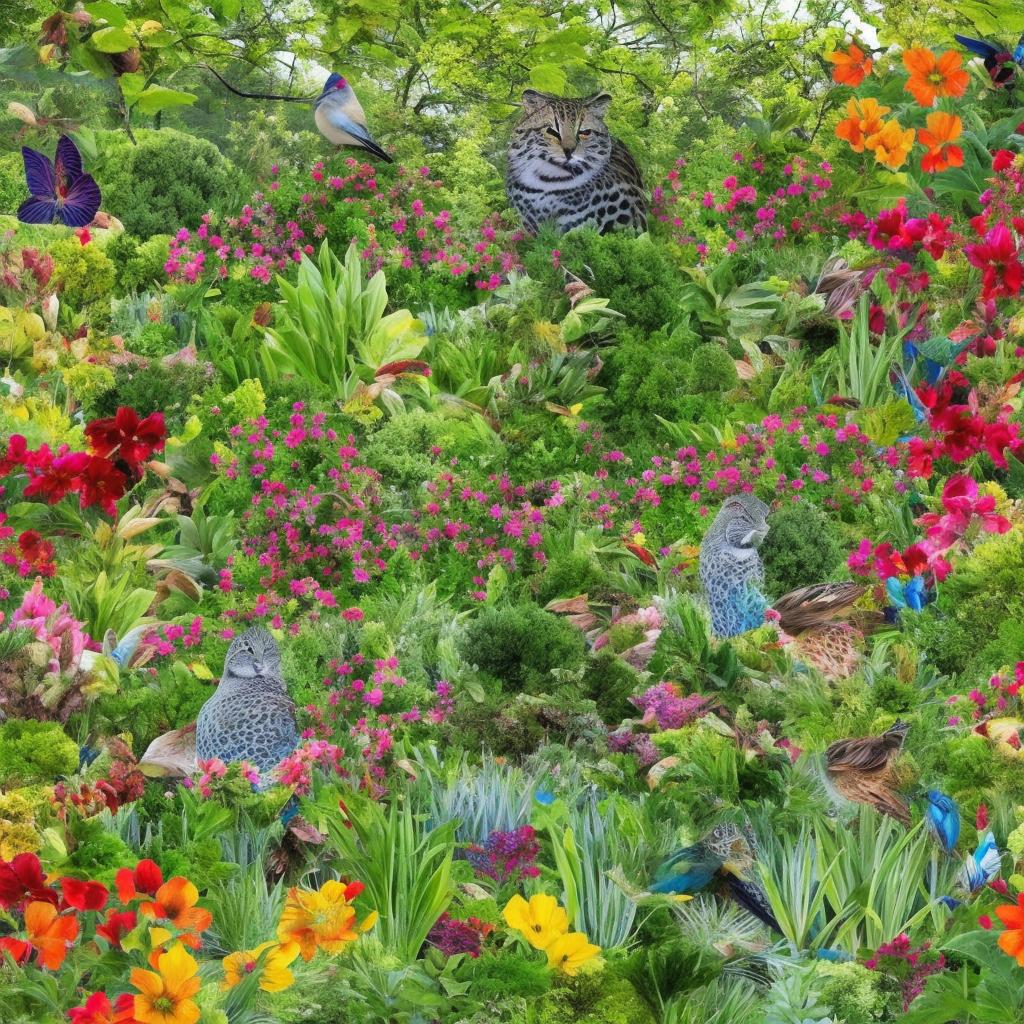
A garden nesting habitat for beneficial wildlife provides safe places for native birds, bees, butterflies, and other helpful species to raise young, lay eggs, and shelter. Use native plants, loose soil, hollow stems, mature trees, leaf litter, and suitable nesting structures.
Across the United States, home gardens can help wildlife find safe places to raise young. A yard in the Northeast may support chickadees and ground-nesting bees. A garden in Texas may offer nesting sites for native bees, wrens, and other local species. Gardens in the Pacific Northwest, Midwest, and Southeast have their own needs.
The best garden nesting habitat starts with the wildlife that already lives nearby. Native plants, healthy soil, old stems, shrubs, and safe tree cavities can provide natural nesting sites. These features also give wildlife food and cover. You do not need a large yard or many costly structures to make a useful space.
A good wildlife garden is more than a place where animals visit. It gives them room to complete key parts of their life cycle. Birds need places to build nests and feed their young. Many native bees need bare soil or hollow plant stems. Butterflies need host plants for their eggs and caterpillars. Bats need safe roosts where they can rest and raise young.
The most useful plan combines natural nesting areas with careful garden care. It also avoids pesticides, harsh cleanup, and unsafe nest boxes. Start with a few small changes, watch which species use them, and improve the habitat over time.
Source: gardeningguidance.co.uk
What Is a Garden Nesting Habitat for Beneficial Wildlife?
A garden nesting habitat is a planned space where wildlife can build nests, lay eggs, and raise young. It may also provide safe places for animals to rest and spend the winter. These spaces can be natural or made by people.
The word nesting does not mean the same thing for every species. Birds build nests from twigs, grass, mud, and other materials. Many bees dig tunnels in soil or use old plant stems. Butterflies lay eggs on certain plants. Bats use safe roosts to rest and raise their young.
A useful wildlife garden supports these different needs. It offers more than one kind of shelter. This gives local species a better chance of finding a place that suits them.
Nesting habitat is also different from simple feeding habitat. A flower bed may give bees food, but it may not give them a place to lay eggs. A birdbath may offer water, but it does not provide a safe nest site. A strong garden plan brings these needs together.
Natural nesting sites
These include soil tunnels, hollow stems, tree holes, thick shrubs, and safe ground cover.
Artificial nesting sites
These include well-made bird boxes, selected bee nesting structures, and suitable bat houses.
Breeding and host plant areas
These include native plants that provide food and safe places for eggs, larvae, and young wildlife.
Why Does Nesting Habitat Matter?
Wildlife needs safe places to reproduce. Without them, animals may visit a garden but fail to raise young there. Nesting space is one part of a healthy habitat.
The National Wildlife Federation describes four basic habitat needs: food, water, cover, and places to raise young. A good nesting garden helps meet the last two while supporting the others.
These features also help local food webs. Native bees pollinate many plants. Birds eat insects and other small animals. Bats feed on insects. Caterpillars become food for birds and other wildlife. A garden with many life stages can support a wider range of local species.
Start With Wildlife That Lives in Your Area
Choose nesting features based on local wildlife, not on a general list of popular garden animals. A nest box that works for one bird may not suit another. Soil that suits one bee may be wrong for a different species.
The United States has many climate zones and natural plant groups. A garden in Florida faces different heat and rain than one in Maine. A dry yard in Arizona needs a different plan from a wet garden in Oregon.
Before adding a nest box or bee house, learn which local species use your area. Your state wildlife agency, county extension office, native plant group, and local nature center can help. They may also provide regional nest box plans and planting lists.
Walk around your yard during the day. Look for birds that visit shrubs, bees that enter soil holes, and insects that use old stems. Watch from a distance. Do not open holes, move nests, or handle wildlife to identify it.
Check local species
Find out which native birds, bees, butterflies, moths, and other wildlife live in your county or region.
Use state wildlife resources and university extension advice to select suitable plants and nesting structures.
Plan for safety
Keep nesting areas away from heavy foot traffic, frequent mowing, pets, and routine garden work.
Look at Sun, Soil, Water, and Shelter
Sunlight affects the heat and moisture of a nesting site. Some ground-nesting bees use sunny soil. Many other insects need cool cover under leaves or plants.
Soil also matters. Loose, well-drained ground may suit some mining bees. Wet or tightly packed soil may not. A shaded, damp corner may be more useful for other small wildlife.
Map these features before planting. This helps you place each habitat feature where it has a better chance of working.
Create Safe Ground-Nesting Habitat for Native Bees
Leave small patches of sunny, loose, and undisturbed soil for ground-nesting native bees. This is one of the most useful steps in a wildlife garden. It is also easy to do without buying special equipment.
Many native bees dig their own tunnels in the soil. A female bee may create a small nest with several cells. She places pollen and an egg in each cell. The young develop inside these protected spaces.
A 2024 USDA Natural Resources Conservation Service and Xerces Society habitat guide gives a rough estimate of about 70 percent of native bees nesting in the ground. The rest use cavities in wood, branches, or stems. The exact share can vary among bee groups and regions.
Do not cover every open patch with mulch. Thick mulch, landscape fabric, and regular digging can block nesting sites. Leave a few small areas where the soil stays open and safe.
A small patch beside a flower bed may be enough to start. Keep it away from heavy foot traffic and lawn tools. Let bees find and use the space at their own pace.
Source: gardeningstepbystep.com
Leave open soil
Keep a few sunny areas free of thick mulch, fabric, and dense ground cover.
Protect the soil
Avoid digging, tilling, and frequent watering in areas where bees may nest.
Plant nearby flowers
Grow native flowers that offer pollen and nectar within easy reach of the nesting area.
Limit chemical use
Avoid pesticides and other treatments that may harm bees or their food sources.
How to Recognize a Possible Bee Nest
Some ground-nesting bees leave small holes in open soil. A little pile of loose soil may form near an entrance. Several small holes may appear close together.
Not every hole in the ground belongs to a bee. Other insects and small animals also use soil tunnels. Watch from a safe distance to see whether a bee enters or leaves the hole.
If you see bee activity, leave the area alone. Mark it on your garden plan so you do not dig or cover it by mistake. Many solitary native bees are not aggressive when left undisturbed.
Where Should Ground-Nesting Areas Go?
Choose a spot with suitable soil and some sunlight. A quiet garden edge can work well. A small area beside native flowers may also be useful.
Keep the site away from paths, play areas, and places where pets dig. Do not place it where runoff or regular irrigation will flood the soil.
Provide Hollow Stems and Natural Bee Nest Sites
Keep some dry, hollow, and pithy plant stems in your garden for cavity-nesting bees. These stems offer small spaces where certain native bees can lay eggs and raise young.
Some bees use ready-made tunnels in old wood. Others use hollow plant stems. A female bee may divide a tunnel into small cells with mud or plant material. Each cell holds food and an egg.
The best first step is to keep some healthy native plants through the growing season. At the end of the season, do not cut every stem to the ground. Leave a small group standing in a quiet part of the garden.
Different bee species use different stem sizes and shapes. Some use hollow stems, while others use pithy stems. This is why a mix of plants is more useful than one type of stem alone.
A small bundle of cut stems can also help. Keep the stems dry and firm. Use local extension guidance for suitable lengths, placement, and care. Avoid rough holes, sharp edges, and damp structures that may harm nesting insects.
Source: redemptionpermaculture.com
Keep selected stems
Leave some old stems in place through winter and into the next growing season.
Grow native grasses
Clump-forming grasses add cover and support a range of insects.
Retain safe dead wood
Keep suitable old wood and tree snags where they cannot fall on people, homes, or paths.
Avoid harsh cleanup
Do not shred, burn, or remove all dead stems at the end of the growing season.
Should You Build a Bee Hotel?
A bee house can support some cavity-nesting bees, but it is not needed in every garden. Natural stems and old wood should be your first choice.
Artificial bee nests need proper design and care. Some can support unwanted non-native bees and parasites. The University of Minnesota Extension advises that natural nesting areas may be a better choice for general garden habitat.
If you add a bee house, choose a design that allows safe cleaning or replacement of nesting parts. Follow local extension advice for the species in your area. Do not fill a box with random holes and assume that every bee will benefit.
Build Bird Nesting Habitat With Native Plants and Nest Boxes
Birds need safe places to build nests, hide from predators, and feed their young. Trees, shrubs, and thick native plants can provide these needs without any artificial structure.
Different birds use different nesting sites. Some build open nests in shrubs. Others use tree holes, cavities, or small gaps in natural structures. Some birds prefer open areas near scattered trees.
Plant a mix of trees, shrubs, grasses, and flowering plants. Dense shrubs give some birds safe places to nest. Mature trees can provide natural cavities and strong branches. Native plants also support insects that many parent birds need to feed their young.
Keep some branches and bushes intact during the nesting season. Avoid trimming shrubs just because they look untidy. Before cutting or removing a nest site, check for signs of active bird use.
A nest box can help when natural cavities are scarce. However, the box must suit a local species. Its entrance hole, size, height, and location all affect which birds may use it.
Source: positivebloom.com
Plant dense shrubs
Use native shrubs that offer safe cover, strong branches, and seasonal food.
Keep mature trees
Protect safe old trees and natural cavities where birds can find nesting space.
Reduce disturbance
Delay heavy pruning and noisy work near active nesting areas.
Choose suitable boxes
Use a bird box built for a local species rather than a general decorative birdhouse.
How to Choose and Place a Bird Nest Box
Start by choosing the bird species you want to support. Then check its habitat and nest box needs. A bluebird box, for example, has different needs from a chickadee or wren box.
The Cornell Lab of Ornithology’s NestWatch guide gives species-based advice on box height, entrance size, spacing, and habitat. It also advises placing boxes before the local breeding season. These details are not the same for every bird.
Mount the box firmly. It should not swing in strong wind or fall during bad weather. A suitable pole and predator guard may help in some settings. Keep the entrance clear and make sure the box has good drainage and airflow.
Avoid placing boxes near pesticide use. Many birds that use nest boxes depend on insects for food. A nest site is less useful when the surrounding area cannot support their young.
Do not add boxes without a plan for care. Check them at the right time and follow local guidance for cleaning. Never open a box that may contain eggs or young.
Match the species
Use the right box size, entrance, and mounting height for the target bird.
Choose a safe site
Avoid busy paths, easy predator access, and areas exposed to harsh weather.
Install early
Put the box in place before the local breeding season begins.
Plan annual care
Inspect and clean only when the box is no longer in use and local guidance allows it.
Protect Active Bird Nests
Never move an active nest just because it is in an awkward place. A nest with eggs or young needs to stay in place until the birds have finished using it.
Moving an active nest can harm eggs and chicks. It may also cause adult birds to abandon the nest. Cornell NestWatch advises leaving active nests undisturbed until the young have left.
If a nest creates a safety problem or conflicts with building work, contact your state wildlife agency or a qualified wildlife professional before taking action. Federal and state rules may apply.
Support Bats With Safe Natural Roosts
Bats need safe roosts where they can rest, shelter, and raise young. A garden can help by keeping mature trees and suitable dead trees where they are safe.
Some bats use tree cavities, loose bark, and other natural spaces. Others use buildings or specially made bat houses. Protecting natural roost sites is usually the first choice.
A bat house may help in places where natural roost sites are scarce. However, adding one does not guarantee that bats will move in. The design, heat, location, and nearby feeding habitat all matter.
The U.S. Fish and Wildlife Service advises choosing suitable multi-chamber bat houses and placing them in safe, elevated sites. It also warns that poor designs can create heat problems. A bat house needs care and regular checks.
Never handle a bat with bare hands. If you find an injured bat or a colony in a place where it creates a conflict, contact a local wildlife agency or trained bat professional.
Keep safe old trees
Retain mature trees, cavities, and dead wood when they pose no risk to people or buildings.
Check local need
Ask a bat group or wildlife agency whether a bat house is useful in your area.
Use a sound design
Choose a suitable multi-chamber structure made with safe materials and good ventilation.
Watch for heat stress
Follow official guidance and seek help if bats appear distressed or pups fall from the box.
Why Bat House Placement Matters
Bats need enough room to leave a roost and fly safely. The U.S. Fish and Wildlife Service recommends an exit height of about 10 to 16 feet for its bat house guidance.
Keep the area below and in front of the box clear. Avoid sites that are cold, windy, heavily shaded, or exposed to strong artificial light. The site should also be near useful feeding areas.
A bat house should never replace a safe natural roost. If a tree is sound and does not threaten people or property, keeping it may offer better habitat than adding a new box.
Use Native Plants to Create More Nesting Layers
A layered garden gives wildlife more choices for nesting and shelter. It combines trees, shrubs, grasses, flowering plants, and ground cover. Each layer can serve a different group of species.
Tall trees provide branches and cavities. Shrubs offer dense cover and places for open nests. Native grasses create shelter near the soil. Flowering plants support insects that feed young birds and other wildlife.
Native plants are useful because they often support local insects and other wildlife. Their leaves, flowers, seeds, and fruit can form part of a natural food web. Some native plants also act as host plants for butterfly and moth caterpillars.
Do not choose plants by flower color alone. Think about their height, growth habit, leaf cover, bloom time, and value to local wildlife. A mix of plants can offer food and shelter through more of the year.
Small gardens can use this approach too. A few native shrubs, a patch of native grass, and a small flower bed can add useful structure. You can also keep a quiet corner with natural stems and leaves.
Source: storage.googleapis.com
Tree layer
Keep safe mature trees and plant suitable native trees where space allows.
Shrub layer
Grow native shrubs with dense branches, flowers, fruit, or seeds.
Grass and perennial layer
Use native grasses and flowering plants to support insects and provide cover.
Ground layer
Keep safe leaf litter, small open soil patches, and low native plants.
Choose Plants That Support Wildlife Through the Year
Plan for flowers, seeds, fruit, and shelter across the seasons. Early flowers can help bees that become active in spring. Summer flowers can feed active pollinators. Late flowers can help insects before cold weather arrives.
Some plants also feed caterpillars. Butterflies and moths often need certain host plants for their young. A flower that feeds adult insects may not provide the leaves their caterpillars need.
Use plants that are native to your local region. Check whether a plant is invasive or poorly suited to your site before adding it. A local native plant list is a better guide than a general national plant list.
Connect Nesting Areas With Food and Water
Place food plants near suitable nesting areas when possible. Bees need flowers near their nests. Birds need insects and other food within reach of their young.
A clean, shallow water source can help many wildlife species. Add stones or a rough landing edge so small insects can reach the water safely. Change the water often and clean the dish to prevent mosquito breeding.
Keep Leaf Litter, Logs, and Safe Brush Piles
Leave some natural plant material in your garden. Fallen leaves, small logs, and selected brush piles can provide shelter for wildlife. They can also give insects places to hide, nest, or spend the winter.
Leaf litter is more than garden waste. Many insects use it during cold months. Some butterflies, moths, beetles, and other small animals shelter under leaves or in the soil below them.
A log pile can offer shelter for insects and other small animals. Old wood may also contain natural tunnels used by cavity-nesting bees. Keep the pile in a quiet place and do not move it often.
Brush piles can provide cover for birds and small wildlife. Use clean branches and keep the pile stable. Do not place it beside a house, outdoor grill, fire pit, or other heat source.
In areas with wildfire risk, brush piles and dry plant material need extra care. Follow local fire rules. Keep dry fuel away from homes and other structures. Do not create a habitat feature that raises a fire risk.
Source: pinterest.com
Keep some leaves
Leave leaves under shrubs and trees where they will not block paths or drains.
Add a small log area
Keep untreated natural wood in a quiet place where it will not create a safety problem.
Make a stable brush pile
Use safe branches and place the pile away from buildings and busy areas.
You do not need to stop all garden care. Keep paths, drains, and work areas clear. Remove diseased plants when needed and control invasive species.
The goal is to avoid removing every natural feature at once. Clean one area while leaving another quiet area for wildlife. This creates a balance between garden care and habitat needs.
If you must remove old stems or leaves, check for active wildlife first. Work in stages and avoid disturbing a site that may contain eggs, larvae, or young animals.
How to Build a Garden Nesting Habitat Step by Step
A good nesting habitat plan starts small. You can improve an existing garden before adding new structures. Use the following steps to make a clear plan and avoid changes that may disturb wildlife.
Step 1: Check your local wildlife
Learn which native birds, bees, butterflies, moths, and other species live in your area. Use local wildlife and extension resources.
Step 2: Map your garden
Mark sunny soil, shade, trees, shrubs, wet spots, flower beds, paths, and quiet corners.
Step 3: Keep natural nesting sites
Protect safe trees, natural cavities, hollow stems, leaf litter, and suitable patches of bare soil.
Step 4: Add native plants
Choose local trees, shrubs, grasses, and flowers that offer food, cover, and host plants.
Step 5: Add structures only when needed
Choose a species-specific bird box or a suitable bat house only when local guidance supports it. Use artificial bee nests with care.
Step 6: Reduce garden risks
Limit pesticides, protect nesting sites from pets, reduce harsh pruning, and keep water sources clean.
Step 7: Watch and improve
Observe wildlife from a distance. Record which areas show activity and adjust your plan without disturbing active nests.
Example Plan for a Small Backyard
Imagine a small U.S. backyard with one mature tree, a lawn, a fence, and a narrow flower bed. The owner wants to support native bees and local birds without losing all the open space.
The owner could keep the mature tree if it is safe. A small sunny soil patch could support ground-nesting bees. Native shrubs could add cover along one fence. A few hollow plant stems could remain through winter.
The owner could also plant native flowers near the soil patch. This gives bees food close to their nesting area. A species-specific bird box may be added if local birds need it and the site meets the correct placement rules.
This plan uses the space that already exists. It does not need a large pond, many nest boxes, or a full garden redesign. Small changes can build a useful habitat over time.
Signs That Your Habitat Is Working
Look for wildlife using the space in natural ways. You may see bees entering soil holes, birds carrying nesting material, or insects resting on native plants.
You may also notice more insect activity around shrubs and flowers. Old stems may show signs of use. A bird box may show activity during the breeding season.
Do not judge success only by the number of animals you see. Some wildlife is active at night or stays hidden. A safe, undisturbed nesting area can be useful even when it is not easy to observe.
Seasonal Care for Wildlife Nesting Areas
Wildlife habitat needs change through the year. A good care plan protects nesting sites while keeping the garden safe and healthy.
Do not use one fixed cleanup date for every U.S. region. Spring arrives at different times across the country. Local weather and the species in your garden should guide your work.
Spring
Check for wildlife before pruning or clearing old stems. Keep nesting areas quiet and allow native flowers to grow.
Summer
Avoid heavy work near active nests. Keep water clean and reduce pesticide use. Watch for heat stress in any managed bat house.
Fall
Leave selected stems and leaf litter. Plant suitable native seeds and shrubs. Check structures only when they are no longer in use.
Winter
Keep safe natural cover in place. Avoid disturbing leaf piles, soil nests, and old wood. Plan next year’s habitat changes.
When Should You Cut Old Plant Stems?
Avoid cutting all old stems as soon as flowering ends. Some insects may still be using them. Leave selected stems standing through winter and into the next warm season.
If you need to tidy the garden, work slowly and keep some stems in a safe place. Follow local extension guidance for timing and stem care. Different species may use different parts of the plant.
When Should You Clean a Bird Nest Box?
Clean a nest box only after the birds have finished using it. Do not open a box with eggs or young inside. Check local guidance for the right cleaning method and timing.
If a box is not being used, review its location, entrance size, nearby plants, and predator risks. Do not move it while it contains an active nest.
Common Nesting Habitat Problems and How to Fix Them
A new nesting area may not attract wildlife at once. Some species take time to find a new site. Others may need a different type of habitat than the one you first provide.
Check the site before adding more structures. Often, the problem is not a lack of nest boxes. It may be poor placement, missing food plants, too much disturbance, or unsuitable soil.
Problem: No bees use the bare soil
Possible causes include compacted soil, poor drainage, heavy shade, frequent disturbance, or a lack of nearby flowers. Try a different quiet patch with suitable soil and local native plants.
Problem: Birds ignore the nest box
The box may not suit local birds. Check its design, entrance size, height, habitat, and exposure. Use a local species guide before changing it.
Problem: A bee house has no activity
The design, location, or nearby food sources may not suit local bees. Natural stems and suitable wood may be better options.
Problem: Predators visit nesting areas
Reduce easy access to nest boxes. Keep pets away and use approved predator protection where suitable. Do not disturb active nests while making changes.
Problem: Wildlife habitat looks untidy
Keep natural features in selected areas rather than across the whole yard. Use clear paths and neat garden edges around quiet habitat zones.
Problem: Old stems or leaves may contain pests
Do not assume every insect is harmful. Identify the issue first. Remove material only when needed and keep other safe habitat areas in place.
How to Check a Nesting Site Without Causing Harm
Watch from a distance and avoid repeated visits. Do not open nests, dig into soil tunnels, or pull apart old wood to look for eggs.
Use simple notes to track activity. Record the date, location, and type of wildlife you observe. A photo from a safe distance may help with identification.
If you find an injured animal, a bat inside a home, or an active nest in a dangerous place, contact a local wildlife professional. Do not try to handle the animal or move the nest yourself.
Common Mistakes to Avoid in a Wildlife Nesting Garden
A garden can look wildlife-friendly but still lack safe nesting sites. Avoid these common mistakes when planning or caring for the space.
Adding too many artificial houses
More boxes do not always mean more wildlife. Natural trees, soil, stems, and shrubs are often better places to start.
Using one design for every species
Birds, bees, and bats have different needs. Choose each structure for a known local species.
Covering all soil with mulch
Thick mulch can block ground-nesting bees. Keep a few suitable patches open.
Removing every old plant stem
Some native bees and other insects use old stems for nests and shelter.
Pruning during active nesting
Heavy pruning can destroy nests and harm young animals. Check shrubs and trees before cutting.
Using pesticides without checking the risk
Chemical treatments may harm beneficial insects and remove food that birds and other wildlife need.
Ignoring local conditions
A structure or plant that works in one state may not suit another climate or wildlife group.
Expecting quick results
Wildlife may need time to find a new habitat. Keep the area safe and watch for changes over several seasons.
Balance Wildlife Needs With Home Safety
Wildlife habitat should not create risks for people or buildings. Check dead trees for falling branches. Keep brush piles away from structures, and follow local fire rules in areas with wildfire risk.
Keep nesting sites away from busy paths and play areas. Cover open water containers that could trap small animals. Keep pets away from known nesting areas.
A qualified arborist can assess a tree that may be unsafe. A licensed wildlife professional can help with conflicts involving active nests or animals inside buildings.
Research Findings and Next-Question Gap Map
Research scope: United States market. Search and review date: November 16, 2026. Search topics included garden nesting habitat for beneficial wildlife, native bee nesting habitat in yards, bird nest box placement, pollinator nesting and overwintering habitat, and bat house placement.
Five useful resources were reviewed: National Wildlife Federation Habitat Essentials, Cornell Lab of Ornithology NestWatch Nest Box Placement, the 2024 USDA Natural Resources Conservation Service and Xerces Society Habitat Assessment Guide for Pollinators, University of Minnesota Extension Nests for Pollinators, and the U.S. Fish and Wildlife Service guide How to Build a Bat Box.
The reviewed pages provide useful advice on habitat basics, native plants, nest box placement, bee nesting sites, and bat roosts. Their main difference is scope. Some focus on one animal group, while others explain broad habitat needs.
This article brings those subjects into one practical garden plan. It also gives more attention to the link between nesting sites, natural materials, seasonal care, and safety. The findings are based on published guidance, not new field tests or personal wildlife observations.
Gap 1: How can I tell if a bare patch is a bee nesting site?
Reader stage: During setup and monitoring. Basis: Inferred next need from the decision to provide bare soil. Reviewed coverage: SHALLOW. Reader benefit: Avoids digging up active nests. Answer: Watch from a distance for bees entering and leaving small soil holes. Do not dig, rake, or cover a site with visible activity. Priority: High. Placement: Ground-nesting bee section.
Gap 2: Are natural bee nesting sites better than bee hotels?
Reader stage: Choosing habitat features. Basis: Inferred next need from interest in artificial bee houses. Reviewed coverage: ANSWERED by University of Minnesota Extension, with limited broader discussion on other wildlife. Reader benefit: Helps readers avoid unnecessary structures and poor maintenance. Answer: Start with suitable soil, stems, and dead wood. Use artificial nests only when local guidance supports them. Priority: High. Placement: Stem and cavity nesting section.
Gap 3: When is it safe to cut old stems or clean nest boxes?
Reader stage: Seasonal maintenance. Basis: Inferred next need from habitat setup and OBSERVED QUESTION in the Cornell NestWatch active nest guidance. Reviewed coverage: ANSWERED for active bird nests and SHALLOW for combined garden care. Reader benefit: Reduces the risk of harming eggs, young, and nesting insects. Answer: Check for active use, follow local timing, and delay work until the site is no longer occupied. Priority: High. Placement: Seasonal care section.
Gap 4: Will a bat house always attract bats?
Reader stage: After choosing a structure. Basis: Inferred next need from bat house installation guidance. Reviewed coverage: ANSWERED by the U.S. Fish and Wildlife Service, but not within the broader garden planning pages. Reader benefit: Prevents false expectations and poor placement. Answer: No. A suitable design, local need, safe site, and nearby feeding habitat all matter. Priority: Medium. Placement: Bat habitat section.
Gap 5: How can a wildlife garden stay safe and neat?
Reader stage: Long-term care. Basis: Inferred next need from the challenge of leaving natural materials in a home garden. Reviewed coverage: SHALLOW across the reviewed broad habitat pages. Reader benefit: Helps balance wildlife needs with fire, tree, path, and home safety. Answer: Keep habitat in selected areas, maintain clear paths, check unsafe trees, and follow local fire guidance. Priority: Medium. Placement: Common mistakes and safety section.
Research Limitations
The reviewed material includes national guidance and regional extension advice. Regional recommendations may not apply to every U.S. state or habitat type. Plant choices and nesting schedules should be checked against local sources.
The habitat recommendations are based on published guidance and practical synthesis. No garden trial, wildlife survey, or product test was conducted for this article. Nest box use and wildlife activity cannot be guaranteed.
Frequently Asked Questions
Q
What is the best nesting habitat for beneficial wildlife?
The best habitat combines native plants, safe trees, shrubs, bare soil, hollow stems, and leaf litter. The exact mix depends on local wildlife. Natural nesting sites are usually the best place to start.
Q
How do I attract native bees to my garden?
Grow native flowers and leave some sunny, undisturbed soil. Keep selected hollow stems and old wood. Avoid pesticides and thick mulch over every part of the garden. These features support different native bee nesting needs.
Q
Should I leave dead plants in my wildlife garden?
Yes, leave some safe old stems and plant material where possible. Many insects use them for nesting or winter shelter. You can still remove diseased plants and invasive growth. Keep paths and work areas clear.
Q
Do birdhouses help all garden birds?
No. Many birds use open nests in trees or shrubs rather than nest boxes. Other birds need specific box sizes and locations. Choose a box only after checking the needs of local species.
Q
How long does it take for wildlife to use a new nesting area?
There is no fixed time. Some wildlife may use a new habitat in the first season. Other species may take longer or may not use it at all. Keep the area safe and improve it based on local wildlife activity.
✦ Wrapping Up
Conclusion
A garden nesting habitat for beneficial wildlife gives native animals safe places to raise young and complete their life cycles. It does not need to be large or costly. A few well-planned changes can make an existing yard more useful.
Start with natural features. Keep safe trees, plant native shrubs, leave some open soil, and protect hollow stems. Add bird boxes or bat houses only when local wildlife needs and proper placement support them.
Good care matters as much as good design. Avoid pesticides, check for active nests before garden work, and leave some natural material through the seasons. Keep the garden safe for people and wildlife.
Think of your garden as a small part of a wider habitat. Every safe nesting patch can help local wildlife find food, shelter, and places to raise young. Watch, learn, and make steady changes as your garden grows.
💡 Key Takeaway
Start this week by choosing one quiet garden area. Leave a small patch of suitable soil, keep a few old stems, and plant native flowers nearby. Then observe local wildlife from a distance and use its needs to guide your next habitat improvement.