The best garden food sources for garden wildlife include native flowers, nectar, pollen, leaves, insects, berries, fruits, nuts, and seeds. Grow different plants that provide food throughout the year. Avoid harmful chemicals and leave some natural plant growth in place.
Across the United States, gardens can provide vital food for local wildlife. A small yard in Florida has different wildlife needs from a garden in Maine, Texas, or California. Still, the basic plan is the same. Grow plants that feed local animals and support the insects that other animals eat.
A wildlife-friendly garden should offer more than a few flowers or a bird feeder. It should have native plants, fruiting shrubs, seed-bearing flowers, and trees that support insects. These plants form a natural food web. Bees visit flowers, caterpillars feed on leaves, and birds search for insects, seeds, and fruit.
The best results come from planning for every season. Some plants bloom in spring, while others offer fruit in summer or seeds in fall. A few keep their fruit through winter. By mixing these food sources, you can make your garden usefulto wildlife for much of the year.
Source: pennington.com
What Counts as Food for Garden Wildlife?
Garden wildlife uses many kinds of food. Birds may eat seeds, fruit, insects, or nectar. Bees need pollen and nectar. Butterfly caterpillars eat leaves from certain host plants. Small mammals may feed on nuts, berries, seeds, and other plant parts.
A healthy garden supports both direct and indirect food sources. Direct food comes from flowers, leaves, fruit, and seeds. Indirect food comes from insects and other small animals that live among the plants. Both are needed for a strong garden food web.
This means a plant does not need to produce large fruit to help wildlife. A native tree may support insects that birds eat. A patch of native grass may provide seeds and shelter for small animals. Even fallen leaves can support insects that become food for other species.
Nectar and pollen
Flowering plants feed bees, butterflies, moths, and other pollinators. Hummingbirds also use nectar from suitable flowers.
Leaves and host plants
Leaves feed caterpillars and other plant-eating insects. Some insects need certain plant species to complete their life cycle.
Berries and fruit
Fruit from native trees, shrubs, and vines feeds many birds and small mammals.
Seeds and nuts
Native grasses, wildflowers, oaks, and other trees provide food for seed-eating birds and mammals.
Insects and small prey
Healthy plant growth supports insects, spiders, and other small animals that feed birds, amphibians, and other wildlife.
Why Natural Food Sources Matter
Natural food sources grow and renew as part of the garden. A flowering plant can feed pollinators, form seeds, and later provide food for birds. Its leaves may also support caterpillars and other insects.
This creates several food links from one plant. It also reduces the need to bring in outside food. A well-planned garden can support wildlife through normal plant growth and seasonal changes.
A wider food web
Different plants support different insects and animals, which helps create a more varied habitat.
Less daily upkeep
Established trees, shrubs, and flowers can produce natural food without the need to refill feeders.
Start With Native Plants and Local Growing Conditions
Native plants should form the base of a wildlife food garden. These plants evolved in local ecosystems and often have close links with native insects and animals. They can provide food in forms that local wildlife already uses.
The United States has many climate zones and plant regions. A good plant for the Pacific Northwest may not grow well in the dry Southwest. A shrub that thrives in the Southeast may struggle in a cold northern yard. For this reason, do not use one national plant list as a rule for every garden.
Start by finding plants native to your state and local area. Your county Extension office, native plant society, or local nature center can help. Ask for plants that support birds, pollinators, and other local wildlife. Also check whether a plant is invasive in your area before buying it.
Look at your garden before you choose plants. Check how much sun each area gets, how quickly the soil drains, and how much water is available. A plant that fits these conditions is more likely to grow well and provide food over time.
Source: thrivelot.com
Check local native status
Choose plants that naturally grow in your part of the country. A plant native to one state may not be native to another.
Match plants to sunlight
Use sun-loving flowers in open beds and shade-tolerant plants below trees or along north-facing walls.
Check soil and moisture
Select plants that fit the natural drainage and moisture level of each garden area.
Avoid invasive species
Do not plant species known to spread into nearby natural areas and displace local plants.
Choose useful plant forms
Mix trees, shrubs, grasses, flowering plants, and ground covers to provide several kinds of food.
Examples of Native Food Plants Across the United States
Several native plant groups can help build a wildlife garden. Oaks, native willows, birches, and cherries can support insects and provide food or shelter for birds. Serviceberries, native dogwoods, elderberries, and suitable hollies can produce fruit. Native asters, sunflowers, coneflowers, and grasses can provide pollen, nectar, and seeds.
These are examples, not a universal shopping list. Check the exact species and its natural range before planting. Local plant choices are more useful than picking a popular plant that does not fit your region.
Trees
Look at locally native oaks, willows, birches, cherries, and other trees that support insects or produce seeds and nuts.
Explore native asters, goldenrods, coneflowers, sunflowers, milkweeds, and local bunchgrasses.
Provide Nectar and Pollen From Spring to Fall
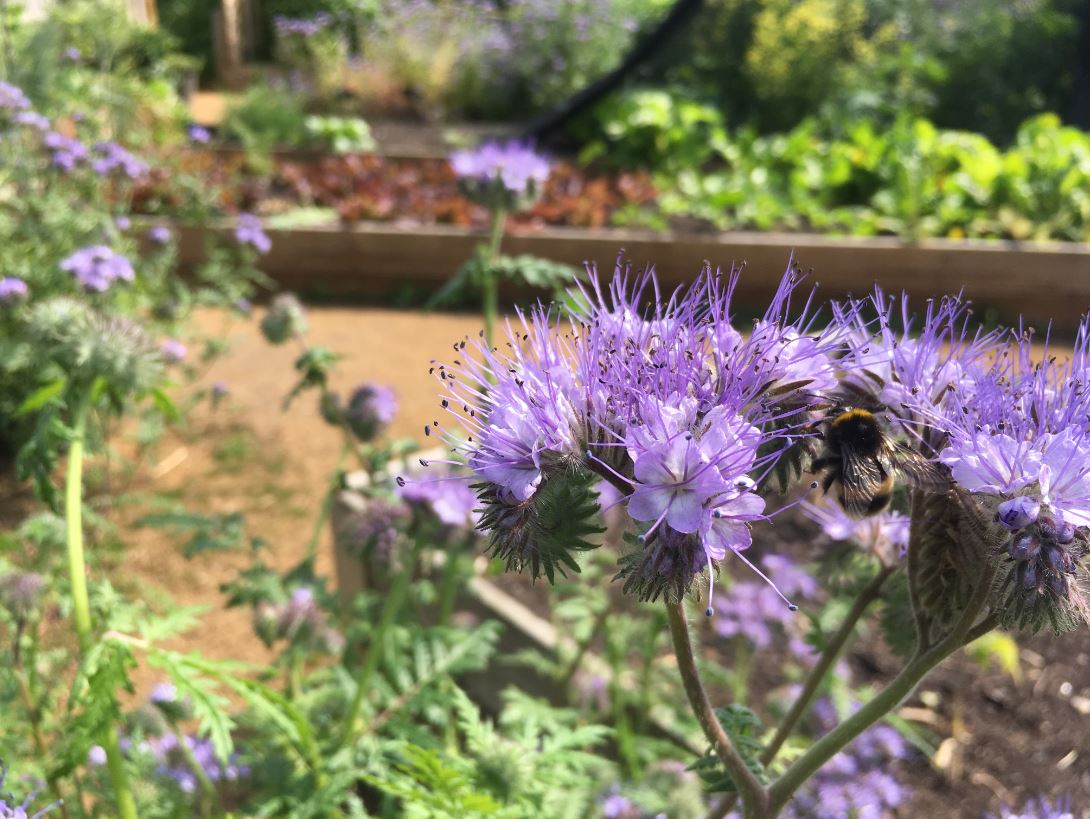
Flowering plants provide two key foods for pollinators: nectar and pollen. Nectar gives many adult insects energy. Pollen provides nutrients that bees and other insects use in their life cycles.
A garden with only one short bloom period may offer food for a few weeks. A better plan includes flowers that bloom at different times. Early flowers can feed insects after winter. Summer flowers provide food during warm months. Late flowers help pollinators that remain active in fall.
Choose a mix of native flowering plants with different shapes, colors, and bloom times. Some bees visit open flowers, while others can reach nectar in deeper blooms. Hummingbirds often use tubular flowers with a suitable shape and nectar supply.
Try to plant flowers in small groups rather than placing one plant of each type far apart. Groups can make flowers easier for pollinators to find. They also create a more useful food patch in a small space.
Source: sustainweb.org
Early-season flowers
Plant locally native early bloomers that provide pollen and nectar when bees and other insects begin to forage.
Summer flowers
Use suitable native milkweeds, bee balm, salvias, and other local flowers to provide food during the main growing season.
Late-season flowers
Native asters and goldenrods can provide important late-season nectar and pollen in regions where these plants naturally grow.
Different flower shapes
Mix open flowers, small clustered blooms, and tubular flowers to support a wider range of visitors.
How to Keep Flowers Blooming for Longer
Make a simple bloom calendar before planting. Write down the months when each flower is expected to bloom in your region. Look for gaps and add plants that flower during those times.
Do not remove every faded flower at once. Some plants form useful seeds after flowering. Leave suitable seed heads in place so birds can use them later. If a plant spreads too much or needs shaping, remove only the parts that require attention.
Use overlapping bloom times
Choose plants so that one flower group begins blooming before another group finishes.
Limit pesticide use
Avoid routine insecticide use on flowering plants. Chemicals can harm the insects that visit the flowers.
Keep some seed heads
Leave suitable dried flowers in place to provide seeds for birds and small animals.
Grow Host Plants That Feed Caterpillars and Other Insects
Host plants are plants that insects use for food during their young stages. Butterflies and moths often lay eggs on certain plants because their caterpillars need those leaves to grow. Without suitable host plants, many of these insects cannot complete their life cycle.
This is one of the most useful ways to feed garden wildlife. Many birds eat insects, especially when they raise their young. A garden with healthy insect populations can provide food for birds that do not rely mainly on seeds or berries.
Native trees can be especially useful. Depending on the region, oaks, willows, birches, and cherries may support many kinds of caterpillars. Native milkweeds feed monarch caterpillars, while other butterfly and moth species need their own host plants.
You may notice holes in leaves or small caterpillars on plants. This is not always a sign of a problem. Some leaf damage is part of a healthy food web. Before removing an insect, check whether it is a useful native species or a true garden pest.
Source: greenidiom.com
Plant native host species
Choose plants that support local butterflies, moths, and other insects during their young stages.
Keep some leaf growth
Allow a reasonable amount of leaf feeding instead of trying to keep every plant free of insect marks.
Protect insect populations
Avoid broad pesticide treatments that can kill useful insects along with the species causing damage.
Add trees and shrubs
Use suitable native trees and shrubs because they can support many insects across several growing seasons.
Why Caterpillars Are Important Garden Food
Caterpillars are an important food source for many birds. Adult birds may eat seeds and fruit, but growing chicks often need insects and other small prey. This makes host plants useful even when the insects are not easy to see.
A garden does not need to be full of visible butterflies to support this food source. Many moth caterpillars remain hidden on leaves, stems, or near the ground. Keeping a range of native plants can support these less visible parts of the food web.
Keep leaf litter
Leave some clean fallen leaves under trees and shrubs where insects can shelter and develop.
Keep safe plant stems
Leave suitable hollow or pithy stems in place during winter when they may shelter insects.
Add Berries, Fruits, Nuts, and Seeds
Berries, fruits, nuts, and seeds provide direct food for many birds and small mammals. These foods are especially useful when flowers stop blooming or insects become less active. A mix of fruiting shrubs, trees, and seed-bearing flowers can keep food available at different times.
Native serviceberries, elderberries, dogwoods, and suitable viburnums can offer fruit in many parts of the country. Native hollies may keep berries through colder months. Regional fruit plants can also include native plums, persimmons, mulberries, and other species that fit local conditions.
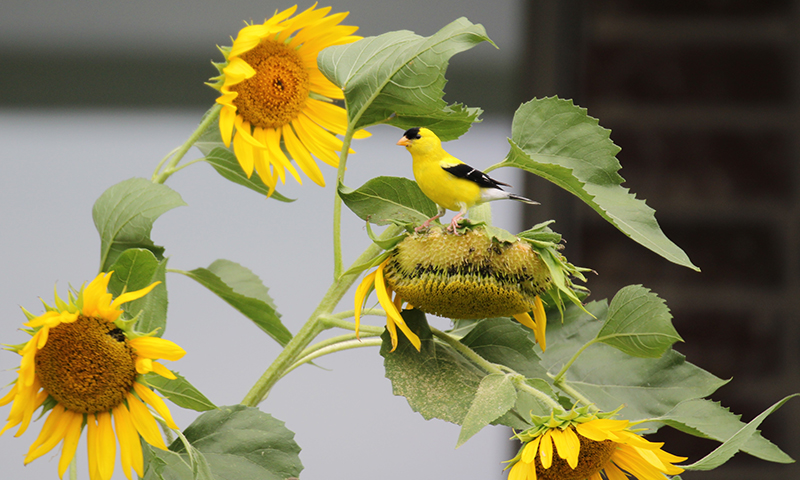
Trees such as oaks and hickories can provide nuts and acorns for animals that eat or store them. Native grasses, asters, sunflowers, and coneflowers can form seeds for birds such as finches and sparrows. Leave some mature seed heads standing rather than cutting every flower down.
When selecting fruiting plants, think about the time of year when their food becomes available. A shrub that produces fruit in early summer fills a different need from a plant that holds berries into winter. Several types can create a longer supply.
Source: natureworldnews.com
Plant fruiting shrubs
Choose native serviceberries, elderberries, dogwoods, or other local fruiting shrubs for birds and small mammals.
Add seed-bearing flowers
Grow suitable native asters, sunflowers, coneflowers, and other plants that produce seeds.
Keep useful trees
Protect suitable native oaks, hickories, and other nut-producing trees when space and site conditions allow.
Plan for winter fruit
Include native shrubs and trees that hold fruit later in the year.
Avoid invasive fruit plants
Do not use invasive species simply because birds eat their fruit. Choose safe local alternatives.
Should You Harvest All the Fruit and Seeds?
No. If you grow fruit for your family, share part of the harvest with wildlife. Leave some berries on suitable shrubs and let some flowers form mature seeds. You can still harvest ripe fruit while keeping food available for other garden visitors.
Avoid placing damaged or moldy fruit in the garden. Spoiled food can attract pests and may create health risks. Let healthy fruit remain on suitable plants whenever possible.
Share the harvest
Leave a portion of safe, naturally growing fruit for birds and other wildlife.
Keep mature seed heads
Allow some flowers to finish their natural cycle and produce seeds.
Remove spoiled food
Clear rotten or moldy fruit that may attract unwanted pests.
Keep Food Available Through Every Season
A wildlife garden should provide food at different times of the year. Wildlife needs change with the weather, breeding cycles, migration, and plant growth. A garden that produces food only in summer may leave a large gap during other months.
The best way to plan is to use a seasonal food calendar. Record when flowers bloom, when fruit ripens, and when seeds become ready. Then choose plants that fill the gaps. This method is more useful than planting many flowers that all bloom at the same time.
Remember that seasonal timing varies across the United States. Spring may begin much earlier in the South than in northern states. High mountain gardens may have a shorter growing season than lowland gardens. Use local bloom records and plant information rather than following a fixed national calendar.
Spring
Provide early flowers, fresh leaves, and plants that support emerging insects. These food sources can help pollinators and birds after winter.
Summer
Grow plants with steady flowers, nectar, pollen, caterpillar host leaves, and early fruit.
Fall
Keep mature berries, nuts, seeds, and late flowers available for migrating wildlife and resident animals.
Winter
Leave suitable berries, seed heads, evergreen plants, and safe natural ground cover in place.
A Simple Seasonal Food Planning Example
Imagine a small backyard with one sunny bed, a shrub border, and a mature tree. In spring, the sunny bed has early native flowers. The tree supports insects, and the shrubs begin their new growth.
In summer, more flowers open and the shrubs begin to form fruit. In fall, the flower heads provide seeds, while some shrubs hold berries. During winter, the owner leaves suitable seed heads and fallen leaves in place. This creates several food sources without needing a large garden.
The exact plants will depend on the region. The useful idea is to combine early flowers, summer growth, late fruit, and winter seed sources.
Use a planting calendar
Write down the bloom, fruit, and seed periods of each plant.
Fill seasonal gaps
Add plants that provide food during periods when few other plants are useful.
Protect natural growth
Delay some cutting and cleanup until insects and wildlife have had time to use the plants.
Pair Food Sources With Clean Water and Safe Habitat
Food works best when wildlife can reach it safely. Birds, bees, butterflies, and small animals also need water and places to rest or hide. A garden with many flowers but no safe cover may attract fewer animals than expected.
A shallow birdbath can provide drinking and bathing water. Add clean stones or other safe landing points where appropriate. Change the water often and clean the dish to prevent dirt and algae from building up.
A small pond can support other forms of wildlife. It may provide habitat for aquatic insects and amphibians. Keep the pond safe, avoid introducing non-native animals, and consider a shallow edge or escape route for small creatures.
Trees, shrubs, native grasses, and leaf litter can provide cover near food plants. Birds may feel safer feeding near shrubs where they can hide from predators. Pollinators may use bare soil, stems, and other natural features for nesting.
Source: sustainableholly.com
Provide fresh water
Use a clean, shallow water source and replace the water often.
Keep nearby cover
Plant shrubs and grasses near food sources to give wildlife safe places to rest and hide.
Retain natural ground features
Keep some leaf litter, safe dead wood, and suitable bare soil where they do not create a hazard.
Reduce risks
Keep cats away from feeding areas when possible and make windows safer for birds.
Why Water Helps a Wildlife Food Garden
Water does not replace food, but it helps animals use the garden. Birds need water to drink and maintain their feathers. Some insects need damp areas or shallow water for parts of their life cycle. Amphibians depend on suitable wet habitats.
A water feature must be kept clean and safe. Stagnant, dirty water can create problems. Use a simple design that you can maintain and check it often.
Clean water dishes
Wash and refill shallow dishes on a regular schedule.
Safe pond edges
Provide gentle access or escape routes so small animals do not become trapped.
Use Bird Feeders as a Supplement to Natural Food
Bird feeders can add food to a wildlife garden, but they should not replace native plants. Natural plants provide insects, seeds, fruit, and other foods without daily refilling. They also support wildlife that does not visit feeders.
If you use a feeder, choose food that suits the birds in your area. Different birds eat different seeds and foods. Black oil sunflower seeds attract several common seed-eating birds, while other seed mixes may suit different species. Local bird groups can help you understand which foods are useful in your region.
Keep feeders clean and in good repair. Wet, old, or moldy food should be removed. Wash feeding equipment on a regular basis and store seed in a dry, secure place. A dirty feeder can spread disease among visiting birds.
Place feeders where birds can reach cover but still have a clear view of nearby threats. Keep them away from places where cats can hide and make sudden attacks. Clean up spilled seed when needed because it can attract rodents and other unwanted visitors.
Choose suitable bird food
Use seed or other food that fits the birds you want to support and the local guidance for feeding them.
Clean feeders often
Wash feeders and remove wet, spoiled, or moldy food.
Keep food dry
Store seed in a sealed container in a dry place.
Watch for disease
Remove feeders temporarily if you notice sick birds or unusual disease activity, and follow current local wildlife guidance.
Prevent unwanted pests
Clean up spilled seed and avoid leaving pet food outdoors.
Should You Feed All Wild Animals in Your Garden?
No. Planting natural food sources is usually better than placing food outside for every animal. Feeding wild mammals can change their behavior, bring animals into conflict with people, and attract unwanted visitors.
Do not leave meat, pet food, processed snacks, or large piles of food outdoors. In areas where bears, coyotes, raccoons, or other problem wildlife live, follow local rules about outdoor food and bird feeders. Some places restrict feeding wildlife or require special precautions.
Do not bait wild mammals
Allow animals to find natural food rather than encouraging them to gather near people.
Follow local rules
Check wildlife agency guidance before adding feeders in areas with large or potentially dangerous wildlife.
Avoid Common Food and Gardening Mistakes
A garden may look full of flowers and still provide little food for wildlife. This can happen when plants offer only a short bloom period, produce no useful seeds or fruit, or fail to support local insects. A few changes can make the garden more useful.
The biggest mistake is choosing plants only for their looks. Some ornamental plants offer little food to local insects. Others may have flowers that produce limited nectar or pollen. Some non-native plants can spread into natural areas and harm local habitats.
Another mistake is keeping the garden too tidy. Cutting every flower head, removing every fallen leaf, and clearing all dead stems can remove food and shelter. A clean-looking garden is not always a healthy wildlife habitat.
Chemical use can also reduce natural food. Broad insecticide treatments may kill pollinators, caterpillars, and insects that birds eat. Try to identify the cause of plant damage before taking action. Use the least harmful method that can solve a real problem.
Planting only ornamental flowers
Add native host plants, shrubs, grasses, and trees that offer food beyond flower nectar.
Removing all seed heads
Leave suitable mature seed heads for birds and other wildlife.
Using broad pesticides
Avoid routine chemical treatments that can harm useful insects and disrupt the food web.
Planting invasive species
Check the local status of plants before adding them to your yard.
Offering unsafe food scraps
Do not leave salty, moldy, spoiled, or processed food outdoors for wild animals.
Ignoring seasonal gaps
Mix plants with different flowering, fruiting, and seed periods.
How to Fix a Garden With Few Wildlife Visitors
First, check whether your plants provide food at the right time. If most flowers bloom in one short period, add plants that bloom earlier or later. If there are no berries or seeds, consider suitable native shrubs and seed-bearing flowers.
Next, check for pesticide use and excessive cleanup. Stop routine treatments that are not needed. Leave some safe leaves, stems, and seed heads in place. Make sure wildlife has access to clean water and nearby cover.
Finally, give new plants time to grow. A young shrub may not produce much fruit in its first season. A new flower bed may need time to become established. Watch for changes over several seasons instead of judging the garden after a few weeks.
Check the food supply
Look for flowers, leaves, insects, fruit, and seeds across the year.
Review garden care
Reduce unnecessary spraying, mowing, and removal of natural plant material.
Improve the habitat
Add water, cover, and safe places for wildlife to rest and feed.
Allow time
Monitor new plants as they establish and adjust the plan based on what grows well.
How to Build a Wildlife Food Garden Step by Step
You do not need to replace your whole garden to support wildlife. Start with one bed, a small border, or a group of containers. Add useful plants over time and make each change based on local growing conditions.
A good plan includes food for different animals and seasons. It also leaves room for natural growth. The goal is not to make every part of the yard look wild. It is to provide enough useful food and habitat while keeping the space safe and easy to manage.
Step 1: Study your garden
Record the sunny, shady, wet, and dry areas. Note existing trees, shrubs, flowers, and signs of wildlife.
Step 2: Find local native plants
Ask a local Extension office or native plant group for plants that support wildlife in your region.
Step 3: Choose several food types
Include plants that offer nectar, pollen, leaves, insects, fruit, nuts, and seeds.
Step 4: Plan for the seasons
Select plants with different bloom, fruit, and seed periods so food is not limited to one season.
Step 5: Plant in useful groups
Place compatible flowers together and add shrubs or trees where space allows.
Step 6: Protect natural food
Avoid unnecessary pesticides and keep some safe leaf litter, stems, and seed heads.
Step 7: Add clean water
Set up a shallow birdbath or another safe water source that you can maintain.
Step 8: Observe and improve
Watch which plants attract visitors, note seasonal gaps, and add suitable plants when needed.
How to Know if Your Garden Is Working
You may see bees visiting flowers, caterpillars feeding on leaves, birds searching shrubs, or finches eating seeds. You may also notice more natural signs of life, such as insect activity around native plants and birds returning to fruiting shrubs.
Do not judge success only by the number of animals you see. Some wildlife is active at night or stays hidden. A plant can provide valuable food even when no animal is visible during your visit. Look at the health and variety of the habitat as well as the visitors.
Flower visits
Look for bees, butterflies, moths, and other pollinators visiting flowers.
Insect activity
Check leaves and stems for caterpillars and other insects without disturbing them.
Fruit and seed use
Look for birds feeding on berries, fruits, and mature seed heads.
Seasonal food
Check whether the garden continues to offer useful food as the seasons change.
Frequently Asked Questions
Q
What are the best food sources for garden wildlife?
The best food sources include native flowers, nectar, pollen, leaves, caterpillars, insects, berries, fruits, nuts, and seeds. A mix of native trees, shrubs, grasses, and flowering plants can support many kinds of wildlife. Choose plants that naturally grow in your region.
Q
How can I feed wildlife without using bird feeders?
Grow native plants that provide natural food. Add flowering plants for pollinators, host plants for caterpillars, fruiting shrubs for birds, and seed-bearing flowers for finches and other birds. Leave some mature seed heads and safe fallen leaves in place. These features can support wildlife without daily feeding.
Q
Which garden plants provide food during winter?
Suitable native hollies, dogwoods, viburnums, and other fruiting shrubs may provide berries during colder months. Native grasses, asters, and coneflowers can provide seeds if their flower heads remain in place. The best choices depend on your state, climate, and local plant range.
Q
Should I leave fallen leaves in a wildlife garden?
Yes, leave some clean fallen leaves in suitable garden areas. Leaf litter can shelter insects and other small animals through colder months. It can also support the natural food web. Keep leaves away from drains, paths, and areas where they could create safety or maintenance problems.
Q
Do native plants attract more wildlife than non-native plants?
Native plants often provide better food and habitat for local wildlife because many native insects depend on particular local plant species. Non-native plants may still offer some nectar or fruit, but their value varies. Choose native species when possible and avoid plants known to be invasive in your area.
✦ Wrapping Up
Conclusion
Good garden food sources for garden wildlife come from a mix of native plants, flowers, host leaves, insects, berries, nuts, and seeds. These natural foods support different animals and help build a healthy garden food web. A varied garden can provide useful food from spring through winter.
Start with plants that suit your local area. Add flowers with different bloom times, fruiting shrubs, seed-bearing plants, and trees that support insects. Keep some safe natural growth in place, reduce harmful chemicals, and provide clean water. Small changes can turn an ordinary yard into a more useful place for local wildlife.
💡 Key Takeaway
Start with one garden bed. Plant three or more suitable native species that offer different food sources or bloom at different times. Then add a fruiting shrub or seed-bearing plant when space allows. Leave some seed heads and leaf litter in place, avoid unnecessary pesticides, and observe how wildlife uses the garden through the seasons.