Build garden nectar and pollen resources by planting a mix of regionally native flowers, shrubs, and trees that bloom in overlapping waves from early spring through fall, then protect those blooms from pesticides.
Across the United States, a pollinator garden can run short of food even when it looks full of flowers. Spring blooms may fade before summer plants open, or a late-summer gap may leave bees and butterflies with few choices. The strongest plan is not a bed full of one showy flower. It is a steady, varied supply of useful blooms that fit the local climate and soil.
Nectar and pollen do different jobs. Nectar gives many adult pollinators a source of sugar for energy, while pollen supplies protein, fats, and other nutrients that many bees use to feed their young. A garden that offers both, in more than one season and in more than one flower shape, can serve a wider range of insects and other pollinators.
Start by noting what already flowers in your yard, then mark the weeks when little or nothing is in bloom. Fill those gaps with plants native to your region. Keep some flowers open as the next group begins, and avoid insecticides that can contaminate pollen and nectar.
Source: beekeepinggear.com.au
Nectar And Pollen Do Different Jobs
Nectar and pollen are the main floral food rewards for many pollinators, but they are not the same resource. Nectar is a liquid made by glands called nectaries. It is usually rich in sugars and gives adult insects and hummingbirds energy for flight and daily activity. Pollen is made by the flower’s anthers. It carries nutrients that are especially important to bees raising young.
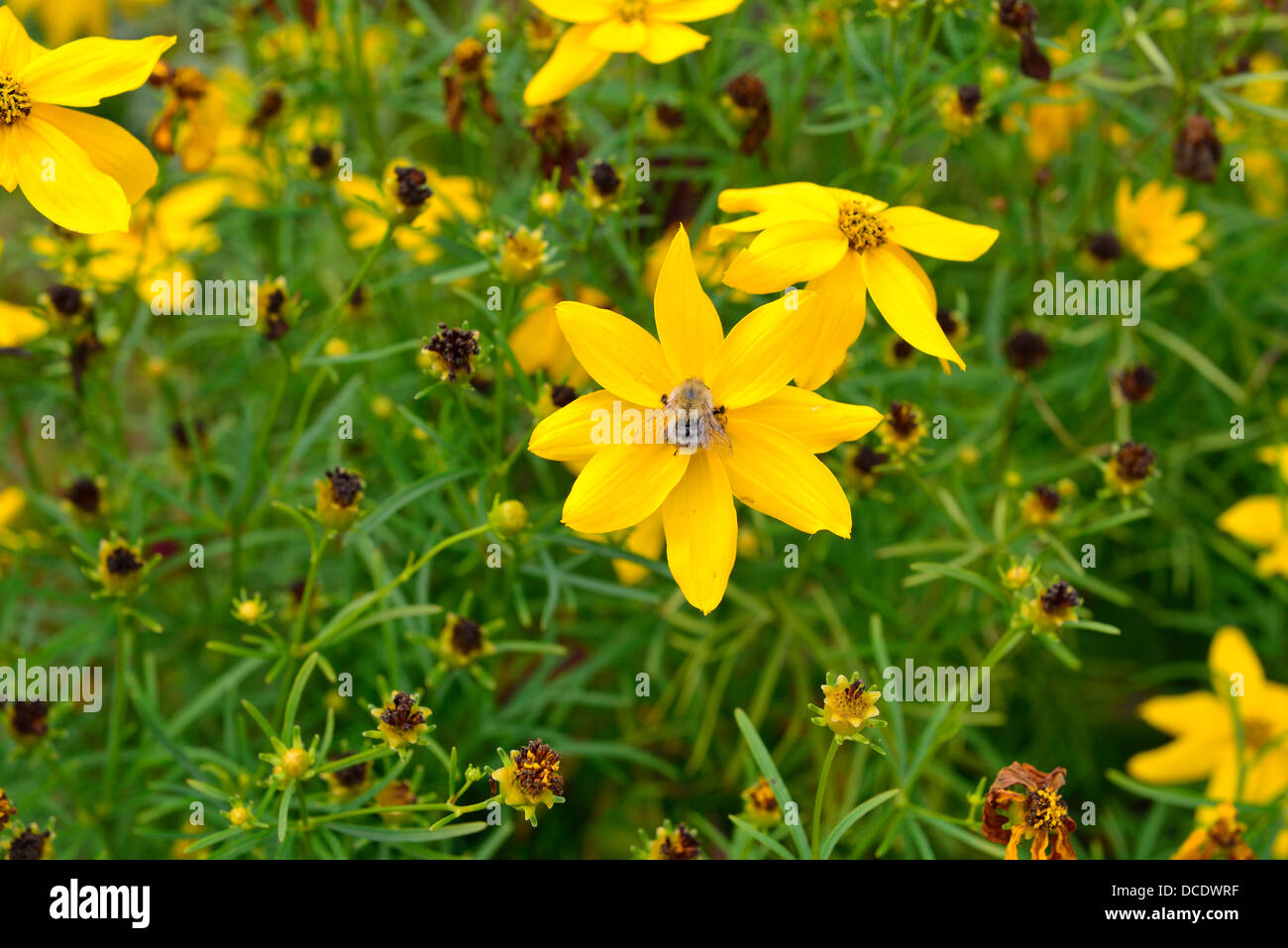
A bee may drink nectar for energy and collect pollen to carry back to its nest. The pollen sticks to hairs on the bee’s body or is packed into pollen-carrying structures. As the bee visits another flower, some pollen may reach that flower’s stigma. This transfer can help the plant form seeds and fruit.
Other visitors use flowers in different ways. Adult butterflies mostly drink nectar, while their caterpillars need the right host plants to eat. Hummingbirds rely on nectar for energy. Some flies and wasps visit flowers for nectar, and some flies also eat pollen. A garden built only for honey bees will miss many of these needs.
Source: alamy.com
Nectar
A sugar-rich liquid that fuels adult pollinators. Its amount and access can vary with plant type, weather, flower age, and growing conditions.
Pollen
A nutrient-rich flower product that many bees collect to feed larvae. Some native bees rely on pollen from a narrow group of related plants.
Host plants
Leaves that caterpillars eat. Adult butterflies may sip nectar from many flowers, but their young can depend on specific host plants.
Do All Flowers Provide Both Resources?
No. Some flowers offer nectar and pollen, some mainly offer one reward, and some offer little of either. Wind-pollinated plants such as many grasses and trees often have small, plain flowers and do not need to attract insect visitors. A plant can look colorful to people without offering much food to pollinators.
Flower breeding can also change a plant’s value. Some double-flowered forms have extra petals that replace or hide the parts that make pollen and nectar. Not every cultivated variety is poor for pollinators, so do not reject every named cultivar. When in doubt, choose a simple, open flower form and check whether insects can reach it.
Look beyond color
Check flower shape, access to the center, and real insect visits. A bright bloom is not proof of a useful food source.
Build A Bloom Calendar From Spring Through Fall
A bloom calendar is the most useful planning tool for a steady food supply. List the plants already growing in the yard, note when each one starts and stops flowering, and mark the weeks with few open flowers. Then select plants that fill those gaps. Aim for overlap: the next plant should begin flowering before the last major source fades.
Bloom dates vary across the United States. A spring flower may open weeks earlier in the Southeast than in the Upper Midwest, while mountain, desert, and coastal sites have their own patterns. Use local bloom records and native plant lists as a guide, then adjust the calendar after watching your own garden for a full growing season.
Do not plan only for the peak of summer. Early spring flowers can feed queens and other insects as they become active. Late-season flowers can support bees that are still provisioning nests and migrating pollinators that need fuel. A bed that looks rich in June can still have a serious food gap in April or October.
Source: alamy.com
Early spring
Investigate locally native willows, serviceberries, redbuds, maples, violets, and other early bloomers that suit your site. Trees and shrubs can provide many flowers at a time when few herbaceous plants are open.
Late spring to early summer
Consider regional species of penstemon, wild geranium, lupine, and other native perennials. Choose plants whose bloom overlaps the end of the early-spring period.
Summer
Look at native bee balms, mountain mints, coneflowers, milkweeds, and other plants that fit your region and soil. Include several species rather than relying on one short bloom.
Late summer through fall
Regional goldenrods, asters, blazing stars, and Joe-Pye weeds can extend the season. Check the species’ native range and moisture needs before planting.
Use The Calendar As A Local Guide, Not A Fixed Schedule
Write down first bloom and last bloom dates for each plant. Add a note when a heat wave, drought, late frost, or heavy rain changes the display. After one season, the record will show which weeks need more flowers and which plants bloom longer than expected.
If you have room, plant more than one species for each part of the season. This spreads risk if one plant fails, blooms briefly, or is damaged by weather. A mix also helps avoid a garden that offers a large feast for a few weeks and almost nothing afterward.
A simple check
At the start of each month, ask whether at least one useful plant is flowering now and whether another is about to open.
Choose Regionally Native Plants For Your Site
The best plant list begins with your location, not a national top-ten list. Native plants are adapted to local climate and soil, and many native pollinators have long ties to plants from the same region. Some specialist bees need pollen from a narrow range of plants, so a broad mix of familiar garden flowers may not meet every need.
Match each plant to the conditions where it will grow. Record how many hours of sun the bed receives, whether the soil stays wet or dries fast, and how much room the plant will have at maturity. A sun-loving species placed in deep shade may produce few flowers. A plant that needs dry soil may struggle in a low spot that stays wet.
Use a regional native plant list from a land-grant university, local native plant society, state natural resource agency, or the Xerces Society. Check the scientific name as well as the common name. Common names can refer to different plants, and a plant sold under a familiar name may not be native to your area.
Source: vecteezy.com
Start with the site
Write down sun, soil texture, drainage, moisture, wind exposure, and available space. Choose plants that fit those conditions instead of trying to change the whole yard for a difficult plant.
Check the native range
Confirm that the exact species occurs naturally in your region. A plant native to one part of the United States may be nonnative or unsuitable in another.
Avoid invasive choices
Check state and local invasive plant lists before buying. Select native alternatives when a popular ornamental can spread into nearby natural areas.
Keep a mix of plant types
Include trees, shrubs, perennials, and suitable annuals where space allows. Different layers and bloom times can make the food supply more reliable.
Examples To Research By Bloom Period
Willow, serviceberry, and redbud are examples to investigate for early flowers, but their native status and best species vary by region. Bee balm, mountain mint, coneflower, and milkweed are useful summer candidates in parts of the country. Goldenrod, asters, and blazing star can help extend late-season bloom in many regions.
These are starting points, not a planting recipe for every state. A species may be native in one county and absent from another, or it may need soil and moisture conditions that your garden does not have. Confirm the exact species and local guidance before you buy.
Use local plant names and scientific names together
This reduces mix-ups and helps you compare nursery labels with trusted regional plant lists.
Match Flower Forms To The Pollinators You Want To Support
A varied garden offers more ways for pollinators to reach food. Flower shape, depth, and landing space can affect which visitors can use a bloom. Shallow, open flowers give many bees and butterflies room to land, while long tubes or spurs can suit insects and birds with long tongues or bills.
Flat flower clusters and small flowers grouped together can be useful for a range of insects. Plants in the carrot family, many daisy-family plants, and some native shrubs can draw different visitors. Tubular flowers, including some bee balms and native penstemons, may serve long-tongued bees, butterflies, moths, or hummingbirds, depending on the plant and local pollinator community.
Do not try to design the whole garden for one visitor. A range of flower sizes, shapes, colors, and heights is more likely to serve generalist pollinators and specialists. Watch which insects actually visit your plants; local observations are more useful than assuming every species behaves the same way everywhere.
Source: vecteezy.com
Bees
Include pollen-rich flowers with open or accessible structures, plus plants known to support specialist native bees in your area.
Butterflies
Provide nectar flowers with landing space and add the right host plants for caterpillars. Adult nectar plants alone do not complete a butterfly’s life cycle.
Moths
Include flowers that remain useful after dusk where suitable native night-flying pollinators occur. Avoid relying only on daytime observations.
Hummingbirds
Where hummingbirds occur, include suitable tubular flowers with accessible nectar and a bloom season that matches their local presence.
Flies and other insects
Small, open flowers and diverse plant forms can support flower-visiting flies, beetles, and wasps as well as bees.
Add Host Plants Alongside Nectar Plants
A butterfly may feed on nectar from many flowers, but its caterpillar may eat only one plant or a small group of related plants. Milkweed is the host plant for monarch caterpillars, while adult monarchs can drink nectar from many kinds of flowers. Other butterfly species have their own host-plant needs.
Before adding a host plant, identify the butterfly or moth species you hope to support and check its local host plants. Expect some leaf damage. That damage is part of the food web, not always a sign that the plant is failing.
Think beyond the adult stage
A complete habitat offers food for adults, leaves for larvae, and places for insects to rest, nest, and overwinter.
Plant In Clusters And Maintain A Steady Supply
Planting groups of the same species can make flowers easier for pollinators to find and reduce the distance they travel between blooms. Repeat those groups in more than one part of the garden if space allows. This creates a connected set of food patches instead of a few isolated flowers.
You do not need a large yard to begin. A small bed, a row of native shrubs, or a few well-chosen containers can add food to a neighborhood. In a small space, choose plants with different bloom times and avoid filling every pot with varieties that flower during the same short period.
Prepare the site before planting. Remove or reduce competing weeds, loosen soil only as needed, and follow the nursery’s directions for planting depth and spacing. Water new plants while they establish, then adjust care to the needs of each species. Many native plants need less extra water once established, but that does not mean every native plant is drought tolerant.
Source: yates.com.au
Group plants
Use repeated clusters of each species where possible. Keep enough room for mature plants and air flow, based on the plant’s label or local growing guide.
Stagger bloom
Place early, middle, and late bloomers near one another so pollinators can move through the garden as the season changes.
Use containers with care
Choose a pot large enough for the plant’s roots, use a suitable growing mix, and check moisture more often because containers dry faster than garden soil.
Keep some flowers standing
Do not deadhead every plant at once. Leave some blooms for visitors and allow selected plants to form seed when this fits the garden plan.
Water, Soil, And Seasonal Cleanup
Drought and heat can shorten bloom and reduce nectar availability. Water new plantings during dry spells, mulch where suitable, and choose plants that can handle the site’s normal moisture pattern. Avoid adding fertilizer by habit; too much fertility can favor leafy growth over flowers in some native plantings.
At the end of the season, do not cut every stem and clear every leaf at once. Some insects use hollow stems, leaf litter, dead wood, or undisturbed soil for shelter and nesting. Keep paths and key areas tidy if needed, but leave a portion of the garden undisturbed and remove diseased material when appropriate.
Keep a small water source
A shallow dish or birdbath with stones or other landing points can offer drinking access. Refresh the water often; University of Maryland Extension advises changing it every other day to limit mosquito breeding.
Protect Food Quality And Reduce Risks
A flower bed is not a reliable food source if its blooms are exposed to harmful insecticides. Avoid routine insecticide use in the garden. Some products can kill pollinators directly, while other exposures may affect behavior or health even when an insect does not die at once.
Systemic insecticides are a concern because the plant can take them up into its tissues. Residues may remain in pollen and nectar. When buying plants, ask the nursery whether they were treated with systemic insecticides and whether the treatment is known. If the answer is unclear, choose a supplier that can provide better information or grow plants from untreated seed.
Do not assume a product is harmless because it is labeled natural or organic. Risk depends on the active ingredient, dose, exposure route, timing, and pollinator species. If pest control is needed, first identify the pest and the level of damage. Use nonchemical steps where practical, protect flowering plants, and follow all label directions and local rules.
Avoid spraying open flowers
Do not apply insecticides to blooming plants or when pollinators are actively visiting. Follow the product label and seek local Extension advice if the risk is unclear.
Ask about nursery treatments
Ask whether plants were treated with systemic insecticides and whether untreated alternatives are available.
Reduce drift
Keep pesticide use away from flowering beds and neighboring habitat. Drift can expose plants that were not the intended target.
Leave nesting areas
Keep some bare, undisturbed soil for ground-nesting bees and retain suitable stems or dead wood where safe and practical.
Why A Flowering Garden May Still Have Few Visitors
First, check whether the plants are suited to the site and have reached flowering age. Then look for a bloom gap, inaccessible double flowers, recent pesticide exposure, or a lack of host and nesting habitat. Weather also matters: cold, wind, heavy rain, and extreme heat can reduce visits during a short observation period.
Observe at more than one time of day and on more than one suitable day. Record which flowers receive visits and which remain unused. If a plant has few visitors for a full bloom period, compare its flower form and local value with a regional native plant guide before replacing it.
Do not judge by one quiet afternoon
Pollinator activity changes with weather, time, season, and the life cycle of each species. Look for patterns over time.
Check Results And Close The Planning Gaps
A simple garden log turns a plant list into a working plan. Once a week during the growing season, note which plants are flowering, whether the flowers are being visited, and whether any part of the garden has no open blooms. Add notes about drought, heat, mowing, pruning, or pest treatment that may affect the result.
The reviewed guidance from USDA Natural Resources Conservation Service, the Xerces Society, University of Maryland Extension, and University of Missouri Extension covers core needs such as bloom succession, native plant choice, flower form, nesting habitat, and pesticide risk. The practical step that often gets skipped is checking the garden over time and changing the plant list when a real gap appears.
The questions below are inferred next needs based on the planning task, not verified search-volume data or supplied Search Console queries. They help turn broad advice into decisions a gardener can make before buying, during bloom, and after the first season.
INFERRED NEXT NEED — Before buying: Is this plant native and suited to my site?
Check the exact species, native range, sun needs, soil moisture, and mature size. General pollinator guides support regional plant choice, but only a local plant list or Extension resource can confirm fit for a specific area.
INFERRED NEXT NEED — During the season: Which weeks have too few flowers?
Use a bloom log to record first and last flowers and identify gaps. General guides recommend overlapping bloom, while this record shows where your own garden needs another species.
INFERRED NEXT NEED — After planting: Why are pollinators not visiting?
Check plant maturity, flower access, weather, pesticide exposure, and the presence of host and nesting habitat before assuming the plant itself has failed.
INFERRED NEXT NEED — Before fall cleanup: What should remain?
Keep some stems, leaf litter, dead wood, and undisturbed soil where safe. This adds nesting and shelter resources that a flower-only plan can miss.
Signs The Plan Is Working
Look for flowers opening in more than one season, visits from different kinds of pollinators, and fewer weeks when the garden has no food available. You may see bees collecting pollen, butterflies drinking nectar, flies resting on small flowers, or hummingbirds visiting tubular blooms where they occur.
A healthy result is not a fixed count of insects. Visitor numbers change with weather and the wider landscape. The useful sign is that the garden offers a range of resources over time and that your notes help you improve the next planting season.
Track resources, not just visitors
Record bloom periods, plant health, and pesticide-free care along with the pollinators you observe.
Frequently Asked Questions
Q
What is the difference between nectar and pollen?
Nectar is a sugary liquid that gives many adult pollinators energy. Pollen is produced by flowers and supplies nutrients, including protein and fats, that many bees collect to feed their young. A strong pollinator garden offers both.
Q
Can a garden help pollinators with only a few plants?
Yes. A small bed or a few containers can add useful flowers, especially when the plants suit the local area and bloom at different times. Choose several species with overlapping bloom rather than filling the space with one short-lived display.
Q
Are native plants always better than nonnative flowers?
Regionally native plants are a strong starting point because they support local food webs and may serve specialist pollinators. Some nonnative flowers can still provide nectar or pollen, but avoid invasive plants and do not assume every ornamental offers the same value as a locally native species.
Q
Do all flowering plants provide nectar and pollen?
No. Some flowers offer little nectar, little pollen, or rewards that are hard for certain visitors to reach. Wind-pollinated plants often do not need to attract animal pollinators. Flower shape, breeding, and the plant species all affect its value.
Q
Should I cut back pollinator plants in fall?
Avoid cutting everything back at once. Some bees and other insects use hollow stems, leaf litter, dead wood, or undisturbed soil for shelter and nesting. Leave part of the garden standing where safe, and remove diseased or hazardous material as needed.
✦ Wrapping Up
Conclusion
Good garden nectar and pollen resources come from a steady mix of flowers, not from one popular plant or one short bloom season. Choose plants that fit your region and site, overlap their flowering times, and include a range of flower forms and host plants. Protect the blooms from insecticides and leave some nesting and shelter areas in place.
Keep a simple record of what flowers and when. That record will show where the garden has a food gap and which plants deserve more space. A small, well-planned patch can become a useful link in the wider network of yards, parks, and natural areas that pollinators use.
💡 Key Takeaway
This week, list the plants already in your yard and mark their bloom months. Then choose one locally native plant for the earliest or latest gap in that list.