Garden Nectar And Pollen Resources: A Better Food Plan
Plan garden nectar and pollen resources with native flowers, overlapping bloom times, and safer care that feeds pollinators from spring through fall.
Plan garden nectar and pollen resources with native flowers, overlapping bloom times, and safer care that feeds pollinators from spring through fall.

Build a garden pollinator nesting habitat with bare soil, native stems, logs, leaf litter, and safe care that supports bees and butterflies.

Garden predator-prey relationships in gardens show how wildlife keeps food webs in balance. Learn which species help and how to protect them.

Garden food web relationships connect plants, insects, birds, and soil life. Learn how these natural links work and support a balanced U.S. garden.
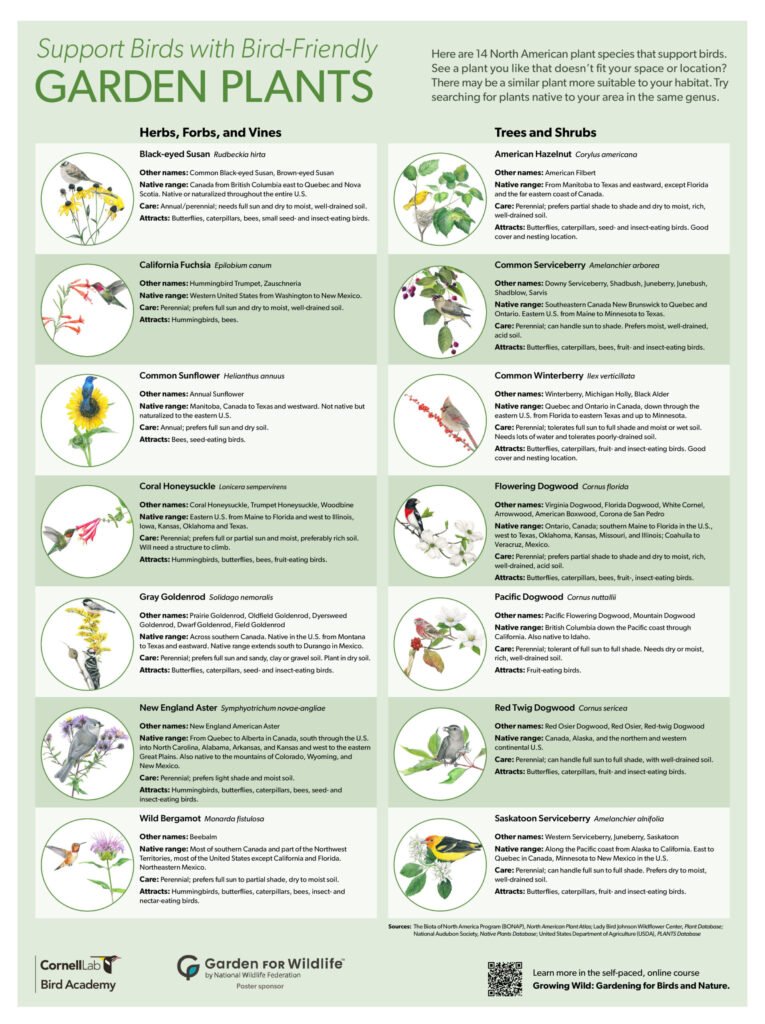
Use garden bird-friendly planting principles to choose native plants, build layered habitat, and provide natural food and shelter throughout the year.
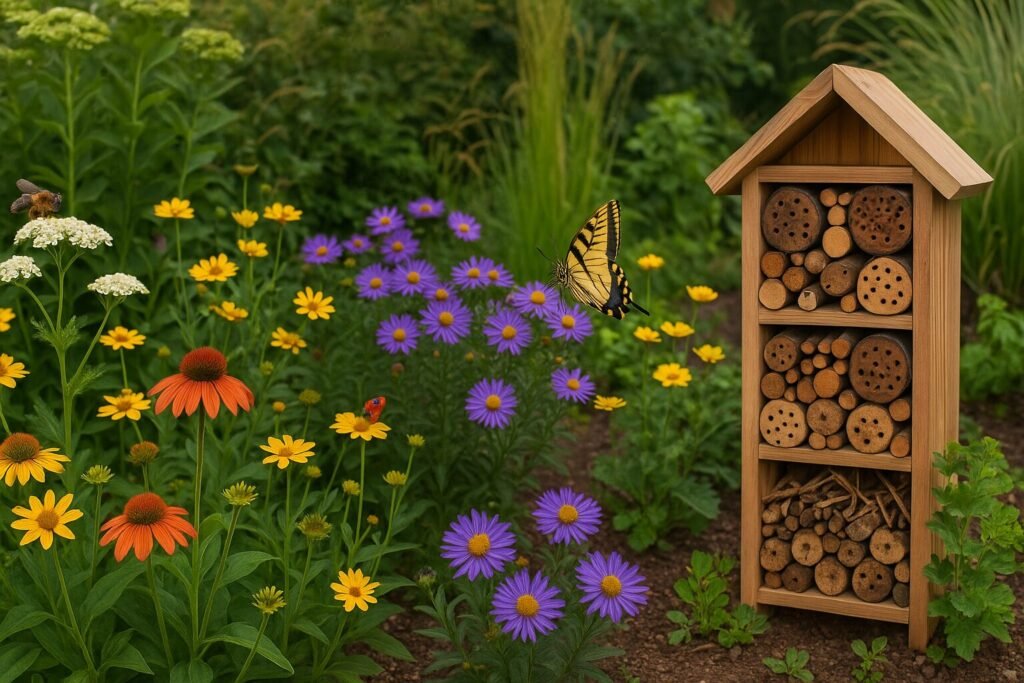
Plan garden beneficial insect habitat design with native flowers, nesting sites, shelter, and safer pest care to support a healthy U.S. garden.
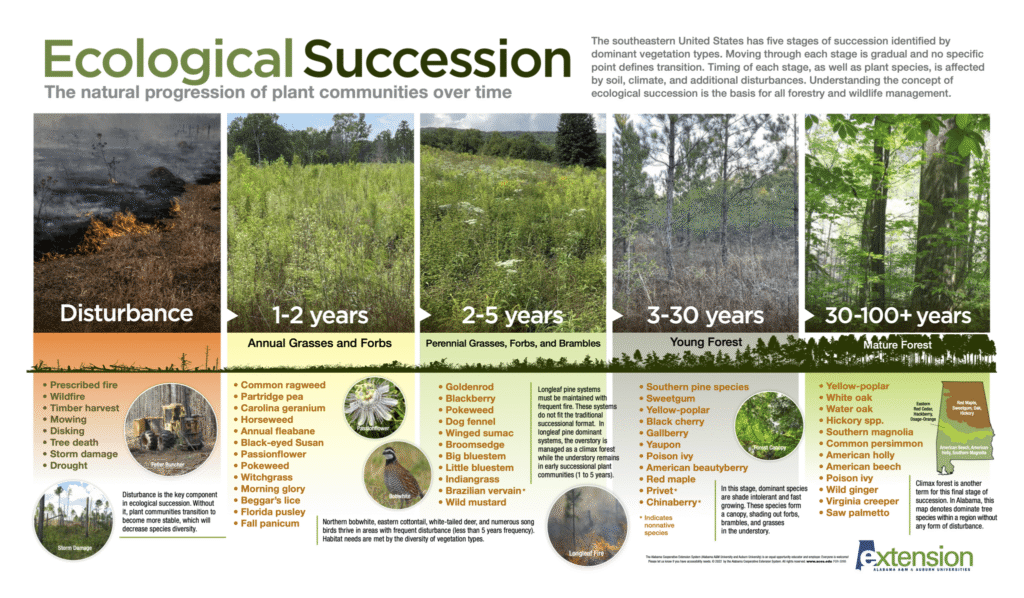
Learn how garden ecological succession changes plant life over time and how to guide each stage with simple, nature-friendly garden practices.
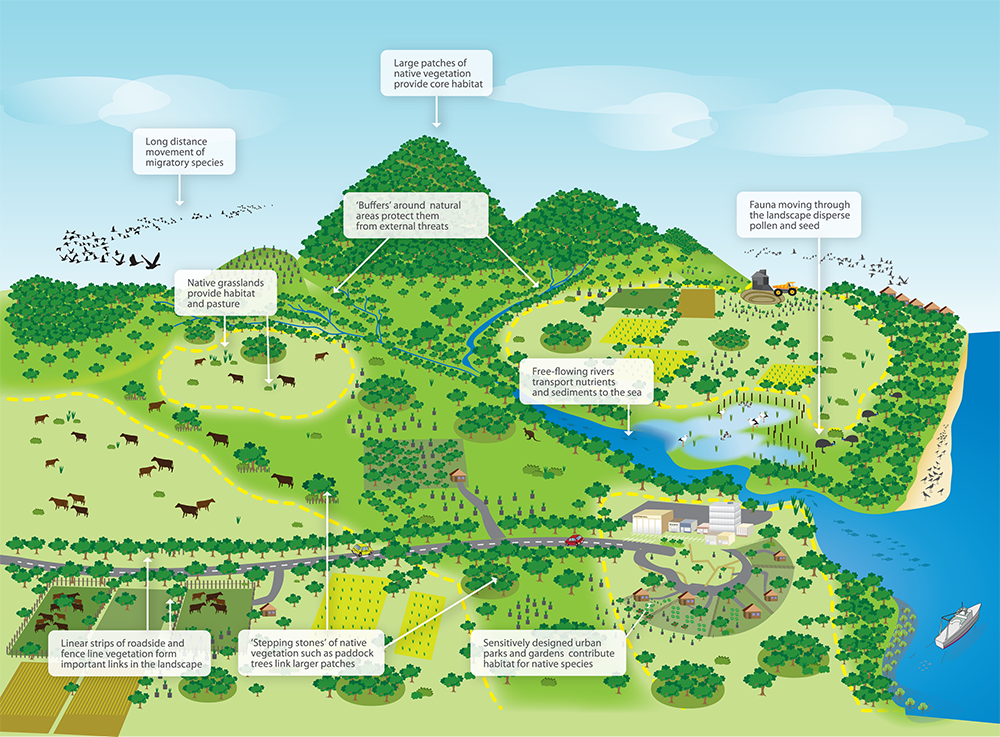
Garden habitat connectivity helps wildlife move between yards, parks, and natural areas. Learn how to build useful links with native plants and safer spaces.
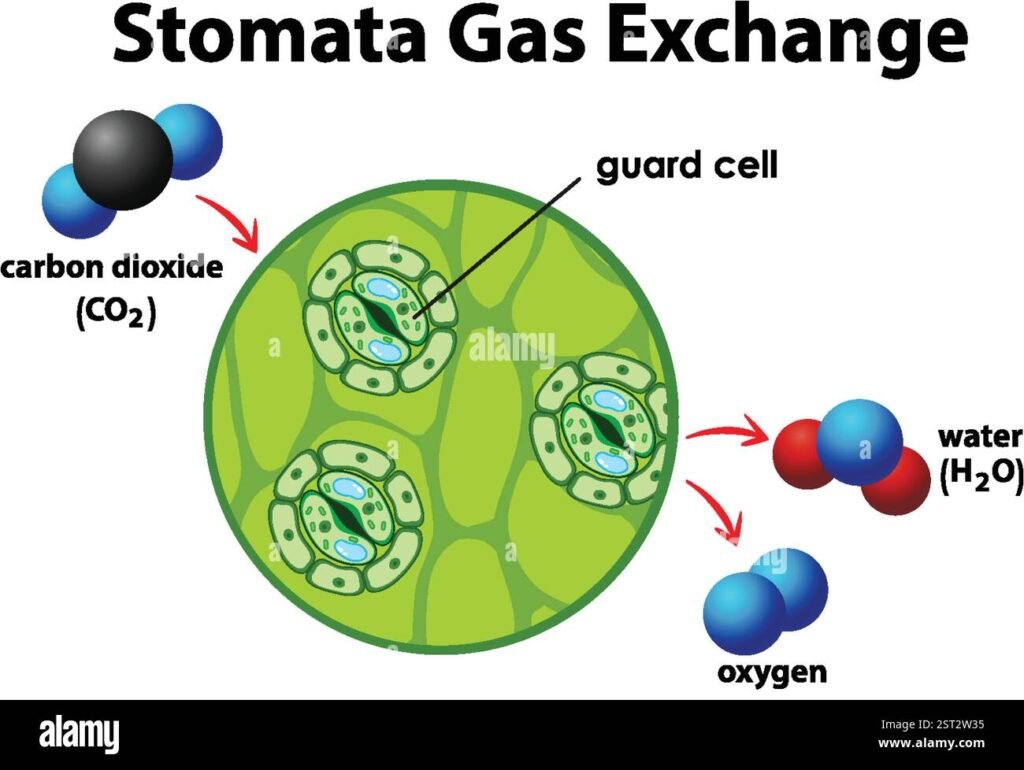
Plant stomata and gas exchange explained: learn how tiny leaf pores control carbon dioxide intake, oxygen release, and water loss.
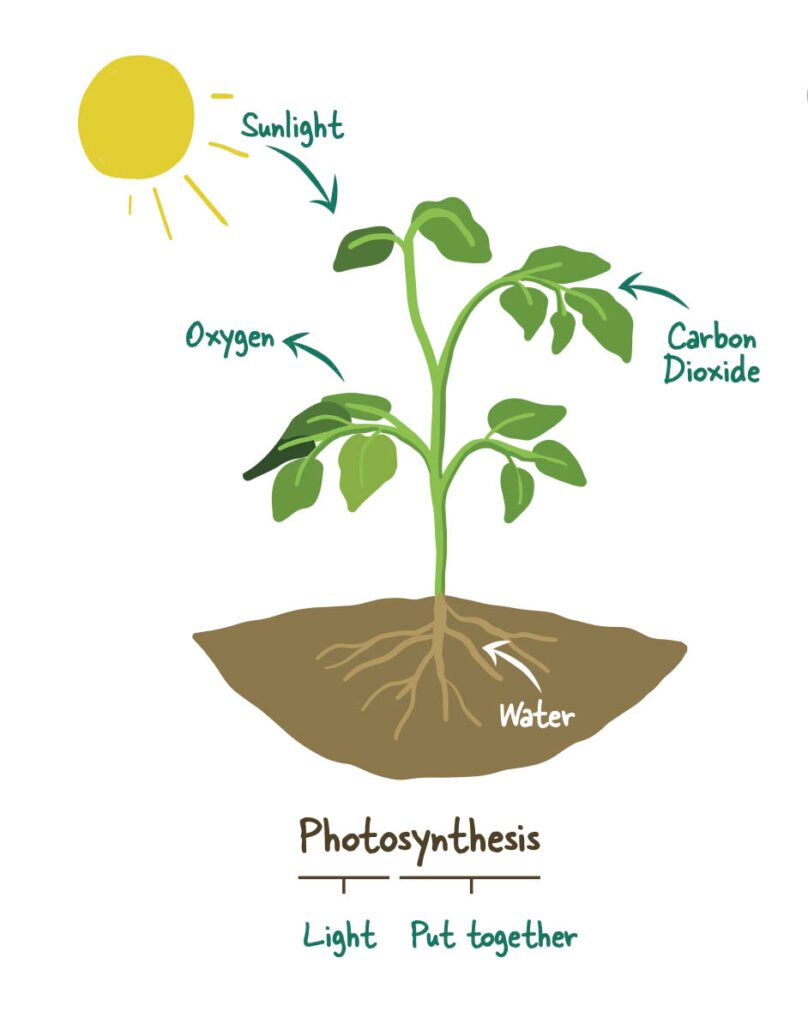
Plant photosynthesis basics for gardeners explained in plain English, with simple tips for light, water, leaves, and stronger garden growth.