A hose nozzle is for precise control; a watering wand offers gentle flow and extended reach for plants.
I have spent years gardening, testing gear, and comparing tools like the hose nozzle vs watering wand. I will walk you through clear differences, real pros and cons, and the best uses for each. Read on to pick the right tool for your garden, pots, or lawn with confidence.
What are a hose nozzle and a watering wand?
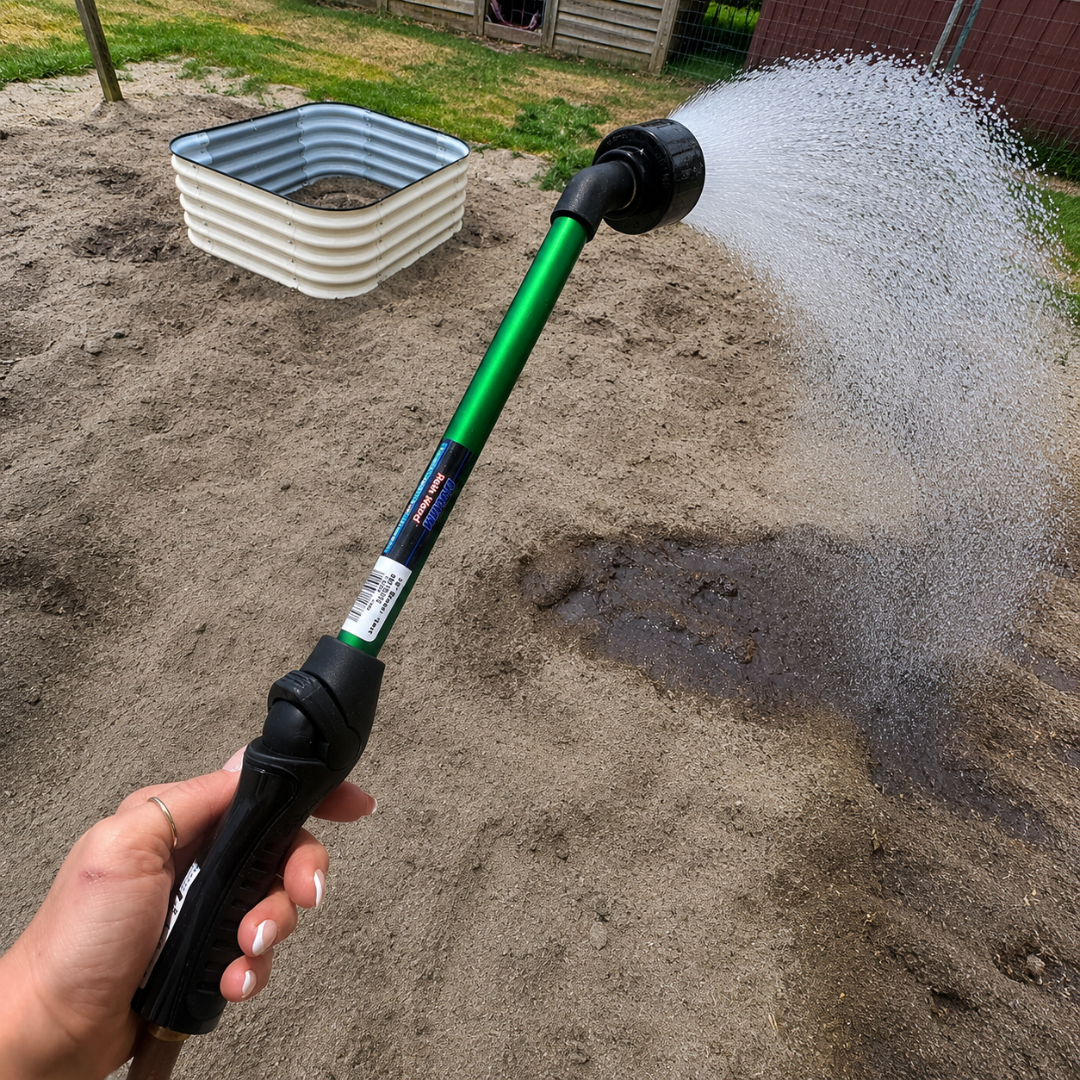
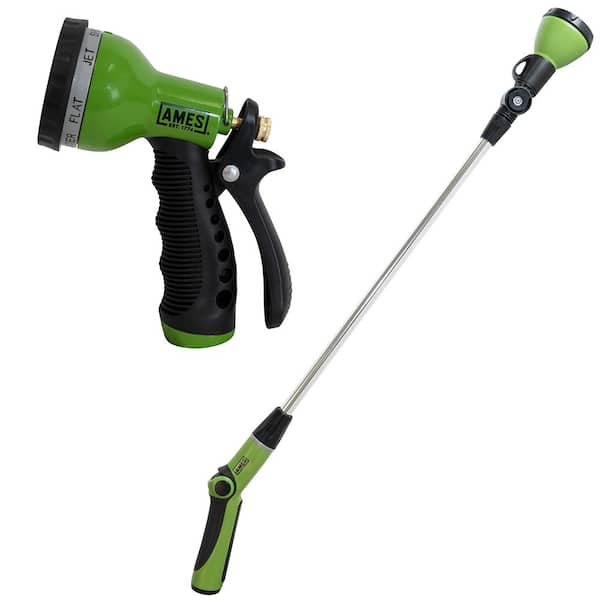
A hose nozzle is a small fitting that attaches to a hose end. It offers many spray patterns and quick flow control. Most nozzles fit handheld use and give strong jets for cleaning or quick watering.
A watering wand is a longer tube with a gentle head at the tip. It gives reach and a softer spray. Wands are great for hanging baskets, deep pots, and seedlings.
Both tools help move water from hose to plant. But each fits different tasks. This guide explains when to pick each.

Hose nozzle vs watering wand: direct comparison
Choosing between a hose nozzle vs watering wand depends on need. Below is a side-by-side look at the traits that matter most.
- Reach
- Hose nozzle: Short reach. Best for ground-level plants.
- Watering wand: Long reach. Ideal for hanging baskets and tall planters.
- Flow control
- Hose nozzle: Quick, often with finger trigger. Many spray modes.
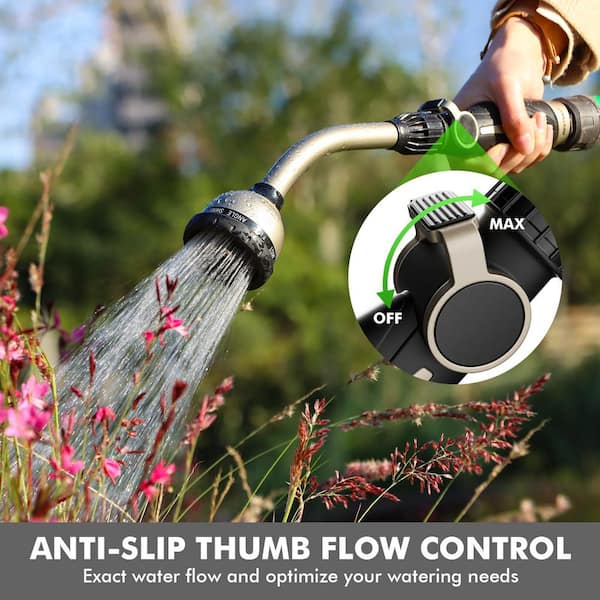
- Watering wand: Slower and steadier flow. Some have an on/off valve.
- Spray gentleness
- Hose nozzle: Can be harsh at high pressure.
- Watering wand: Gentle, rain-like flow for delicate plants.
- Precision
- Hose nozzle: More precise. Good for spot watering and cleaning.
- Watering wand: Less precise, but better for large area and crowns.
- Ease of use
- Hose nozzle: Light and nimble. Good for short tasks.
- Watering wand: Longer and heavier. Helps avoid bending.
- Durability and cost
- Hose nozzle: Wide price range. Metal bodies last longer.
- Watering wand: Often more costly. Brass or reinforced models last best.
PAA-style questions
Which is better for hanging baskets?
A watering wand is usually better. It reaches up and gives a soft flow that protects roots and foliage.
Can a wand reduce water waste?
Yes. A controlled gentle flow placed near soil reduces runoff and waste.
Is a nozzle better for cleaning tools or patios?
Yes. The stronger spray patterns of a hose nozzle work well for cleaning jobs.

Benefits of a hose nozzle and benefits of a watering wand
Both tools have clear benefits. List below helps match tool to task.
Benefits of a hose nozzle
- Fast switch between spray patterns for many tasks.
- Strong jets for cleaning and lawn edges.
- Compact and easy to store.
- Usually less costly for basic models.
Benefits of a watering wand
- Extended reach avoids bending and strain.
- Gentle, even flow for seedlings and flowers.
- Reduces splashing and soil erosion.
- Better for deep pots and hanging baskets.
Use the hose nozzle vs watering wand idea to pick tools by task. If you water many tall planters, lean to a wand. If you clean and water quick spots, a nozzle often wins.

Limitations and when not to use each
No tool is perfect. Know limits to avoid damage or wasted time.
Hose nozzle limitations
- Can bruise delicate foliage at high pressure.
- Finger triggers may tire hands during long watering.
- Narrow reach means more bending.
Watering wand limitations
- Slower flow can take more time for large lawns.
- Heavier for long sessions.
- More costly to buy and repair.
When not to use a hose nozzle
- Avoid for seedlings or delicate hanging baskets.
- Do not use high-pressure settings near roots.
When not to use a watering wand
- Avoid on large turf or heavy cleanup where high pressure helps.
- Not ideal when you need quick, powerful cleaning jets.
Source: homedepot.com
How to choose: buying guide and practical tips
Pick based on plants, posture, and tasks. Follow simple checks before you buy.
Consider your plants
- For seedlings, potted plants, and hanging baskets choose a watering wand.
- For lawns, decks, and cleaning choose a hose nozzle.
Think about comfort
- If you bend a lot, a wand reduces strain.
- If you move fast, a nozzle is lighter and speedier.
Look at valve and flow controls
- Choose a nozzle with multiple patterns and a lockable trigger.
- Choose a wand with an on/off valve near the handle for ease.
Materials and build
- Brass or metal bodies last longer than plastic.
- Rubber grips improve comfort and reduce slip.
Extra features to consider
- Flow restrictors to save water.
- Swivel connectors to prevent hose twist.
- Replaceable heads for longer life.
Budget tips
- Spend more on durability if you water often.
- Choose mid-range for casual gardeners.
Final quick test
- Hold tool in hand. Check balance and grip.
- Run water. Test spray patterns and valve action.
- If it feels right, it likely will work for you.

Source: amazon.com
Maintenance and care
Simple care keeps tools working for years. Follow these basic steps.
- Drain after use to prevent freezing damage in cold climates.
- Rinse sediment from heads to avoid clogging.
- Replace washers yearly to stop leaks.
- Store indoors or under cover to extend life.
- Tighten fittings and check seals regularly.
If you find mineral build-up, soak the head in a mild vinegar solution. Rinse well before use. Regular checks cut repair costs and water waste.
Personal experience and real-life tips
I have used both tools for years. I garden in small beds and a mix of pots. Here’s what I learned.
- I use a nozzle for quick cleanup and initial deep watering. It speeds chores.
- I switch to a wand for hanging baskets and young seedlings. It saves plants.
- On hot days, the wand’s gentle flow keeps soil moist without overflow.
- I chose a brass-wand model. It lasted several seasons with little care.
- My biggest mistake was buying a cheap plastic wand. It cracked in winter.
Practical tips I follow
- Keep both tools handy. Use each where it fits best.
- Label hose ends so you don’t mix up attachments.
- Use a quick-connect system to swap tools fast.
These small habits save time and water. They also keep plants healthier and hands happier.

Frequently Asked Questions
What is the main difference between a hose nozzle and a watering wand?
The main difference is reach and spray gentleness. Nozzles give many patterns and power. Wands give reach and a softer flow.
Can I use a watering wand for lawn watering?
You can, but it is slower. Wands are best for targeted pots and baskets, not large lawns.
Which tool saves more water?
A watering wand often saves water for delicate plants by reducing runoff. Proper technique matters most.
Are metal models worth the price?
Yes. Metal models typically last longer and resist damage. They are a good long-term investment.
How do I prevent leaks at the hose connection?
Use good washers and a swivel connector. Tighten fittings and replace worn parts.
Conclusion
Hose nozzle vs watering wand comes down to task and comfort. Choose a nozzle for quick work and power. Pick a wand for reach and gentle care. Try both if you can. Test them in your garden to see what fits your routine and plants.
Takeaway: match the tool to the job. Your plants and back will thank you. If this guide helped, test one tool this week or leave a comment about what worked for you.