Potting soil contains natural soil; potting mix is lighter, soilless, and best for containers.
I’ve spent years growing houseplants, vegetables, and ornamentals in containers, so I know how confusing the labels can be. This article breaks down Potting Soil vs Potting Mix with clear definitions, real-world advice, DIY recipes, buying tips, and troubleshooting so you can pick the right medium for your plants and avoid common mistakes.
What exactly is Potting Soil vs Potting Mix?
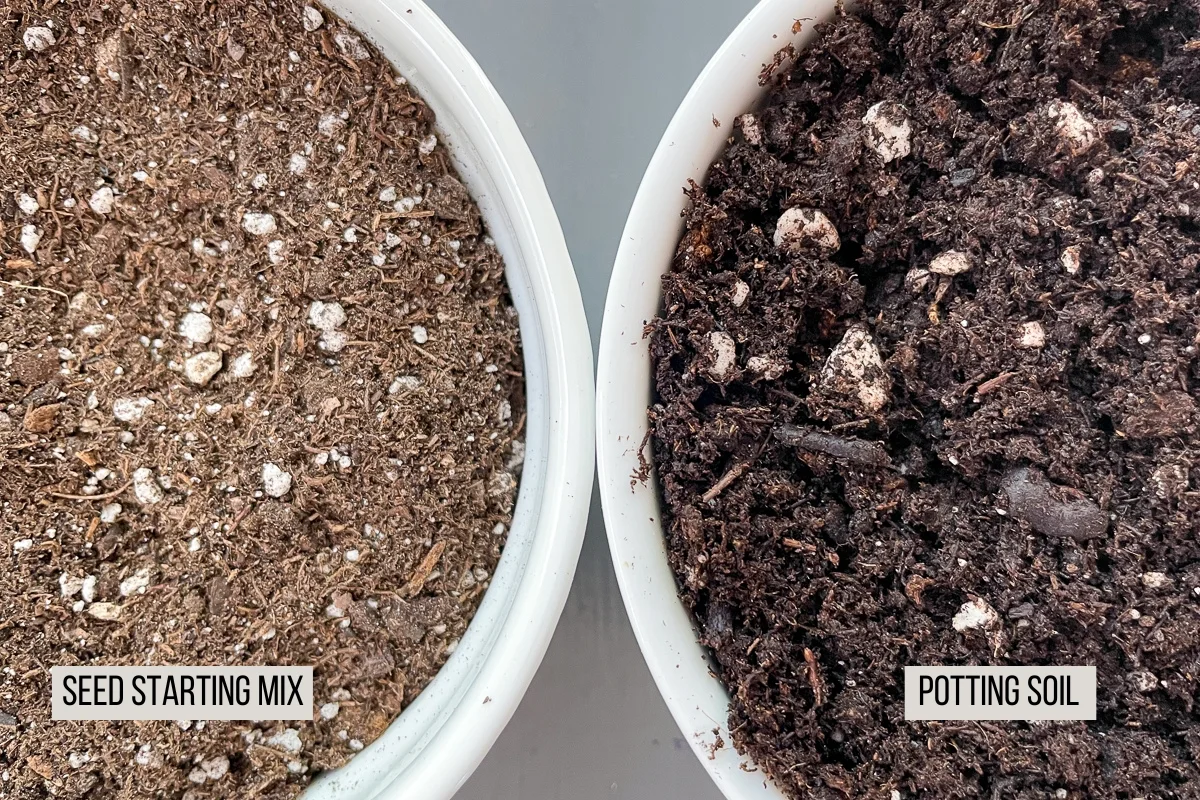
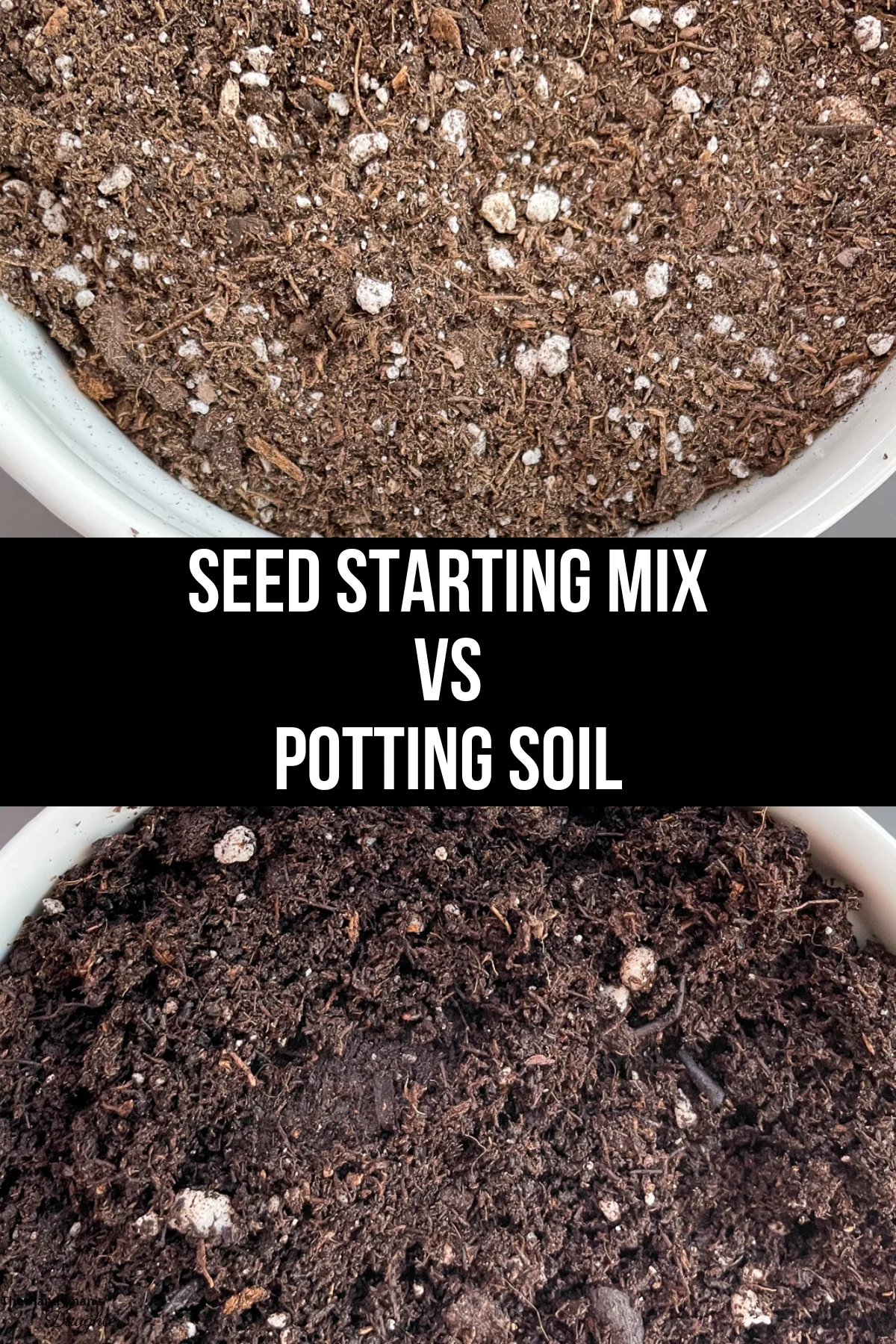
Potting Soil vs Potting Mix is a question of ingredients and intent. Potting soil usually contains garden soil, compost, and organic material. Potting mix typically excludes native soil and focuses on lightweight components like peat, coir, perlite, and vermiculite.
Potting Soil vs Potting Mix differs in weight, drainage, and nutrient content. Soil-based blends hold water and nutrients longer. Mixes drain faster and let roots breathe, which helps prevent rot in containers.
Key differences at a glance:
- Potting soil contains real soil and organic matter.
- Potting mix is soilless and engineered for containers.
- Potting soil is heavier; potting mix is lighter and more airy.

Common ingredients and what they do
Understanding ingredients makes the Potting Soil vs Potting Mix choice simple. Here are common parts and their roles.
- Peat moss or coconut coir — Holds moisture and organic matter in potting mix.
- Perlite — Adds aeration and drainage to mixes.
- Vermiculite — Retains water and nutrients, used in both soil and mixes.
- Compost — Adds nutrients and beneficial microbes, common in potting soil.
- Native garden soil — Gives weight and mineral content to potting soil.
- Sand or grit — Improves drainage for succulents and cacti.
When you compare Potting Soil vs Potting Mix, think about drainage, weight, nutrient needs, and the plant’s root style. Shallow-rooted houseplants like airy potting mix. Deep-rooted or heavy feeders may appreciate soil-based blends.

Benefits and limitations of each
Both potting soil and potting mix have strengths. Knowing them helps you match plants to media.
Benefits of potting soil:
- Slower drying, so it suits thirsty plants and outdoor containers.
- Often richer in organic nutrients.
- Less frequent watering for large pots.
Limitations of potting soil:
- Heavy, which can stress hanging pots or balconies.
- Poor drainage can cause root rot if not amended.
- May compact over time.
Benefits of potting mix:
- Excellent drainage and aeration for healthy roots.
- Lightweight and easy to move.
- Less risk of pests from native soil.
Limitations of potting mix:
- Dries faster, so watering frequency rises.
- Typically needs added fertilizer for heavy feeders.
- Some mixes use peat, which carries sustainability concerns.
When weighing Potting Soil vs Potting Mix, your choice should match plant type, pot size, watering habits, and where you live.
:max_bytes(150000):strip_icc()/soil-157-d111505_horiz-0f115136cf114fc3bc8d93a0235e9c8b.jpg)
When to use potting soil vs potting mix
Choosing between Potting Soil vs Potting Mix depends on plant needs and container type.
- Seed starting — Use a fine, soilless potting mix for sterile, fluffy structure.
- Houseplants — Most do best in potting mix for drainage, except plants that like moist soil.
- Vegetables in large containers — Potting soil or a mix with compost gives nutrients and water retention.
- Succulents and cacti — Use a gritty potting mix with extra sand or pumice.
- Outdoor planters — Potting soil helps keep moisture but ensure good drainage holes.
I recommend potting mix for most indoor plants and potting soil for large outdoor planters and heavy feeders.

How to choose the right product
Picking the right product saves time and plants. Follow a few simple steps when shopping.
- Read the label — Check ingredients and proportions.
- Match plant needs — Drainage-loving plants need mixes; moisture lovers benefit from soil blends.
- Consider pot size — Small pots dry fast; choose blends that retain some moisture.
- Check for additives — Slow-release fertilizer and wetting agents can be helpful.
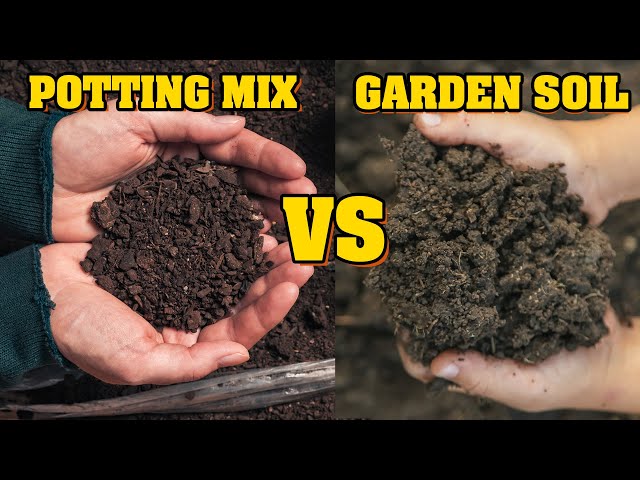
- Avoid garden soil for containers — It compacts and may contain pests or pathogens.
When evaluating Potting Soil vs Potting Mix, prioritize drainage, weight, and nutrition over brand claims. I always test a small bag before repotting an entire collection.

DIY recipes: Simple potting mix and soil blends
Making your own mix gives control and saves money. Here are two easy recipes.
Classic potting mix (good for houseplants):
- 2 parts coconut coir or peat moss
- 1 part perlite
- 1 part compost
Mix well. Add a handful of slow-release fertilizer if needed.
Soil-based container blend (for outdoor planters):
- 1 part garden soil (well-sifted)
- 1 part compost
- 1 part coarse sand or grit
Stir to combine. Sterilize garden soil before use if disease is a concern.
When you make blends, always test drainage and adjust components to match Potting Soil vs Potting Mix needs.
Common mistakes and troubleshooting
Gardeners often mix potting soil and potting mix without a plan. Avoid these errors.
- Using garden soil in small pots — It compacts and suffocates roots.
- Choosing a heavy soil for hanging baskets — They become too heavy when wet.
- Overlooking drainage holes — Even the best mix fails without drainage.
- Forgetting to fertilize potting mix — Soilless mixes need added nutrients for long-term growth.
- Reusing old media without rejuvenation — Refresh with compost or replace after a year or two.
If plants are root-bound, yellowing, or soggy, check the medium and drainage. Repot with the appropriate potting mix or soil to correct the issue.
Environmental and sustainability considerations
Potting Soil vs Potting Mix also has an ecological side. Some ingredients raise concerns.
- Peat moss is common but not renewable quickly. Consider coconut coir as an alternative.
- Compost and recycled organic matter are sustainable choices.
- Avoid mixes with microplastics or excessive synthetic additives.
- Buy local to reduce transport emissions.
I switched to coir-based mixes years ago. My plants thrived and I felt better about the planet. Small choices add up.

Personal experience and practical tips
I’ve repotted hundreds of plants. These are lessons I learned the hard way.
- Test a mix in one pot before committing to a full repot. It saves money and heartache.
- For mixed collections, keep a shelf with different blends: one general potting mix, one cactus mix, and one rich soil blend.
- Label pots with the mix used and the repot date. This helps track performance and watering needs.
- When traveling, move tropical plants to a soil-rich blend that holds moisture longer.
My biggest mistake was using straight garden soil in indoor pots. Roots suffocated, and recovery took months. Now I prefer potting mix for indoors and soil blends only where needed.
Frequently Asked Questions of Potting Soil vs Potting Mix
What is the main difference between potting soil and potting mix?
The main difference is ingredients: potting soil contains natural soil and compost, while potting mix is soilless and made for drainage and aeration. Mixes reduce compaction and are lighter for containers.
Can I use garden soil in pots instead of potting mix?
Garden soil can be used in large outdoor containers after sterilizing and amending, but it usually compacts and drains poorly in small indoor pots. Soilless potting mix is safer for most container use.
Which is better for seedlings: potting soil or potting mix?
A fine, sterile potting mix is better for seedlings because it is light, disease-free, and supports young root growth. Soil-based media risk pathogens and compaction for delicate seedlings.
Do I need to fertilize potting mix?
Yes. Most potting mixes are low in nutrients and require regular feeding with liquid fertilizer or slow-release pellets during the growing season. Check the label for any included nutrients.
How often should I repot plants in potting mix or potting soil?
Repot every 12 to 24 months for most plants, or sooner if roots outgrow the pot, drainage worsens, or the mix compacts. Refreshing the medium keeps roots healthy and plants vigorous.
Conclusion
Potting Soil vs Potting Mix comes down to ingredients, drainage, weight, and plant needs. Choose potting mix for indoor plants, seedlings, and any situation that needs light, airy media. Choose potting soil or a soil-rich blend for large outdoor containers and heavy feeders. Test small batches, label your pots, and adjust mixes to match plant behavior.
Take action today: examine the pots you own, pick one plant to repot with the correct medium, and note the change. If this guide helped, subscribe for more practical planting advice or leave a comment with your favorite mix.