String trimmer trims grass and edges; lawn edger creates a clean, permanent border for lawns.
I’ve spent years caring for yards and testing tools, so I know the strengths and limits of each option. This article breaks down string trimmer vs lawn edger with clear, practical advice. You’ll learn what each tool does best, when to choose one over the other, how to buy, and how to use them safely. Read on to make smarter lawn-care choices and get crisp edges without wasted effort.

How string trimmers and lawn edgers differ
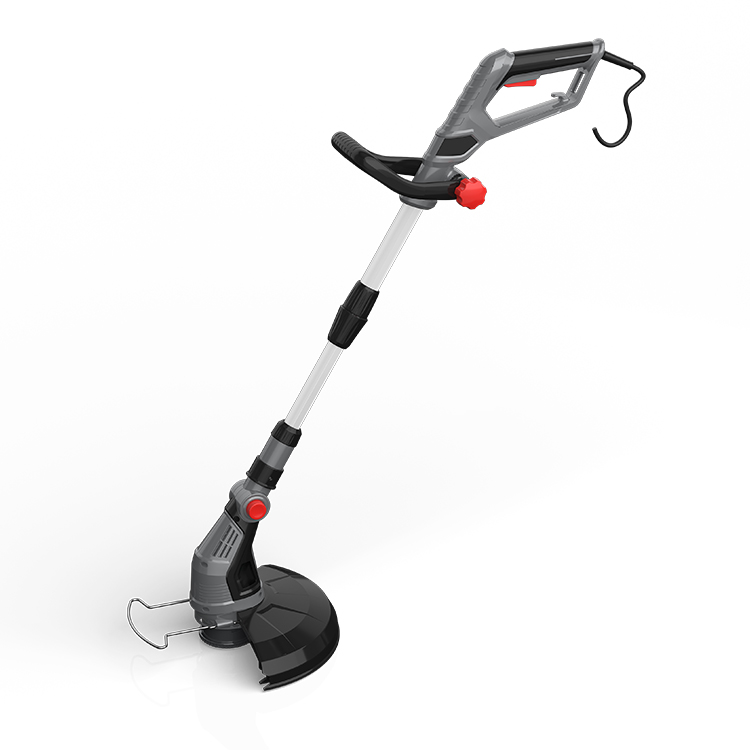
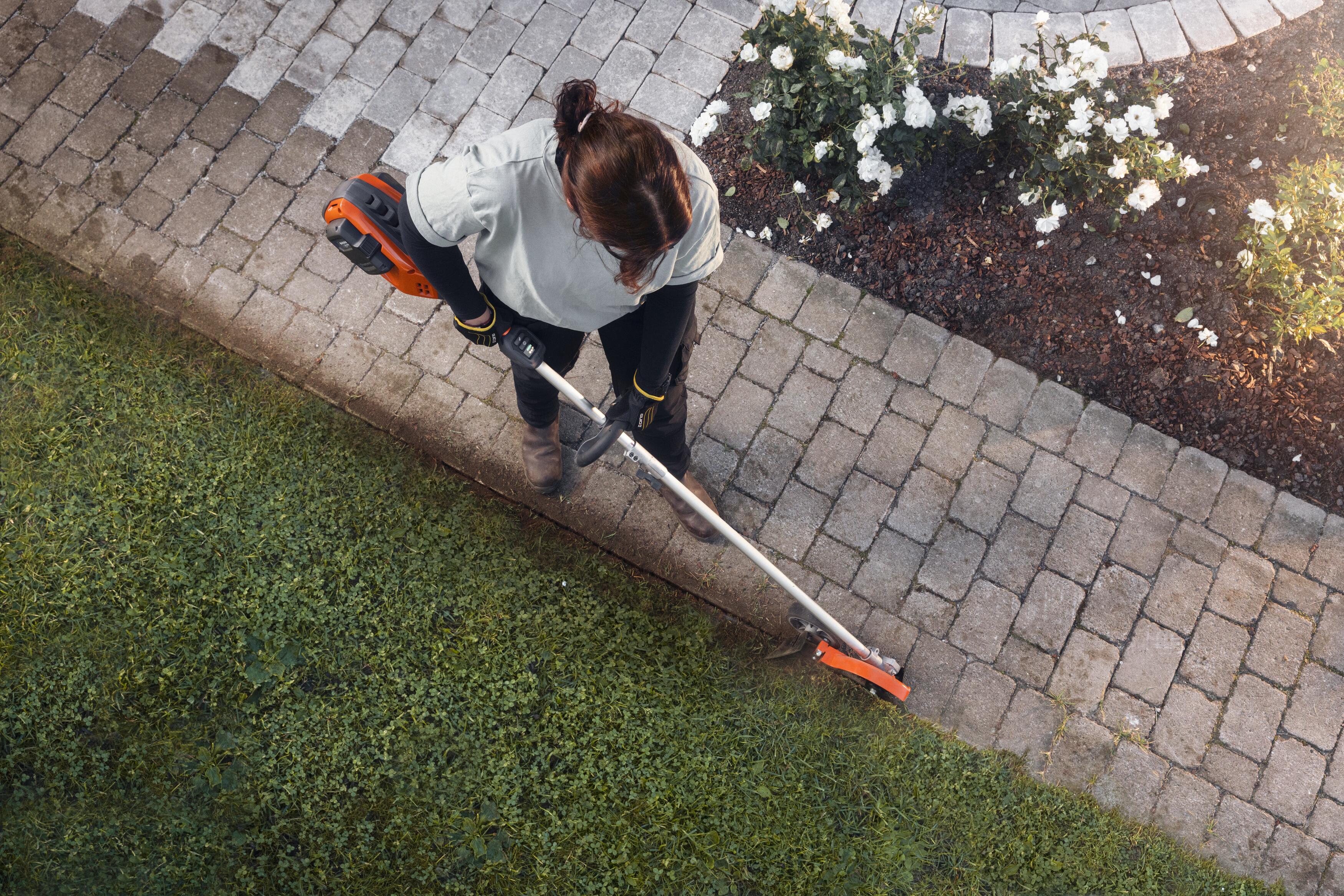
A string trimmer uses a fast-spinning nylon line to cut grass and light weeds. A lawn edger uses a blade to cut a neat trench between turf and hard surfaces. The difference is tool action: trimming slices or shreds grass; edging severs turf roots for a lasting border.
Key technical contrasts:
- Power source options include gas, battery, and corded for both tools, but torque and RPM needs differ.
- Cutting method differs: flexible line versus hardened steel blade.
- Result differs: quick tidy-up versus durable, crisp edge that resists grass creeping back.
I will use clear examples and simple tests to show where each tool shines so you can match tool to task.

Pros and cons of string trimmer vs lawn edger
Comparing string trimmer vs lawn edger helps set expectations before you buy or rent. Below are strengths and trade-offs for each tool.
String trimmer — pros and cons:
- Pros: fast to use, lighter, easy for curves and tight spots, low cost for basic models.
- Pros: battery models are quiet and low maintenance.
- Cons: edges are temporary; trimmed grass can look ragged near hard surfaces.
- Cons: nylon line wears fast near concrete and requires frequent replacement.
Lawn edger — pros and cons:
- Pros: creates clean, lasting borders that slow grass encroachment.
- Pros: professional look; good for driveways, patios, and formal flower beds.
- Cons: heavier and often slower work than trimming.
- Cons: blade care and occasional sharpening add maintenance time.
When you weigh string trimmer vs lawn edger, pick the tool that meets your routine needs and the finish you want.

When to use a string trimmer vs a lawn edger
Choosing between string trimmer vs lawn edger depends on the job, the finish you want, and how often you maintain the lawn.
Use a string trimmer when:
- You need quick cleanups around trees, fences, and garden beds.
- You face curved borders or irregular shapes.
- You want a light tool for weekly chores or spot work.
Use a lawn edger when:
- You want a straight, hard edge along sidewalks, driveways, and garden beds.
- You plan seasonal shaping and want a long-lasting border.
- You prefer a formal, trimmed appearance to a native or cottage look.
PAA-style practical questions
What if my yard has both curves and straight edges?
- Use a string trimmer for curves and an edger for sidewalks and driveways. Combining both gives neat, consistent results.
Can a string trimmer replace an edger?
- For quick and casual care, yes. For a professional, lasting edge, no—an edger does the permanent cut.
How often should I edge versus trim?
- Trim weekly or biweekly for growth control. Edge seasonally or every few months to maintain the border.
How to choose the right tool for your lawn
Picking between string trimmer vs lawn edger is easier when you match tool features to your yard and habits.
Consider these buying tips:
- Yard size: battery string trimmers suit small yards; gas models or heavier edgers are better for large areas.
- Surface type: concrete and pavers favor edgers; soft soil works well with either tool.
- Frequency: if you edge rarely, a manual or inexpensive powered edger is fine. If you edge often, invest in a quality edger or a combined tool.
- Comfort and weight: try tools in person to check balance and vibration. Ergonomics reduce fatigue over long sessions.
Personal insight from hands-on testing
- I replaced my basic string trimmer with a brushless battery model for quick weekday touch-ups. It cut noise and fumes. For spring cleanup I still use a wheeled edger to reset lawn borders. This combo saved time and gave the clean look I wanted.
A short checklist before buying:
- Confirm power source fits your maintenance routine.
- Check spool type and blade quality.
- Read simple performance specs like run time, cutting width, and blade RPM for edgers.

Maintenance and safety tips for string trimmer vs lawn edger
Good upkeep keeps tools working and lowers injury risk. Both string trimmer vs lawn edger require regular care.
Basic maintenance for string trimmers:
- Replace or rewind line as needed and keep spare spools on hand.
- Clean air intakes on gas models and charge or maintain batteries for electric units.
- Inspect guards and harness points for wear.
Basic maintenance for lawn edgers:
- Keep blades sharp and free from rust.
- Check blade mounts and tightening bolts before use.
- Use proper blade guards and replace damaged parts promptly.
Safety tips for both:
- Wear eye protection, long pants, gloves, and hearing protection.
- Clear the work area of stones, toys, and debris that can become projectiles.
- Operate at a comfortable pace; force makes mistakes and increases wear.
From experience: a sharp edger blade and fresh trimmer line reduce the number of passes you need. That saves time and limits stress on the tool.
Frequently Asked Questions of string trimmer vs lawn edger
What is best for creating a permanent edge?
A lawn edger is best for a permanent, clean edge because it cuts roots and forms a trench that resists regrowth. A string trimmer only trims surface growth and needs more frequent redoing.
Can a string trimmer damage pavers or driveways?
Yes, string trimmer line can bounce off hard surfaces and cause chips over time if used carelessly. Keep a small clearance and use an edger for close work on hard edges.
Are battery models powerful enough for edging?
Modern battery string trimmers are fine for light to medium tasks and many trimming jobs. For heavy-duty edging or prolonged use, a gas edger or high-voltage battery edger is better.
How often should I sharpen an edger blade?
Sharpen the blade when it shows tearing or needs multiple passes to cut through turf, typically once a season for regular homeowners. More frequent use may require sharpening every month or two.
Is renting an edger a good option?
Renting works well if you need edging only a few times a year. Renting lets you use a heavier, professional model without buying and storing the tool.
Can I convert a string trimmer into an edger?
Some trimmers have edger attachments or a pivoting head for edging, but performance varies. For true, long-lasting edges, a dedicated edger remains superior.
Which tool is more eco-friendly?
Battery-powered trimmers and edgers produce less local pollution than gas models and are generally quieter. Proper use and disposal of batteries is important for environmental care.
Conclusion
Choosing between string trimmer vs lawn edger comes down to the finish you want and how often you maintain the lawn. Use a string trimmer for fast, flexible trimming and light cleanup. Use a lawn edger when you want a crisp, lasting border that looks professional. Try combining both tools: trim curves and delicate spots with a trimmer, then reset main borders with an edger for the best results.
Take action this week: assess your yard, pick the right power source, and try a short test run to see which tool solves your biggest problem. If this guide helped, leave a comment with your yard type or tool experiences and subscribe to stay updated on simple lawn-care tips.