Cordless mowers are quieter and cleaner, while gas mowers offer more raw power and longer run time.
I’ve tested and repaired both types over many seasons, so I know their strengths and limits. This guide dives into cordless lawn mower vs gas lawn mower trade-offs. You’ll get clear facts, real-world tips, and a simple checklist to pick the best mower for your yard and budget. Read on to learn what works for small, medium, and large lawns, and how to avoid common mistakes when choosing between cordless lawn mower vs gas lawn mower.

How cordless lawn mower vs gas lawn mower work
Cordless lawn mower vs gas lawn mower use different power sources. Cordless mowers run on rechargeable lithium-ion batteries and an electric motor. Gas mowers use a combustion engine that burns gasoline to spin the blade. Each system changes how you start, maintain, and operate the mower.
From my experience, cordless models feel lighter to push and start instantly. Gas mowers give strong, steady power for tall or wet grass. When weighing cordless lawn mower vs gas lawn mower, think about how often you mow and how big your yard is.
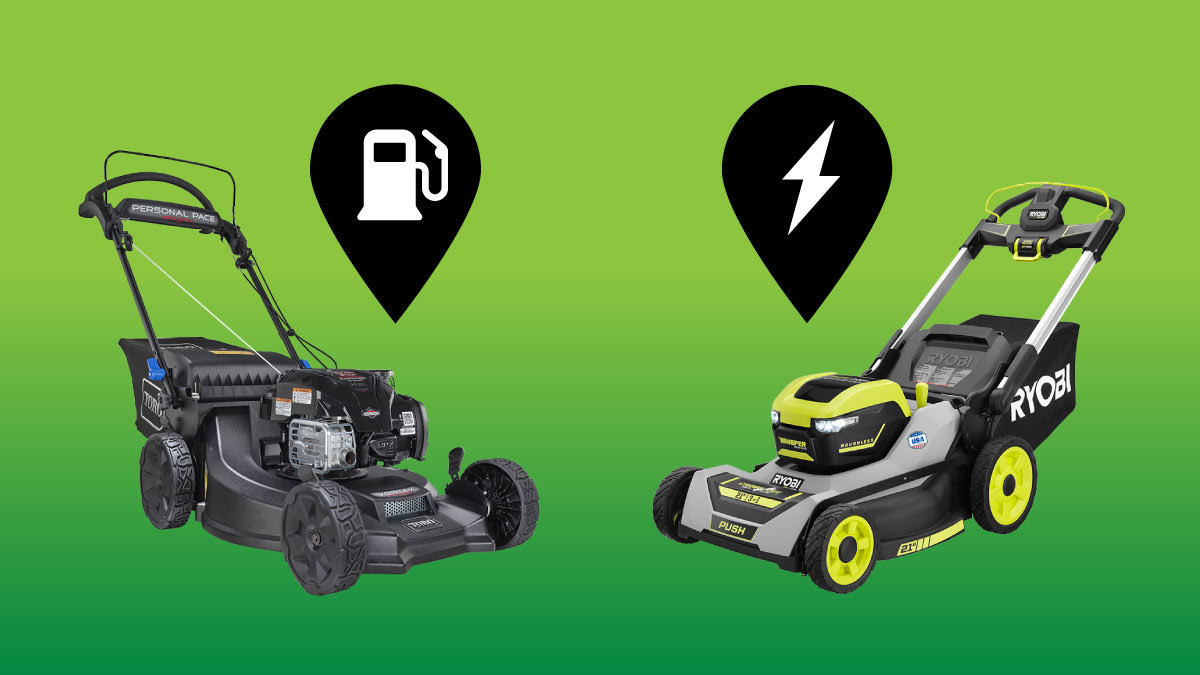
Performance and cutting power: cordless lawn mower vs gas lawn mower
Power and cut quality differ between the two. Cordless models have fast electric torque and clean blades. Gas mowers deliver more raw power for heavy work and long runtimes.
Key differences to note:
- Cutting torque and mulch ability vary with battery amperage and motor design. Higher-voltage cordless mowers match some gas models in torque.
- Deck size and blade design affect cut quality regardless of power source. Wide decks mow faster but need more engine or battery power.
- Slope and thick weeds favor gas mowers for consistent performance. Cordless mowers handle most yards but may slow on steep or dense terrain.
- Peak power bursts from cordless mowers are instant. Gas engines take a beat to rev but keep power steady.
If you often cut tall, wet grass, gas may win. For regular, weekly maintenance, cordless lawn mower vs gas lawn mower usually favors cordless for ease and speed.

Will a cordless mower cut thick grass as well as gas?
Yes, modern high-voltage cordless mowers can cut thick grass well. However, runtime and repeated passes may be limited compared to gas, especially on large or overgrown lawns.
Can cordless mowers handle slopes?
Cordless mowers handle mild slopes fine. For steeper hills, gas mowers or battery models with higher torque and traction are safer and more consistent.
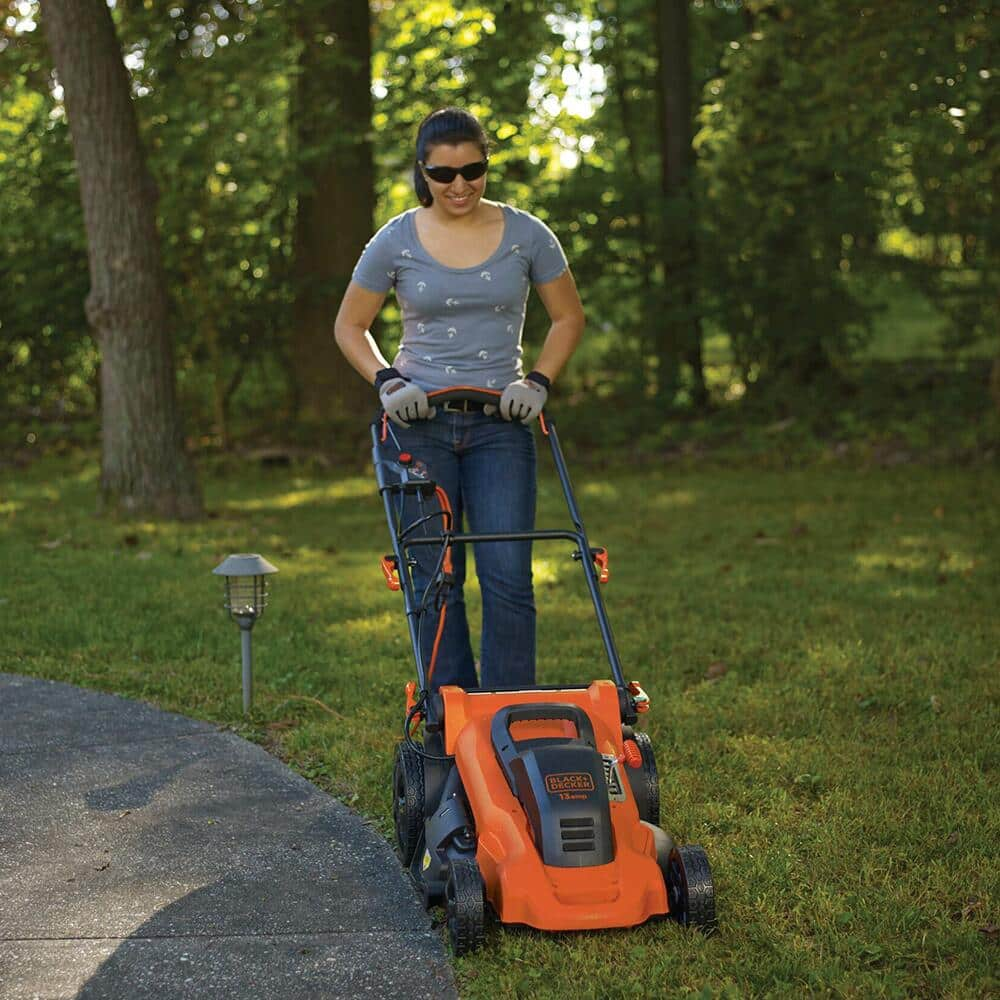
Runtime, charging, and refuel considerations
Runtime is a major factor in cordless lawn mower vs gas lawn mower choice. Cordless runtimes depend on battery capacity and mower efficiency. Expect 30–80 minutes per charge for many consumer models. Swapping a second battery doubles runtime and keeps you mowing without a long wait.
Gas mowers run until the tank is empty. Refueling takes a minute. Gas runtime varies with engine size and load. In my tests, a gas mower easily handles larger yards without stopping, while cordless often needs a spare battery or a charge break for big jobs.
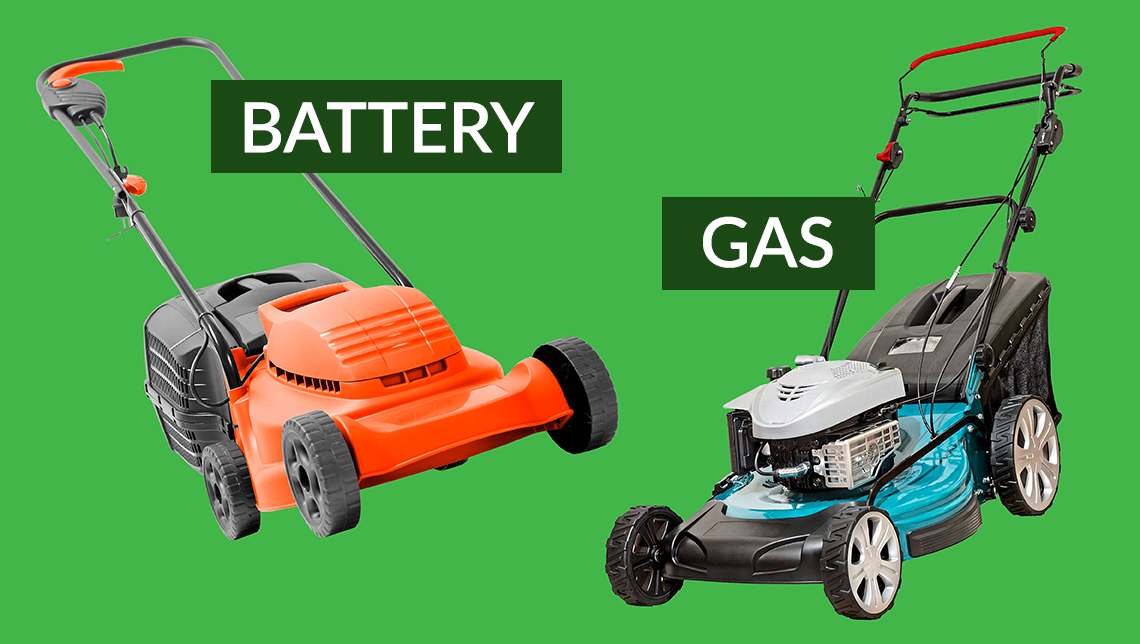
Maintenance and long-term costs
Long-term costs shape the cordless lawn mower vs gas lawn mower decision. Cordless mowers have fewer moving parts. They need less routine service but batteries will degrade over years.
Maintenance points:
- Cordless mower maintenance: blade sharpening, cleaning, occasional belt or wheel service, and battery care. Battery replacement is the main long-term cost.
- Gas mower maintenance: oil changes, spark plug and carburetor care, fuel stabilizer, air filter, and occasional engine tune-ups.
- Cost comparison: gas mowers often cost less up front for similar cutting decks. Over five years, gas maintenance and fuel can add up. Batteries are expensive but require little day-to-day work.
From my workshop experience, a well-kept cordless mower can reduce annual maintenance chores. Still, budget for a battery replacement after 3–5 years if you mow often.
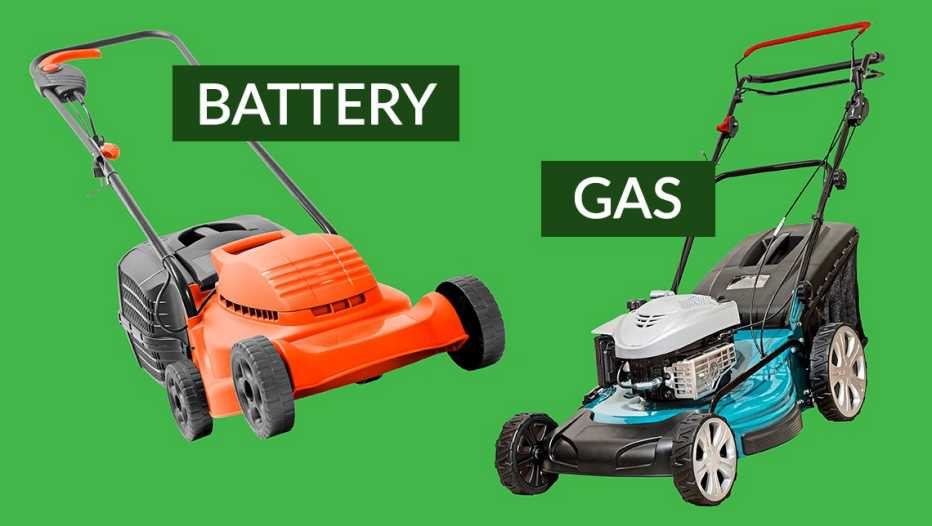
Environmental impact and noise
Environmental and neighborhood factors matter when comparing cordless lawn mower vs gas lawn mower. Cordless mowers produce zero tailpipe emissions and run quietly. Gas mowers emit CO2 and other pollutants and tend to be loud.
Practical points:
- Noise: cordless models cut noise by 50% or more compared to gas. This matters for early morning or late evening mowing.
- Emissions: cordless mowers shift emissions to power plants but remove local pollution from your yard. If your power is clean, the environmental win is larger.
- Regulations: some areas restrict gas blower and mower use on certain days. Cordless models often let you mow any time.
If you care about your carbon footprint and neighbor relations, cordless lawn mower vs gas lawn mower usually favors cordless.

Safety and convenience
Safety and convenience shape daily user experience. Cordless lawn mower vs gas lawn mower differ in start method, vibration, and storage needs.
Safety and ease notes:
- Start: cordless mowers start with a button or key. Gas mowers need a pull cord or electric start plus choke controls.
- Storage: cordless batteries should be stored indoors in winter. Gas mowers need stabilized fuel or drained tanks to avoid carburetor issues.
- Vibration and heat: cordless mowers run cooler and vibrate less. Gas engines produce more heat and vibration, which can fatigue you faster.
My tip: if you want quick, easy mowing with fewer spills and fumes, cordless wins. If you’re comfortable with fuel handling and upkeep, gas is still reliable.

Buying guide: choosing between cordless lawn mower vs gas lawn mower
Follow this checklist to decide which fits you best. Rate your yard on size, terrain, grass type, and how often you mow.
Checklist:
- Yard size under 1/4 acre: cordless is ideal for most users and tasks.
- Yard 1/4 to 1 acre: cordless with dual batteries or gas for uninterrupted work.
- Over 1 acre: gas mowers or riding mowers are usually more practical.
- Hilly or heavy weed growth: favor gas or high-torque cordless models.
- Noise or emissions concerns: pick cordless for a cleaner, quieter option.
- Budget: consider battery costs and replacement timing when choosing cordless lawn mower vs gas lawn mower.
- Storage and maintenance preferences: cordless requires indoor battery storage; gas needs fuel care.
I once swapped my old gas mower for a high-voltage cordless model. My lawn stayed neat and my evenings stayed quiet. I did buy a spare battery, and that solved every runtime worry.
Pros and cons summary
This quick comparison can help finalize your choice when weighing cordless lawn mower vs gas lawn mower.
Cordless pros:
- Quiet operation and no fumes.
- Low day-to-day maintenance.
- Instant starts and lighter weight.
- Good for small to medium yards with routine care.
Cordless cons:
- Limited runtime per battery.
- Higher initial price for high-capacity models.
- Batteries age and cost to replace.
Gas pros:
- Strong, long-lasting power for big or tough yards.
- Fast refuel and no waiting for charge.
- Often lower purchase price for larger decks.
Gas cons:
- More maintenance and emissions.
- Louder and can be harder to start.
- Fuel storage and winterizing required.
Frequently Asked Questions of cordless lawn mower vs gas lawn mower
What is better for a small city yard, cordless or gas?
For a small city yard, cordless is usually better. It is quiet, easy to start, and has low maintenance.
How long do batteries last on cordless mowers?
Battery life varies but expect 3–5 years with regular use. Lifespan depends on charge habits, storage, and how often you run full cycles.
Can a cordless mower replace a gas mower for a 1-acre lawn?
A high-end cordless system with two batteries can handle up to about 1 acre, but many users still prefer gas for large, continuous jobs. Consider a spare battery or quick charger for cordless solutions.
Are gas mowers more powerful than cordless mowers?
Gas mowers traditionally deliver more continuous power. Modern high-voltage cordless mowers can match gas power for many tasks but may lose runtime under heavy loads.
How do maintenance costs compare between cordless and gas mowers?
Cordless mowers have lower routine maintenance, but batteries represent a major periodic expense. Gas mowers need frequent oil, spark plug, and carburetor care that adds up over time.
Conclusion
Choosing between cordless lawn mower vs gas lawn mower comes down to your yard, priorities, and lifestyle. Cordless mowers win for quiet, low-maintenance yards and environmental concerns. Gas mowers still lead for raw power and long, uninterrupted mowing sessions. Use the checklist in this guide to match the mower to your yard size, slope, and budget. Try a cordless model if you value ease and quiet; choose gas if you need raw endurance and power. Share your yard size and needs in the comments or subscribe for more hands-on mower tips and model recommendations.