A weeding knife cuts deep roots fast; a hand weeder wins on control, comfort, and precision.
Choosing between a weeding knife vs hand weeder comes down to the job, the soil, and how much strain you want on your hands and back. I’ve used both in garden beds, sidewalk cracks, and tight spots around herbs, and the difference is bigger than most people expect. In this guide, I’ll break down how each tool works, where each one shines, and how to pick the right one without wasting time or energy.
Weeding knife vs hand weeder: what each tool does
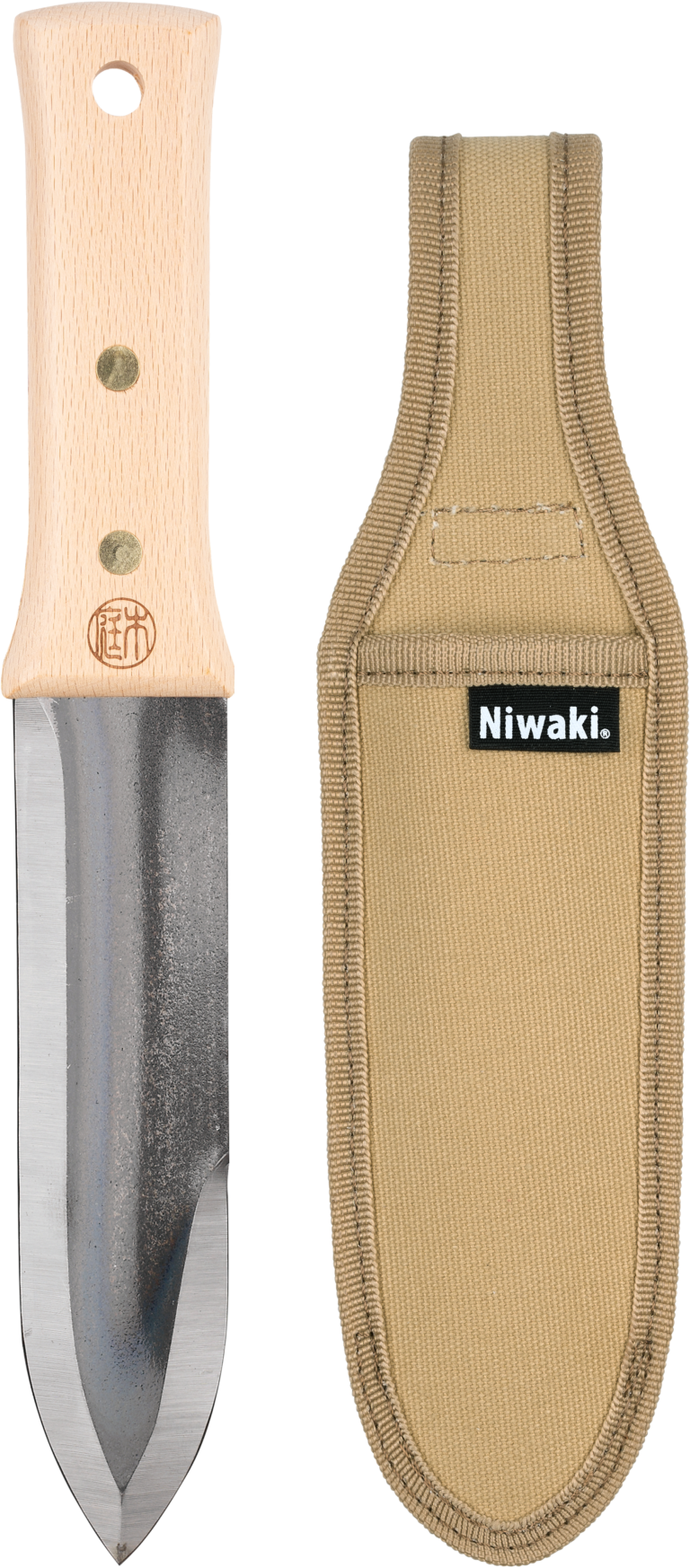
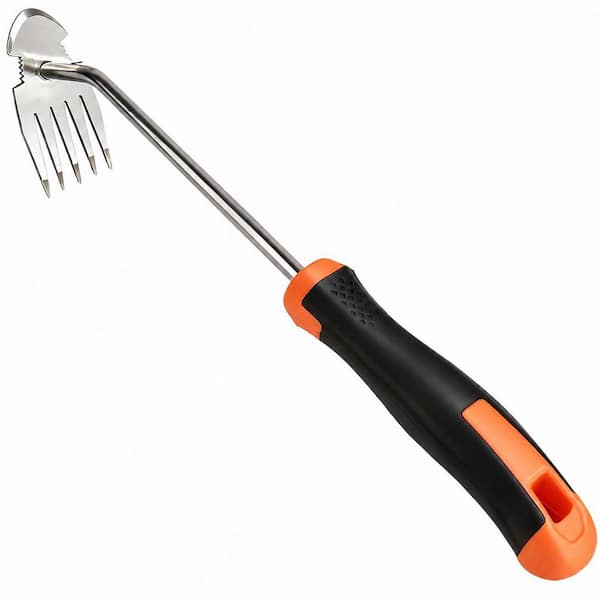
A weeding knife is a slim, sharp tool made to slice, pry, and dig out weeds, especially stubborn ones with long roots. A hand weeder is usually a small handheld tool with a narrow tip, fork, or claw shape that helps loosen soil and lift weeds from the root. Both tools aim to remove weeds, but they solve the problem in different ways.
In real garden work, that difference matters a lot. A weeding knife feels more like a root cutter and scraper, while a hand weeder feels more like a gentle extractor. If the weed is wedged into a crack or has a thick taproot, the weeding knife often feels like a mini rescue tool. If the soil is loose and the weed is small, the hand weeder is usually easier and safer to use.
How a weeding knife works
A weeding knife is best known for its narrow blade and strong tip. It can slice into compact soil, cut roots under the surface, and pry weeds out of tight gaps. Some models have a curved blade, serrated edge, or a long shank to help with leverage.
Here’s where it tends to do its best work:
• Deep-rooted weeds like dandelions and dock
• Weeds growing in cracks, borders, and paving joints
• Tough, compact soil where pulling by hand fails
• Overgrown weeds with thick stems or fibrous roots
I’ve found the weeding knife especially useful when a weed has snapped off at ground level and the root is still hiding below. That’s the moment many gardeners lose patience. The knife gives you a clean way to get under the root and finish the job.
Its downside is simple: it can be aggressive. In soft beds, it may disturb nearby roots or cut into plants you meant to keep. It also asks for careful wrist control, especially if the soil is hard.

How a hand weeder works
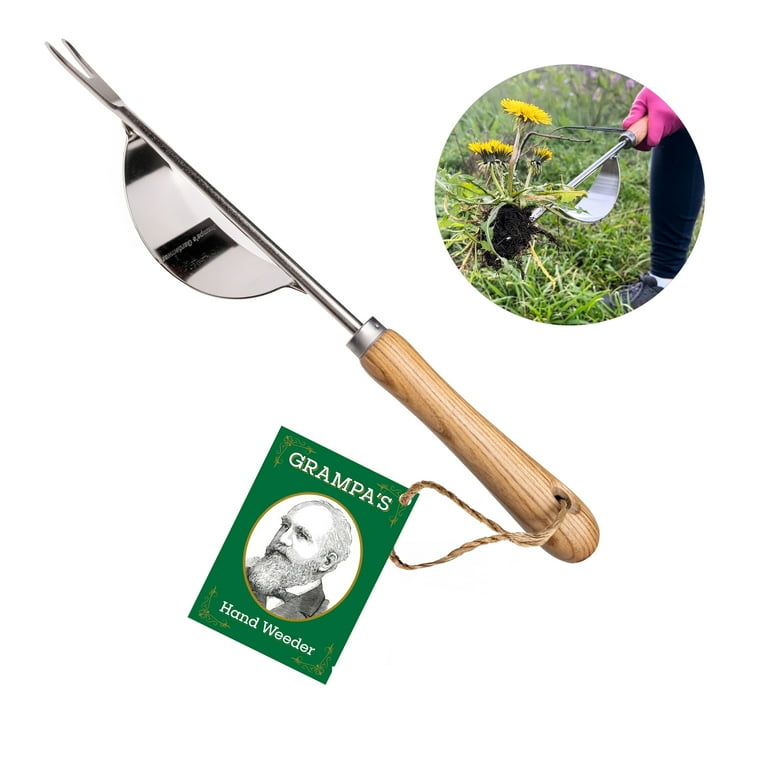
A hand weeder is designed for precision and comfort. Many models have a forked tip, a pointed blade, or a curved claw that slips under the weed and lifts it out. The goal is to remove the whole plant, including as much root as possible, with minimal soil disturbance.
It works best for:
• Small weeds in garden beds
• Young seedlings before roots spread
• Loose, moist soil
• Tight planting areas where accuracy matters
The hand weeder is the tool I reach for when I do not want to wreck the soil around a plant. It feels a bit like using chopsticks instead of a shovel. You can target one weed at a time, which is ideal when you care about nearby herbs, flowers, or shallow roots.
The main limitation is strength. If the weed is mature, woody, or deeply rooted, a hand weeder can bend, slip, or force you to work too hard. In those cases, it may feel slow and frustrating.
Weeding knife vs hand weeder: key differences
When you compare weeding knife vs hand weeder side by side, the best choice becomes clearer.
• Root removal: The weeding knife is better for deep or stubborn roots. The hand weeder is better for shallow roots and young weeds.
• Precision: The hand weeder is usually more precise. The weeding knife is more powerful but less delicate.
• Soil impact: The hand weeder disturbs less soil. The weeding knife can loosen or damage nearby areas more easily.
• Effort: A weeding knife often needs more leverage. A hand weeder usually feels lighter and easier in soft soil.
• Best setting: The knife works well in cracks, compact soil, and borders. The hand weeder works best in beds, pots, and loose ground.
If you garden often, think of it this way: the weeding knife is the problem-solver, and the hand weeder is the fine-tuning tool. One is not always better. The better tool is the one that fits the weed in front of you.
Which tool is better for different weeds
Not every weed behaves the same, so the tool choice should match the weed type.
• Dandelions: A weeding knife is often better because the taproot runs deep.
• Crabgrass: A hand weeder can work on young plants, but a knife helps once roots spread.
• Chickweed: A hand weeder is usually enough in soft soil.
• Thistles: A weeding knife is often the stronger choice because roots can be tough.
• Weeds in cracks: A weeding knife usually wins because the blade can slide into narrow spaces.
I learned this the hard way in a driveway border full of dandelions. A hand weeder kept pulling the top off and leaving the root behind. Once I switched to a weeding knife, the job got faster and cleaner.
Comfort, safety, and hand strain
Comfort matters more than most people admit. A tool that works well on paper can still be miserable after 20 minutes in the yard. That is why grip, handle shape, and wrist angle matter just as much as the blade.
A hand weeder is often easier on the hand because it usually requires less force. It also tends to feel more natural for repeated use in soft soil. A weeding knife can be more tiring if the ground is hard, because you must push, twist, and lift with more pressure.
Safety is another factor.
• A weeding knife has a sharper edge and higher cut risk
• A hand weeder is usually safer for beginners and older gardeners
• Gloves help with both tools
• Wet soil can make either tool slip, so use steady pressure
• Keep the blade clean to avoid rust and poor performance
From my own experience, the best safety habit is simple: work slowly near roots you want to keep. Fast hands cause most mistakes. Slow, steady pressure usually gives better results anyway.
Soil type and why it changes the answer
Soil changes everything in the weeding knife vs hand weeder debate. Loose, loamy soil lets a hand weeder glide in and lift weeds with less resistance. Clay soil, packed soil, or dry crusted soil often favors a weeding knife because it can break through the top layer.
Here’s a practical way to think about it:
• Loose soil: hand weeder
• Compact soil: weeding knife
• Wet but not soggy soil: either tool can work well
• Dry, hard soil: weeding knife usually has the edge
• Mulched beds: hand weeder often gives better control
I’ve noticed that after a light watering, both tools work better. The roots release more easily, and the soil holds together instead of crumbling. That small timing trick can save a lot of effort.
Best use cases for each tool
If you garden in different parts of the yard, it helps to match the tool to the task.
Use a weeding knife when:
• Weeds grow in sidewalk cracks, patios, or pavers
• Roots go deep and refuse to lift
• Soil is tight or compacted
• You need to scrape and pry, not just pull
Use a hand weeder when:
• You work in flower beds or vegetable beds
• You want less soil disturbance
• The weeds are young or shallow
• You need a tool for repeated, gentle use
In my own routine, the weeding knife stays near hardscape areas, and the hand weeder lives near the garden beds. That split keeps the work simple and saves me from using the wrong tool out of habit.
Durability and maintenance
Good tool care matters if you want either tool to last. Both the weeding knife and hand weeder can rust if left dirty or wet. Soil, sap, and moisture build up fast, especially after rain.
A simple maintenance routine helps:
• Rinse soil off after use
• Dry the tool before storing it
• Oil metal parts if rust is a concern
• Sharpen the blade on a weeding knife when needed
• Check handles for cracks or looseness
A hand weeder usually needs less sharpening, but it still benefits from cleaning. A weeding knife needs more regular upkeep because a dull blade makes the job harder and less precise. I’ve seen a sharp tool save more time than any fancy garden gadget.
Cost and value
Price can influence the decision, but it should not be the only factor. A basic hand weeder is often cheaper than a quality weeding knife, though both have budget and premium versions. The key question is not just what costs less, but what solves your weed problem faster.
Think about value like this:
• If your main issue is patio cracks and tough roots, the knife may be worth more
• If you mostly weed raised beds or containers, the hand weeder may give better value
• If you need one tool for many small jobs, the hand weeder is often the safer buy
• If you want a tool for hard, stubborn weeds, the knife can pay off quickly
I usually tell gardeners to buy the tool that fits their worst problem, not their easiest one. That advice has saved me from collecting tools that looked useful but sat untouched.
Which one is better for beginners
For most beginners, the hand weeder is the easier starting point. It is more forgiving, less sharp, and usually easier to control. If you are just learning how weeds grow and where roots sit, it teaches good habits without much risk.
That said, a beginner who deals with tough weeds or hard paths may still need a weeding knife. The trick is to use it with patience and a light touch. If you are unsure, start with a hand weeder for beds and add a weeding knife later for cracks and deep roots.
Weeding knife vs hand weeder: my practical recommendation
If I had to choose just one for a mixed home garden, I would lean toward a hand weeder for general use and a weeding knife for problem spots. That is the honest answer from years of pulling weeds in all kinds of soil. Each tool has a sweet spot, and using the right one makes the work feel much easier.
My rule is simple:
• Choose a hand weeder for everyday bed maintenance
• Choose a weeding knife for stubborn roots and narrow spaces
• Keep both if your yard has a mix of soft beds and hard edges
That combo covers almost everything. It also keeps weed control from turning into a wrestling match.
Frequently Asked Questions
What is the main difference between a weeding knife and a hand weeder?
A weeding knife is made for cutting, slicing, and prying out deep roots. A hand weeder is made for lifting weeds with more control and less soil disturbance.
Is a hand weeder better for flower beds?
Yes, in many cases it is. A hand weeder is usually better for flower beds because it is more precise and less likely to damage nearby roots.
Can a weeding knife remove dandelions completely?
It often can, especially if the blade reaches the full taproot. The key is to insert it deep enough and loosen the soil before pulling.
Which tool is easier on the hands?
A hand weeder is usually easier on the hands because it needs less force and offers more control. A weeding knife can be more tiring in hard soil.
Do I need both tools?
If you garden often, having both is a smart choice. A hand weeder handles everyday weeds, while a weeding knife takes care of tougher jobs and tight spots.
Conclusion
The weeding knife vs hand weeder choice is not about which tool is “best” in every case. It is about matching the tool to the weed, the soil, and the space you are working in. A weeding knife brings power and deep root removal, while a hand weeder brings control and comfort.
If you want easier gardening, start by looking at where your weeds actually grow. That small habit can save time, reduce strain, and make weed control feel far less annoying. Try both tools if you can, and pay attention to which one fits your yard best.