Soaker hoses suit simple beds; drip lines win for control, efficiency, and long-term reliability.
If you are trying to choose between soaker hose vs drip line, you are already asking the right question. I have seen both systems work well, but they solve different problems, and the better choice depends on your soil, your plants, and how hands-on you want to be. Let’s break down soaker hose vs drip line in a practical way so you can pick the one that fits your garden without wasting water or time.
What is a soaker hose?
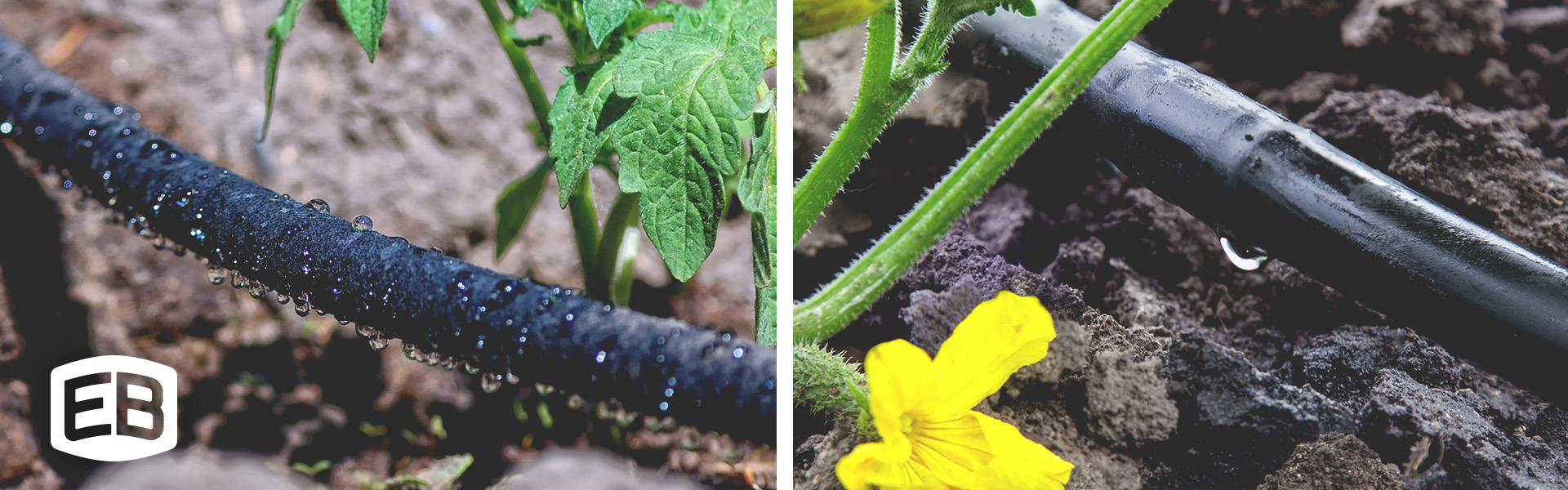
A soaker hose is a porous hose that lets water seep out slowly along its full length. It is usually made from recycled rubber or similar materials, and it works by soaking the soil around the hose line.
In real garden use, a soaker hose is often the easiest system to set up. You lay it near plants, connect it to a faucet or timer, and let it run. That simplicity is why many home gardeners like it for flower beds, foundation plantings, and small vegetable rows.
A soaker hose is best when you want gentle watering with very little setup. It is also useful where the planting pattern is fairly even, because the water comes out along the whole hose instead of at exact plant points.
What is a drip line?
A drip line is a type of drip irrigation tubing with built-in emitters that release water at set intervals. Instead of leaking water along the full hose, it delivers water through small outlets spaced along the line.
I have found drip line to be more precise than a soaker hose. It is especially helpful in vegetable gardens, landscape beds, and orchards where different plants need water in specific spots. That precision can save water and reduce weeds because less of the soil between plants gets wet.
Drip line is often part of a larger irrigation system. It may include pressure regulators, filters, connectors, and timers, which makes it more technical but also more dependable over time.
Soaker hose vs drip line: the main difference
The biggest difference in the soaker hose vs drip line debate is how water is delivered. A soaker hose seeps water through its entire surface, while a drip line sends water out through emitters at fixed points.
That difference changes everything from efficiency to maintenance. Soaker hoses are simpler and cheaper upfront, but drip line is usually more controlled and more efficient in the long run.
Here is the plain truth from years of seeing both used in home gardens:
- Soaker hose works well for short, simple runs
- Drip line works better for exact watering needs
- Soaker hose is easier to install
- Drip line is easier to manage in larger or more complex beds
- Soaker hose can wear out faster
- Drip line usually lasts longer when properly maintained
How each system waters plants
Soaker hoses wet the soil around them in a wide, soft pattern. That can be good for close-planted beds, but the watering is less exact and can vary with water pressure, hose age, and soil type.
Drip line sends water directly to the root zone. That means you can place the emitters where plants actually need moisture, which is a big help for tomatoes, shrubs, perennials, and trees.
In my experience, this is where many gardeners make their choice:
- If you want coverage over a whole row, soaker hose is easy
- If you want root-level watering for specific plants, drip line is stronger
- If your garden changes often, drip line gives more flexibility
- If you want a quick weekend setup, soaker hose is less intimidating
Pros and cons of soaker hose
Soaker hose has a lot going for it, especially for small home gardens. Still, it is not perfect, and it helps to know the tradeoffs before you buy.
Benefits of soaker hose
- Easy to install with basic tools
- Low cost compared with many drip systems
- Good for straight rows and simple beds
- Gentle watering reduces runoff on flat areas
- Works well with mulch in many garden beds
Limitations of soaker hose
- Water output can be uneven over long runs
- It may clog or crack sooner than drip tubing
- It is less precise for individual plants
- Pressure changes can affect performance
- It is harder to repair neatly once it ages
A mistake I have seen a lot is leaving soaker hose on too long. Because the water comes out slowly and quietly, people assume it is harmless to run for hours. In reality, that can lead to soggy soil and weak roots.
Pros and cons of drip line
Drip line is more advanced, but it also gives you more control. For gardeners who like consistency and efficiency, it is often the better long-term choice.
Benefits of drip line
- Precise watering at the root zone
- Better water efficiency in many setups
- Works well with timers and zones
- Helps reduce weed growth between plants
- Fits a wide range of landscapes
Limitations of drip line
- Higher setup cost than soaker hose
- Needs filters and pressure control
- Can be more complex to install
- Emitters may clog if water is dirty
- Requires planning for plant spacing
The biggest lesson I learned with drip line was not to skip filtration. Even small debris can clog emitters, and once that happens, one dry plant can stand out fast. A simple filter and pressure regulator can save a lot of frustration.
Soaker hose vs drip line for different garden types
The best choice in the soaker hose vs drip line decision depends on how your garden is laid out. One system is not always better than the other in every setting.
Vegetable gardens
Drip line is often the better choice for vegetable beds. It lets you place water near crops like tomatoes, peppers, cucumbers, and squash without soaking the whole bed.
Soaker hose can still work in compact beds with closely spaced plants. But if your vegetables are planted in rows or mix different spacing, drip line usually gives better control.
Flower beds
Both systems can work well here. Soaker hose is simple for dense flower beds, while drip line is better if you want to target plants with different water needs.
If the bed has mulch and fairly even planting, soaker hose can be a nice low-cost option. If the bed is more decorative or layered, drip line usually looks cleaner and performs better.
Shrubs and trees
Drip line is usually the stronger choice for shrubs and trees. These plants often need water near the root ball, not spread out evenly across the whole area.
Soaker hose can work in a pinch, especially for newly planted beds. But drip line is easier to customize as plants grow.
Containers and raised beds
Drip line is often better for raised beds because it is easier to control the watering pattern. For containers, micro-drip parts or emitters usually outperform both traditional soaker hose and standard drip line.
If you are dealing with a raised bed garden, drip line can keep moisture where it belongs and reduce waste. That matters a lot in hot weather.
Water efficiency and cost
When people compare soaker hose vs drip line, water savings are usually a top concern. Drip line generally wins for efficiency because it delivers water more directly and with less loss.
Soaker hoses can still save water compared with sprinklers, especially in small beds. But they are more affected by pressure changes and soil type, which can reduce consistency.
From a cost angle:
- Soaker hose usually costs less to buy
- Drip line costs more at first
- Drip line may save more water over time
- Maintenance costs can be lower with good drip parts
- Replacement cost may be higher for cheap soaker hoses
If water bills matter in your area, drip line can pay off over time. If you are gardening on a budget and want something simple, soaker hose may be the more practical starting point.
Installation and maintenance
Soaker hose is the easier system to install. You can often connect it, lay it out, and start watering with minimal planning.
Drip line takes more setup, but it rewards careful work. You may need to flush the line, use end caps, add a filter, and check for pressure issues.
A simple maintenance routine helps both systems:
- Inspect hoses at the start of each season
- Flush the lines to clear debris
- Check for leaks, cracks, and clogs
- Confirm coverage after mulching or moving plants
- Replace worn sections before they fail
One practical tip from experience: always test your setup before covering it with mulch. It is much easier to fix a problem when you can see the line.
Which lasts longer?
In most cases, drip line lasts longer than a basic soaker hose. That is because drip tubing is usually built for more structured irrigation use and can handle repeated watering with better consistency.
Soaker hoses often wear out faster, especially in sun exposure and hard water conditions. They can become brittle, crack, or clog after a few seasons.
Still, lifespan depends on care:
- Store hoses out of direct sun when possible
- Use timers wisely to avoid overuse
- Keep water pressure in the recommended range
- Flush the system regularly
- Replace damaged sections early
Which one is better for beginners?
For beginners, soaker hose is usually the easiest entry point. It is simple, cheap, and forgiving for small garden beds.
That said, if a beginner wants to build a system that can grow with the garden, drip line is a smarter investment. It takes a little more learning at the start, but the payoff is better control and fewer watering surprises.
My honest advice is this:
- Choose soaker hose if you want fast, low-cost watering
- Choose drip line if you want precision and long-term flexibility
- Choose drip line with a timer if you often forget to water
- Choose soaker hose if your beds are small and simple
Soaker hose vs drip line: which is better for water pressure?
Drip line usually handles pressure more predictably, especially when paired with a regulator. That makes it more stable in systems where pressure changes or where you want uniform watering across a run.
Soaker hoses can be more sensitive to pressure. Too much pressure can make some sections spray or leak unevenly, while too little pressure can make the hose underperform.
If your home water pressure is inconsistent, drip line is usually the safer bet. It gives you more control and a more repeatable result.
Environmental impact
Both systems are better than overhead sprinklers when the goal is to reduce water waste. They deliver water closer to the soil, which cuts evaporation and runoff.
Drip line often has the edge in sustainability because it is more precise. That means less water goes to weeds, paths, or empty spaces.
That said, the best environmental choice is the one you will use correctly. A well-placed soaker hose run on a timer is better than a fancy drip system installed badly.
When to choose a soaker hose
Choose a soaker hose if:
- You have a small garden bed
- You want low setup effort
- You are on a tight budget
- Your planting pattern is simple
- You want a temporary or seasonal solution
A soaker hose is a bit like a garden hose with a soft voice. It gets the job done quietly and without a lot of fuss.
When to choose a drip line
Choose a drip line if:
- You want precise watering
- Your garden has mixed plant types
- You need better water efficiency
- You are building a long-term irrigation system
- You want to automate with timers and zones
Drip line is the better pick when your garden starts to feel less like a patch and more like a system.
Frequently Asked Questions
Is a soaker hose the same as drip irrigation?
No, they are not the same. A soaker hose releases water through its porous surface, while drip irrigation uses emitters to release water at set points. Drip systems are usually more precise and easier to control.
Which is cheaper: soaker hose or drip line?
Soaker hose is usually cheaper upfront. Drip line costs more at first because it often needs fittings, filters, and pressure regulators, but it can be more efficient over time.
Can I use mulch with both systems?
Yes, mulch works with both and often helps by reducing evaporation. Just make sure the hose or drip line is placed correctly under the mulch so you can still inspect and maintain it.
Does drip line clog less than soaker hose?
Drip line can be more reliable when you use a filter, but it can still clog if the water is dirty. Soaker hoses can also clog and may wear out unevenly, especially after heavy use.
Which is better for hot climates?
Drip line is often better in hot climates because it delivers water more directly to the root zone. That helps reduce evaporation and keeps moisture where plants need it most.
Conclusion
When you compare soaker hose vs drip line, the right choice comes down to control, budget, and garden layout. Soaker hose is simple and affordable, while drip line offers better precision, efficiency, and long-term reliability.
If you want an easy start, begin with a soaker hose in a small bed. If you want a system that grows with your garden and saves more water over time, drip line is usually the stronger pick. Take a look at your space, choose the system that fits your plants, and set it up with care.
If this guide helped, keep exploring watering tips, test what works in your own garden, and share your experience in the comments.