Protect plants from heat by watering deeply, adding mulch, giving afternoon shade, and reducing stress.
When a heat wave hits, plants can go from fine to failing in a day. I’ve seen this many times in gardens, patios, and small home landscapes, and the fix is usually not one big miracle step. It is a set of small, smart actions that help plants hold water, lower stress, and keep roots cooler while the air feels like an oven. If you want to know how to protect plants during a heat wave the right way, this guide walks you through the practical steps that really work.
Why heat waves hurt plants so fast
A heat wave does more than raise the temperature. It speeds up evaporation from the soil, pulls moisture from leaves, and can make roots work harder than they should. In strong sun, some plants close their pores to save water, but that also slows growth and can cause wilting.
I learned this the hard way after losing several container herbs during a long summer stretch. They looked okay in the morning, then drooped by noon like they had given up. The lesson was simple: how to protect plants during a heat wave is mostly about preventing water loss before the plant is already in distress.
Plants can suffer from:
• Heat stress, which weakens growth and flower production
• Sunscald, which can burn leaves and fruit
• Root stress, especially in pots and shallow beds
• Transplant shock, which gets worse in hot weather
• Leaf scorch, where edges dry, curl, or turn brown
The more exposed the plant, the faster damage shows up. Young plants, vegetables, container plants, and shallow-rooted ornamentals usually need the most help.

Start with deep watering, not frequent sprinkling
If you want to know how to protect plants during a heat wave, watering is the first place to begin. The goal is to get water down to the roots, not just wet the top inch of soil. Light, frequent watering often evaporates too quickly and can train roots to stay shallow.
Water early in the morning if you can. That gives the plant time to absorb moisture before the hottest part of the day. In many gardens, a slow soak is far better than a quick splash.
A good watering plan looks like this:
• Water deeply and less often when possible
• Aim at the root zone, not the leaves
• Use drip irrigation or a soaker hose for steady moisture
• Check soil with your finger before watering again
• Water containers until excess drains from the bottom
For most plants, the best sign is soil that is moist a few inches down, not soggy on top. I usually tell people to imagine filling a sponge all the way through, not just wetting the surface.
Be careful not to overwater. In hot weather, plants still need oxygen around the roots, and constantly soaked soil can lead to rot.

Add mulch to lock in moisture
Mulch is one of the simplest tools for how to protect plants during a heat wave. A good layer acts like a blanket over the soil. It lowers soil temperature, slows evaporation, and helps roots stay steadier during sudden heat spikes.
Organic mulch works well in most home gardens. Examples include:
• Shredded bark
• Straw
• Pine needles
• Compost
• Dry leaves, if they are clean and not diseased
Spread mulch in a 2 to 4 inch layer around plants, but keep it a little away from stems and trunks. Piling mulch right against the plant can trap moisture where it should not sit.
Mulch is especially helpful for tomatoes, peppers, hydrangeas, annual flowers, and new shrubs. I once covered a bed of young zinnias with mulch before a week of 100-degree weather, and they held up much better than the unmulched row beside them. Same soil, same sun, different result.

Give plants afternoon shade when the sun is harshest
If you are trying to figure out how to protect plants during a heat wave, shade is a huge help. Afternoon sun is usually the most intense, and many plants do much better with relief during those hours. A little shade can be the difference between steady growth and scorched leaves.
You do not always need a permanent structure. Temporary shade can work very well.
Try these options:
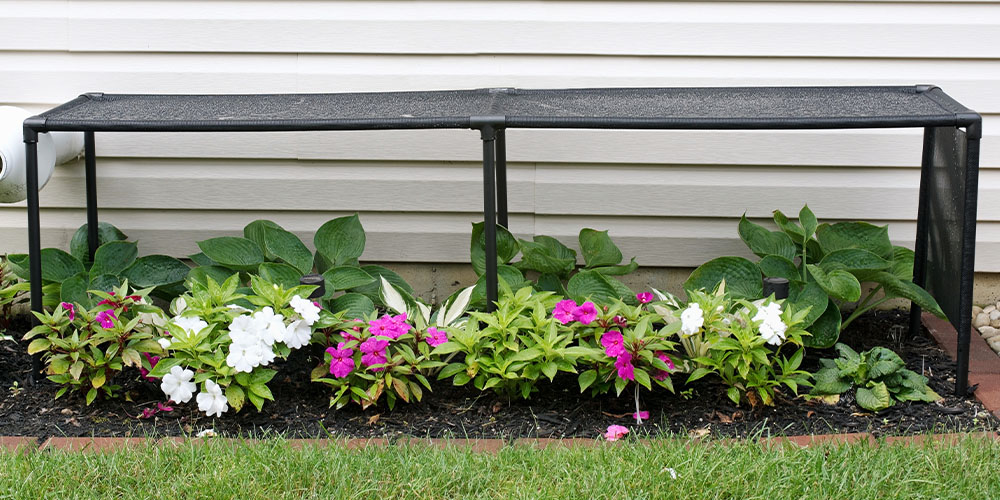
• Shade cloth over stakes or hoops
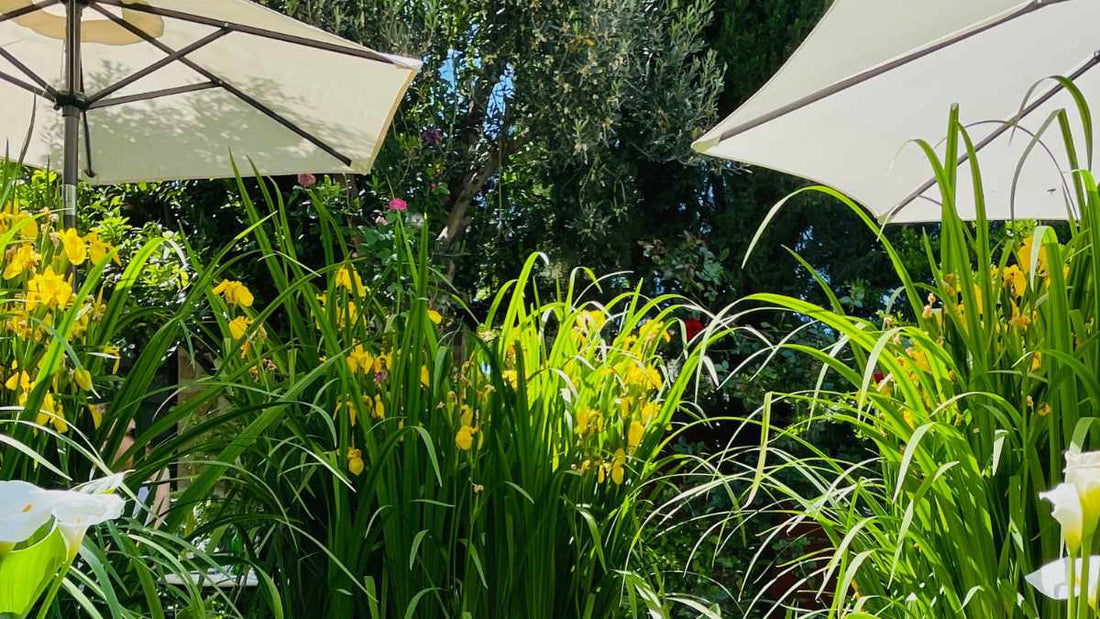
• Patio umbrellas for container plants
• Old sheets or lightweight garden fabric
• Moving pots under trees, awnings, or porches
• Positioning potted plants where they get morning sun only
Shade is most useful for lettuce, spinach, basil, hydrangeas, ferns, and newly planted seedlings. Even sun-loving plants may appreciate some afternoon relief during extreme heat.
Just remember that too much shade can weaken flowers or slow fruit ripening. The trick is protection, not full darkness.
Protect container plants first
Potted plants are often the first to struggle in a heat wave. Soil in containers heats up fast, and pots lose water faster than garden beds. Black plastic pots can get especially hot in direct sun and may cook tender roots.
If you want to know how to protect plants during a heat wave on a patio, start here:
• Move pots into brighter shade during the afternoon
• Group containers together to reduce exposure
• Use larger pots, which hold moisture better
• Choose light-colored containers when possible
• Check pots daily, sometimes twice daily in extreme heat
I have rescued more thirsty container plants than I can count simply by moving them off hot concrete. Concrete and stone reflect and store heat, which makes the air around pots even harsher.
Vegetables, herbs, and flowering annuals in containers usually need the most attention. Large, established shrubs in the ground are often tougher, but small pots can crash fast.

Watch for signs of heat stress early
One of the most important parts of how to protect plants during a heat wave is noticing trouble before it gets severe. Plants usually send signals before they collapse. The earlier you spot them, the easier they are to save.
Common warning signs include:
• Wilting even when the soil is moist
• Leaf edges turning brown or crisp
• Curling leaves
• Dropping flowers or fruit
• Stunted growth
• Pale or bleached leaves
Some wilting in midday is normal, especially in strong sun. The key question is whether the plant recovers by evening. If it does not, it needs more support.
I always check the same plant twice: once in the morning and once late afternoon. That simple habit has saved me from missing early leaf scorch on peppers and marigolds.
Avoid pruning and transplanting during extreme heat
When people ask me how to protect plants during a heat wave, I often say, “Do less, not more.” Heavy pruning, transplanting, and dividing plants all create stress. During hot weather, plants need energy for survival, not recovery from extra damage.
Try to delay:
• Major pruning
• Repotting
• Transplanting seedlings
• Dividing perennials
• Fertilizing heavily
If you must prune, keep it light and remove only dead or damaged growth. Fresh cuts can increase stress and water loss. Transplanting during cooler weather is almost always safer.
This is one of the easiest mistakes to avoid. I once repotted a basil plant during a heat spell because it looked cramped. It never fully bounced back. Since then, I wait for cooler days unless a plant is truly rootbound and at risk.

Use fertilizer carefully in hot weather
Fertilizer can help plants grow, but during a heat wave, too much can backfire. High nitrogen feeding often pushes soft new growth that needs even more water. That can make a stressed plant work harder when it should be conserving energy.
A safer approach is:
• Pause strong feeding during severe heat
• Use a mild, balanced fertilizer only if needed
• Water well before and after feeding
• Avoid fertilizing wilted plants
• Focus on moisture and shade first
If a plant is already struggling, fertilizer will not fix heat stress. Think of it like giving someone a big workout when they are overheated. What they really need is water, rest, and shade.

Choose heat-tolerant plants for future seasons
Part of learning how to protect plants during a heat wave is planning ahead. Some plants handle high temperatures much better than others. If heat waves are becoming more common in your area, choosing tougher varieties can save time, water, and disappointment.
Good heat-tolerant choices may include:
• Lantana
• Zinnias
• Marigolds
• Sedum
• Rosemary
• Lavender
• Sunflowers
• Okra
• Sweet potatoes
Native plants often do especially well because they are adapted to local climate patterns. Drought-tolerant plants are not the same as heat-proof plants, though. A plant can survive dry soil but still suffer in direct scorching sun, so matching the plant to your site still matters.
If you garden in containers, pick varieties known for strong roots and sun tolerance. That small decision makes summer care much easier.
Adjust care based on plant type
Not all plants need the same heat strategy. One reason people struggle with how to protect plants during a heat wave is that they treat every plant the same. But vegetables, succulents, lawns, shrubs, and houseplants all respond differently.
Here is a simple guide:
• Vegetables often need steady moisture and some shade in extreme heat
• Succulents need less frequent water, but still need protection from harsh afternoon sun in pots
• Lawns may need deeper, less frequent watering and less foot traffic
• Flowering annuals often need mulch, shade, and deadheading of scorched blooms
• Houseplants moved outdoors need a gradual transition and protection from sudden sun
If you have a mixed garden, walk it section by section. I find that helps more than using one blanket rule. A shady fern bed and a sunny tomato patch do not need the same plan.
Mistakes that make heat damage worse
Some heat problems come from the weather, but many come from well-meaning care. If you want to master how to protect plants during a heat wave, avoid these common mistakes.
• Watering only the surface
• Watering at the hottest time of day
• Letting pots sit in full sun on hot pavement
• Adding fertilizer to stressed plants
• Pruning too hard
• Ignoring mulch
• Waiting until plants are badly wilted
Another mistake is assuming a plant will “bounce back” after serious scorch. Some leaves may recover, but damaged fruit, burned petals, and dried stems often do not. The best strategy is prevention, not rescue.
Simple heat wave care checklist
When things get busy, a short routine helps. This is the same kind of checklist I use when the forecast turns ugly.
• Water deeply in the morning
• Add or refresh mulch
• Move pots into partial shade
• Check soil moisture daily
• Protect seedlings and newly planted crops
• Skip heavy feeding and pruning
• Watch for wilting, scorch, or leaf curl
This routine keeps the focus on the basics. In a heat wave, simple care is usually the smartest care.
Frequently Asked Questions of how to protect plants during a heat wave
How often should I water plants during a heat wave?
It depends on the plant, pot size, soil, and sun exposure. In general, water when the top few inches of soil begin to dry, and always aim for deep watering rather than light sprinkles.
Should I water plants at night during hot weather?
Early morning is usually better because plants can absorb moisture before the day heats up. Night watering can work in some gardens, but wet leaves overnight may raise the risk of fungus in humid areas.
Do all plants need shade during a heat wave?
No, but many plants benefit from afternoon shade, especially containers, seedlings, and cool-season crops. Sun-loving plants may still need protection if temperatures are extreme.
Can I use a fan or misting to cool outdoor plants?
A fan is usually not practical outside, and misting often evaporates too fast to help much. Shade, mulch, and proper watering do far more to protect plants during a heat wave.
What should I do if my plant is already wilted?
Move it out of direct sun and water the soil deeply if it is dry. If the soil is already wet, the plant may need shade and time rather than more water.
Is mulch really that important in hot weather?
Yes, mulch helps keep soil cool and reduces water loss, which is a big deal during extreme heat. It is one of the easiest and most effective ways to protect plants during a heat wave.
Conclusion
Knowing how to protect plants during a heat wave comes down to a few steady habits: water deeply, mulch well, reduce harsh sun, and avoid extra stress. The plants that survive best are usually the ones that get protection before the worst heat arrives. Small actions done early often save the whole garden.
If you take one thing from this guide, make it this: think like a plant root. Keep the root zone cool, moist, and stable, and the rest of the plant has a much better chance. Try these tips during the next hot spell, and if you found this helpful, share it, save it, or leave a comment with what worked in your garden.