Trellises offer taller, yield-focused support; tomato cages give easy, compact, hands-off support.
I’ve spent years growing tomatoes and training vines. I’ll walk you through trellis vs tomato cage with clear, practical advice. Expect tips on yield, labor, space, pests, and cost. You’ll learn which system fits your garden and how to set it up for strong, healthy plants.
Trellis vs tomato cage: a clear overview
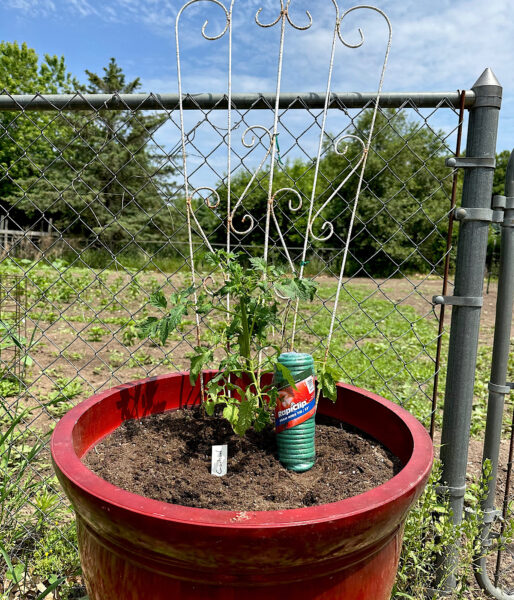
A trellis is a vertical frame. It can be wood, wire, or string. You tie stems to it as the plant grows. A tomato cage is a ringed structure that surrounds the plant. It supports branches without frequent tying.
Choosing between trellis vs tomato cage affects yield, pruning, and harvest ease. Trellises usually boost airflow and sunlight. Tomato cages cut down on daily maintenance. This guide compares them in plain terms and gives hands-on advice for real gardens.

Pros and cons of a trellis
Pros
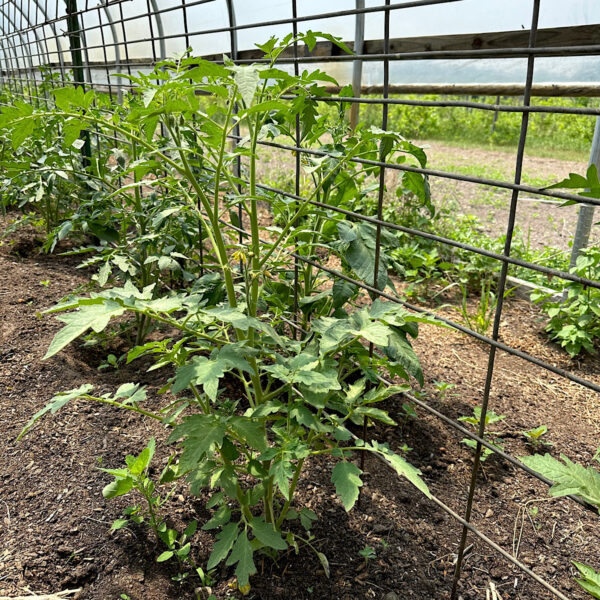
- Higher yields from vertical growth and better light exposure.
- Easier to prune and inspect for disease.
- Saves ground space, good for small gardens.
- Works well for indeterminate tomatoes and vining crops.
Cons
- Requires training and occasional tying.
- Needs sturdy posts and anchoring in windy sites.
- Initial setup can be time-consuming and costlier.
When thinking trellis vs tomato cage, trellises win for gardeners who want maximum production and don’t mind a bit of work. They also let fruit hang clear of wet soil, cutting rot risk.
Pros and cons of a tomato cage
Pros
- Very simple to install and use.
- Minimal training; plants are contained naturally.
- Great for beginners and busy gardeners.
- Reusable and often inexpensive.
Cons
- Can limit airflow and light into the center of the plant.
- Less ideal for very vigorous indeterminate varieties.
- Cages can deform under heavy fruit load or wind.
For many casual growers, tomato cages are the easy answer in the trellis vs tomato cage debate. They reduce daily labor and still protect branches from breaking.

Which plants benefit most from each option
Trellis works best for
- Indeterminate tomatoes that keep growing.
- Vining crops such as cucumbers, peas, and pole beans.
- Heirloom tomatoes known for long stems and heavy yield.
Tomato cages work best for
- Determinate tomatoes that grow to a fixed size.
- Compact or bush varieties.
- Gardeners who want low maintenance setups.
If you plan mixed plantings, consider a trellis for vines and cages for compact varieties. Matching plant type to support reduces pruning and stress.

Materials, sizes, and cost comparison
Trellis materials
- Wood posts and wire: durable and classic.
- Metal frames: long-lasting, pricier.
- String and bamboo: cheap and flexible.
Tomato cage materials
- Galvanized wire: common and rust-resistant.
- Plastic-coated wire: lighter and gentle on stems.
- Foldable cages: space-saving for storage.
Size tips
- Trellises should be 5 to 8 feet tall for indeterminate tomatoes.
- Cages are often 18 to 36 inches wide and 30 to 48 inches tall.
- Bigger plants need larger supports.
Cost factors
- Trellises cost more upfront if you buy strong materials.
- Cages are cheaper per plant but may need replacement sooner.
- Long-term value depends on reusability and how many seasons you grow.

How to choose: space, yield, and maintenance
Decide by answering simple questions
- How much space do you have? If tight, trellis verticalizes plants.
- How much time will you spend? If little, choose cages.
- What varieties are you growing? Match supports to plant type.
- Is wind or heavy rain common? Choose sturdier options.
If you want more fruit per square foot, select a trellis. If you want low fuss and fast setup, pick tomato cages. Think season after season to measure real cost and labor.
Installation and practical tips for success
Setting up a trellis
- Place strong posts at least 2 feet deep.
- Run wire or string horizontally every 12 to 18 inches.
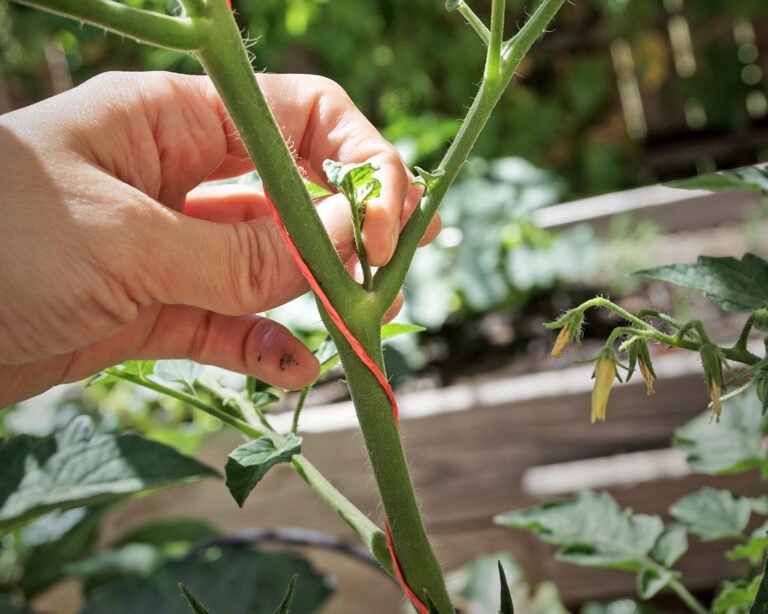
- Tie young stems loosely to avoid girdling.
- Train side shoots as needed.
Using a tomato cage
- Set the cage over the seedling early.
- Push legs deep into soil for stability.
- Gently tuck branches inside as the plant grows.
- Replace or brace cages if they lean.
General tips
- Prune lower leaves to improve airflow.
- Mulch to retain moisture and reduce weeds.
- Stake or anchor supports before plants get heavy.

Pests, diseases, and long-term care
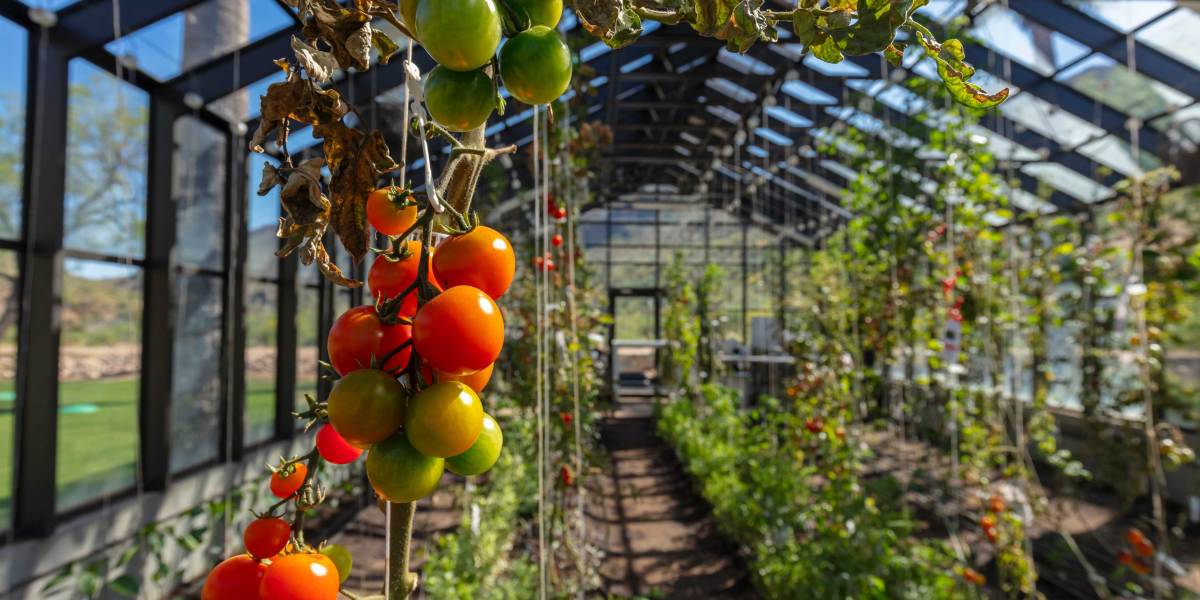
Support choice affects plant health. Trellises open the canopy. This reduces humidity and fungal diseases. Cages can trap moisture in the center and raise disease risk. Both systems benefit from good sanitation and rotation.
Pest notes
- Elevated fruit is less likely to be ground-dwelling pest food.
- Tight centers can hide aphids and whiteflies.
- Inspect plants weekly and remove diseased leaves.
Care schedule
- Check ties monthly and adjust as plants thicken.
- Replace damaged supports before peak fruiting.
- Clean metal cages between seasons to reduce pathogen carryover.

Personal experience, mistakes, and lessons learned
I started with flimsy cages for tall indeterminate varieties. The plants toppled two seasons in. Lesson learned: match support to vigor. I switched to a trellis system and gained cleaner fruit and higher yields. That switch required more tying at first, but harvests improved noticeably.
Mistakes to avoid
- Using cages too small for vigorous plants.
- Failing to anchor trellises in windy areas.
- Tying stems too tightly and causing girdling.
Practical tip
- Combine systems: use a low cage for the base and a trellis for the main shoot. This hybrid often works well in home gardens.
Frequently Asked Questions of trellis vs tomato cage
What is the main difference between a trellis vs tomato cage?
A trellis forces plants to climb a vertical plane, requiring tying and training. A tomato cage surrounds and supports branches with minimal daily care.
Which system gives higher tomato yields?
Trellises usually increase yield per square foot because plants grow upward with better light and airflow. Cages can still produce well but may limit ultimate vertical growth.
Can I use a tomato cage for indeterminate tomatoes?
You can, but expect more pruning and possibly lower yield. Indeterminate varieties often do better on trellises that allow full vertical growth.
How do I stabilize a tall trellis in wind?
Sink posts at least 2 feet into the ground and use cross bracing or ground anchors. Tying the trellis to a nearby fence or post also helps.
Are cages better for small gardens or containers?
Cages are often a better fit for containers and small plots because they keep plants compact and need less structure. Trellises can be used but need secure anchoring in containers.
How often should I prune when using a trellis vs tomato cage?
With a trellis, prune and tie weekly during rapid growth to direct energy upward. With a cage, prune less often, focusing on removing diseased or crowded branches every 1 to 2 weeks.
Can I reuse trellis and tomato cage materials across seasons?
Yes. Metal cages and sturdy trellis hardware last many seasons when cleaned and stored properly. Replace rusted or bent pieces to maintain stability and hygiene.
Conclusion
Trellis vs tomato cage is not a one-size-fits-all choice. Trellises favor higher yields and airflow but need more work. Tomato cages offer simplicity and quick setup but may limit vigorous plants. Match your plant type, space, and time to the support that fits your goals.
Try one method for a season and adjust. Test a hybrid if you garden in tight spaces. Share your experience in the comments or subscribe for seasonal tips and step-by-step setups.