Seed trays vs peat pots: seed trays suit reuse and control; peat pots ease transplanting and reduce root shock.
I have grown thousands of seedlings and tested many methods. I will walk you through seed trays vs peat pots with clear, practical advice. You will learn definitions, pros and cons, environmental impacts, costs, sowing tips, transplanting steps, and when to choose each option. This guide mixes research, hands-on experience, and easy-to-follow steps so you can decide what works best for your garden.
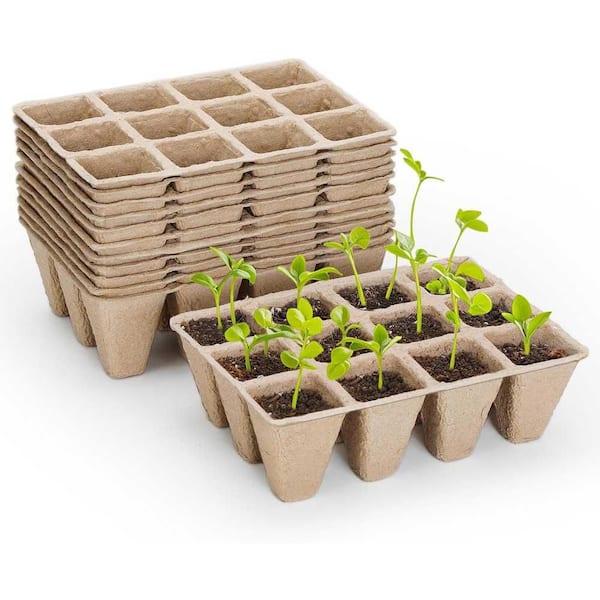
Understanding seed trays and peat pots: definitions and types
Seed trays are flat containers with many cells. Each cell holds one seed or a small mix. Seed trays come in plastic, biodegradable plastics, and fabric. Seed trays allow high-density sowing and easy space use.
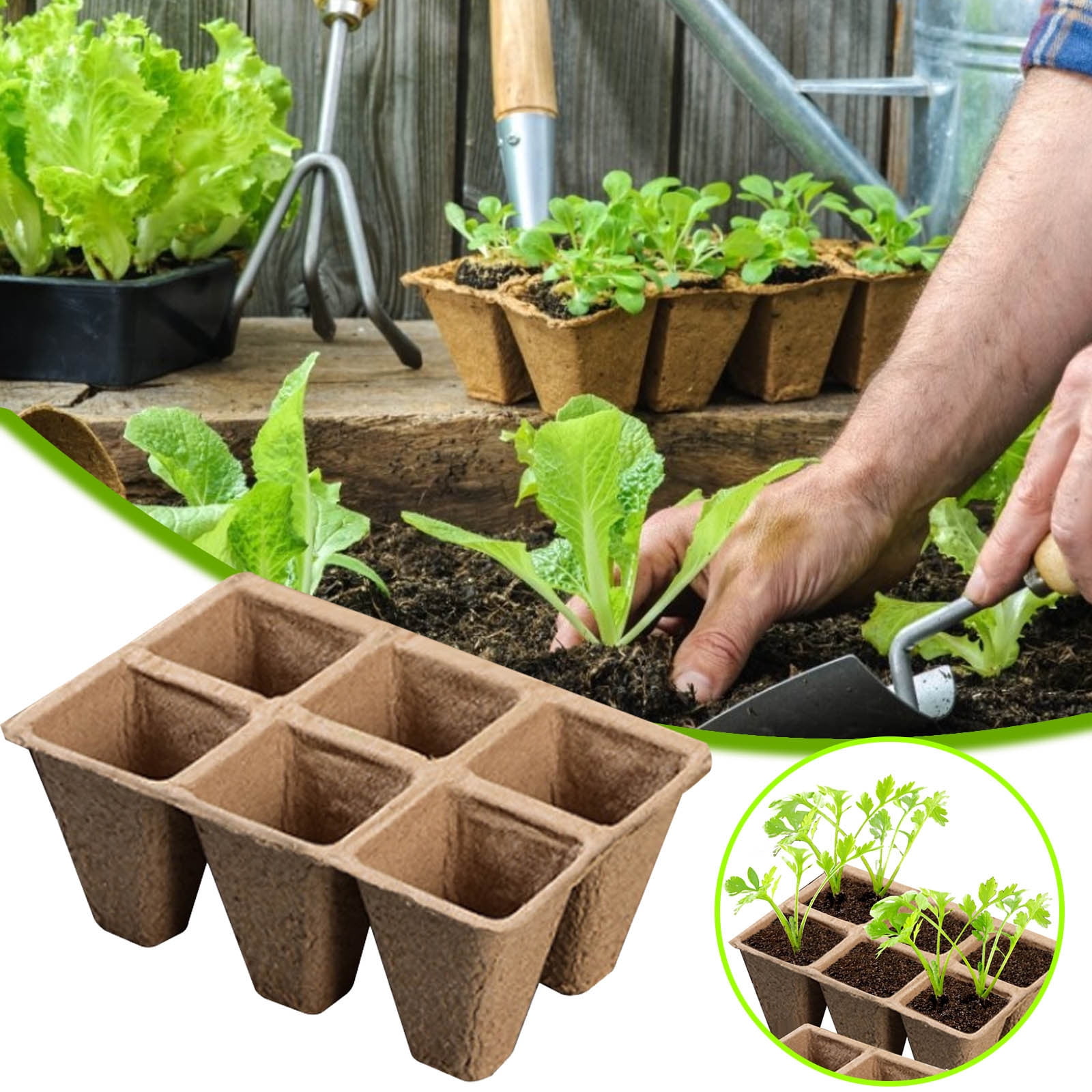
Peat pots are small, single-cell pots made from compressed peat or coir. They are often biodegradable and planted directly into the soil. Peat pots reduce root disturbance during transplanting. Peat pots come in varying thicknesses and brands.
Seed trays vs peat pots differ mainly in design and transplant method. Seed trays favor controlled start and reuse. Peat pots favor minimal root disturbance and direct planting.

Pros and cons of seed trays vs peat pots
Pros of seed trays
- Reusable options reduce waste and lower long-term cost.
- Better for uniform watering and temperature control.
- Good for many small seeds and crowded starts.
Cons of seed trays
- Transplanting can cause root disturbance.
- Some plastic trays break down or harbor disease.
- They need more bench space when seedlings grow.
Pros of peat pots
- Planting the pot reduces root shock.
- Biodegradable options are low effort at transplant.
- Easy to pack and transport seedlings.
Cons of peat pots
- Peat harvesting raises environmental concerns.
- Thinner pots can dry out quickly.
- Biodegradable pots sometimes do not break down well in some soils.
When weighing seed trays vs peat pots, think about reuse, transplant stress, and how much time you want to spend hand-tending seedlings. Both systems work well when used correctly.

Materials, environmental impact, and disposal
Plastic seed trays are durable and reusable. Reuse lowers waste if properly cleaned between uses. However, single-use plastics add to landfill.
Biodegradable seed trays use compostable materials. They can break down in compost if certified. They sometimes cost more and need the right compost conditions.
Peat pots often contain peat moss. Peat is a carbon-rich material harvested from bogs. This raises sustainability concerns. Alternative pots use coir, paper, or wood fibers. Coir is a renewable choice and performs similarly to peat.
Disposal and composting
- Clean plastic trays and store for reuse or recycling where accepted.
- Compost certified biodegradable pots if your compost reaches the needed temperatures.
- Avoid tossing non-compostable materials into garden beds.
Consider local recycling and compost rules when choosing between seed trays vs peat pots. Choose options that match your environmental values and local waste systems.

Cost, availability, and lifespan
Seed trays tend to be cheaper per use when reused. A sturdy plastic seed tray will last several seasons if cleaned. Cheap trays may warp or crack over time.
Peat pots are often sold in packs at garden centers. They are inexpensive per piece but used once. Biodegradable alternatives like coir pots can be pricier.
Availability
- Seed trays are widely available year-round.
- Peat pots and their alternatives are common in spring and online.
- Specialty biodegradable trays may be seasonal.
Lifespan considerations
- Reusable trays: multiple seasons with care.
- Peat pots: single use and dependent on soil microbes to break down.
- Biodegradable trays: lifespan depends on material and conditions.
Budget-wise, think long-term for seed trays vs peat pots. If you grow every season, durable trays often save money. If you value minimal transplant work, peat pots add convenience.

How to sow, water, and transplant: practical steps for seed trays and peat pots
Sowing in seed trays
- Fill trays with sterile seed mix. Press lightly to remove air pockets.
- Sow seeds per packet depth. Lightly cover if needed.
- Water gently from the bottom or use a fine spray.
- Keep trays warm and under grow lights or a sunny window.
Sowing in peat pots
- Fill peat pots with moist seed mix. Leave a little space at the top.
- Place one seed per pot for larger seeds. Small seeds may be sown two per pot.
- Water carefully to avoid collapsing the pot walls.
- Place pots on a tray to catch excess water.
Transplanting steps for seed trays
- Harden off seedlings for a week. Reduce water and outdoor exposure daily.
- Lift seedlings by the root ball or by the leaves—avoid pulling stems.
- Transplant to a larger pot or the garden and firm soil around roots.
Transplanting steps for peat pots
- Soak the outside of the peat pot before transplanting to prevent the pot from pulling moisture.
- Plant the pot directly into the ground or a larger container. Trim the top edge if needed.
- Ensure the top of the peat pot is at or slightly below soil level for better root growth.
These steps reduce transplant shock. They apply whether you debate seed trays vs peat pots or use both methods in different scenarios.

My experience and lessons learned with seed trays vs peat pots
I grew herbs and vegetables using both systems for years. Seed trays gave me many seedlings in a small space. They worked best when I used a fine seed mix and bottom watering.
Peat pots were a lifesaver for delicate lettuces and tomatoes. Planting pots directly cut my transplant losses. I learned to pre-soak peat pots. That stopped them from wicking moisture away from young roots.
Mistakes I made
- Overcrowding trays by sowing too many seeds per cell.
- Ignoring drainage for peat pots, which then stayed too wet.
- Reusing dirty trays and spreading damping-off.
Tips I now follow
- Clean trays with a mild bleach solution between uses.
- Use coir pots when I want a peat-free option.
- Label trays and pots to track sow dates and varieties.
This hands-on work shaped my view on seed trays vs peat pots. Both are tools. Use the one that matches your crop and workflow.

Choosing the right option for your garden: decision guide
Ask yourself quick questions
- Do I want to reuse equipment each season?
- Do I need a low-stress transplant method?
- Am I concerned about peat and sustainability?
- How much bench space do I have?
Decision rules
- Use seed trays if you need many starts and plan to reuse trays. They work for small seeds and winter sowing.
- Use peat pots or coir pots when transplant shock matters and you want to plant pots directly.
- Mix approaches: start small-seeded crops in seed trays and larger, sensitive seedlings in pots.
Practical matchups
- Seed trays vs peat pots for salad greens: seed trays are efficient.
- Seed trays vs peat pots for tomatoes: peat or coir pots reduce root shock.
- Seed trays vs peat pots for herbs: either works; choose by space and habit.
This guide helps you pick fast. Try both on a small scale to learn what fits your routine and plants.
Quick grower questions (short answers)
Are seed trays better for many seedlings?
Seed trays are better for starting many seedlings in a compact space. They let you manage light, heat, and water easily.
Do peat pots reduce transplant shock?
Yes. Planting peat pots directly limits root disturbance and reduces shock compared to removing seedlings from trays.
Can I reuse peat pots?
Peat pots are meant single use. They break down in soil, so reuse is generally not practical.
Frequently Asked Questions about seed trays vs peat pots
What are the main differences between seed trays and peat pots?
Seed trays hold multiple cells and are usually reused. Peat pots are single pots that can be planted directly into the soil.
Which option is best for beginners?
Peat pots can be easier for beginners because they simplify transplanting. Seed trays are fine if you want control and plan to learn proper transplanting.
Are biodegradable pots truly compostable?
Many biodegradable pots compost well in active compost systems. Some require commercial composting to fully break down.
How do I prevent damping-off in seed trays?
Use sterile seed mix, avoid overwatering, provide airflow, and sanitize trays between uses to reduce damping-off risk.
Is peat harvesting bad for the environment?
Peat harvesting can harm bog ecosystems and release carbon. Alternatives such as coir reduce this impact.
Can I mix seed trays and peat pots in one season?
Yes. Many gardeners use trays for some crops and peat pots for others based on plant needs and space.
How often should I water seedlings in peat pots?
Check daily. Peat pots dry faster; water when the mix begins to feel slightly dry but not bone dry.
What soil mix is best for seed trays vs peat pots?
Use a fine, sterile seed-starting mix in both. Ensure good drainage and light nutrients to avoid overfeeding seedlings.
Conclusion
Seed trays vs peat pots each have clear strengths. Seed trays give space efficiency, control, and reuse. Peat pots offer easier transplanting and less root shock. Match the choice to your plants, budget, and environmental priorities. Try both on a small scale. Track results and switch methods when you see what works best for your garden. Ready to test a method this season? Pick one, sow a few seeds, and share your results in the comments or subscribe for more hands-on tips.