Strong winds protect plants best with barriers, anchoring, pruning, mulching, and smart placement.
If you garden where gusts can whip through yards, patios, or balconies, you already know how fast wind can bruise leaves, snap stems, and dry out soil. Learning how to protect plants from strong winds is less about one magic fix and more about using a few smart layers of defense. With the right setup, even tender flowers, young trees, and container plants can stay healthier and recover faster after storms.

Why strong winds damage plants
Strong wind does more than make plants look messy. It creates physical stress that can tear leaves, bend stems, and shake roots loose in the soil. It also speeds up water loss, which leaves plants thirsty even when the soil looks fine on top.
In my experience, the worst damage usually comes after a windy day that seemed harmless at first. The plant may still be standing, but a day or two later you notice wilted leaves, broken tips, or a leaning stem. That delayed damage is common because wind can weaken plant tissue and dry the root zone at the same time.
Here are the main ways wind harms plants:
• It breaks stems and branches, especially on tall, soft plants
• It shreds leaves, which lowers the plant’s ability to make food
• It dries out soil and foliage faster than normal
• It loosens roots in the ground, especially in young trees and new transplants
• It causes plants to lean, rub, or twist, which can stunt growth
Wind damage is often worse in exposed yards, rooftop gardens, coastal areas, and open fields. Plants in containers are also at high risk because pots tip more easily and dry out faster than in-ground beds.
How to protect plants from strong winds with the right barriers
The most reliable way to protect plants from strong winds is to slow the wind before it reaches them. A good windbreak reduces force without creating a hard wall that makes turbulence worse. That’s why semi-permeable barriers usually work better than solid fences.
A solid barrier can block wind, but it may also cause swirling air on the sheltered side. A windbreak with some gaps lets air pass through more gently, which lowers stress on your plants. This is one of those small details that makes a big difference.
Good barrier options include:
• Fencing with slats or partial spacing
• Hedge rows made from sturdy shrubs
• Trellises with mesh or lattice
• Shade cloth secured on posts
• Temporary garden screens during storm season
When I’ve helped set up windy home gardens, I usually recommend placing the barrier about a few feet away from the most exposed plants. That gives the wind time to slow down before it hits the bed. It also keeps the barrier from crowding the roots or blocking too much light.
For best results, use taller barriers on the windward side, which is the side where the wind usually comes from. If your area gets seasonal storms, think about a permanent setup. If the wind is occasional, a temporary screen or movable panel may be enough.
How to protect plants from strong winds by choosing the right plant location
Placement matters more than many gardeners realize. Even a strong plant can struggle if it sits in the wrong spot. One of the simplest ways to protect plants from strong winds is to move them to a more sheltered place before trouble starts.
Try these location fixes:
• Put containers near a wall, railing, or porch corner
• Group pots together so they shield each other
• Move tall plants behind shorter, sturdier ones
• Use the side of a building as a wind buffer
• Avoid open corners where wind speeds up like a tunnel
I once made the mistake of leaving several pots in a neat row along a fence line. It looked tidy, but it acted like a wind runway. After one storm, the pots were tipped over and two tomato plants snapped at the base. Since then, I always think about airflow, not just appearance.
If you’re planting in the ground, choose a naturally sheltered microclimate. Spots near hedges, fences, walls, or larger shrubs usually stay calmer. Just be sure those areas still get enough sun and do not stay overly damp.
How to protect plants from strong winds using stakes, cages, and supports
Support systems help plants stand up to wind, but they need to be used carefully. A plant that is tied too tightly can lose strength because it never learns to move a little on its own. A plant with no support, on the other hand, may snap during a strong gust.
Use supports for:
• Young trees
• Tall perennials
• Tomatoes and other heavy-fruiting plants
• Climbing plants on trellises
• Newly transplanted shrubs
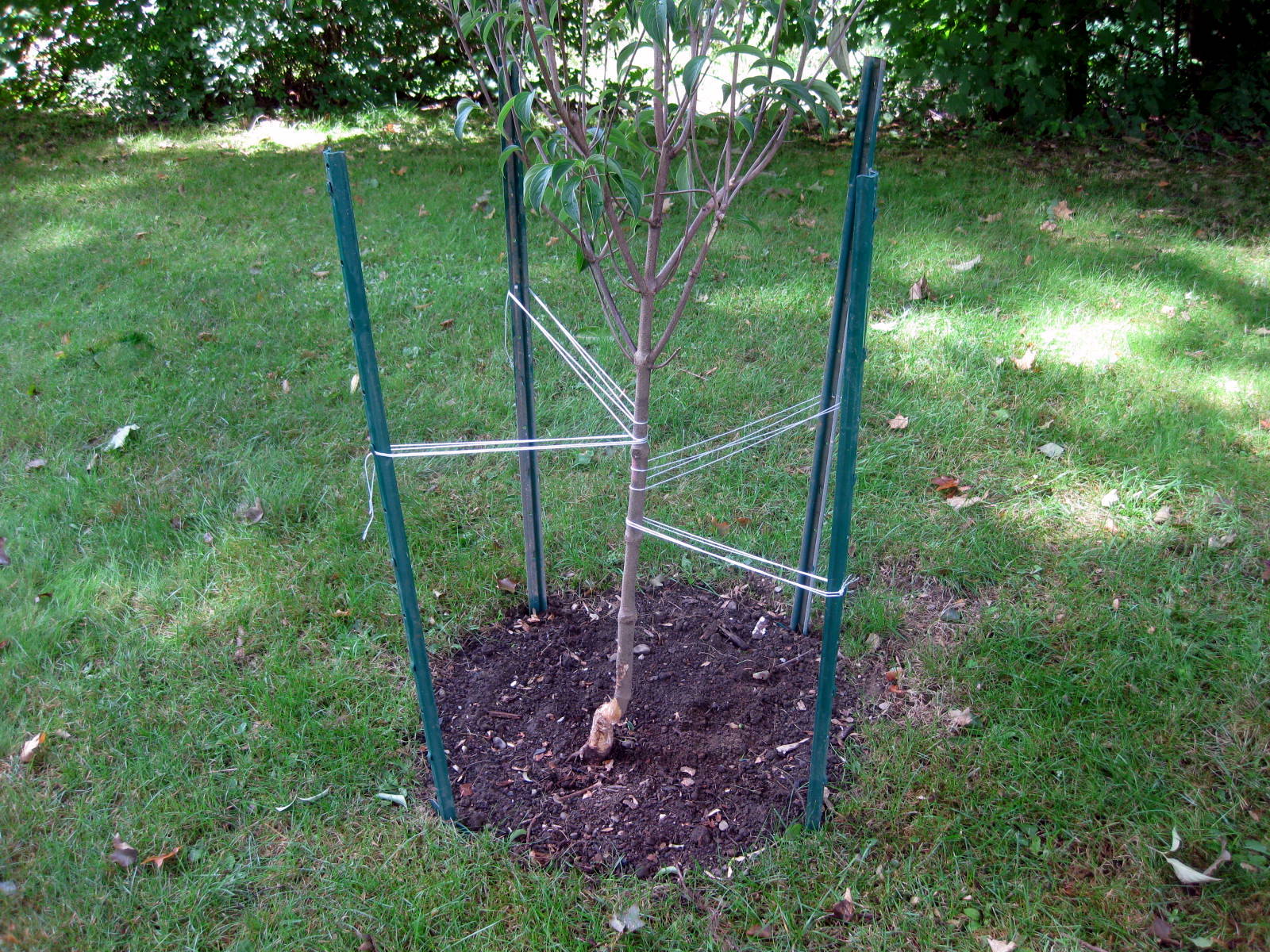
For trees, use soft ties and flexible stakes. The goal is to steady the root ball, not lock the trunk in place. I usually tell people to check the ties often, because a tie left too long can cut into bark and create a bigger problem than the wind itself.
For garden plants, cages and rings work well if they are anchored deeply. For tall flowering plants, bamboo stakes and loose ties can help. Try to support early, before the plant is already bent over, because broken stems rarely recover well.
How to protect plants from strong winds by pruning correctly
Pruning can make plants safer in windy conditions, but only if you do it the right way. A dense canopy catches wind like a sail, which increases the chance of breaking. Light, thoughtful pruning can reduce that pressure and help air move through the plant.
Focus on removing:
• Dead or weak branches
• Crossing stems that rub in the wind
• Top-heavy growth that makes the plant unstable
• Extra long stems that whip around too much
Do not overprune. Stripping too much foliage can shock the plant and leave it weaker in hot, dry weather. The best approach is balance: open the plant enough to reduce wind load while keeping enough leaves for healthy growth.
For shrubs and small trees, prune after the main growing season if possible, unless a damaged branch needs immediate removal. For plants like basil, zinnias, or peppers, regular pinching can create shorter, sturdier growth that handles wind better.
How to protect plants from strong winds with mulching and watering
Wind and dry soil go hand in hand. Strong wind pulls moisture from leaves and the soil surface, so watering and mulching become part of wind protection. If the root zone stays stable, the plant can cope with stress much better.
Mulch helps in several ways:
• It slows moisture loss from the soil
• It cushions the root zone against temperature swings
• It reduces soil splashing during storms
• It helps roots stay anchored in loose soil
Use organic mulch such as bark, shredded leaves, straw, or compost. Keep it a little away from the stem or trunk so moisture does not collect against the plant base. That small gap helps prevent rot.
Water deeply before expected windy weather if the soil is dry. A plant with steady moisture handles wind stress better than one already thirsty. Just avoid soggy soil, because weak, waterlogged roots are more likely to fail when the wind pushes hard.
How to protect potted plants from strong winds
Container plants need extra attention because pots are easy to tip, roll, or crack. They also dry out faster than garden beds, which makes them especially vulnerable. If you want to protect plants from strong winds on a balcony, deck, or patio, start with the pots themselves.
Helpful steps include:
• Use heavy pots instead of light plastic when possible
• Put smaller pots inside larger cachepots for weight
• Group containers tightly together
• Place bricks or pot feet around the base for stability
• Move pots indoors, into a garage, or behind a windbreak during storms
Tall plants in small pots are the most likely to fall. If a plant is top-heavy, repot it into a wider, heavier container. You can also lower the plant’s center of gravity by using a deeper pot and trimming some excess top growth.
If you garden on a balcony, watch for wind tunnels. Wind can speed up between buildings and hit much harder than you expect. In those spaces, even a simple screen or railing cover can help a lot.
How to protect young trees and shrubs from strong winds
New trees and shrubs need special care because their roots have not fully spread out yet. Strong wind can rock the root ball, break fine roots, and slow establishment. That is why early protection matters so much.
For young trees:
• Stake only if the tree truly needs it
• Use two or three flexible ties, not rigid wire
• Allow some trunk movement so roots can strengthen
• Remove stakes once the tree is stable
Many gardeners stake too hard and too long. I made that mistake years ago with a young maple. It stayed upright, but the trunk became weaker than it should have been. A little movement is healthy because it helps the tree build strength naturally.
For shrubs, temporary wind screens and good spacing are often enough. If the plant is newly planted, water it deeply and check the soil after windy days. A shrub that leans a little may just need firming back in and mulching around the base.
How to protect plants from strong winds indoors and on patios
If your plants live inside during part of the year, wind can still be a problem near doors, vents, and open windows. Patio plants also face sudden gusts that can be stronger than they look. The safest move is to treat these spaces like transition zones.
Use these habits:
• Move delicate plants away from open doorways
• Keep houseplants out of strong air conditioner or fan drafts
• Bring patio plants inside before storm fronts arrive
• Set lightweight plants in sheltered corners
• Check hanging baskets, which swing and dry out quickly
Indoor drafts can be sneaky. A plant may not look wind-burned the same way an outdoor plant does, but repeated draft exposure can still dry leaves and cause curling. If leaves keep getting damaged in the same spot, that usually means the plant is in the wrong location.
Common mistakes to avoid when protecting plants from strong winds
Sometimes the biggest problems come from trying too hard. A few well-meaning choices can actually make wind damage worse. Knowing what not to do is just as useful as knowing what to do.
Avoid these mistakes:
• Using a solid barrier with no airflow at all
• Tying plants too tightly to stakes
• Leaving containers too close to exposed edges
• Pruning too much right before a storm
• Forgetting to water after a windy day
• Ignoring small lean, tear, or split damage until it worsens
Another common mistake is assuming one fix solves everything. Wind protection works best as a system. A sheltered location, solid support, good watering, and the right container or barrier all work together like layers of a coat on a cold day.
Seasonal plan for wind protection
Strong wind protection works best when you plan ahead. A seasonal routine helps you stay ready instead of reacting at the last minute. That is especially useful in places with spring storms, summer thunderstorms, or autumn fronts.
A simple plan looks like this:
- Check the forecast for windy days
- Move containers to sheltered spots
- Water dry soil deeply before the wind arrives
- Inspect stakes, cages, and ties
- Trim only damaged or weak growth if needed
- Look for leaning, torn leaves, or loose roots after the storm
- Reposition and support stressed plants quickly
This kind of routine saves time later. The more often you scan for weak points, the easier it is to protect plants from strong winds before serious damage happens.
Benefits of protecting plants from strong winds
Protecting plants from wind is not just about keeping them pretty. It supports long-term plant health, better harvests, and fewer losses. Wind protection also reduces how often you need to replace broken plants.
Main benefits include:
• Less stem breakage and leaf loss
• Better moisture retention in the soil
• Stronger root establishment
• Improved flower and fruit production
• Lower stress after storms
For edible gardens, this can mean the difference between a decent harvest and a failed crop. For ornamental plants, it means fewer scars, less leaning, and a cleaner shape. In both cases, the plant spends more energy growing instead of recovering.
Frequently Asked Questions
How do I protect plants from strong winds quickly?
Move pots to a sheltered spot, like against a wall or inside a porch, and water dry soil deeply. For in-ground plants, use a temporary screen or support stake if the plant is already leaning.
What is the best windbreak for gardens?
A semi-permeable windbreak, like a slatted fence, lattice, or hedge, usually works best. It slows wind without creating harsh turbulence on the other side.
Should I stake all plants in windy areas?
No, only plants that truly need extra support, such as young trees, tall perennials, or newly planted shrubs. Too much staking can weaken a plant over time if it never gets to move naturally.
Can mulch really help with wind damage?
Yes, mulch helps the soil hold moisture and keeps roots more stable. It does not stop wind directly, but it makes the plant less stressed and better able to recover.
How do I protect potted plants from strong winds on a balcony?
Use heavier pots, group containers together, and place them behind a screen or railing if possible. Move very light or tall pots indoors when strong gusts are expected.
Conclusion
Protecting plants from strong winds comes down to one idea: reduce stress before the damage starts. When you combine windbreaks, smart placement, proper support, pruning, mulching, and steady watering, your plants stand a much better chance of staying healthy through rough weather.
The good news is that you do not need a perfect garden to get good results. Even a few small changes can make a big difference, especially for young trees, container plants, and tender flowers. Start with the easiest fix in your space, then build from there.
If you found this guide helpful, try one wind-proofing tip in your garden this week and see how much calmer your plants look.