A sensory garden starts with a few well-chosen plants, textures, sounds, scents, and safe spaces.
If you want to know how to start a sensory garden, the good news is that it does not need to be large, fancy, or expensive. A well-designed sensory garden is really about thoughtful choices that invite people to touch, smell, hear, see, and even taste nature in a calm, comfortable way. I’ve seen small backyard spaces and school gardens become deeply meaningful with just a few smart changes, and the process is simpler than most people think.
What a Sensory Garden Is and Why It Matters
A sensory garden is a space made to stimulate the senses in a gentle, engaging way. It uses plants, materials, water, sound, and layout to create a richer outdoor experience. The best sensory gardens feel alive, but not overwhelming.
These gardens are often used for children, older adults, therapy settings, schools, and home relaxation. They can support emotional well-being, learning, mobility, and memory. In my experience, the strongest sensory gardens are the ones that feel personal, like they were made for real people with real needs.
A sensory garden can help with:
• Relaxation and stress relief
• Focus and attention
• Movement and exploration
• Learning through hands-on experience
• Accessibility for different ages and abilities
Research in horticulture and environmental psychology has often linked nature exposure with lower stress and better mood. That does not mean a garden is a cure-all. But it does mean that a small, thoughtful outdoor space can make everyday life feel calmer and more connected.
:max_bytes(150000):strip_icc()/sensory-garden-hero-1117-b30fb3e041bf417ea9769d9475649fa9.jpg)
How to Start a Sensory Garden
The first step in how to start a sensory garden is to decide who will use it and what senses you want to support most. That simple choice shapes everything else. A child’s play garden, a dementia-friendly garden, and a quiet reading garden may all look very different.
Start with these basics:
-
Pick the purpose
Think about whether the garden is for play, relaxation, therapy, learning, or family use. A clear purpose keeps the design focused. -
Observe the space
Watch how the sun moves, where water collects, and which areas get wind or shade. I once helped plan a garden that looked perfect on paper, but one corner stayed soggy after rain. That spot turned into a rain garden instead of a planting bed, which worked much better. -
Choose one or two senses first
You do not need to cover all five senses at once. Start with scent and touch, or sound and sight, then build slowly. -
Plan safe access
Paths should be easy to walk on. If the garden is for children, older adults, or wheelchair users, make sure there is room to move and sit comfortably. -
Keep it simple
Too many features can make the garden feel busy. A few strong sensory elements often work better than a crowded mix.
When people ask me how to start a sensory garden, I always say the same thing: begin with the users, not the plants. The plants come later.
Choosing the Right Location
Location is one of the most important parts of how to start a sensory garden. A good site makes maintenance easier and helps each sensory feature work as intended.
Look for a place with:
• Enough sunlight for flowering and fragrant plants
• Partial shade if you want a cool, restful space
• Easy access from a house, school, or care area
• Good drainage so the soil does not stay waterlogged
• A safe distance from hazards like steep drops or busy roads
If the space is very small, that is still fine. A patio, balcony, courtyard, or side yard can work well. I’ve seen container gardens create more sensory impact than larger spaces because every element was chosen with care.
Also think about noise. A sensory garden can be near a quiet street, but too much traffic noise may fight against the calming effect. If that happens, use hedges, trellises, or shrubs as soft sound barriers.
Designing for the Five Senses
The heart of how to start a sensory garden is creating balance across the five senses. You do not need to force every sense into every corner. Instead, think of each area as contributing something special.
Sight
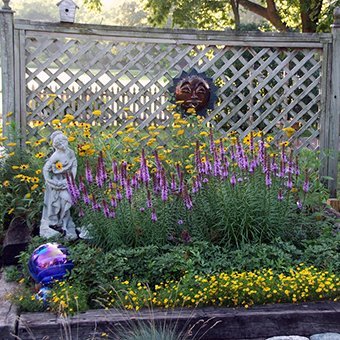
Color, shape, and contrast make the garden visually interesting. Bright flowers, silver leaves, bold foliage, and changing seasonal colors all help. Repeating a few colors can make the space feel calm rather than chaotic.
Good sight-based choices include:
• Sunflowers for height and cheer
• Lavender for soft purple color
• Ornamental grasses for motion
• Heuchera for rich leaf color
• Variegated plants for contrast
Touch
Touch is one of the easiest senses to include. Choose plants and materials with different textures, such as soft, fuzzy, rough, smooth, or spiky.
Some good tactile options are:
• Lamb’s ear for a soft, velvety feel
• Ferns for delicate texture
• Ornamental grasses for movement
• Smooth stones or wooden edging
• Bark mulch or pebble paths for underfoot texture
Smell
Fragrance adds memory and comfort to a sensory garden. I still remember one small garden with rosemary and mint near the entry path. People smelled it before they even noticed the flowers, and it changed the whole mood of the space.
Fragrant plants to consider:
• Lavender
• Rosemary
• Mint
• Jasmine
• Sweet alyssum
• Roses
• Thyme
Sound
Sound can be gentle and soothing. It may come from rustling leaves, ornamental grasses, wind chimes, bird feeders, or a small fountain. The goal is soft sound, not noise.
Useful sound features include:
• Bamboo or grasses that move in the wind
• Water bowls or trickling fountains
• Birdhouses and feeders
• Gravel paths that crunch softly underfoot
• Leaves that make a light rustle
Taste
If the garden is safe for edible planting, taste can be an exciting part of the design. Edible plants should be clearly identified and grown without harmful chemicals.
Easy edible choices include:
• Strawberries
• Cherry tomatoes
• Basil
• Mint
• Snap peas
• Blueberries, if your climate allows
Always check that any plant placed in a sensory garden is safe for the intended users, especially children. Not every attractive plant belongs in a taste-friendly space.
Best Plants for a Sensory Garden
Choosing plants is where how to start a sensory garden becomes fun. The best plants are attractive, easy to manage, and strong in at least one sensory category. Try to mix perennials, annuals, shrubs, herbs, and grasses for variety.
Some reliable choices include:
• Lavender for scent and pollinators
• Rosemary for smell and taste
• Mint for fragrance and easy growth
• Lamb’s ear for touch
• Sunflowers for height and visual joy
• Ornamental grasses for movement and sound
• Nasturtiums for color and edible flowers
• Coleus for bright foliage
• Chamomile for a soft scent and gentle look
A lesson I learned the hard way: avoid choosing plants only because they look beautiful in a catalog. Some need more pruning, water, or sun than people expect. If a plant creates stress, it can work against the whole point of the garden.
When possible, choose native plants. They often need less water, support local wildlife, and adapt better to your climate. That makes the garden more resilient and easier to care for over time.
Building a Safe and Accessible Layout
A great sensory garden should feel welcoming from the start. That means the layout matters just as much as the plants. Inaccessible gardens can be frustrating, especially for users with mobility limits or sensory sensitivities.
Focus on these design ideas:
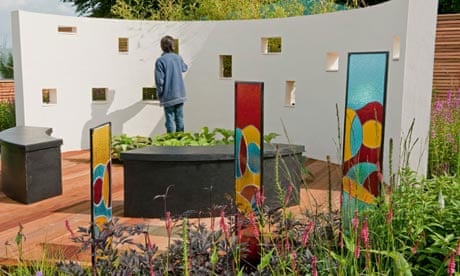
• Wide, smooth paths for walking or wheelchairs
• Raised beds for easier reach
• Curved paths to slow movement and encourage exploration
• Seating areas for rest and reflection
• Clear edges to help define spaces
• Non-slip surfaces where water may collect
If children will use the garden, make sure there are no sharp edges, toxic plants, or unstable stepping stones. If older adults will use it, reduce tripping hazards and provide shade and seating. A sensory garden should invite participation, not create worry.
Accessibility also includes comfort. Add a bench under shade, keep tools nearby, and make sure the garden can be entered without too much effort. Small design choices can make the space feel inclusive and humane.

Adding Features That Engage the Senses
Features bring the garden to life. This is where how to start a sensory garden moves from planting to experience. The right features can make a modest space feel rich and memorable.
Useful additions include:
• Water features for sound and calm
• Wind chimes for soft auditory interest
• Mirrors or reflective surfaces for light play
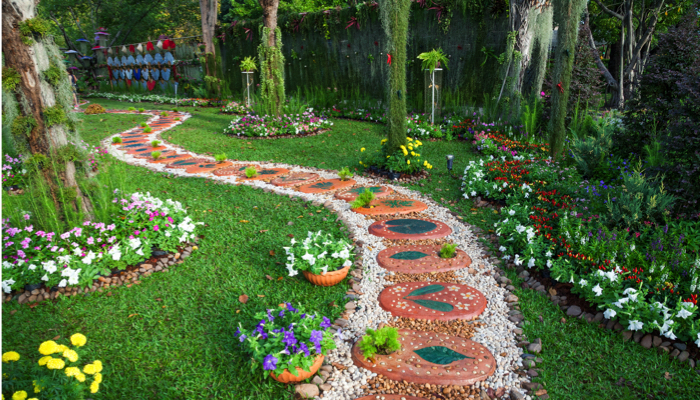
• Stepping stones for tactile movement
• Trellises for climbing plants and vertical interest
• Bird feeders to invite wildlife
• Raised planters for hands-on gardening
Try not to overdo it. A fountain, a fragrant path, and a soft seating area may be enough. The best sensory gardens often feel layered rather than crowded.
I once saw a backyard sensory garden with only six plants, one bench, and a tiny bubbling fountain. It felt more soothing than much larger gardens because every detail had a purpose.
Seasonal Planning and Maintenance
A sensory garden should change with the seasons. That change is part of its charm. Different months can bring different scents, colors, textures, and sounds.
Plan for all seasons by using:
• Spring bulbs for early color
• Summer flowers for brightness and pollinators
• Autumn grasses and seed heads for texture
• Evergreen plants for year-round structure
• Winter bark, stems, and berries for interest
Maintenance matters too. A neglected sensory garden can lose its impact fast. Dead plants, overgrown paths, and broken features make the space less inviting.
Keep up with:
• Watering as needed
• Pruning and deadheading
• Path cleaning
• Mulching
• Replacing tired annuals
• Checking safety around tools, water, and structures
If you want a low-maintenance version of how to start a sensory garden, choose hardy plants, mulch well, and keep the design simple. A simple garden that gets cared for will always beat a complicated one that gets ignored.
Common Mistakes to Avoid
People often make the same mistakes when learning how to start a sensory garden. Knowing them early saves time, money, and frustration.
Watch out for these issues:
• Choosing too many plants at once
• Ignoring sunlight and drainage
• Using plants that are unsafe for children or pets
• Making paths too narrow
• Forgetting seating and shade
• Picking high-maintenance features without a plan
• Creating too much sensory input in one space
A sensory garden should feel soothing, not stressful. If every corner is loud, bright, and busy, the space can become tiring instead of restful.
One of the most common mistakes I’ve seen is rushing the design. People plant first and think later. That almost always leads to extra work, so slow planning is worth it.
How to Start a Sensory Garden on a Budget
You do not need a big budget to begin. In fact, some of the best sensory gardens start small and grow over time. The trick is to spend on what matters most.
Budget-friendly ideas include:
• Start with containers instead of full beds
• Propagate herbs from cuttings
• Use mulch and stones from local suppliers
• Buy a few strong plants instead of many weak ones
• Reuse benches, pots, and edging materials
• Add one feature at a time
If money is tight, focus on scent and touch first. Herbs and textured foliage often give a lot of value for a small cost. A single lavender plant near a walkway can do more than a dozen random flowers.
Sensory Garden Ideas by User Need
Different people need different kinds of sensory support. That is why how to start a sensory garden should always begin with the user in mind.
For children
• Bright colors
• Safe touch plants
• Edible plants
• Interactive features like stepping stones or digging areas
For older adults
• Clear paths
• Familiar scents
• Comfortable seating
• Easy-to-reach raised beds
For therapy or healing spaces
• Gentle textures
• Calm colors
• Low noise
• Simple layouts
• Plants with strong memory links, like rosemary or roses
For small yards
• Vertical planters
• Containers
• One focal feature
• Layered plants for visual depth
Each version of a sensory garden can work well if it matches the people who will use it most.
Frequently Asked Questions
What is the best first step in how to start a sensory garden?
Start by deciding who the garden is for and which senses you want to focus on first. That keeps the design clear and helps you choose the right plants and features.
Do sensory gardens need to be large?
No, a sensory garden can be very small and still work well. Even a patio or a few raised planters can create a rich sensory experience.
Which plants are best for a beginner sensory garden?
Lavender, rosemary, mint, lamb’s ear, and ornamental grasses are good starter plants. They offer scent, texture, movement, or all three, and many are easy to maintain.
How do I make a sensory garden safe for children?
Choose non-toxic plants, avoid sharp tools or hard edges, and make paths easy to walk on. Supervision is also important if the garden includes water or edible plants.
How much maintenance does a sensory garden need?
That depends on the plants and features you choose. A simple sensory garden with hardy plants, mulch, and basic seating can stay manageable with regular light care.
Can I make a sensory garden in containers?
Yes, container gardens work very well, especially in small spaces. Containers let you control soil, drainage, and plant placement more easily.
Conclusion
Learning how to start a sensory garden is really about creating a space that feels good to be in. When you plan for sight, sound, touch, smell, and taste with care, the garden becomes more than decoration. It becomes a place for comfort, discovery, and daily joy.
Start small, choose plants that fit your space, and build slowly with purpose. If you take one step this week, whether it is measuring your space or planting one fragrant herb, you are already on your way. Explore more garden ideas, keep learning, and share your progress with others who want to build a calmer, more sensory-rich world.