Create a low maintenance garden by choosing hardy plants, simple layouts, and smart watering habits.
A low maintenance garden is not about giving up on beauty. It is about designing a space that works with nature, not against it. Over the years, I’ve seen the same pattern again and again: the gardens that stay attractive with the least effort are the ones built on good plant choices, clean structure, and realistic upkeep. If you want a garden that looks great without swallowing your weekends, you’re in the right place.
What a Low Maintenance Garden Really Means
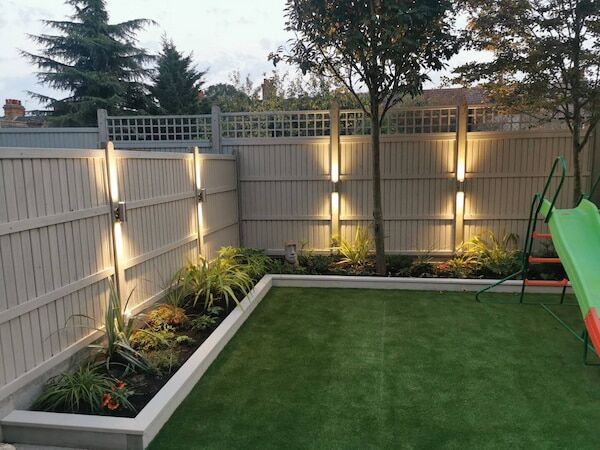
A low maintenance garden is a garden that needs less watering, less pruning, less fertilizing, and less constant replanting. It does not mean “no care.” Every healthy garden needs some attention. But the goal is to reduce repeat work and make the tasks that remain much easier.
In practice, that means choosing plants that suit your climate, using mulch to slow weeds and protect soil, and designing the space so it is easy to clean and manage. When I first started helping people simplify their yards, the biggest mistake I saw was planting high-drama flowers in hard-to-reach places. They looked lovely for a few weeks, then turned into a chore.
A low maintenance garden works like a well-made outfit. The pieces match, the fit is right, and you do not need to keep adjusting it all day. That is the mindset that makes the whole process easier.
Start with the Right Garden Plan
The easiest way to create a low maintenance garden is to design for simplicity from the start. If the layout is messy, the upkeep will be messy too. A clean design saves time every single week.
Think in zones. Put the plants that need the most care near your door or patio. Keep the tougher, drought tolerant plants farther out. That way, you are not constantly walking across the yard with a watering can or pruning tools.
A smart plan usually includes:
- Wide planting beds instead of tiny scattered beds
- Clear paths that make mowing, watering, and weeding easier
- Fewer plant types, so care is simpler
- Grouped plants with similar sun and water needs
- Open space where you do not want to garden often
One of the best lessons I learned was this: every extra corner, curve, and narrow strip adds maintenance. Beautiful gardens can still be simple. They just need a plan that respects your time.
Choose Plants That Do Most of the Work for You
Plant choice is the heart of how to create a low maintenance garden. The right plants can thrive with less water, less trimming, and fewer pest problems. The wrong ones can turn into a full-time job.
Look for plants that are:
- Native to your area
- Drought tolerant
- Slow growing
- Disease resistant
- Perennial, so they come back each year
Native plants are often the best place to begin. They are already adapted to local weather, soil, and rainfall. That usually means less watering and fewer chemical treatments. Many state extension programs and horticulture groups recommend native and climate adapted plants for exactly this reason.
Some easy-care plant types include:
- Ornamental grasses
- Lavender
- Sedum
- Coneflower
- Daylilies
- Boxwood varieties that stay compact
- Evergreen shrubs suited to your region
I once helped replace a bed full of thirsty annuals with a mix of perennials and shrubs. The homeowner went from watering every day in summer to watering only during longer dry spells. The garden still looked full, but the workload dropped fast.

Use Mulch to Cut Down on Weeds and Watering
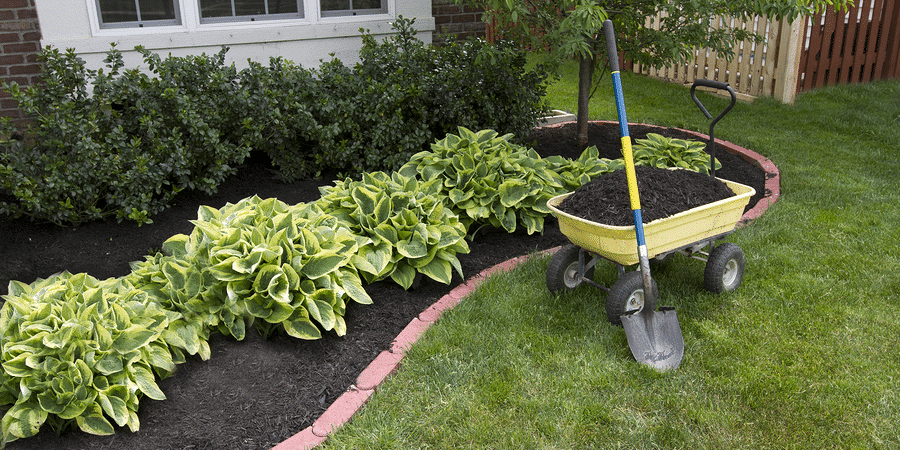
Mulch is one of the simplest tools for a low maintenance garden. It helps hold moisture in the soil, blocks sunlight from weed seeds, and keeps roots cooler in hot weather. It also gives the garden a neat, finished look.
Organic mulch options include:
- Shredded bark
- Wood chips
- Pine needles
- Compost
- Leaf mulch
A mulch layer of about 2 to 3 inches is usually enough. Too little will not help much. Too much can trap moisture and stress plants. Keep mulch a few inches away from trunks and stems to reduce rot.
In my experience, mulch is the closest thing to a garden shortcut. It does not remove every task, but it cuts a lot of small jobs at once. Less weeding, less watering, and less soil splash after rain all add up.

Reduce Lawn Space Where You Can
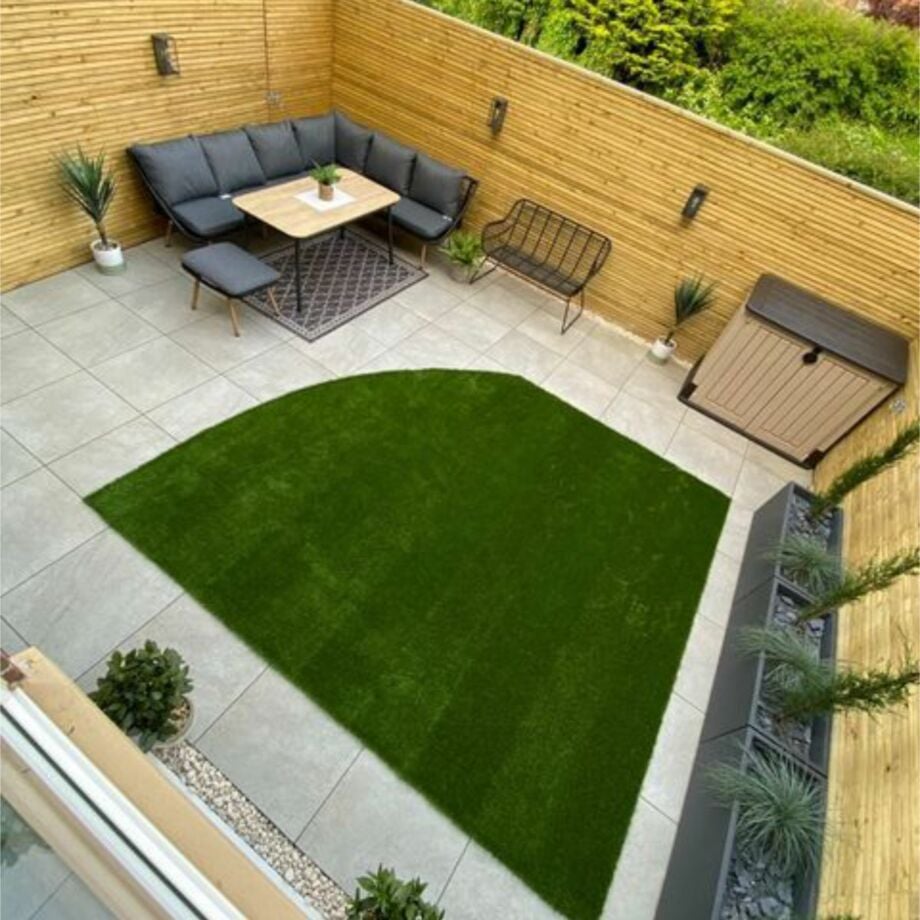
Lawns look neat, but they can be one of the highest maintenance parts of a yard. They need mowing, edging, watering, feeding, and sometimes weed control. If your goal is how to create a low maintenance garden, trimming down the lawn is a big win.
You do not have to remove every bit of grass. Even a small reduction can make a difference. Replace some lawn areas with:
- Ground covers
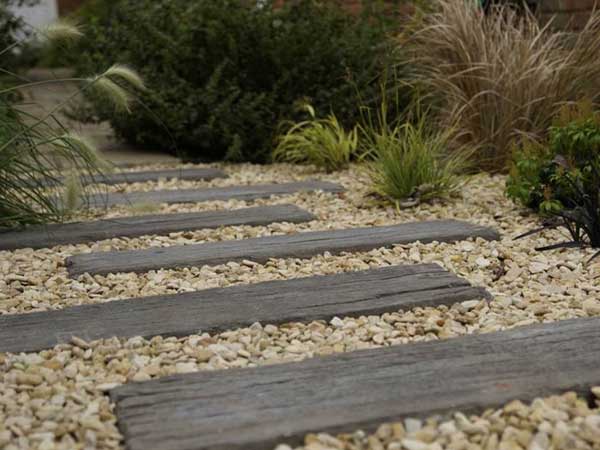
- Gravel or stepping stone paths
- Mulched planting beds
- Native flower borders
- Patio space or seating areas
I have seen many homeowners feel guilty about shrinking the lawn. But once they do it, they usually feel relief. Less mowing means more free time, and the yard often looks more intentional and stylish.
Pick Hardscape That Lowers Work
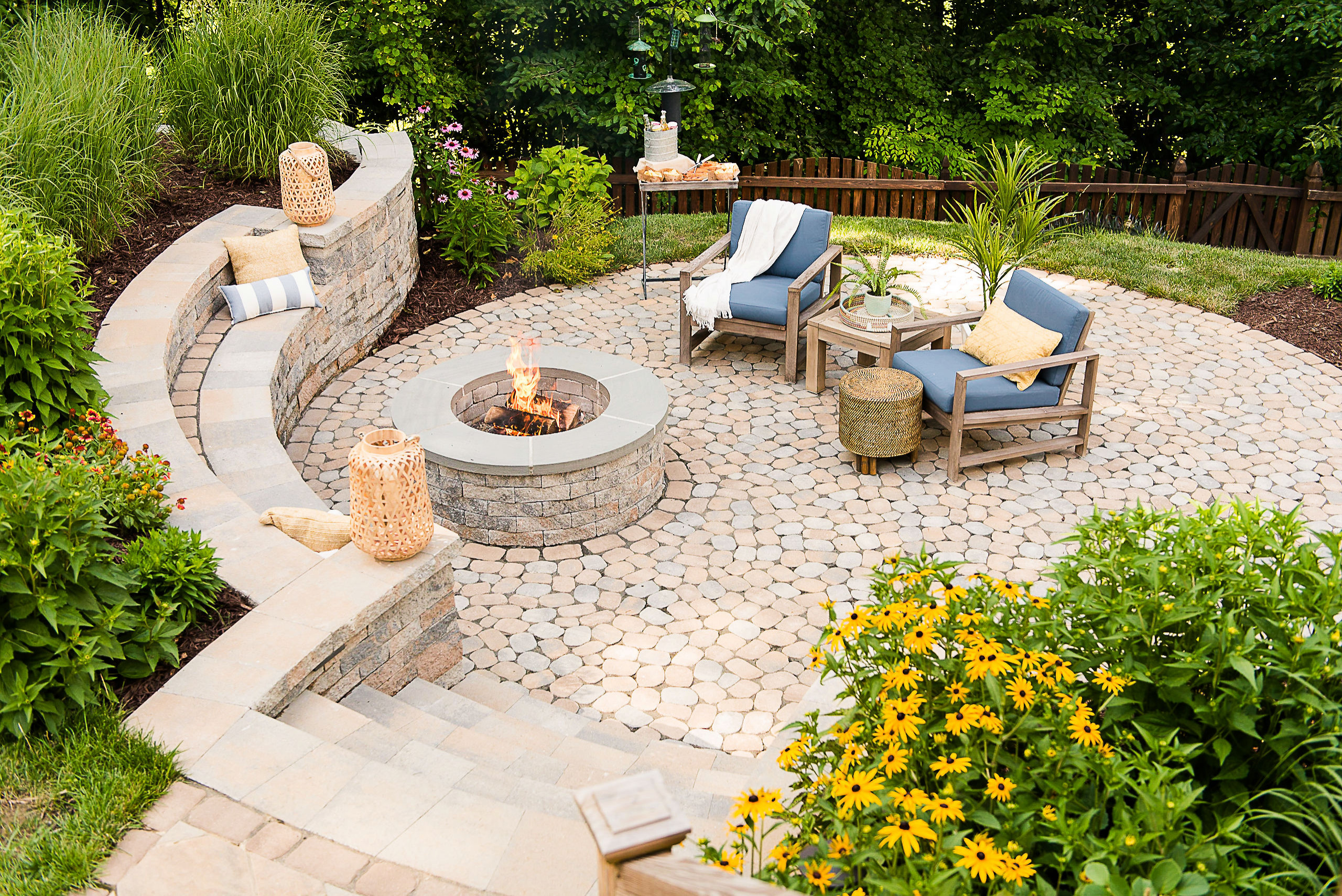
Hardscape means the built parts of the garden, like paths, patios, raised beds, and edging. Good hardscape can make a garden much easier to manage because it defines space and reduces planting area.
Useful low maintenance hardscape ideas include:
- Stone or paver paths
- Raised beds with clean edges
- Gravel seating areas
- Metal or stone edging
- Drip irrigation lines hidden under mulch
These features help keep weeds down and make upkeep more predictable. They also give the garden structure in every season, even when plants are resting or dormant.
One mistake I used to see often was using too many tiny decorative borders. They looked cute at first, but they needed constant cleanup. Simple, strong lines usually age better and take less effort.
Install Efficient Watering Systems
Watering is one of the biggest time drains in any yard. If you want a low maintenance garden, make irrigation smarter. The best option for many gardens is drip irrigation or soaker hoses. These deliver water right where it is needed, which reduces waste and helps keep leaves dry.
A few smart watering tips:
- Water deeply but less often
- Water early in the morning
- Group plants by water needs
- Use drip systems under mulch
- Check for leaks and clogs once in a while
The EPA has long promoted water-efficient landscaping and irrigation because it helps conserve water and supports healthier plants. That matters in both dry climates and places with rising water costs.
If you travel often or just do not want to hand-water all the time, this is a game changer. A simple timer on a drip system can save hours each month.

Keep Fertilizer and Chemicals to a Minimum
A true low maintenance garden should not depend on constant feeding or chemical treatments. Healthy soil and good plant selection reduce the need for extra products. Many gardens are overfed because people think more fertilizer means better growth, but that often leads to weak, fast-growing plants that need more pruning.
A better approach is:
- Add compost to improve soil naturally
- Use slow-release fertilizer only when needed
- Match plants to your soil conditions
- Avoid forcing plants that do not belong in the space
Too much fertilizer can also invite pests and disease. I have seen gardens become more demanding after too much nitrogen pushed plants into soft, fragile growth. Simple feeding habits are often the best ones.
Make Weeding Easier Before It Starts
Weeds are one of the biggest reasons people give up on a garden. The good news is that a few preventive steps can cut weed pressure a lot. The trick is to stop weeds from getting light, room, and bare soil to grow in.
To reduce weeding:
- Use mulch generously
- Plant densely so soil is covered
- Install landscape fabric only where it truly helps, such as under gravel
- Pull weeds when they are small
- Edge beds to stop grass from creeping in
A dense garden is often a low maintenance garden. Bare soil invites weeds. Covered soil is calmer, cleaner, and much easier to manage.
One small habit I swear by is a five-minute weed check after rain. Wet soil makes pulling much easier. That tiny routine can save a lot of frustration later.
Choose Containers and Raised Beds Wisely
Containers and raised beds can make gardening easier, but only if you keep them simple. They are great for controlling soil, drainage, and access. They also work well if bending and kneeling are difficult.
For lower maintenance, choose:
- Large containers instead of many small pots
- Self-watering planters when possible
- Durable materials like fiberglass, resin, or stone
- Raised beds with efficient drip irrigation
- Perennials and compact shrubs instead of high-turnover annuals
Small pots dry out fast and need frequent care. That is fine if you enjoy daily gardening, but it is not ideal for a low maintenance setup. Bigger containers usually hold moisture better and need less attention.
Use Simple Plant Combinations for Year-Round Interest
A garden does not need dozens of plant types to look good. In fact, too much variety often creates more maintenance. A better strategy is to repeat a few strong plants in different spots.
Good combinations often include:
- Evergreen shrubs for structure
- Perennials for seasonal color
- Ornamental grasses for movement
- Ground covers for coverage
- A few accent plants for variety
This approach makes the garden feel planned and balanced. It also makes pruning, feeding, and replacement much easier because you are dealing with fewer plant needs.
I like to think of it like a wardrobe. A few reliable pieces worn well look better than too many random items. The same is true in the garden.
Design for Your Climate, Not Against It
This is one of the most important parts of how to create a low maintenance garden. A plant may look beautiful in a catalog, but if it hates your heat, humidity, frost, or soil, it will need more care than you want to give.
Before buying plants, check:
- Your USDA hardiness zone
- Sun exposure
- Soil drainage
- Average rainfall
- Local pest pressure
Climate-smart gardening is one of the clearest signs of experience. It saves money, reduces plant loss, and makes the garden more resilient. Local extension offices, botanical gardens, and native plant groups are often great places to get practical advice.
A low maintenance garden should feel at home where it grows. If a plant is struggling every season, it is not low maintenance. It is just expensive.
Common Mistakes to Avoid
A lot of people start with good intentions and end up with a garden that needs more work than before. The issue is usually not lack of effort. It is poor planning.
Try to avoid these mistakes:
- Buying plants based only on looks
- Mixing too many plant types with different needs
- Creating small awkward beds that are hard to reach
- Skipping mulch
- Overwatering or overfertilizing
- Planting fast-growing species that need constant trimming
I have made some of these mistakes myself. Early on, I planted a beautiful shrub that looked fine for one season, then became a pruning headache every year after. That taught me a useful rule: beauty matters, but maintenance matters too.
Benefits of a Low Maintenance Garden
A low maintenance garden brings more than convenience. It can improve the way you use your whole outdoor space.
Some key benefits include:
- Less time spent on chores
- Lower water use
- Reduced stress
- Fewer replacement costs
- Better plant survival
- More time to enjoy the space instead of managing it
There is also a mental benefit. A tidy, easy-care garden feels calming. It becomes a place to relax, not a list of unfinished tasks. That shift is one of the biggest reasons people love simplifying their landscapes.
Step-by-Step: How to Create a Low Maintenance Garden
If you want a simple starting point, follow this order:
- Look at your space and note sun, shade, soil, and drainage.
- Remove plants that are high effort or always failing.
- Reduce lawn where it does not add value.
- Choose native or climate adapted plants.
- Add mulch across planting beds.
- Install drip irrigation or another efficient watering method.
- Group plants by water and light needs.
- Use simple hardscape to define space.
- Keep the design clean and repeat plant choices.
- Review the garden each season and make small improvements.
This approach works because it solves the biggest maintenance problems first. You do not need to redo everything in one day. Small changes stack up fast.
Frequently Asked Questions
What is the easiest plant for a low maintenance garden?
The easiest plants are usually native perennials, ornamental grasses, and drought tolerant shrubs. These tend to need less water and less trimming once established.
How do I make my garden lower maintenance without spending a lot?
Start with mulch, fewer lawn areas, and plants that already grow well in your climate. Those changes are affordable and can reduce both labor and water use right away.
Is artificial turf a low maintenance option?
It can reduce mowing, but it still needs cleaning and can get hot in full sun. It is best used only when you understand the trade-offs and local heat conditions.
Do low maintenance gardens still need watering?
Yes, especially during establishment and dry spells. The goal is not zero watering, but less frequent and more efficient watering over time.
Can I have flowers in a low maintenance garden?
Absolutely. Perennials, native flowers, and repeat-blooming plants can give color with less work than seasonal annuals. The key is choosing plants that fit your conditions.
Conclusion
Creating a low maintenance garden comes down to smart choices, not hard work. When you use the right plants, mulch well, reduce lawn, and build a simple layout, the garden starts to take care of itself much more often.
The best part is that you do not need to do everything at once. Start with one area, make it easier to manage, then keep going. A calmer, cleaner garden is often just a few good decisions away, so take the first step today and build a space you can actually enjoy.