Build a butterfly garden by pairing nectar flowers, host plants, sun, shelter, and pesticide-free care.
If you want to attract more butterflies, the key is simple: give them food, a safe place to lay eggs, and a calm habitat where they can thrive. I’ve found that the best butterfly gardens are not just pretty; they work like a small, living ecosystem. In this guide, I’ll walk you through how to build a butterfly garden that supports real butterfly life from spring through fall, with practical tips that actually hold up in the yard.
What makes a butterfly garden work
A butterfly garden is more than a flower bed. It is a space that gives adult butterflies nectar, caterpillars host plants, and protection from wind, harsh weather, and chemicals. When those pieces come together, butterflies are more likely to visit, stay, and reproduce.
In my own garden projects, the biggest mistake I saw was choosing flowers only for color. That helps, but butterflies need more than a pretty buffet. They also need native plants, shallow water, sunny spots, and a place that feels safe.

How to build a butterfly garden step by step
Building a butterfly garden becomes much easier when you think in layers. Start with the site, then add the right plants, then fine-tune the space for butterfly behavior. That sequence saves time and reduces costly mistakes.
1. Choose a sunny location
Butterflies are cold-blooded, so they need warmth from the sun. A spot with at least 6 hours of direct sunlight is ideal for most butterfly gardens.
A sunny area also helps nectar flowers bloom better. If your yard has morning sun and light afternoon shade, that can work well too, especially in hot climates.
2. Add nectar plants for adult butterflies
Adult butterflies feed on nectar, so this is the first plant layer to build. Choose flowers with flat tops or clusters of small blooms, because they are easier for butterflies to land on and feed from.
Good nectar plants include:
• Milkweed
• Coneflower
• Black-eyed Susan
• Lantana
• Zinnia
• Joe-Pye weed
• Phlox
• Aster
• Verbena
Try to plant flowers that bloom in different seasons. That keeps nectar available from spring to fall, which is a major reason butterflies keep coming back.
3. Include host plants for caterpillars
If you want butterflies to reproduce in your garden, you need host plants. These are the plants where butterflies lay eggs and caterpillars eat the leaves.
Different species use different host plants. For example:
• Monarch butterflies use milkweed
• Swallowtails often use dill, parsley, fennel, or citrus relatives
• Painted ladies use thistle and mallows
• Fritillaries often use violets
This part surprises a lot of gardeners. At first, the leaves may look chewed up, but that is a sign the garden is doing its job. I usually tell people to treat a few leaf holes as proof of life, not damage.
4. Plant in groups, not singles
Butterflies are more likely to notice a cluster of the same flower than one plant scattered alone. Grouping plants also makes the garden feel fuller and more natural.
A simple rule works well:
• Plant 3 to 5 of the same nectar plant together
• Repeat those clusters across the garden
• Mix heights for a layered look
This improves both visual impact and pollinator access. It also makes maintenance easier because plants with similar needs stay together.
5. Provide a water source
Butterflies do not need a deep birdbath. They prefer shallow moisture and minerals from damp soil or sand, often called puddling.
You can make a simple puddling station with:
• A shallow dish
• Sand or small pebbles
• Water to keep it damp, not flooded
• A few rocks for landing spots
This tiny detail can make a big difference. I have seen more butterfly activity around a damp sand area than around some flower beds, especially in the heat of summer.
6. Add shelter from wind and predators
Butterflies need a calm place to rest, feed, and warm up. Strong wind can make it hard for them to fly and feed efficiently.
Helpful shelter includes:
• Shrubs
• Tall grasses
• Fences
• Trees with dappled light
• Dense native perennials
Avoid placing the garden in a fully exposed corner if you can help it. A little shelter makes the space feel more usable to butterflies and more pleasant for you, too.
7. Skip pesticides and harsh chemicals
This is one of the most important parts of how to build a butterfly garden. Even products labeled “natural” can harm caterpillars and adult butterflies if used carelessly.
If pests show up, try gentler methods first:
• Hand-pick large pests
• Use water sprays for aphids
• Encourage ladybugs and birds
• Accept some leaf damage on host plants
A butterfly garden is supposed to support life, so chemical-free care is part of the design, not just an afterthought. A few chewed leaves are worth it if the garden is alive with movement.
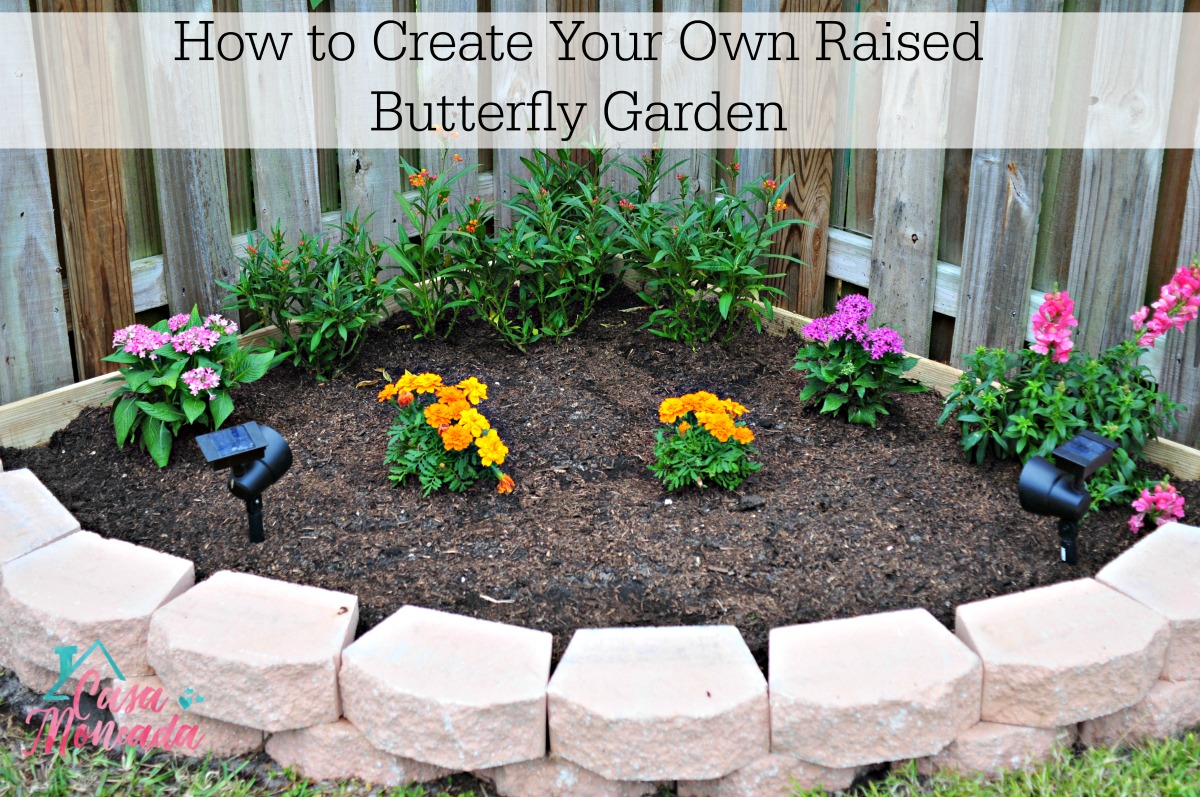
Best plants for a butterfly garden
Choosing the right plants is the heart of how to build a butterfly garden. The best gardens combine nectar plants, host plants, and native species whenever possible. Native plants often perform better because local butterflies already know how to use them.
Here are strong choices by purpose:
Nectar plants
• Milkweed
• Coneflower
• Lantana
• Blazing star
• Bee balm
• Goldenrod
• Aster
• Verbena
Host plants
• Milkweed for monarchs
• Parsley, dill, and fennel for swallowtails
• Violets for fritillaries
• Passionflower for gulf fritillaries and zebra longwings in warmer regions
• Lupine for some blue butterflies
• Native grasses for skipper species
Planting tips
• Pick plants that fit your USDA hardiness zone
• Use native varieties when possible
• Stagger bloom times for season-long nectar
• Avoid heavy double-flower varieties that block access to nectar
One thing I learned the hard way is that beautiful flowers are not always butterfly-friendly. Some ornamental varieties look great in a pot but offer very little nectar. If butterflies cannot land or reach the bloom, they will move on.
How to design the layout
A good butterfly garden should feel open, sunny, and easy to navigate. Butterflies like warmth and clear flight paths, so crowded layouts can work against you.
A simple layout plan looks like this:
• Put taller plants in the back
• Place medium plants in the middle
• Use short flowers at the front edges
• Leave some open sunny areas for flying and basking
• Add a few flat stones for resting spots
You can also create “butterfly zones” in larger yards. One area can focus on nectar, another on host plants, and a third on shelter and water. That kind of structure gives the garden a natural rhythm.
Caring for a butterfly garden through the seasons
A butterfly garden is not a one-season project. It changes as butterflies move through their life cycle, and your care should change too.
Spring care
• Cut back dead growth gently
• Add new nectar plants early
• Watch for caterpillars before pruning host plants
• Refresh mulch without covering plant crowns
Summer care
• Water deeply during dry spells
• Deadhead spent blooms to encourage more flowers
• Check for pests before using any treatment
• Keep puddling stations moist
Fall care
• Leave some seed heads for wildlife
• Avoid cleaning everything too early
• Let host plants finish their cycle
• Plant fall bloomers like asters and goldenrod
Winter care
In many regions, it helps to leave stems and leaf litter in place until spring. Some butterflies overwinter as eggs, chrysalises, or caterpillars, and a too-clean garden can remove those hidden life stages.
This is where patience matters. A tidy yard is not always a healthy yard for butterflies. I have learned that a little mess, handled thoughtfully, often creates the best habitat.
Common mistakes to avoid
It is easy to get excited and plant a lot of flowers, but a butterfly garden works best when the basics are right. Small mistakes can reduce visits fast.
Avoid these common problems:
• Using only nectar flowers and no host plants
• Planting in full shade
• Using pesticides or systemic insecticides
• Choosing nonnative plants that offer little value
• Pulling caterpillars off plants because you think they are pests
• Forgetting water and shelter
Another mistake is expecting instant results. Butterflies may need time to find the garden, and the best results often come after the plants are established and the habitat feels stable.
Why native plants matter
Native plants are often the backbone of a successful butterfly garden. They usually need less water, handle local weather better, and support local butterflies and caterpillars more effectively than many exotic plants.
From a practical point of view, native plants often make maintenance easier. They are already adapted to the soil, climate, and seasonal patterns of your area. That means fewer replacements, better survival, and stronger habitat value.
Research from conservation and extension groups consistently shows that native plant diversity supports more pollinators and insect life overall. If you want a garden that works like a real habitat, native plants are one of the smartest investments you can make.
How big should a butterfly garden be
A butterfly garden can be small and still succeed. Even a patio container garden can attract butterflies if it includes nectar and host plants and gets enough sun.
Here is a simple guide:
• Small space: 3 to 5 plant clusters in containers or a narrow bed
• متوسط yard: one mixed border with nectar and host plants
• Large yard: several habitat zones with bloom time spread across seasons
Size matters less than plant choice and care. A few well-chosen plants in the right place can outperform a larger but poorly planned bed.
How to make your garden butterfly-friendly year-round
To keep butterflies coming back, think beyond summer. A true butterfly garden offers something in each season butterflies are active.
Helpful strategies include:
• Early bloomers for spring visitors
• Midseason flowers for peak activity
• Late bloomers like asters and goldenrod
• Host plants that support breeding cycles
• Shelter that stays useful through changing weather
In warmer regions, some butterflies may stay active much longer. In cooler areas, the garden may rest in winter, but the habitat structure still matters for overwintering insects.
Frequently Asked Questions of how to build a butterfly garden
What is the easiest way to start a butterfly garden?
Start with a sunny bed and plant a few nectar flowers plus one or two host plants. If you keep the space pesticide-free and add a shallow water source, butterflies will have what they need to begin visiting.
Do butterfly gardens need native plants?
Native plants are not required, but they are usually the best choice. They support local butterfly species better, and they often grow with less care once established.
How do I attract monarch butterflies specifically?
Plant milkweed, since monarchs lay eggs only on milkweed species. Add nectar plants like coneflower, lantana, and aster to support adult monarchs as they feed.
Can I build a butterfly garden in pots?
Yes, container butterfly gardens can work well on patios, balconies, or small yards. Use large pots, full sun, nectar-rich flowers, and at least one host plant if space allows.
Should I remove caterpillars from my plants?
No, caterpillars are a normal and important part of a butterfly garden. If they are feeding on host plants, they are usually a sign that your garden is supporting butterfly life.
Conclusion
A strong butterfly garden is built with sunlight, nectar, host plants, shelter, and a no-chemical approach. When you plan for both adult butterflies and caterpillars, your garden becomes more than decoration. It becomes a living habitat that changes with the seasons and rewards you with color, movement, and life.
If you are just starting, keep it simple and build slowly. Choose a sunny spot, plant in clusters, and focus on native flowers that support real butterfly activity. Then watch what happens, because once butterflies find a garden that truly serves them, they tend to return.
If you found this guide helpful, try planning your butterfly garden this week, and share your progress or questions in the comments.