Garden forks loosen and lift soil; spading forks slice and turn soil for deeper, cleaner digging.
I have spent years digging beds and testing tools in small vegetable plots and client yards. I will guide you through garden fork vs spading fork so you can pick the right tool for the job. This article covers design, uses, pros and cons, maintenance, real-world tips, and clear buying advice. Read on to make smart choices and work less hard in the soil.

Understanding the difference: garden fork vs spading fork
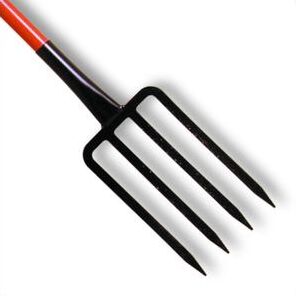
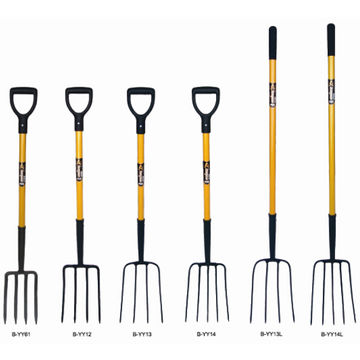
A garden fork and a spading fork look similar at first. Both have tines and long handles. The key is how the tines are shaped and how each tool moves soil. A garden fork usually has straight, robust tines. A spading fork has flatter, sharper tines that act like blades. Use a garden fork to lift, loosen, and aerate. Use a spading fork to cut through sod, roots, and compacted layers. Saying "garden fork vs spading fork" helps you think in terms of function, not just form.

Design and parts compared
- Handles
- Garden fork handles are often stout. They may be wood, fiberglass, or steel. Spading fork handles can be similar but sometimes shorter for control.
- Tines
- Garden fork tines are thicker and rounder. They resist bending when prying rocks or roots.
- Spading fork tines are flatter and sharper. They slice like a spade.
- Head angle
- Garden fork heads sit more upright. This helps lift soil without cutting.
- Spading forks often have a sharper forward angle. This helps penetrate and slice.
Comparing these parts makes "garden fork vs spading fork" a clear choice based on soil and tasks. Pick the tool whose parts match your most common tasks.

When to use a garden fork
- Breaking up heavy, compacted soil
- Use the garden fork to loosen dense beds. The thick tines pry and lift.
- Lifting root crops and potatoes
- The strong tines reduce damage to tubers when lifting.
- Aerating established beds
- Work the fork in, rock it back, and lift to add air without complete turning.
- Working around stones
- The stout tines can move rocks without bending.
A garden fork is my go-to for late fall bed prep and heavy clay. It shines when you need to lift and loosen rather than chop.
When to use a spading fork
- Cutting through turf and roots
- The flat, sharp tines slice cleanly through sod and roots.
- Turning compost or mixing amendments
- Spading forks turn material quicker and with less clumping.
- Preparing fine seedbeds
- The slicing action creates cleaner clods and a smoother seedbed.
- Working shallow beds or raised beds
- The control from sharper tines is ideal for delicate beds.
I reach for a spading fork when I plant new beds or work small, rooted areas. It feels like using a fork and spade at once.

Pros and cons at a glance
- Garden fork pros
- Strong tines resist bending.
- Good for heavy soil and lifting.
- Less effort to pry rocks.
- Garden fork cons
- Less efficient for cutting roots.
- Leaves larger clods when turning soil.
- Spading fork pros
- Slices roots and turf cleanly.
- Creates finer tilth for planting.
- Better for compost turning.
- Spading fork cons
- Tines can bend with heavy rocks.
- Might struggle in very compact clay.
Weighing these pros and cons will help you decide: do you need lifting power or cutting precision? The "garden fork vs spading fork" choice is a trade-off between force and finesse.
Practical tips from hands-on experience
- Match fork to soil
- Use a garden fork in heavy clay. Use a spading fork in mixed or loamy soil.
- Use your legs, not your back
- Bend at the knees. Push with your foot on the head if needed.
- Work in stages
- Loosen with a garden fork then refine with a spading fork for the best seedbed.
- Protect the tines
- Avoid hitting large rocks with a spading fork. It can bend the flat tines.
- Handle length matters
- Taller people benefit from longer handles. Shorter handles give control in beds.
I once ruined a spading fork by using it to pry a buried rock. After that, I use a garden fork for prying and a spading fork for cutting. This saved me money and time.

Maintenance and care
- Clean after use
- Remove soil and debris before storage.
- Sharpen spading fork tines
- A file keeps the cutting edges efficient.
- Tighten sockets and handles
- Check the head connection regularly and tighten or replace when loose.
- Rust prevention
- Wipe metal with an oily rag or store in a dry place.
- Replace worn parts
- A cracked handle or warped tines reduce safety and performance.
Good care extends tool life. A maintained spading fork stays sharp. A garden fork stays strong and reliable.

Choosing the right fork for you
- Assess your soil type
- Heavy clay: garden fork.
- Loam or mixed soil: spading fork works well.
- Think about tasks
- Lifting and aerating: choose a garden fork.
- Cutting and turning: choose a spading fork.
- Budget and build
- Look for forged heads and sturdy handles for longevity.
- Consider a both-tool approach
- Many gardeners benefit from owning both a garden fork and a spading fork.
If you can only buy one, pick the one that matches most of your work. If you have varied needs, own both and use each where it fits. This is the pragmatic answer to garden fork vs spading fork.

Frequently Asked Questions of garden fork vs spading fork
What is the main difference between a garden fork and a spading fork?
The main difference is tine shape. Garden fork tines are round and strong for lifting. Spading fork tines are flat and sharp for cutting and turning.
Can I use a spading fork in clay soil?
You can, but it may bend if you hit rocks or very compacted clay. A garden fork is safer and more efficient in heavy clay.
Which fork is better for harvesting potatoes?
A garden fork is better for harvesting. Its thick tines lift tubers with less damage than flat, sharp tines.
Do I need both tools for a home garden?
Not always. One tool may suffice depending on soil and tasks. Many gardeners find having both gives the most flexibility.
How do I maintain a spading fork compared to a garden fork?
Both need cleaning and rust prevention. Spading forks benefit from occasional sharpening of the flat tines, while garden forks mainly need handle and head checks.
Is a spading fork safer for raised beds?
Yes, spading forks give more control in shallow raised beds. Their slicing action disturbs less soil and roots in a targeted way.
Conclusion
Choosing between a garden fork vs spading fork comes down to the soil you work and the jobs you do. Garden forks lift and loosen in heavy ground. Spading forks cut and turn for clean beds and compost. Try both if you can. Start with one that suits most of your tasks and add the other later if needed. Test tools in a small area, care for them well, and you will save effort and time. Share your experiences below or subscribe for more practical gardening tips and tool guides.