A leaf rake is lighter and wider; a garden rake is stronger and built for soil work.
I’ve spent years caring for yards and testing tools, so I know how the right tool saves time and sweat. This article explains rake vs leaf rake with clear differences, real tips, and buying advice. Read on to learn when to pick a leaf rake or a garden rake, how to use each, and how to avoid common mistakes.
What is a rake vs leaf rake?
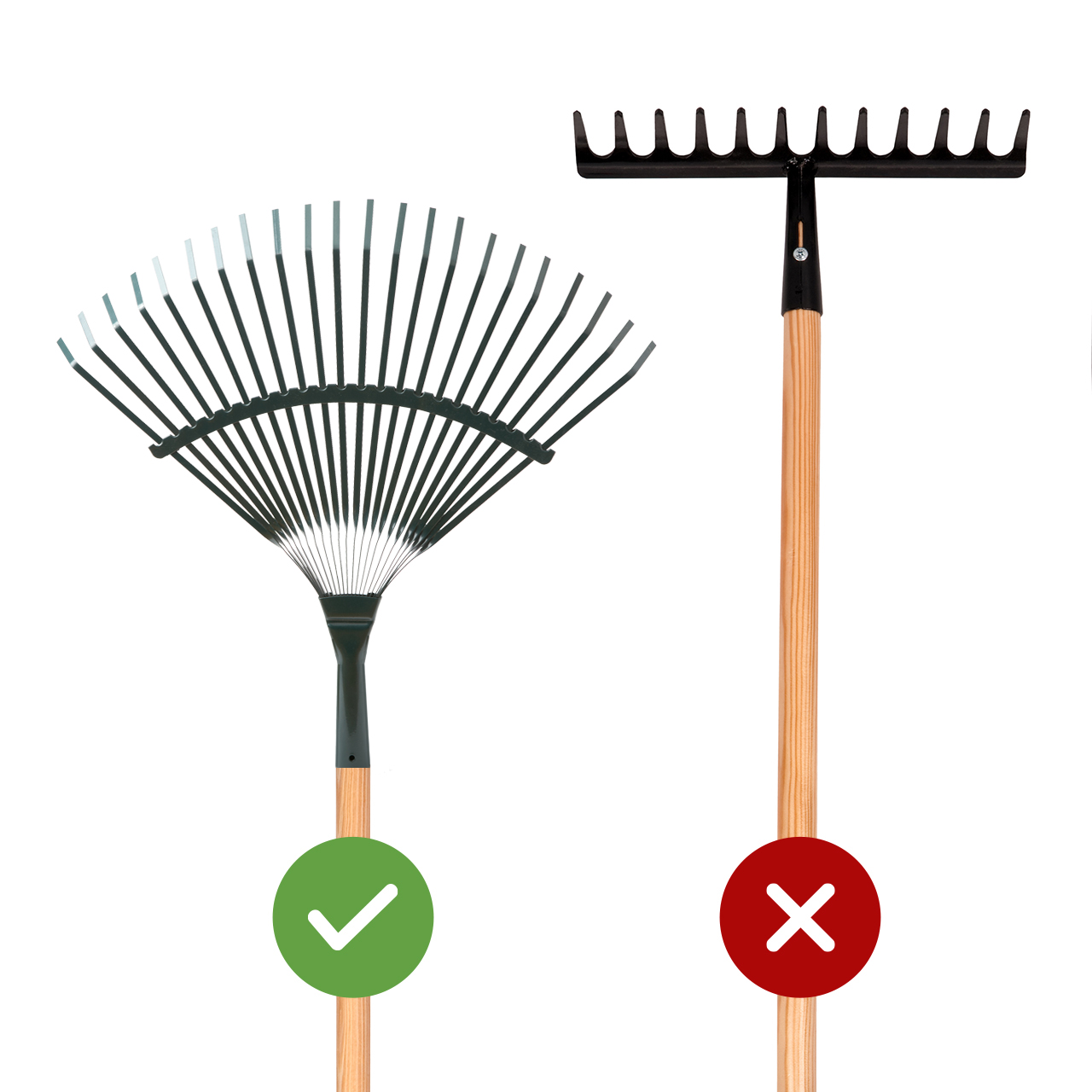
A rake is a general tool. It usually has short, stiff tines and a sturdy head. Garden rakes, often called bow rakes or garden rakes, move soil, gravel, and heavy debris well.
A leaf rake is a lighter tool. It has a fan-shaped head with many flexible tines. It works best for leaves, grass clippings, and light yard debris on lawns and beds.
Why the debate? People often wonder if one tool can do both jobs. The short answer is no. Each tool shines at its task. Knowing the difference makes yard work faster and easier.

Key differences between rake vs leaf rake
Design and head shape
- Garden rake: Narrow, rigid head. Tines are thick and short.
- Leaf rake: Wide, fan-shaped head. Tines are thin and flexible.
Best tasks
- Garden rake: Level soil, break clumps, move gravel, spread mulch.
- Leaf rake: Gather leaves, sweep grass clippings, clean light debris.
Materials and durability
- Garden rake: Steel tines and heavy head. Built to take force.
- Leaf rake: Plastic, bamboo, or thin metal tines on a light frame.
Handle and ergonomics
- Garden rake: Thicker handle for forceful work. Heavier feel.
- Leaf rake: Longer, lighter handle for broad strokes.
Result: For heavy work use a garden rake. For light cleanup use a leaf rake. Mixing them up adds time and wears tools faster.

Types and variations you should know
Garden rake variants
- Bow rake: Flat, rigid head for soil and gravel.
- Landscape rake: Wider and heavier for large jobs.
Leaf rake variants
- Fan leaf rake: Classic wide shape for lawns.
- Adjustable or telescoping leaf rake: Head or handle adjusts for storage and reach.
- Metal-tined leaf rake: Stronger tines for wet leaves or small twigs.
Specialty rakes
- Thatch rake: Designed to remove thatch from lawns.
- Fruit tree rake: Narrow head for tight spaces.
Choosing the right type helps you finish work faster and with less strain.

How to choose between rake vs leaf rake: buying guide
Match the tool to the job
- Yard size: Large yards benefit from a wide leaf rake.
- Debris type: Thick soil or rocks need a garden rake.
- Surface: Mulch and turf favor a leaf rake; compacted dirt needs a garden rake.
Build and comfort
- Handle material: Wood feels steady; fiberglass resists weather; aluminum is light.
- Grip: Look for soft grips to reduce hand fatigue.
- Weight: Lighter tools are easier for long jobs.
Durability vs price
- Steel tines last longer but cost more.
- Plastic or bamboo is cheaper but less durable.
Checklist before buying
- Will I need to move soil or just leaves?
- Do I want one tool to do both, or two specialized rakes?
- How often will I use the rake?
Answering these questions will guide you to the right pick for your yard.

How to use each tool effectively
Using a garden rake
- Stand with feet shoulder-width apart.
- Use short, firm pulls toward you to level soil or remove rocks.
- Avoid bending your back; let your legs and core do the work.
Using a leaf rake
- Use long, sweeping strokes.
- Keep the rake head shallow to avoid digging into the turf.
- Rake with the grain of grass or in broad overlapping arcs.
Common mistakes to avoid
- Using a leaf rake to move soil. This damages the head.
- Using a garden rake on a lawn. This tears turf.
- Raking wet leaves like dry leaves; wet leaves clump. Use a metal-tined leaf rake or wait for dryer conditions.
Small technique tips
- Work in rows for even piles.
- Use a tarp to carry leaves quickly.
- Change hands each few minutes to avoid strain.

Pros and cons of rake vs leaf rake
Garden rake pros
- Strong and durable.
- Great for soil, gravel, and heavy debris.
- Precise for landscape work.
Garden rake cons
- Heavy for long leaf raking tasks.
- Can damage grass if used on lawns.
Leaf rake pros
- Light and wide, covers more ground.
- Gentle on grass and for surface debris.
- Easy to store and use.
Leaf rake cons
- Weak for heavy debris or soil.
- Plastic tines can break on rocks or thick twigs.
Knowing these pros and cons helps you choose tools that last and work well.

Maintenance, care, and storage
Cleaning after use
- Knock off dirt and leaves.
- Rinse metal parts and dry them to avoid rust.
Sharpening and repair
- Garden rake tines can be filed for a sharper edge.
- Replace broken leaf rake tines or buy a new head when needed.
Storage tips
- Hang the rake to keep tines straight.
- Store in a dry shed or garage to extend life.
Seasonal care
- Oil metal parts before long storage.
- Inspect handles for cracks in spring.
Good care makes both rakes last longer and work better.

Practical decisions: rake vs leaf rake vs leaf blower
When to choose a leaf rake
- Small to medium lawns.
- Quiet neighborhoods and eco-friendly parks.
- Gentle cleanup where turf matters.
When to choose a garden rake
- Soil prep, bed work, or heavy debris.
- Driveways, gravel areas, and mulch beds.
When to choose a leaf blower
- Large yards and wet leaves.
- Fast cleanup when noise and emissions are acceptable.
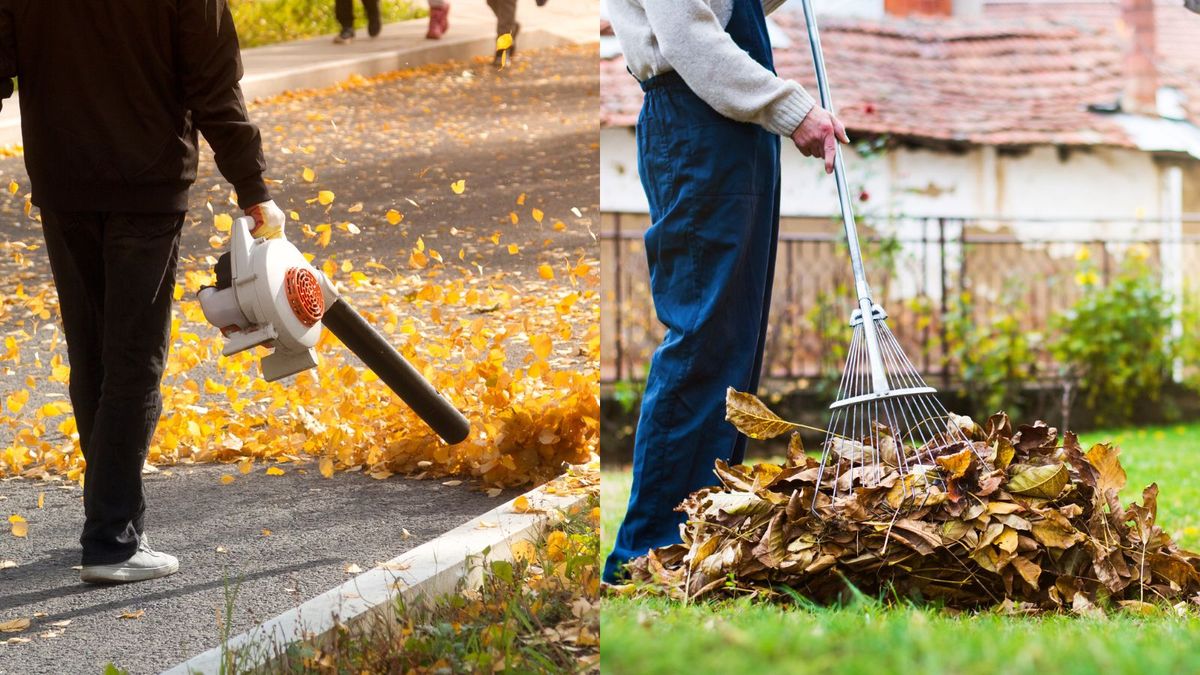
Think of tools as a team. Use a leaf rake for finish work, a garden rake for heavy tasks, and the blower for speed.
Personal experience and real-world tips
I have tended small and large yards for years. I learned the hard way that one tool rarely fits all jobs. Once I tried to level gravel with a leaf rake. The tines bent and the job took twice as long. After that I kept both tools on hand.
Best lessons I learned
- Buy a durable garden rake for tough jobs.
- Keep a wide leaf rake for weekly lawn touch-ups.
- Store both on a wall rack. This saves time and keeps tools straight.
One quick hack: use a tarp and a leaf rake together. Rake leaves onto the tarp and pull. It saves many trips to the compost bin.
Environmental and time-saving tips
Compost leaves
- Leaves are great for compost and mulch.
- Raked leaves can be chopped and added to compost bins.
Work smart, not harder
- Rake when leaves are dry for easy gathering.
- Use the right rake to reduce repeats and save time.
Noise and fuel
- Manual leaf rakes are quiet and low cost.
- Blowers are fast but noisy and use fuel or electricity.
Choosing the right tool matters for your yard and the planet.
Frequently Asked Questions of rake vs leaf rake
What is the main difference between a rake vs leaf rake?
The main difference is purpose. A garden rake handles soil and heavy debris, while a leaf rake is lighter and made for leaves and grass clippings.
Can I use a leaf rake on gravel or soil?
You can, but it will wear or bend the tines quickly. Use a garden rake for gravel and soil for better results and longer tool life.
Are metal-tined leaf rakes better for wet leaves?
Yes. Metal-tined leaf rakes are stronger and handle wet, heavy leaves better than plastic tines.
How often should I replace a rake or leaf rake?
Replace when tines are bent, broken, or missing, or when the head detaches from the handle. Good care can extend life to many years.
Is a leaf blower a good replacement for rakes?
A leaf blower speeds up work but can scatter debris and use fuel or power. For small yards and tidy edges, a rake often gives a neater finish.
Can one person manage without both tools?
Yes, but expect trade-offs. A single tool may slow you down or damage surfaces. Having both a garden rake and a leaf rake is more efficient.
Conclusion
Choosing between a rake vs leaf rake means matching tool form to task. Use a garden rake when you need strength and precision in soil or gravel. Use a leaf rake for light, broad cleanup on lawns and beds. Keep both in your shed if you want speed and neat results.
Take action: pick the right rake for your needs, care for it well, and try the tarp trick to speed leaf removal. If this guide helped, leave a comment or share your own rake vs leaf rake tip.