A hoe is best for precise weeding; a cultivator is faster for breaking and mixing soil.
I have used both tools for over a decade in small plots and hobby farms. This guide compares hoe vs cultivator in simple terms. You will learn when to pick a hoe or a cultivator. I explain types, uses, pros, cons, and real tips I learned the hard way. Read on to save time and protect your plants.
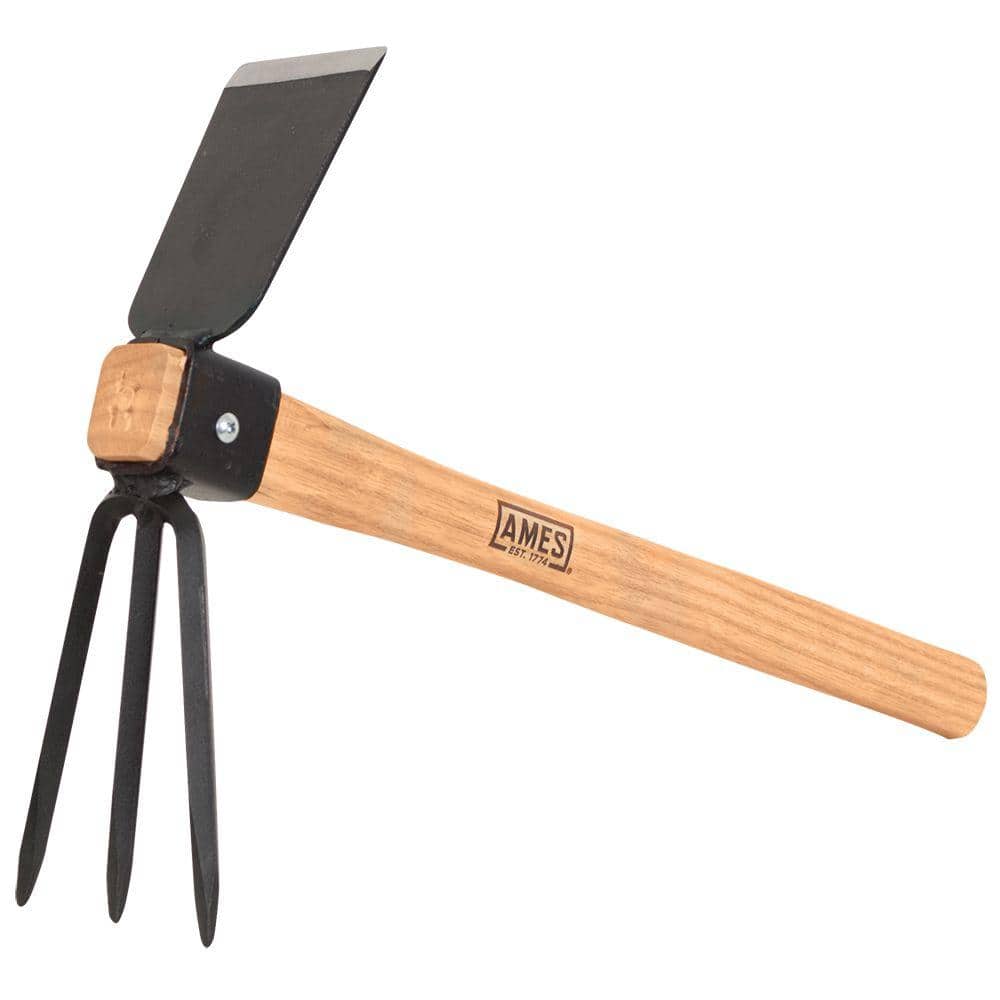
Hoe vs Cultivator: Definitions and Key Differences
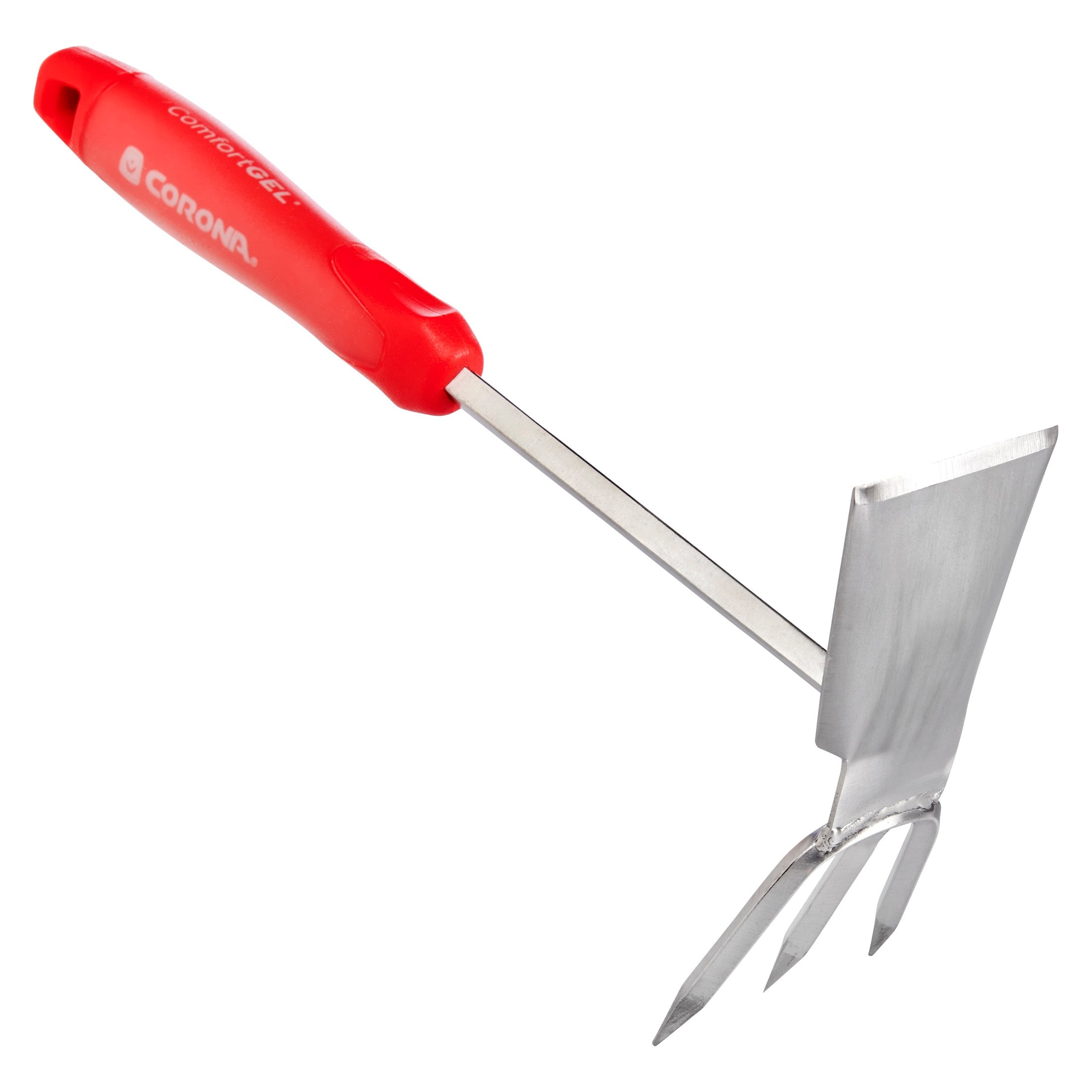
A hoe is a manual hand tool with a flat blade on a long or short handle. It is used for weeding, shaping soil, and making furrows. A cultivator can be a hand tool or a powered machine. It loosens soil, mixes compost, and uproots small weeds faster than a hoe.
Key differences to remember:
- Tool action: hoe slices or scrapes; cultivator digs, stirs, or tills.
- Labor: hoe needs steady hand work; cultivator often uses engine power or more force.
- Precision: hoe gives fine control near plants; cultivator covers ground quickly but is less precise.
- Soil impact: hoe is gentle for surface work; cultivator can disturb deeper soil layers.
When comparing hoe vs cultivator, think about scale and delicacy. For small beds, a hoe often wins. For larger plots, a cultivator can save hours.

When to Use a Hoe
Use a hoe for light tasks. Use it for surface weeding. Use it to chop roots just under the soil. Use it to shape planting rows and to earth up stems.
Practical hoe tasks:
- Remove small weeds close to seedlings.
- Cut the soil crust to let water in.
- Create seed furrows and small trenches.
- Finish soil surfaces for transplanting.
A hoe fits tight spaces. It is quiet and low cost. It keeps beneficial soil layers mostly intact. For delicate roots and young plants, the hoe is safer than a cultivator.
When to Use a Cultivator
Choose a cultivator for larger jobs. Use it to prepare seed beds quickly. Use it to mix compost or fertilizer into the topsoil. Use it to knock back heavier weeds.
Cultivator tasks:
- Break up compacted patches in raised beds.
- Mix amendments across wider areas.
- Aerate the top 2–6 inches of soil.
- Maintain mid-sized vegetable rows between plantings.
A cultivator is time efficient. Powered models reduce effort further. But a cultivator can harm shallow roots and spread weed seeds if used too aggressively.

Types, Designs, and How They Work
There are many hoe and cultivator designs. Know the common ones to match the job.
Hoe types:
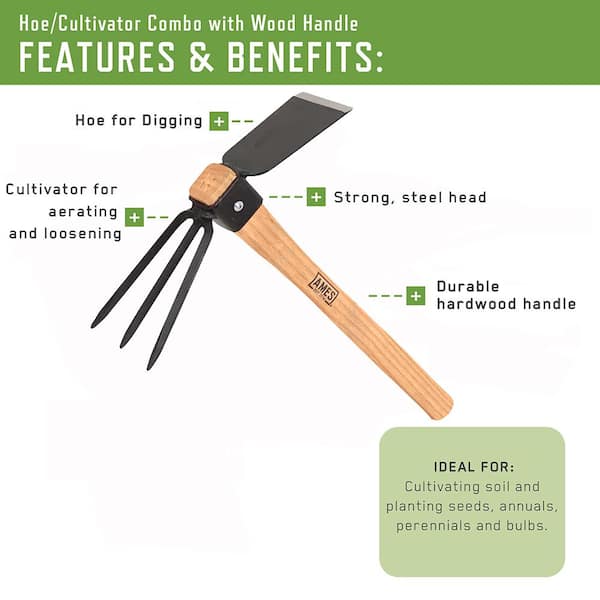
- Draw hoe: flat blade for chopping and scraping.
- Stirrup or loop hoe: sharp loop for slicing weeds on the pull stroke.
- Dutch hoe: angled blade for quick surface weeding.
- Hand hoe: short handle for beds and potted plants.
Cultivator types:
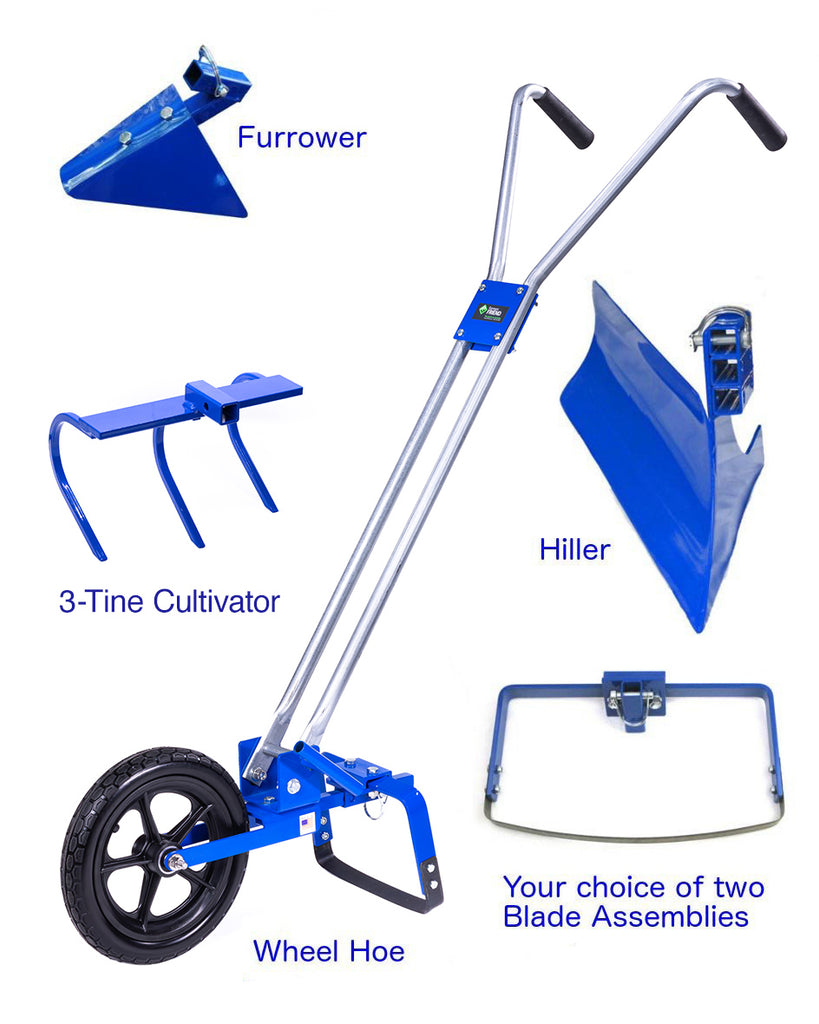
- Hand cultivator: three tines for small beds and pots.
- Garden fork-style cultivator: for loosening soil clumps.
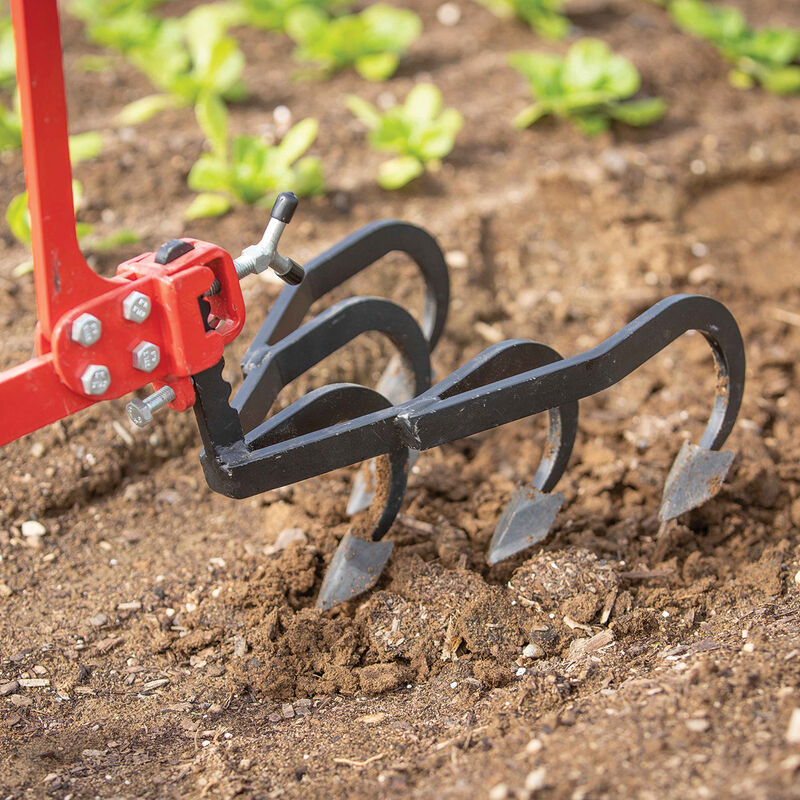
- Tine or rotary cultivator (powered): for full bed prep.
- Mini tiller: small engine-driven for larger home gardens.
How they work:
- Hoe: creates a cutting action. Use a slicing or chopping move. It severs weed stems and lightly lifts soil.
- Cultivator: tines or blades stir soil. For powered units, rotation digs deeper and mixes material.
Match the tool form to the task. For spot work, select a hand hoe or hand cultivator. For beds, pick a rotary cultivator or mini tiller.
Benefits and Limitations: Hoe vs Cultivator
Benefits of a hoe:
- Precise near plants and roots.
- Cheap and low maintenance.
- Quiet and safe to use around sensitive beds.
- Good for frequent light weeding.
Limitations of a hoe:
- Slower on large areas.
- Physically tiring over time.
- Less effective in very compacted soil.
Benefits of a cultivator:
- Fast over wider ground.
- Effective at mixing soil and amendments.
- Powered models save physical strain.
- Helps break crusted soil quickly.
Limitations of a cultivator:
- Can uproot or damage plants if used carelessly.
- May bring weed seeds to the surface.
- Heavier and costlier than hoes.
- Deeper tilling can harm soil structure long term.
When choosing between hoe vs cultivator, weigh speed against control. For long-term soil health, avoid over-tilling.
Practical Tips: Choosing, Using, and Maintaining
How to pick a tool:
- Match size to garden scale.
- Choose handle length for your height.
- For rocky soil, use sturdy tines or a heavy hoe blade.
- Rent a small tiller to try before you buy.
Using tips:
- Use a loop hoe with a slicing motion for weed control.
- Walk slowly when using a cultivator to avoid burying plants.
- Work when soil is slightly moist. Too wet and it clumps. Too dry and it is hard.
Maintenance tips:
- Clean tools after use to stop rust.
- Sharpen hoe blades yearly.
- For powered cultivators, check the tines and oil regularly.
- Store tools dry and off the ground.
Simple rules cut mistakes. Start slow with a cultivator near plant rows. Keep a hoe handy for touch-ups.
Personal Experience and Common Mistakes
I once used a powered cultivator too close to young tomatoes. The machine dug up roots and cut a week of growth. I learned to switch to a hoe for close work. I also used a dull hoe for a season. It made weeding twice as hard. Sharp tools save energy and time.
Common mistakes I see:
- Tilling too deep with a cultivator and losing soil structure.
- Using a hoe with the wrong blade angle and hurting wrists.
- Ignoring tool maintenance until rust sets in.
- Letting cultivator spread weed seeds by over-tilling.
Lessons I share with new gardeners:
- Practice control before full use.
- Start with hand tools for new beds.
- Use powered cultivators sparingly in established beds.
These tips come from years of hands-on gardening in clay and loam soils. Trust small tool work for fine finish. Use cultivators for bulk prep.
Frequently Asked Questions of hoe vs cultivator
What is the main difference between a hoe and a cultivator?
The main difference is action. A hoe cuts and scrapes the soil surface. A cultivator stirs and loosens soil, often deeper and faster.
Can a cultivator replace a hoe for weeding?
Not always. A cultivator is good for broad weeding but can harm nearby seedlings. A hoe is better for precision weeding close to plants.
Which tool is better for new garden beds?
Start with a cultivator to break ground and mix compost. Then use a hoe for fine shaping and weeding near plants.
Is a powered cultivator safe for small gardens?
Yes if used carefully. Walk slowly and avoid working right next to delicate plants to prevent root damage.
How often should I sharpen and maintain a hoe?
Sharpen your hoe at least once per season for regular use. Clean and oil handles and store tools dry to extend life.
Conclusion
Choosing between hoe vs cultivator depends on scale, soil, and plant sensitivity. Use a hoe for precision work and touch-ups. Use a cultivator to save time on larger areas. Start with small practices. Test tools on a single bed before full use. Try both and adapt your routine.
Take action today: inspect your garden, pick the right tool, and try one new tip from this guide. Leave a comment about your experience or ask a question to get tailored advice.