Neem oil often works better for low-to-moderate pest pressure; chemicals act faster in severe outbreaks.
I’ve spent years testing pest controls in gardens and small farms, comparing neem oil vs chemical pesticide which works better under real conditions. This article explains mechanisms, pros and cons, safety, cost, and when to choose neem oil vs chemical pesticide which works better for your situation. You’ll get clear, usable advice based on research and hands-on experience so you can pick the best option for your plants, people, and soil.

How neem oil works and why it helps
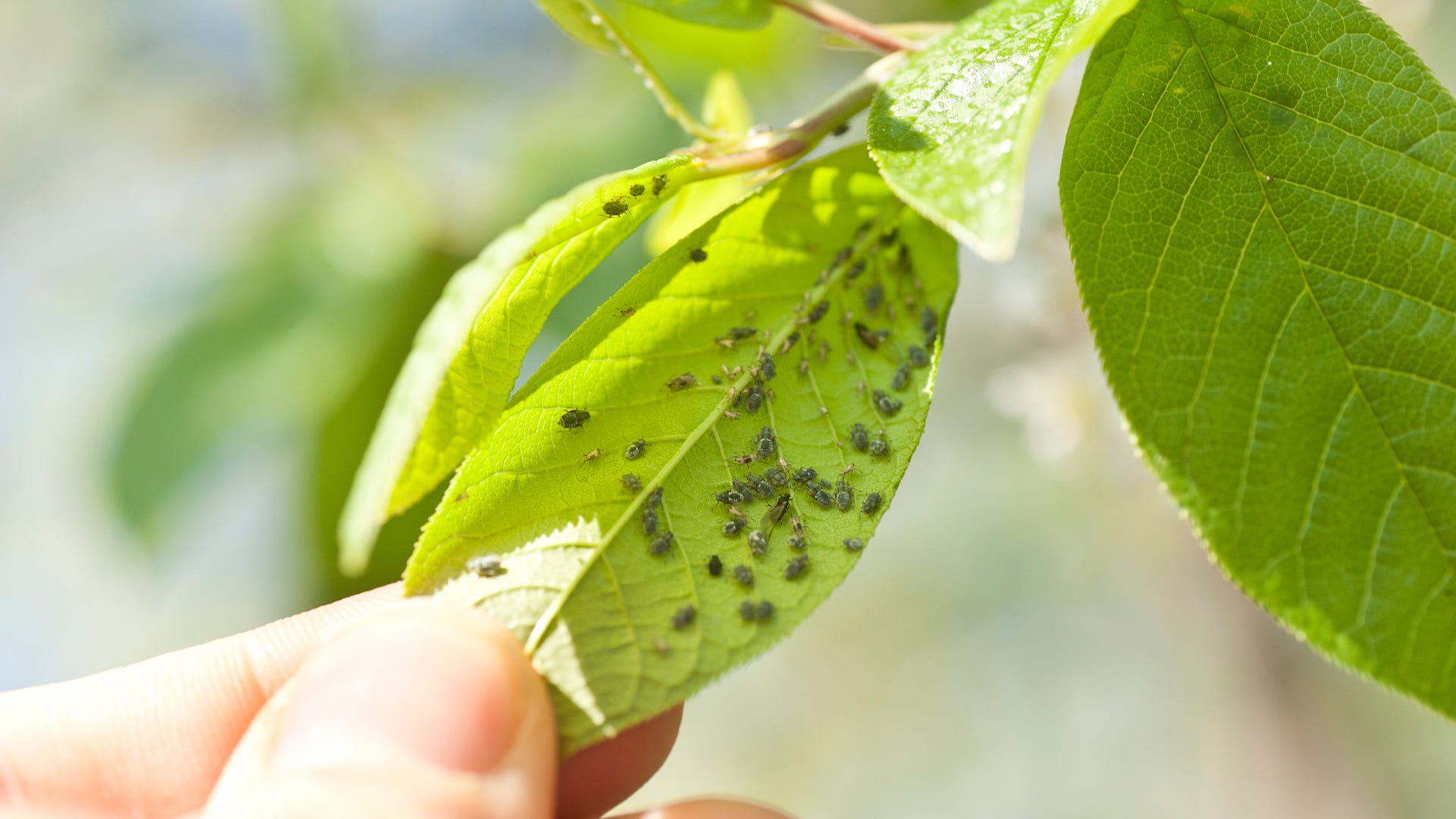
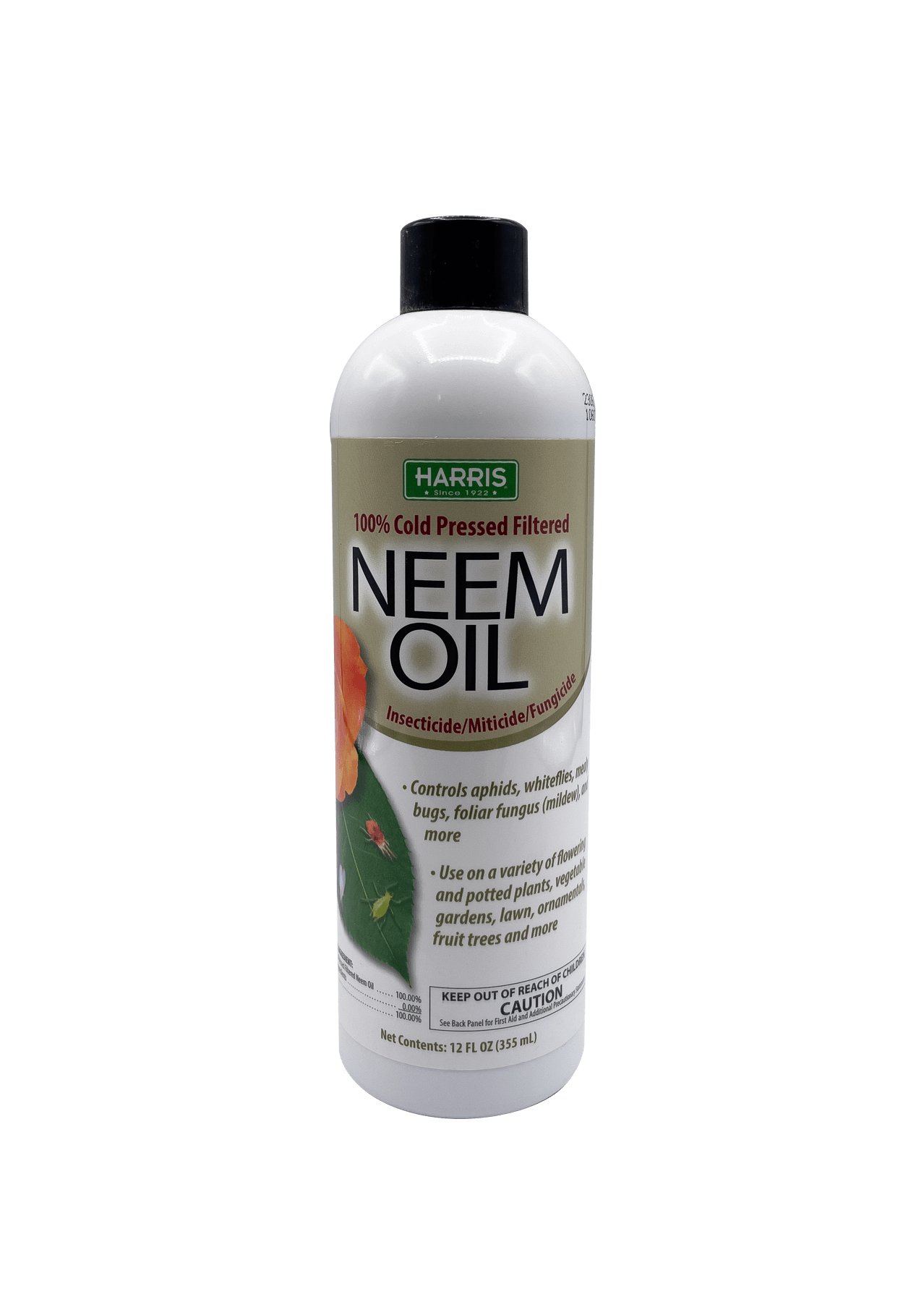
Neem oil comes from the seeds of the neem tree. It contains azadirachtin and related compounds that disrupt insect hormones. That disruption reduces feeding, mating, and egg-laying, and can slow growth. Neem often works as a repellent, anti-feedant, and growth regulator rather than an instant kill. It also has mild fungicidal properties and supports integrated pest management by targeting pests while sparing many beneficial insects.
- Mode of action: hormonal disruption and repellence.
- Target pests: aphids, whiteflies, mites, caterpillars, scale insects.
- Application tips: dilute correctly, apply in evening or cool hours, cover undersides of leaves.
I use neem oil in my home garden during spring and summer. It controls low to medium pest pressure well and rarely harms bees when used late in the day.
How chemical pesticides work and where they shine
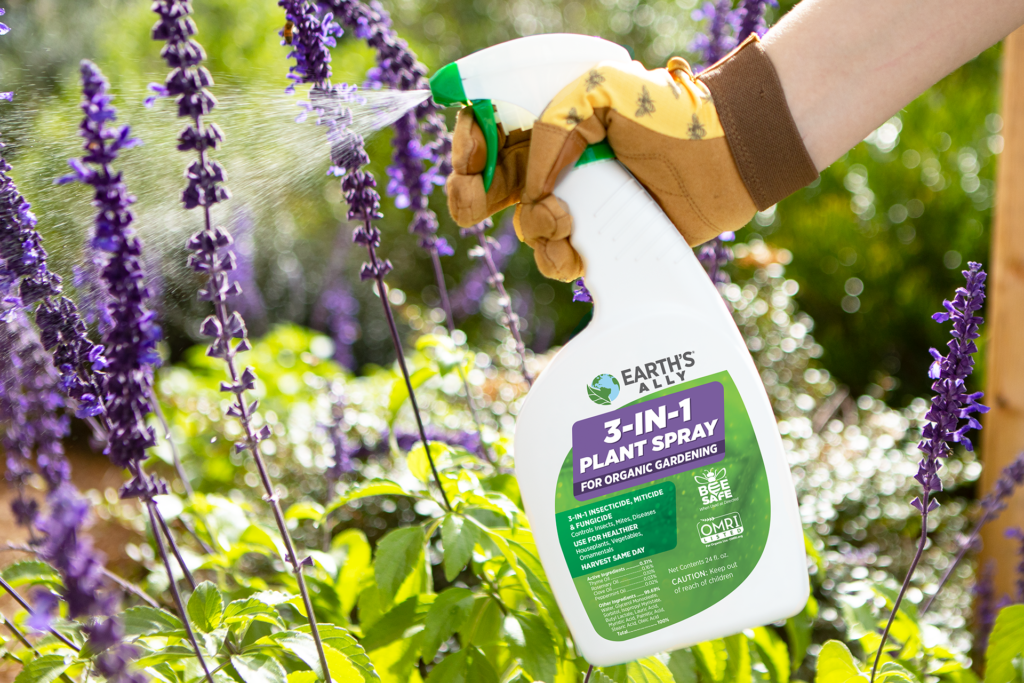
Chemical pesticides include organophosphates, pyrethroids, neonicotinoids, and many synthetic formulations. Most are neurotoxins or metabolic disruptors that act quickly to kill or immobilize pests. They work fast and are highly effective against high pest pressure or fast-spreading outbreaks. Because of their acute action, chemical pesticides often give immediate visible results.
- Mode of action: direct toxicity or nervous system disruption.
- Target pests: broad spectrum, including chewing and sucking insects.
- Application tips: follow label instructions, use protective gear, rotate modes of action to reduce resistance.
I’ve used targeted chemical sprays for heavy infestations when crops were at high risk. They stopped damage quickly, but required careful timing to avoid harming pollinators and beneficial insects.

Effectiveness comparison: neem oil vs chemical pesticide which works better
Answer depends on context. For low to moderate infestations and when preserving beneficials matters, neem oil often works better. For severe outbreaks or quick salvage of a high-value crop, chemical pesticides usually work better. Consider these factors:
- Pest type and life stage: Some pests are more vulnerable to neem at larval stages. Chemicals kill broadly and quickly at any stage.
- Infestation level: Low to moderate infestations favor neem oil. Heavy infestations often need chemicals.
- Crop value and timing: High-value or market-timed crops may require chemical control for immediate results.
- Resistance risk: Neem oil uses multiple modes and can lower resistance development. Repeated use of single-mode chemicals drives resistance.
PAA-style question: Does neem oil work as fast as chemical sprays? No. Neem oil slows and suffocates pests and can take days to weeks. Chemical sprays act within hours to days.
PAA-style question: Can neem and chemicals be used together? They can sometimes be tank-mixed, but mixing can reduce neem’s effectiveness and increase plant stress. Always check labels and test on a small area first.
Benefits and limitations of neem oil
Benefits
- Safer for humans and pets when used properly.
- Lower impact on beneficial insects, soil life, and pollinators (when applied correctly).
- Biodegradable and organic-friendly.
- Helps manage resistance due to complex modes of action.
Limitations
- Slower to act than many chemical pesticides.
- Not ideal for heavy, fast-moving infestations.
- Effectiveness varies by formulation and concentration.
- Can wash off in heavy rain and needs frequent reapplication.
From my experience, neem oil rewards patience and regular monitoring. Early detection and steady applications gave me strong control of aphids and caterpillars without harming ladybugs.

Benefits and limitations of chemical pesticides
Benefits
- Fast-acting and reliable against severe pest pressures.
- Often cost-effective for large-scale or commercial use when applied correctly.
- Wide range of specific products tailored to particular pests.
Limitations
- Higher risk to human health, pollinators, and beneficial insects.
- Can persist in soil or water, causing environmental harm.
- Overuse leads to pest resistance.
- Requires careful handling and strict adherence to label instructions.
I once relied on a chemical spray to save a tomato crop from hornworm. It worked fast, but I later saw fewer beneficial predators in the same beds for weeks. That taught me to reserve chemicals for crises.

Environmental and human health impacts
Neem oil is low in acute toxicity for mammals. It breaks down faster in the environment and is less likely to contaminate water. Chemical pesticides range widely in toxicity. Some are relatively safe when used as directed; others pose long-term risks to bees, aquatic life, and humans. Consider:
- Drift and runoff risks with chemicals.
- Residue on edible crops—observe pre-harvest intervals.
- Chronic exposure risks for applicators without protection.
A practical tip: always wear gloves and eye protection regardless of product type. I use masks and gloves even with neem oil when making concentrated mixes.

Cost, availability, and practical use
Cost varies by region and scale. Neem oil is often affordable for home gardeners but can add up if frequent reapplication is needed. Chemical pesticides can be cheaper per application at scale, but long-term environmental or resistance costs can be high.
Practical checklist
- Scout regularly to catch pests early.
- Identify the pest before choosing control.
- Choose neem oil for prevention and low-moderate control.
- Reserve chemical pesticides for high-value crops or severe outbreaks.
- Follow all label and safety directions.
In small plots, neem oil saved me money because I avoided crop losses from collateral damage of broad chemicals. For a greenhouse outbreak, chemicals were the fastest path to save plants.
My real-world tips and common mistakes to avoid
Tips
- Test spray on a small area before broad use to check phytotoxicity.
- Apply neem oil in cool hours to avoid leaf burn and limit bee exposure.
- Combine cultural controls: good sanitation, crop rotation, and healthy soil.
- Rotate chemical modes of action to slow resistance.
Common mistakes
- Using chemicals as a first response instead of scouting.
- Applying neem too late in an outbreak.
- Over-mixing products without testing compatibility.
I once mixed products without testing and burned a row of peppers. Since then I always do a patch test and read labels carefully. These small steps protect plants and help get the best results from either option.
:strip_icc()/BHG-gardening-pests-neem-oil-for-plants-Hero-351e9a537e704fdfad83a6e55b7e9d3b.jpg)
Frequently Asked Questions of neem oil vs chemical pesticide which works better
Which is safer for home vegetable gardens: neem oil vs chemical pesticide which works better?
Neem oil is generally safer for home gardens because it has lower acute toxicity and fewer lasting residues. Use proper dilution and timing to protect bees and beneficial insects.
Can neem oil replace chemical pesticides entirely?
Neem oil can replace chemicals for many low-to-moderate pest problems but may not control severe outbreaks quickly enough. For severe infestations, targeted chemicals may be needed.
How often should I apply neem oil compared to chemical pesticides?
Neem oil typically needs reapplication every 7 to 14 days and after rain. Chemical pesticides often last longer per application but follow label intervals to avoid resistance and residue issues.
Will neem oil harm beneficial insects like bees and ladybugs?
Neem oil is less harmful when applied in the evening and not during bloom. It can affect some beneficials if sprayed directly, so time applications carefully.
Is resistance less likely with neem oil than with chemical pesticides?
Yes. Neem has multiple modes of action and acts as an anti-feedant and growth regulator, which lowers rapid resistance development. Repeated use of a single chemical mode raises resistance risk.
Conclusion
Choosing between neem oil vs chemical pesticide which works better depends on pest pressure, crop value, timing, and your environmental priorities. Neem oil excels for prevention, low-to-moderate problems, and protecting beneficial life. Chemical pesticides perform best for fast control during severe outbreaks but require care to avoid harm and resistance. Try scouting early, using neem oil first for small issues, and reserving chemicals for clear emergencies. Take action: test one method in a small area, keep records, and adjust based on results—then share your experience or questions in the comments.