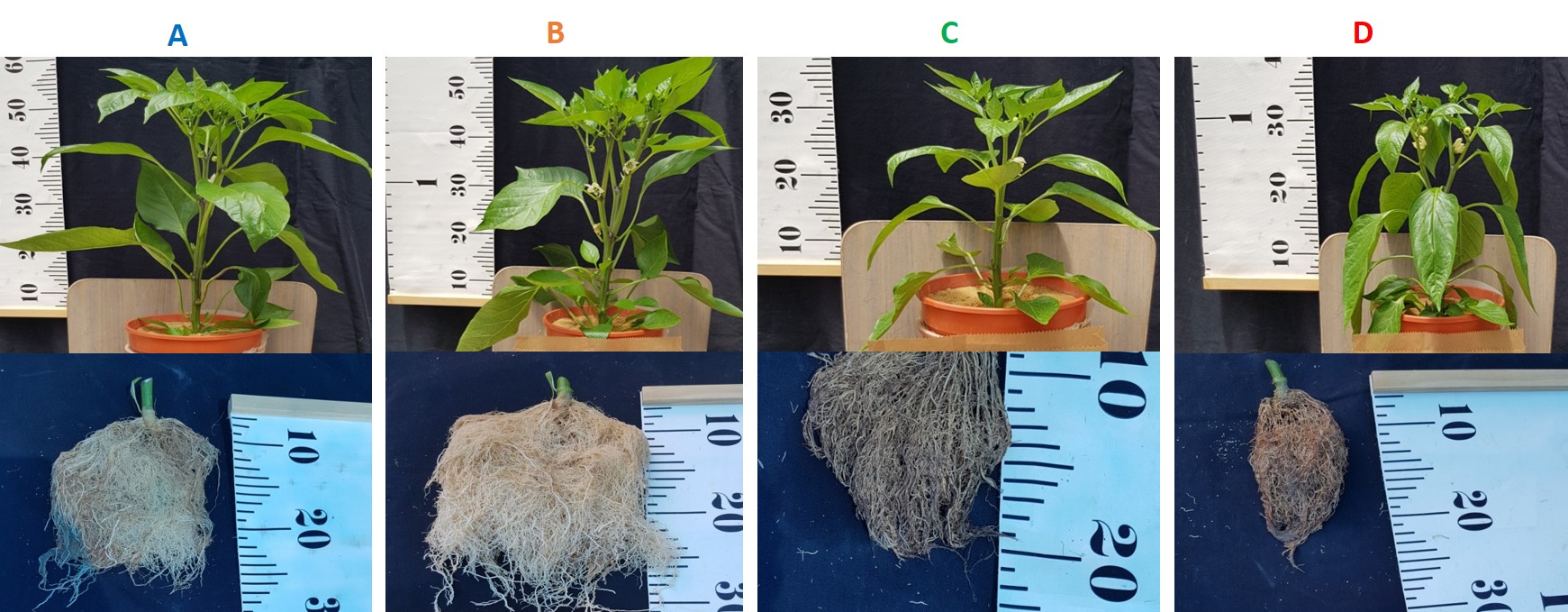
Plant root-to-shoot balance is how a plant shares its growth and stored energy between its roots and above-ground parts. A healthy balance helps the plant take up water, gather light, and grow well. The right balance changes with the plant species, age, light, water, soil, and nutrients. There is no single ideal ratio for every plant.
In the United States, gardeners grow plants in very different conditions. A tomato in a dry Arizona garden faces a different challenge from a maple tree in an Iowa yard or a shrub in a humid Florida landscape. Yet all these plants need a sound link between their roots and shoots. The roots must supply enough water and nutrients to support the growth above the soil.
Roots and shoots work as one living system. Roots hold the plant in place and take up water and minerals from the soil. Shoots contain stems, leaves, and other above-ground parts. Leaves use sunlight to make sugars, while stems help move water and food through the plant. These two systems depend on each other. A strong shoot needs a working root system, and growing roots need food made by the shoots.
Plant root-to-shoot balance is not a rule that says roots and shoots must have the same size or weight. It is a changing pattern of growth. When water or nutrients are hard to find, a plant may put more of its growth into roots. When light is scarce, it may put more growth into leaves or stems. These changes help the plant respond to the resources around it.
A 2025 global study examined nearly 30,000 observations of root-to-shoot biomass ratios. It found that plant type, soil, climate, and plant traits all help shape this balance. The study also found that no small set of factors could explain every difference, which shows why a single ratio cannot serve as a health rule for all plants. citeturn961123view0
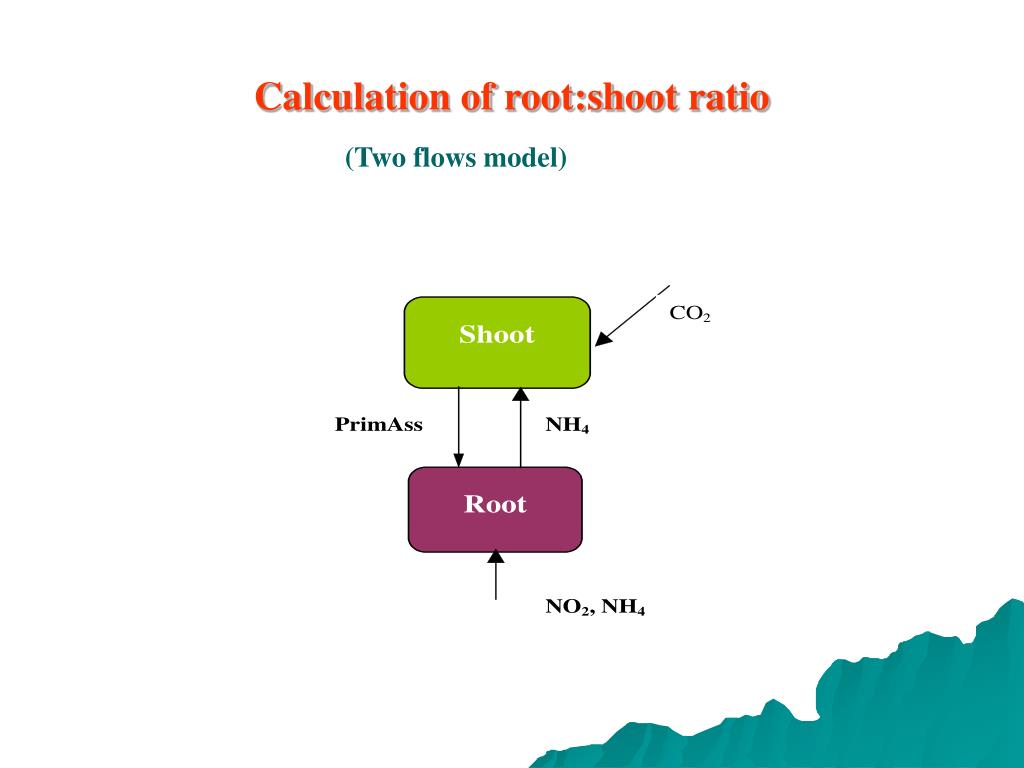
Source: slideserve.com
What Does Plant Root-To-Shoot Balance Mean?
Plant root-to-shoot balance describes the relationship between the below-ground and above-ground parts of a plant. It shows how much growth a plant places in its root system compared with its stems and leaves. Scientists often use this relationship to study plant growth, stress, and resource use.
The root system includes large roots, small feeder roots, and fine roots. These parts help with anchorage, water uptake, mineral uptake, and food storage. The shoot system usually includes stems and leaves. Depending on the study, flowers and fruits may also be counted as above-ground biomass. The method must define which parts are included.
The two systems have different jobs, but neither works alone. Roots need sugars made in leaves to support new growth. Leaves need water and minerals supplied through the roots. This link makes root-to-shoot balance a key part of whole-plant growth.
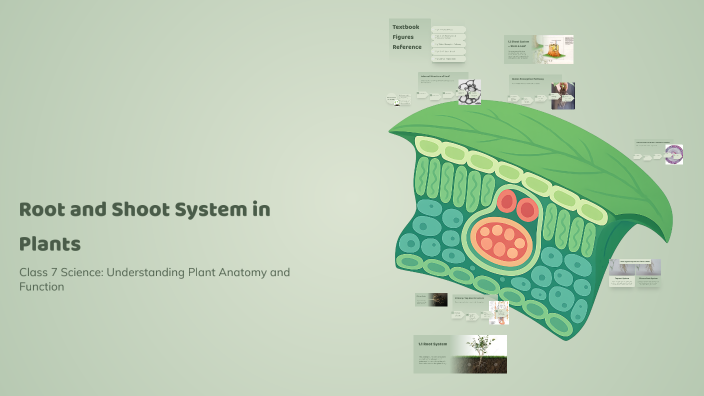
Source: alamy.com
Root system
The root system holds the plant in the soil, takes up water and minerals, stores some food, and helps the plant respond to changes below ground.
Shoot system
The shoot system holds leaves in the light, supports new growth, moves water and sugars, and may produce flowers, fruits, and seeds.
Biomass allocation
Biomass allocation is the way a plant shares the matter it builds among roots, stems, leaves, and other organs.
Root-To-Shoot Ratio and Shoot-To-Root Ratio
The root-to-shoot ratio is a common way to express plant balance. It compares the dry mass of the roots with the dry mass of the shoots. The formula is simple: root-to-shoot ratio = root dry mass divided by shoot dry mass.
For example, imagine a plant with 4 grams of root dry mass and 8 grams of shoot dry mass. Its root-to-shoot ratio is 0.5. This means that the roots have half the dry mass of the shoots. The shoot-to-root ratio is the reverse and would be 2.
A ratio of 1.0 means the roots and shoots have equal dry mass. It does not mean that the plant is healthier than one with a ratio of 0.5 or 1.5. The best value depends on the species, age, growing conditions, and purpose of the measurement. Research on Douglas-fir seedlings also shows that similar ratios can be linked with different results under different planting conditions. citeturn849586view2
Root-to-shoot ratio
Root dry mass divided by shoot dry mass.
Shoot-to-root ratio
Shoot dry mass divided by root dry mass.
Ratio of 1.0
Equal root and shoot dry mass, not a universal plant health target.
Why Plant Size Alone Is Not Enough
A tall plant does not always have a large or healthy root system. A short plant may have many strong roots. Height, leaf count, and canopy size show only part of the picture.
Root shape and activity also matter. A plant with many fine roots may take up water well without having a very large root mass. Another plant may have heavy roots but poor uptake because the soil is too wet, compacted, or low in oxygen. Root depth, surface area, and branching can all affect how well the plant uses the soil.
This is why root-to-shoot balance should be used with other signs of plant health. It is one measure of growth, not a complete health score.
Root depth
Shows how far roots can reach for water and nutrients.
Fine root growth
Helps the plant explore soil and take up water and minerals.
Root condition
Shows whether roots are firm, active, damaged, or affected by decay.
How Roots and Shoots Work Together
Roots and shoots depend on a steady exchange of water, minerals, sugars, and growth signals. This exchange helps each part grow in step with the needs of the whole plant.
The roots take up water and dissolved minerals from the soil. Water moves upward through a tissue called xylem. The leaves use water and carbon dioxide to make sugars with the help of sunlight. These sugars move through the phloem to parts that need energy or building material.
Growing root tips need these sugars to make new cells. Growing shoots also need them to form leaves, stems, and buds. When one part grows very fast, it can use more of the available food. This can affect how much energy remains for the other part.
The plant also uses chemical signals to link root and shoot activity. These signals help control growth, water use, leaf activity, and responses to stress. Hormones made in roots and shoots can move through the plant and change the way other organs grow.
Water movement
Roots take up water, and xylem carries it toward the stems and leaves.
Food movement
Leaves make sugars, and phloem carries these products to roots and other growing tissues.
Growth signals
Plant hormones and other signals help coordinate growth above and below the soil.
Shared energy
Roots and shoots use sugars to build new tissue, maintain living cells, and support daily activity.
The Role of Functional Balance
Functional balance is the idea that plants change their growth in response to the resources that limit them most. If water or nutrients are scarce, more growth may go toward the roots. If light is scarce, more growth may go toward leaves or stems.
This idea helps explain why plants can change their shape when growing conditions change. A plant in shade may stretch its stems to reach light. A plant in soil with low nutrient levels may invest more in roots that explore a larger soil area.
This response is often called optimal partitioning. It describes how plants may shift resources toward the organs that help them obtain the most limiting resource. It is a useful model, but real plants do not follow one simple rule in every setting. Species, age, and the timing of stress can change the result. citeturn415191view1
Above-ground limits
Low light can encourage greater investment in leaf area or shoot growth.
Below-ground limits
Low nutrient supply or severe water stress can encourage greater relative investment in roots.
Why Balance Changes During the Growing Season
Root and shoot growth do not always happen at the same rate. Some trees begin root growth before strong top growth starts in the spring. Later, new leaves and branches may use more of the plant’s stored and newly made food.
Some fruit trees and other woody plants show separate periods of root growth and shoot growth. During a strong shoot flush, root growth may slow. Later, root growth may increase as shoot growth slows.
These patterns can change with weather and species. A plant that appears to have more shoot growth in one month may show more root growth later. A single check cannot describe the plant’s full growth pattern. citeturn849586view1
Early growth
Stored food and active roots help support new leaves and shoots.
Active shoot growth
New leaves and stems use water and food as the canopy expands.
Later growth
The plant may shift more resources toward roots, storage, or future growth.
What Affects Plant Root-To-Shoot Balance?
Light, water, nutrients, soil structure, and plant age all affect how a plant shares its growth. These factors often act together. A plant in poor soil may also face heat, drought, and strong sunlight at the same time.
The effect depends on how severe the problem is and how long it lasts. A short dry period may not cause the same change as a long drought. A mild nutrient shortage may produce a different response from a severe shortage.
Source: plant-ditech.com
Light availability
Changes the amount of energy a plant can gain through photosynthesis and can affect leaf area, stem growth, and root investment.
Water supply
Affects root activity, leaf water status, and the need to explore more soil.
Nutrient supply
Changes the need for root growth and the amount of new shoot growth a plant can support.
Soil conditions
Affects root spread, oxygen supply, water movement, and access to minerals.
Plant age
Changes the way a plant divides resources among roots, leaves, stems, and reproductive growth.
Light and Shoot Growth
Light provides the energy that leaves use for photosynthesis. When a plant grows in deep shade, it may produce longer stems or larger, thinner leaves to reach and capture more light.
This can shift the balance toward above-ground growth. However, a plant does not always build more shoot mass in shade. It may change leaf size and shape instead. The response depends on the species and the amount of light available.
For gardeners, weak or stretched stems can be a sign that a plant needs more light. Moving a plant to a brighter place may help, but do it in steps if the leaves have been in deep shade. A sudden move into strong sun can cause leaf damage.
Low light
May lead to longer stems, changes in leaf size, and greater relative investment in the shoot.
Good light
Can support stronger photosynthesis and help the plant supply sugars to both roots and shoots.
Too much direct sun
Can raise water loss and cause stress in plants that are not suited to intense sunlight.
Water Supply and Root Development
Water is a key resource for root and shoot growth. When soil water is low, plants may reduce leaf growth and place more of their new biomass in roots. This can help them explore a larger soil area and reach water.
The response is not the same under all levels of drought. Research reviews have found that moderate water stress may cause only a small change in root allocation. Strong changes are more likely under severe drought. Severe stress can also stop growth and damage plant tissues.
Too much water can cause a different problem. Waterlogged soil has less air space, so roots may not receive enough oxygen. Root activity can fall, and some roots may die. A plant with damaged roots may struggle even when the soil is full of water. citeturn415191view0
Dry soil
May encourage greater relative investment in roots, but severe drought can slow the growth of both systems.
Even soil moisture
Supports normal root activity and helps the plant maintain water supply to its leaves.
Waterlogged soil
Can reduce root oxygen and cause root injury or decay.
Nutrients and Soil Fertility
Plants need nitrogen, phosphorus, potassium, and other minerals to grow. Roots take up many of these nutrients from the soil. When nutrient levels are low, plants may invest more in root growth to explore a larger area.
Low nitrogen can reduce leaf growth and cause pale foliage. Low phosphorus can limit energy transfer and other growth processes. These shortages can change the way a plant divides its biomass.
When nutrients are easy to obtain, plants may need less root investment to meet their needs. More growth can then go toward leaves and stems. This is one reason why adding too much fertilizer can lead to fast top growth without solving other root problems.
A soil test is more useful than guessing which nutrient is missing. Use the result and the needs of the plant to guide any fertilizer choice.
Low nutrient supply
May increase the relative share of growth placed in roots.
Suitable nutrient supply
Supports steady root and shoot growth without forcing one part to grow too fast.
Excess fertilizer
Can harm roots through salt stress and may cause unwanted leaf or stem growth.
Soil Texture, Compaction, and Root Space
Soil structure affects how roots grow and find resources. Loose, well-aerated soil gives roots room to spread. Hard or compacted soil can limit root growth and reduce the movement of water and air.
Sandy soil often drains fast and may hold less water and fewer nutrients than many loamy soils. Clay soil can hold more water but may drain slowly when poorly structured. Neither soil type has the same effect on every plant.
Container size also matters. When a plant outgrows its pot, roots may circle the inside wall or form a tight mass at the bottom. This condition is called root binding. It can limit normal root spread and make water management harder.
The USDA Forest Service describes root binding as a plant quality concern because tightly tangled roots can reduce survival and growth after planting. The best container size and root form still depend on the plant and its growing conditions. citeturn415191view4
Compacted soil
Can block root spread and limit air and water movement.
Well-aerated soil
Supports active roots and helps water drain through the root zone.
Root-bound containers
Can restrict root growth and make it harder to maintain steady water supply.
How to Measure the Root-To-Shoot Ratio
The most direct way to measure root-to-shoot ratio is to compare the dry mass of the root system with the dry mass of the shoot system. This method is common in plant science and nursery research.
A dry-mass measurement removes most of the water from the plant tissue. This matters because roots and leaves can hold very different amounts of water. Fresh weight can change after watering, rain, or heat, even when the amount of plant tissue has not changed.
Measuring the full root system usually requires removing the plant from the soil. For that reason, this is a destructive test. Do not uproot a valuable garden plant just to calculate its ratio. Use a spare plant or a planned research sample instead.
Source: slideserve.com
What you need
A suitable plant sample, clean tools, a way to separate roots and shoots, a drying setup, and a scale that can measure small masses.
A clear method
Use the same method for every plant in the comparison. Include the same plant parts and follow the same drying and weighing process.
A fair comparison
Compare plants of the same species, similar age, and similar growing conditions whenever possible.
Step-by-Step Measurement Method
First, choose plants that match the question you want to study. If you want to compare light treatments, use plants of the same species and age that have grown for the same length of time.
Next, remove the selected plant with as much of its root system as possible. Wash soil from the roots with care. Try not to lose fine roots, because they are part of the root mass.
Separate the roots from the shoots at the root collar. If your study needs more detail, divide the shoot into stems and leaves. Record which plant parts you include so that the results can be compared later.
Dry the root and shoot samples using a suitable laboratory drying method until their mass stops changing. Then weigh each part on its own. Use the dry masses in the calculation rather than the fresh masses.
Finally, divide the root dry mass by the shoot dry mass. Repeat the process with several plants if you need to compare treatments. A single plant may not represent the normal growth pattern of the whole group.
Step 1
Select comparable plants and record their species, age, and growing conditions.
Step 2
Remove the plant and wash the soil from the root system.
Step 3
Separate the roots and shoots using the same cut point for each sample.
Step 4
Dry the samples to a stable mass and weigh them separately.
Step 5
Divide root dry mass by shoot dry mass and record the result.
A Simple Root-To-Shoot Calculation
Consider a hypothetical seedling with 3 grams of root dry mass and 6 grams of shoot dry mass. Divide 3 by 6. The root-to-shoot ratio is 0.5.
Now consider a second seedling with 6 grams of root dry mass and 6 grams of shoot dry mass. Its ratio is 1.0. It has equal root and shoot dry mass.
The second seedling has a higher ratio, but that does not prove it will grow faster or survive longer. The result must be read in light of the species, plant age, root condition, and planting site.
Seedling A
3 g root dry mass divided by 6 g shoot dry mass equals a root-to-shoot ratio of 0.5.
Seedling B
6 g root dry mass divided by 6 g shoot dry mass equals a root-to-shoot ratio of 1.0.
Main finding
The ratio describes the mass relationship. It does not provide a complete measure of root function or future plant performance.
Why Fresh Weight Can Mislead
Fresh plant weight includes water held in the roots, stems, and leaves. Water content changes with the time of day, soil moisture, and weather. Two plants with similar amounts of plant tissue may have different fresh weights.
Dry mass gives a more stable basis for comparing biomass. If fresh weight is used in a study, the method must be stated clearly. Results from fresh-weight and dry-weight methods should not be treated as equal.
Use dry mass
It reduces the effect of changing water content when comparing plant biomass.
Keep methods consistent
Use the same sample parts and drying process for all plants in a study.
How to Recognize Root-To-Shoot Problems in a Garden
Gardeners do not need to measure dry biomass to spot many growing problems. They can begin by checking the plant’s leaves, stems, soil, and root space. The goal is to find the condition that limits growth, not to guess a ratio from the plant’s shape.
A large canopy with a small root ball can be a problem after transplanting. The leaves may lose water faster than the damaged roots can replace it. The plant may wilt, lose leaves, or stop growing while new roots form.
However, wilting does not always mean that a plant has poor root-to-shoot balance. Dry soil, root rot, heat, pests, disease, and sudden changes in light can cause similar signs. Check the root zone before deciding what to change.
Source: prezi.com
Wilting after planting
May point to root damage, poor root contact with the soil, dry soil, or high water loss from the leaves.
Long, weak stems
May point to low light or crowding rather than a simple root problem.
Slow new growth
Can result from low nutrients, cold soil, poor drainage, root damage, or normal seasonal changes.
Roots circling a pot
Can show that the plant has outgrown its container and needs a careful review of its root space.
Soft or damaged roots
Can signal decay or injury. Check drainage and soil moisture before adding more water.
Signs of a Healthy Root System
Healthy roots are often firm and well branched. Their color varies by plant species, age, and root type. Many active young roots are pale or light in color, but color alone cannot confirm root health.
A healthy root system should have enough room to grow and access to both water and air. It should not sit in waterlogged soil for long periods. Fine roots and root hairs help the plant take up water and minerals.
For trees, the visible crown does not show the full size of the root system. Iowa State University Extension explains that tree roots may spread well beyond the canopy and that many absorbing roots are found near the soil surface. This is why watering only close to the trunk may not reach the full root zone. citeturn849586view1
Firm roots
Roots should not be soft, slimy, or falling apart.
Good root spread
Roots should have room to explore the soil rather than form a tight mass.
Steady new growth
New leaves and shoots should develop at a rate that fits the plant species and season.
When Root Inspection Is Useful
A root check can help when a plant keeps wilting despite suitable watering, when a container plant has stopped growing, or when a newly purchased plant has a tight root ball.
Remove a plant from its container only when there is a clear reason to do so. Support the root ball and avoid pulling the plant by its stem. If roots are tightly circling, handle them with care and follow guidance for that species.
For a large tree or a plant with serious root damage, seek help from a qualified local arborist or horticulture professional. Deep root disturbance can create more harm than the original problem.
Check drainage
Look for standing water, blocked holes, or soil that stays wet for too long.
Check root space
Look for tightly circling roots or a root ball that fills the whole container.
Check for injury
Look for broken, soft, or badly damaged roots.
How to Support Healthy Root-To-Shoot Balance
The best way to support root-to-shoot balance is to meet the plant’s basic needs. Do not try to force the roots or shoots to reach a chosen size. Give the plant suitable light, water, soil, space, and nutrients. Then allow it to adjust its growth.
Start with the growing conditions. A plant that lacks light may stretch toward a window or grow weak stems. A plant in wet soil may have damaged roots even if its leaves look thirsty. Correct the cause before using pruning or fertilizer.
Match light to the plant
Give each plant the amount of sun or shade suited to its species. Increase light in steps when moving a shade-grown plant.
Water the root zone
Water according to plant needs, soil type, pot size, and weather. Avoid both long dry periods and constant saturation.
Protect soil structure
Use soil that drains well and allows air to reach the roots. Avoid repeated foot traffic on wet garden beds.
Feed with care
Use soil test results and plant needs to guide fertilizer use. Do not add extra nitrogen just to make a plant grow faster.
Provide enough root space
Use a suitable container or planting site and check for severe root binding.
Step 1: Check the Plant and Its Growth Stage
Begin by identifying the plant species and its stage of growth. A young seedling, a mature tree, and a flowering annual do not have the same growth pattern.
Think about the result you want. A young tree may need a sound root system for establishment. A leafy vegetable needs healthy leaves for food production. A root crop may need strong root growth for harvest.
Compare the plant with healthy plants of the same type and age. This is more useful than comparing it with a different species.
Identify the species
Check its normal growth habit, light needs, and water needs.
Check its age
Remember that allocation can change as a plant grows.
Set a clear goal
Decide whether the plant needs better establishment, healthy foliage, strong roots, or normal fruit and flower growth.
Step 2: Improve Light and Airflow
Give the plant enough light for its normal growth. If stems are thin and stretched, check whether nearby plants or buildings block the light.
Avoid placing plants too close together. Crowding can reduce light and airflow. It can also increase competition for water and nutrients.
Do not move every shade plant into full sun. Some species grow best under filtered light. Use the plant’s needs as the guide.
Remove unwanted shade
Where suitable, move the pot or reduce nearby competition for light.
Allow space
Give leaves room to spread and reduce crowding between plants.
Avoid sudden changes
Help shade-grown plants adjust before placing them in strong direct sun.
Step 3: Keep Water and Drainage in Balance
Check soil moisture before watering. The surface may look dry while the soil below is still wet. Use your finger or a suitable moisture tool to check the root zone.
Water slowly enough for the soil to absorb it. For outdoor plants, water the area where the active roots grow. For container plants, make sure excess water can drain through the pot.
Change the watering schedule with the weather and season. A plant may need more water during hot, dry weather and less during cool or wet periods. Do not follow a fixed schedule without checking the soil.
Check soil first
Use soil moisture and plant condition to decide when to water.
Use proper drainage
Keep container drainage holes open and avoid leaving pots in standing water.
Watch the weather
Adjust watering as heat, rainfall, and plant growth change.
Step 4: Give Roots Enough Space
Choose a container that gives roots enough room without holding far more wet soil than the plant can use. A very large pot can stay wet for a long time when a small plant has few active roots.
If roots fill the pot and circle the sides, consider moving the plant to a suitable larger container. Gently loosen roots when the plant and species can tolerate it. Avoid tearing apart a healthy root system without a clear need.
When planting outdoors, prepare a hole that allows roots to spread. Do not bury the root collar too deeply. Follow local planting guidance for the species.
Check the root ball
Look for severe circling, dense mats, and roots that have filled the container.
Choose a suitable pot
Select a container with good drainage and enough room for new root growth.
Avoid deep planting
Place the plant at the correct depth for its species.
Step 5: Use Fertilizer Only When Needed
Fertilizer can help when a plant lacks a needed nutrient. It cannot repair dead roots, poor drainage, or a lack of light.
Use a soil test for garden beds when nutrient problems are suspected. Follow the label for the chosen fertilizer and the needs of the plant. Too much fertilizer can increase soil salt levels and damage roots.
Avoid using high nitrogen doses to force rapid leaf growth. Strong top growth may increase water demand and make a plant harder to support when roots are damaged or growing in poor soil.
Test first
Use a soil test when the cause of poor growth is unclear.
Follow the label
Apply fertilizer at the stated rate and time.
Fix other limits
Correct poor light, water stress, and drainage before adding more fertilizer.
Step 6: Handle Root and Shoot Pruning Carefully
Pruning changes the amount of plant tissue above or below the soil. Removing leaves and stems reduces the shoot mass. Cutting roots reduces the root mass. These actions can change the measured ratio, but they do not always improve plant health.
Do not remove healthy leaves simply to make the top match the roots. Leaves make the sugars that help roots grow. Removing too much leaf area can reduce the plant’s food supply.
Remove dead or badly damaged material when needed. Root pruning should be limited to situations where the species, season, and condition of the plant support it. Large root cuts on established trees can affect stability and health. Ask a qualified arborist before cutting major tree roots.
Remove dead tissue
Cut out dead or badly damaged parts when this is suitable for the plant.
Keep healthy leaves
Protect the leaf area needed for photosynthesis and root support.
Avoid major root cuts
Seek qualified advice before removing large roots from established trees.
Common Mistakes and Important Limits
Root-to-shoot balance is useful, but it is easy to apply the idea in the wrong way. The most common mistake is to treat a changing biological process as a fixed number that every plant must reach.
A ratio does not show every part of root health. It cannot tell you whether roots are taking up water well, whether the soil has enough oxygen, or whether the plant can handle a dry planting site. Use it as one part of a wider plant health check.
Mistake 1: Treating 1:1 as the perfect ratio
Different species and growth stages have different patterns. Equal root and shoot mass is only a mathematical value, not a universal health standard.
Mistake 2: Adding fertilizer to force growth
Extra fertilizer cannot repair poor drainage, root injury, or low light. It may create salt stress or excessive top growth.
Mistake 3: Letting plants dry out to grow more roots
Severe drought can stop growth and damage roots. Do not use drought as a general method for improving plant balance.
Mistake 4: Cutting healthy shoots after transplanting
Leaves supply sugars that roots need. Removing too much foliage can slow root recovery.
Mistake 5: Measuring fresh mass without a clear method
Changing water content can affect fresh weight. Use dry mass for a more stable biomass comparison.
Mistake 6: Judging health from one ratio
Root structure, stem strength, leaf condition, species, planting site, and root growth all matter.
Why There Is No Universal Target Ratio
A ratio that works as a nursery grading guide for one plant type may not work for another. Nursery professionals may use root-to-shoot measurements to compare seedlings before planting, but these values must be linked to the species, container type, and planting conditions.
For example, the Federal Highway Administration describes a shoot-to-root ratio of about 1:1 to 2:1 as a common qualitative guide for certain nursery stock used in revegetation. This is a context-specific grading guide. It is not a target for every houseplant, vegetable, or mature tree. citeturn980379view0
A review of Douglas-fir seedling research found wide variation in root-to-shoot ratios. The link between the ratio and later survival changed with seedling type and planting conditions. The authors did not find one ratio that served as a clear target for every Douglas-fir seedling. This is a useful warning against applying one number to all plants. citeturn980379view2
Species matters
Trees, grasses, vegetables, and ornamental plants have different growth forms.
Plant age matters
The balance can change as the plant moves from seedling growth to maturity.
Planting conditions matter
A seedling planted in dry soil may need different traits from one planted in a moist nursery bed.
Other traits matter
Stem diameter, root condition, new root growth, and plant moisture status can add useful information.
When to Seek Professional Help
Ask a local extension service or qualified horticulture professional when a plant continues to decline despite suitable care. A soil test may help when nutrient problems are suspected.
For large trees, seek a qualified arborist when roots are damaged, exposed, cut, or growing near buildings and paths. Do not cut major roots to change the root-to-shoot ratio. Root damage can affect the tree’s health and stability.
If a nursery seedling is being grown for a restoration or forestry project, use standards made for that species and site. A general gardening guide cannot replace a proper nursery quality assessment.
Persistent plant decline
Seek help if wilting, leaf loss, or poor growth continues after basic growing conditions have been checked.
Large tree root damage
Contact a qualified arborist before making major cuts or changing the soil around the root zone.
Nursery stock grading
Use species-specific nursery guidance and local planting standards.
Practical Questions to Ask Before Changing Plant Care
A root-to-shoot problem is often linked to another growing problem. Before pruning, repotting, or adding fertilizer, ask what is limiting the plant. The following questions address useful next steps that are not always covered in basic explanations of the root-to-shoot ratio.
The questions below are inferred next needs based on the reader’s path from understanding the ratio to caring for a plant. They are not claims about verified search volume or observed search demand. The reviewed references include plant anatomy, nursery grading, biomass research, and tree seedling quality. Their strongest shared message is that plant type and growing conditions matter.
INFERRED NEXT NEED: Can I check the ratio without removing the plant?
Reader stage: plant care and diagnosis. Reviewed coverage: Iowa State Extension explains root structure, while the USDA nursery manual describes separate root and shoot measurements. Neither gives a reliable non-destructive method for calculating the full biomass ratio. Reader benefit: understand that leaf and stem observations can guide care, but they cannot provide an exact root-to-shoot biomass value. Evidence: dry-mass measurement requires separate root and shoot samples. Priority: high. Placement: measurement and diagnosis sections.
INFERRED NEXT NEED: Should I prune the top after root damage?
Reader stage: recovery after transplanting or root injury. Reviewed coverage: FHWA guidance discusses poor nursery stock, transplant shock, and planting conditions, while forestry sources describe root and shoot quality. They do not establish one pruning rule for all garden plants. Reader benefit: avoid removing healthy leaves without a species-specific reason. Evidence: leaves supply sugars that support root growth. Priority: high. Placement: care and pruning sections.
INFERRED NEXT NEED: Does a high root-to-shoot ratio always mean a healthier plant?
Reader stage: interpreting measurements. Reviewed coverage: the Douglas-fir review and global biomass research show that ratios vary with species, traits, and growing conditions. Reader benefit: avoid treating a high ratio as proof of better survival or growth. Evidence: the relationship between ratio and field performance is context-dependent. Priority: high. Placement: ratio definition and limitations sections.
How to Know Whether Your Plant Is Responding Well
A plant is responding well when it can support steady growth without signs of ongoing stress. The exact signs depend on the species and season. A healthy plant does not need to grow new leaves and roots at the same speed.
After correcting a problem, give the plant time to respond. Root growth may happen before it becomes clear above the soil. New leaves and stems may take time to appear. Do not keep changing the watering, fertilizer, and light conditions every few days.
Check the same plant over time. Record watering, light changes, new growth, and any signs of leaf damage. These notes can help show whether the growing conditions are improving.
Stable leaf condition
Leaves keep the color and shape expected for the plant, with no steady decline.
Steady new growth
New leaves, stems, or buds develop at a normal rate for the season.
Good water response
The plant does not remain wilted when the soil has suitable moisture.
Healthy root space
The root system has suitable room, drainage, and access to air.
Normal seasonal change
Growth may slow during dormancy or other natural periods without showing a root-to-shoot problem.
What to Do If the Plant Does Not Improve
If the plant does not improve, review the growing conditions again. Check whether the soil stays wet, dries too fast, or has become compacted. Check the light and look for signs of pests or disease.
Avoid adding several treatments at once. If you change light, water, and fertilizer together, it becomes hard to tell which change helped or caused harm.
If the roots appear damaged or the plant continues to decline, ask a local extension office or qualified plant care professional for help. The right answer may involve a disease, pest, soil problem, or environmental stress rather than a simple biomass imbalance.
Review the soil
Check moisture, drainage, compaction, and root space.
Review the leaves and stems
Look for pests, disease, sun damage, and weak growth.
Change one main factor
Make a clear, measured change and observe the result before adding another treatment.
Get a proper diagnosis
Seek local advice if the plant keeps declining or has serious root damage.
Frequently Asked Questions
Q
What is a good root-to-shoot ratio for plants?
There is no single good ratio for every plant. The value changes with species, age, growing conditions, and the purpose of the measurement. Some nursery systems use target ranges for certain seedlings, but these should not be applied to all garden plants.
For most home gardeners, steady growth, healthy leaves, good drainage, and a sound root system are more useful signs than reaching a fixed number.
Q
Does low light affect root-to-shoot balance?
Yes. Low light can change how a plant shares growth between roots, stems, and leaves. Some plants produce longer stems or larger leaves to capture more light. This may increase the relative share of above-ground growth.
The exact response depends on the species and the amount of light. A plant with weak, stretched stems may need a brighter growing place.
Q
Does drought always increase root growth?
No. Some plants place a larger share of their biomass in roots under severe water stress. However, moderate drought may cause only a small change, and severe drought can slow or damage both root and shoot growth.
Do not let a plant dry out on purpose to force root growth. Give it water based on its needs and the condition of the soil.
Q
Can pruning improve root-to-shoot balance?
Pruning can change the measured ratio because it removes plant tissue. But changing the ratio does not always improve the plant. Removing healthy leaves can reduce photosynthesis and limit the sugars sent to the roots.
Remove dead or damaged growth when needed. Use species-specific advice before pruning roots or making large cuts to a tree.
Q
Can I measure root-to-shoot balance by comparing root and stem length?
No. Root-to-shoot biomass ratio compares root dry mass with shoot dry mass. Root length and shoot height are different measurements. They can provide useful information about plant form, but they do not give the same ratio.
To calculate the biomass ratio, measure the dry mass of the root and shoot samples separately and divide root mass by shoot mass.
✦ Wrapping Up
Conclusion
Plant root-to-shoot balance helps explain how plants share growth between their roots and above-ground parts. Roots gather water and nutrients, while shoots capture light and make sugars. Both systems need each other to support healthy growth.
Light, water, nutrients, soil, plant age, and species all affect this balance. The ratio can help researchers and nursery growers compare plants, but it is not a complete measure of health. A strong plant does not need equal root and shoot mass.
For gardeners, the best approach is to support the whole plant. Provide suitable light, water, drainage, nutrients, and root space. Watch how the plant responds and avoid major pruning or fertilizer changes without a clear reason.
💡 Key Takeaway
Check the plant’s species, light, soil moisture, drainage, and root space before changing its care. Support healthy root and shoot growth together instead of trying to reach a fixed root-to-shoot ratio.