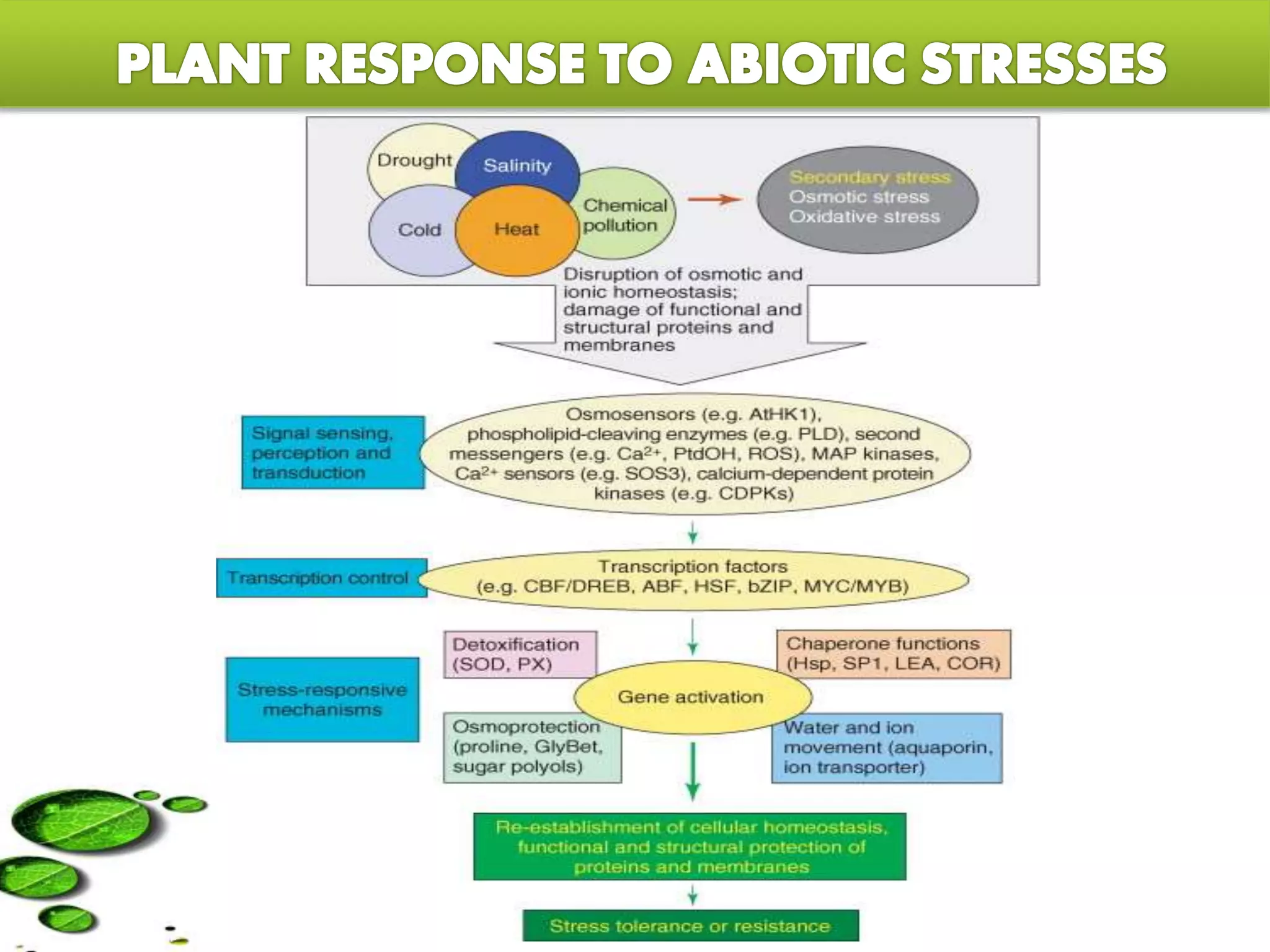
Plant stress responses are the ways plants sense harmful conditions and adjust their growth, chemistry, and body functions to survive. These responses include closing leaf pores, changing root growth, making protective chemicals, activating defense genes, and slowing growth to save energy.
Across the United States, plants face many kinds of stress. Crops in California may face long dry spells, while gardens in Texas and Florida often deal with intense heat and heavy rain. Plants in northern states may face sudden cold, frost, and short growing seasons. These conditions can change how plants grow, use water, make food, and defend themselves.
Plant stress responses are the changes that help plants deal with these challenges. A plant cannot walk away from dry soil or move to escape an insect. Instead, it uses signals inside its cells to sense trouble and change how it works. Some changes happen in seconds or minutes. Others take days or weeks.
Plants may close tiny pores on their leaves to slow water loss. They may grow more roots to reach water, make chemicals that protect their cells, or produce substances that fight pests and disease. These actions can help a plant stay alive, but they may also slow its growth or reduce the size of its harvest.
Not all stress is harmful at once. A short period of mild stress may help a plant adjust to later changes. But severe or long-lasting stress can damage roots, leaves, flowers, and fruit. The result depends on the plant type, its age, the stress level, and how long the problem lasts.
Source: esmaya.org
What Are Plant Stress Responses?
Plant stress responses are the physical, chemical, and genetic changes that help a plant deal with conditions that limit normal growth. Stress begins when the plant faces a condition that disrupts its normal balance. This balance includes water levels, cell structure, energy use, nutrient levels, and many other processes.
A stress response is not always a sign that a plant is dying. It can be a normal defense action. For example, a plant may close its leaf pores during dry weather. This helps it save water, even though it also limits the amount of carbon dioxide that enters the leaf for photosynthesis.
Scientists often group plant stress into two main types: abiotic stress and biotic stress. These groups help explain where the problem starts and which plant defenses may become active.
Source: sciencevivid.com
Stress perception
The plant detects a change in its surroundings or inside its cells.
Stress signaling
Chemical and electrical messages tell cells that a change is needed.
Stress response
The plant changes its growth, metabolism, water use, or defense activity.
Stress recovery
When conditions improve, the plant may restore normal cell activity and begin new growth.
Abiotic Stress in Plants
Abiotic stress comes from nonliving parts of the environment. It can affect plants through the soil, air, water, sunlight, or temperature. These stressors often affect many plants in the same area at once.
Drought is one common example. When the soil becomes dry, roots cannot take up enough water to meet the needs of leaves and other tissues. The plant may close its stomata, slow leaf growth, and change how it uses stored energy.
Heat stress can damage proteins, membranes, and photosynthesis. Cold stress can slow cell activity and harm sensitive tissues. Salt stress makes it harder for roots to take up water and can also cause harmful ion levels inside cells.
Flooding creates another challenge. Water-filled soil has less space for air, so roots may not get enough oxygen for normal respiration. This can weaken roots even when the soil contains plenty of water.
Water stress
Drought, low soil moisture, or excess water around roots.
Temperature stress
Very high temperatures, freezing conditions, or sudden temperature changes.
Soil stress
High salt levels, poor drainage, nutrient imbalance, or harmful soil chemicals.
Light stress
Too much sunlight, strong ultraviolet exposure, or too little light.
Biotic Stress in Plants
Biotic stress comes from living organisms that damage plants or compete with them. These organisms include fungi, bacteria, viruses, nematodes, insects, mites, and plant-eating animals.
A plant may respond to an insect bite by making chemicals that taste bad or harm the insect. When a harmful fungus enters its tissue, the plant may activate defense genes and strengthen nearby cell walls. Some plants can also send warning signals to other parts of the same plant.
Biotic stress responses are often more targeted than general environmental responses. A plant must recognize the type of attacker and choose a suitable defense. The best response to an insect may differ from the response to a fungus or bacterium.
Pathogens
Disease-causing fungi, bacteria, viruses, and other harmful microbes.
Herbivores
Insects and animals that feed on leaves, roots, stems, flowers, or fruit.
Plant parasites
Organisms that take water or nutrients from living plant tissues.
How Do Plants Sense and Respond to Stress?
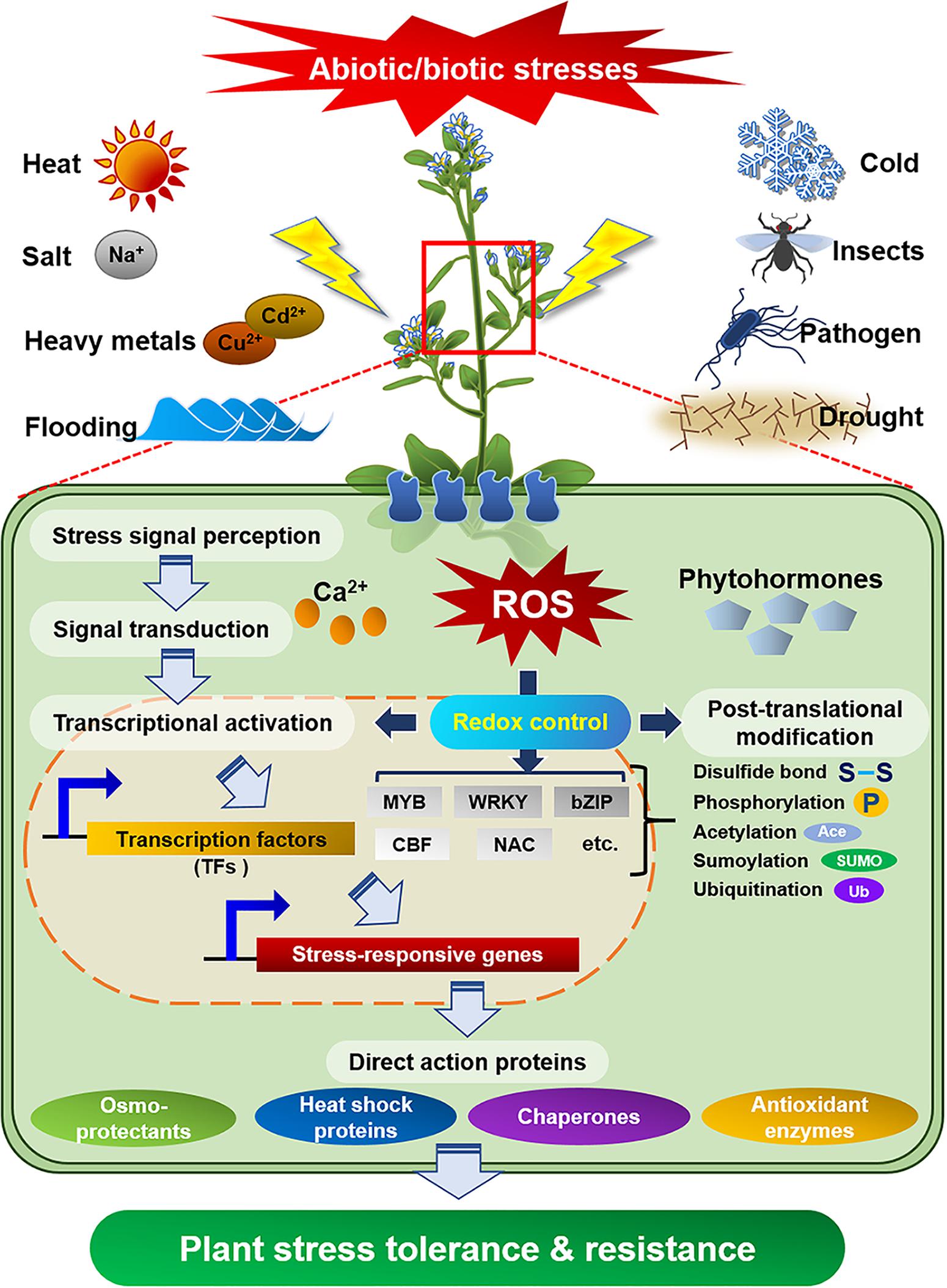
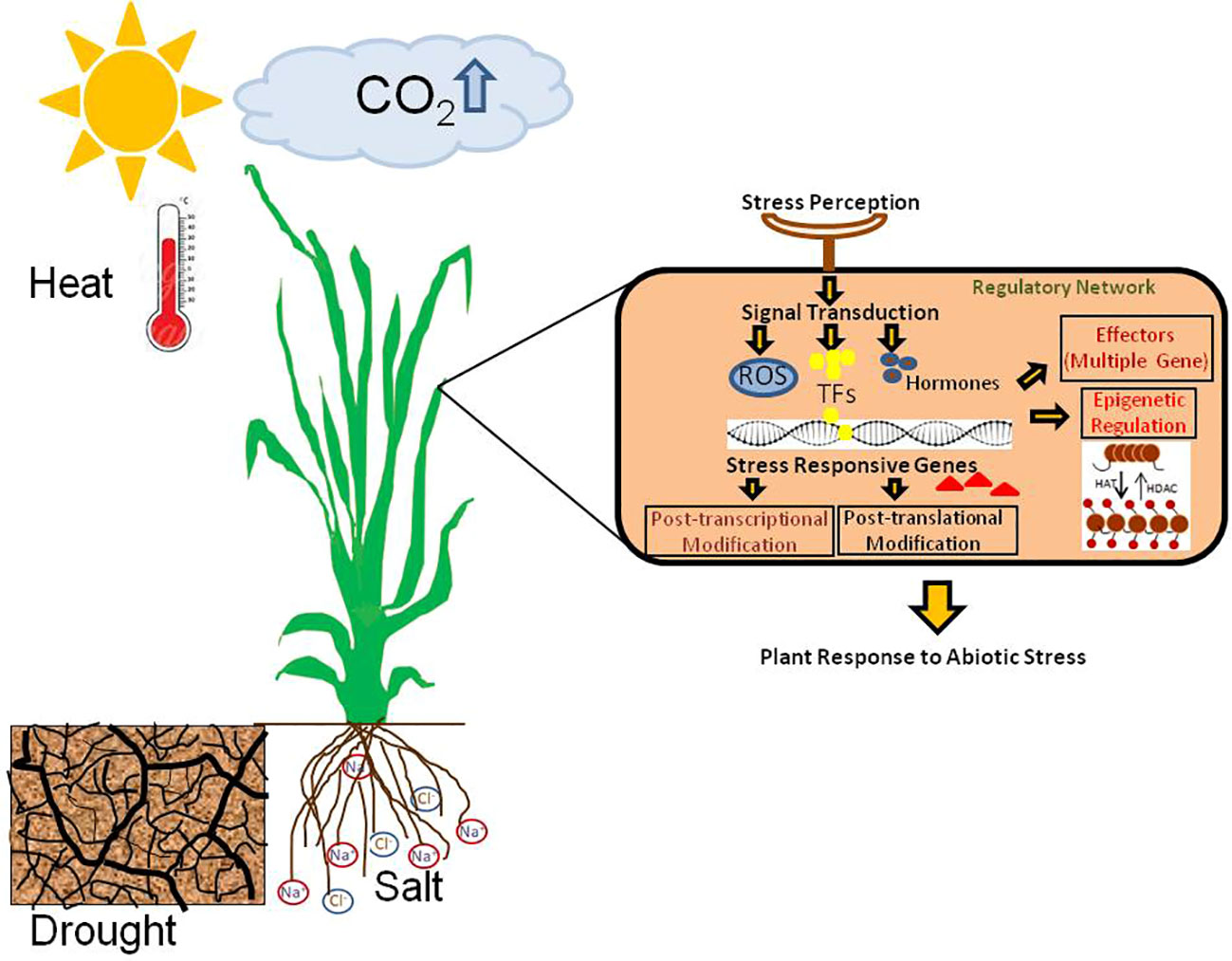
Plants use several linked systems to sense stress and respond to it. These systems work at the cell, tissue, and whole-plant levels. The process starts when cells detect a change and send signals that guide the next action.
The first response can happen very quickly. A change in water pressure, temperature, salt levels, or contact with a pathogen can affect the cell membrane. This may cause ion channels to open and allow calcium ions to move into the cell. The change in calcium acts as a message that starts other reactions.
Plants also use reactive oxygen species, often called ROS. These are active oxygen-based molecules made during normal cell activity. In small, controlled amounts, ROS can act as useful signals. They help cells respond to stress and activate defense systems. But too much ROS can damage fats, proteins, and DNA.
After the first signals, plant cells may change gene activity. Some genes help make protective proteins. Others control water movement, hormone production, antioxidant enzymes, or cell repair. These changes allow the plant to adjust its body functions to match the new conditions.
The response then spreads across the plant when needed. Roots can send signals to leaves during drought. A damaged leaf can also trigger defense changes in other leaves. This allows different plant parts to work together rather than respond as separate units.
Source: frontiersin.org
Calcium signals
Changes in calcium levels help cells pass stress messages to proteins and other signaling systems.
Reactive oxygen species
Controlled ROS activity helps start defense signals, while high levels can cause cell damage.
Protein kinases
These proteins add phosphate groups to other proteins and help control stress-related reactions.
Gene regulation
Stress-responsive genes help cells make proteins and chemicals needed for protection and repair.
Whole-plant signaling
Messages can move between roots, stems, and leaves so the plant can coordinate its response.
The Role of Plant Hormones
Plant hormones are chemical signals that guide growth and stress responses. They help plants decide when to grow, save water, defend against attackers, or slow down certain activities. Their effects depend on the plant species and the conditions it faces.
Abscisic acid, or ABA, has a major role in drought responses. When water becomes limited, ABA signaling helps close stomata. This reduces water loss through the leaves. ABA also affects root growth and the activity of stress-related genes.
Salicylic acid, or SA, helps control plant immunity. It plays a key role in defenses against many pathogens that depend on living plant tissue. It can also help trigger systemic acquired resistance, which makes other parts of a plant better prepared to respond to later infection.
Jasmonic acid, or JA, is strongly linked to wound responses and defense against many insect herbivores. It also helps plants respond to some harmful fungi and other environmental stresses. Ethylene works with other hormones during injury, disease, flooding, and aging.
Auxin, cytokinin, and gibberellin also affect stress responses. They help control root growth, shoot growth, cell division, and flowering. The balance among these hormones can shift during stress, allowing the plant to save resources.
ABA
Helps regulate water conservation and stomatal closure during drought and other stresses.
Salicylic acid
Supports immune responses against many plant pathogens.
Jasmonic acid
Helps control wound responses and defense against many insects.
Ethylene
Helps regulate stress responses, flooding adaptation, fruit ripening, and leaf aging.
Why Plants Slow Their Growth During Stress
Growth needs energy, water, and nutrients. When these resources become limited, plants may reduce the growth of leaves, stems, or flowers. This is not always a failure. It can be a way to protect the parts that matter most for survival.
For example, a drought-stressed plant may produce smaller leaves. Smaller leaves can reduce the area through which water is lost. A plant under attack may send more energy toward defense chemicals instead of new shoots.
This creates a trade-off between growth and survival. A plant that spends more energy on defense may grow more slowly for a time. The balance depends on how severe the stress is and how much energy the plant can still produce.
Less leaf growth
Can reduce water loss and lower the demand for nutrients.
Reduced flowering
Can save resources when the plant cannot support normal reproduction.
Changed root growth
Can help roots reach water or avoid harmful soil conditions.
Common Plant Stress Responses by Stress Type
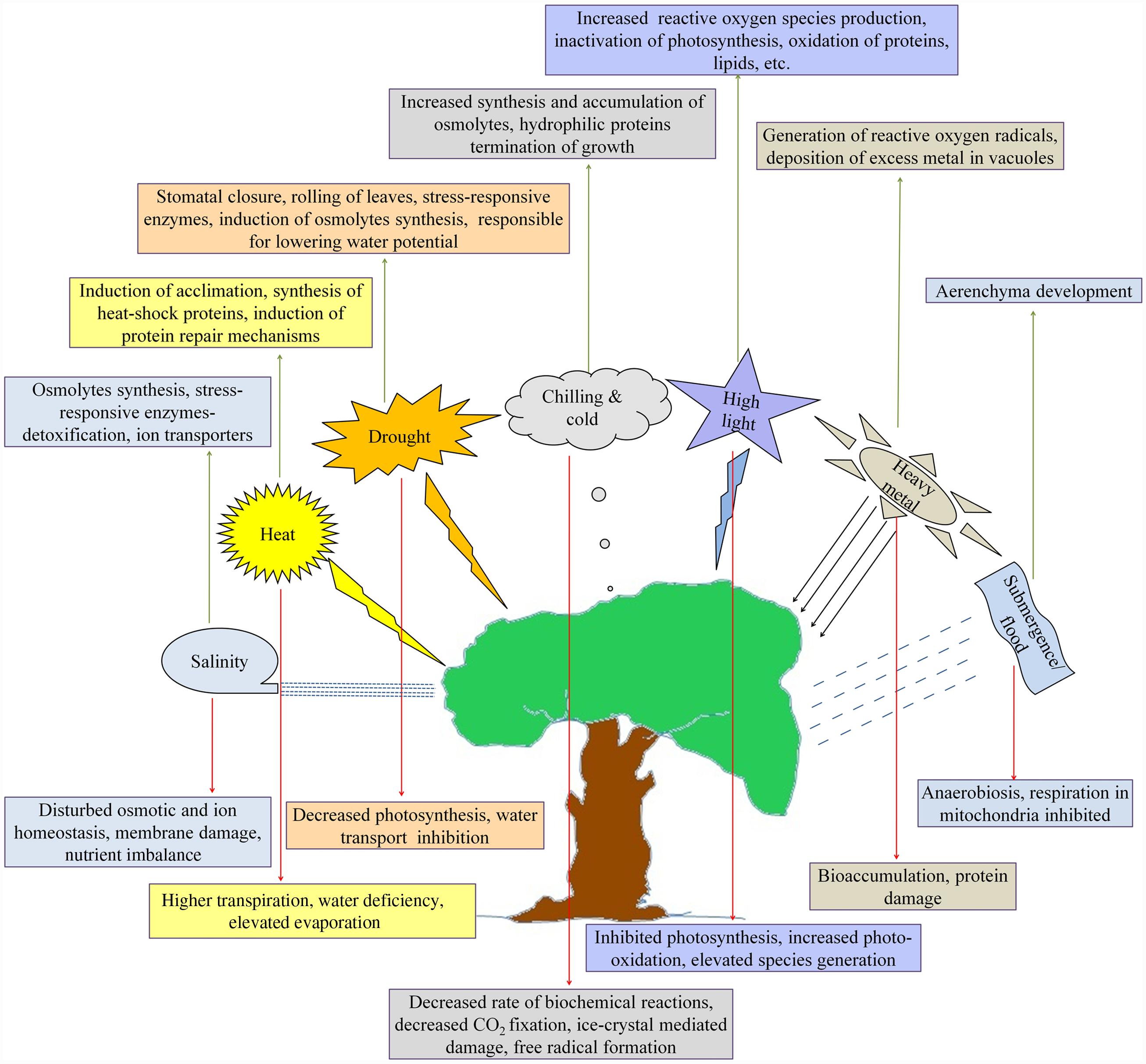
Different stressors trigger different plant responses, but some of the same systems are used in more than one situation. A plant facing drought and a plant facing salt stress may both use ABA signals and change water movement. However, salt stress also creates an ion balance problem that drought alone does not cause.
Understanding the stress type helps explain why a plant changes its leaves, roots, or growth. It also helps gardeners avoid treating every damaged plant in the same way.
Source: frontiersin.org
Drought
Plants conserve water, change root growth, close stomata, and may reduce leaf area.
Heat
Plants use water for cooling, adjust leaf position, and make proteins that protect other proteins.
Cold
Some plants change cell membrane structure and build up protective sugars and other compounds.
Salt
Plants control harmful ion levels and adjust the balance of water inside their cells.
Flooding
Flood-tolerant plants may change their metabolism or grow structures that improve access to air.
Drought and Water Stress Responses
Drought limits the amount of water that roots can take up. As water becomes scarce, plant cells may lose pressure. Leaves can droop, curl, or become dry at the edges. Growth may slow because the plant has less water for cell expansion.
One major response is stomatal closure. Stomata are tiny openings on leaves that allow carbon dioxide to enter and water vapor to leave. Closing these openings reduces water loss, but it also limits carbon dioxide intake and can lower photosynthesis.
Some plants also change their root systems. They may send more growth into deeper soil layers or adjust the number of side roots. The result depends on soil depth, plant type, and the length of the dry period.
Leaf curling
Reduces the leaf area exposed to sunlight and dry air in some plants.
Stomatal closure
Slows water loss but can also reduce photosynthesis.
Root adjustment
May help the plant reach deeper or more reliable water sources.
Leaf shedding
Can lower the plant’s total water demand during severe stress.
Heat and Cold Stress Responses
Heat stress can affect photosynthesis, cell membranes, and proteins. Plants may open their stomata to increase transpiration and cool their leaves. But if soil water is limited, this cooling method becomes harder to maintain.
Plants also make heat shock proteins. These proteins help protect other proteins from losing their normal shape. They act like small helpers that reduce damage during high temperatures.
Cold stress slows many chemical reactions inside plant cells. Freezing can also cause ice to form outside cells, which pulls water away from them. Cold-tolerant plants may build up sugars and other protective substances that help cells manage these changes.
Some plants can acclimate to gradual cold exposure. This process can improve their ability to handle later cold conditions. However, acclimation does not make a plant immune to severe frost.
Heat shock proteins
Help protect proteins from damage caused by high temperatures.
Leaf movement
Some plants change leaf position to reduce direct sunlight.
Protective sugars
Can help support cell balance during cold exposure.
Membrane changes
Help some plants keep cell membranes working during temperature shifts.
Salt and Flooding Stress Responses
Salt stress affects plants in two main ways. First, high salt levels make it harder for roots to take up water. Second, harmful ions such as sodium can build up in plant tissues and interfere with normal cell activity.
Plants may reduce the movement of sodium into sensitive tissues, store some ions in vacuoles, or produce compatible solutes. These are small substances that help cells hold water without disrupting normal chemical reactions.
Flooding causes a different problem. When soil pores fill with water, oxygen becomes less available to roots. Roots then struggle to carry out normal aerobic respiration, which limits the energy they can make.
Some flood-tolerant plants respond by changing their metabolism or forming air spaces in their tissues. Certain rice varieties can also use stem growth to keep leaves above the water. These traits are not shared by all plant species.
Ion control
Helps keep excess salt away from sensitive parts of plant cells.
Osmotic adjustment
Helps plant cells manage water balance when the soil has high salt levels.
Low-oxygen adaptation
Changes energy use and metabolism when flooded roots cannot get enough oxygen.
Plant Responses to Pests and Disease
When insects feed on leaves, plants can detect both physical injury and chemicals from the insect. This can start a chain of signals that activates jasmonic acid and other defense pathways.
The plant may produce bitter compounds, toxins, sticky materials, or strong scents. Some of these chemicals make the plant less attractive to insects. Others can attract natural enemies of the pest.
When a pathogen enters plant tissue, surface receptors may detect common features of the attacker. This starts a defense response known as pattern-triggered immunity. If the pathogen delivers special proteins that weaken this defense, other immune receptors may detect them and activate a stronger response.
Defense signals can also move to parts of the plant that were not attacked. This is one reason a local injury may change the defense activity of leaves farther away. The plant is preparing more than just the damaged area.
Physical barriers
Thicker cell walls, waxy surfaces, and other structures can slow the entry of harmful organisms.
Chemical defense
Plants may make compounds that discourage feeding or limit pathogen growth.
Local immune response
Cells near an infection can activate defense genes and other protective processes.
Systemic defense
Signals can prepare other plant tissues for possible attack.
How to Recognize and Diagnose Plant Stress
Plant stress often appears first in the leaves, but the roots, stems, flowers, and fruit can also show signs. Common symptoms include wilting, yellowing, brown edges, leaf spots, slow growth, and early leaf drop. These signs are useful clues, but they do not prove which stress is present.
For example, both dry soil and waterlogged soil can cause wilting. Dry soil limits the water available to roots. Waterlogged soil can deprive roots of oxygen and damage their ability to take up water. Adding more water to an already wet root zone can make the second problem worse.
A good diagnosis starts with the whole plant and its growing conditions. Look at the soil, roots, leaves, weather, watering history, and nearby plants. Check whether the problem affects one plant or many plants of different types.
Source: frontiersin.org
Wilting
May result from dry soil, damaged roots, root disease, excess heat, or waterlogged soil.
Yellow leaves
Can result from nutrient problems, poor drainage, pests, disease, or normal leaf aging.
Brown leaf edges
May point to drought, salt injury, heat, root problems, or chemical damage.
Slow growth
Can result from low light, temperature stress, poor roots, nutrient limits, or disease.
Flower and fruit loss
Can occur when heat, water stress, or other conditions interfere with flowering and fruit development.
A Simple Step-by-Step Plant Stress Check
Use the following checks before changing the plant’s care routine. Work from the easiest and safest checks toward more detailed tests. This helps avoid treatments that may hide the real cause.
Step 1: Check the pattern
Look for damage on one plant, one plant type, or many different plants. A problem across several unrelated plants may point to a shared environmental cause.
Step 2: Check soil moisture
Feel the soil below the surface near the root zone. Do not rely only on how dry or wet the top layer looks.
Step 3: Inspect roots and stems
Look for soft, dark, damaged, or foul-smelling roots. Check stems for wounds, unusual swelling, or signs of decay.
Step 4: Look for pests and disease signs
Check both sides of leaves, growing tips, stems, and the soil surface. Look for insects, eggs, webbing, fungal growth, or unusual spots.
Step 5: Review recent changes
Think about recent heat, cold, heavy rain, transplanting, fertilizer, pesticide use, pruning, or soil disturbance.
Step 6: Test when needed
A soil test can help check pH and nutrient levels. A plant disease diagnosis may require a local extension office or plant laboratory.
Why Similar Symptoms Can Have Different Causes
A yellow leaf is not always a sign of nitrogen shortage. It may also result from root damage, poor drainage, cold soil, or a disease that blocks normal water movement. Treating yellow leaves with fertilizer before checking the roots can waste time and may increase salt stress.
Brown leaf tips can also have more than one cause. Dry air, high salt levels, excess fertilizer, and damaged roots may all create similar damage. The pattern of injury and the condition of the soil help narrow the cause.
When symptoms spread quickly, affect many plants, or cause major branch death, seek help from a local Cooperative Extension office or a qualified plant health professional.
Look for patterns
Compare the affected area with healthy plants nearby.
Check more than leaves
Root health and soil conditions can explain symptoms that appear above ground.
Avoid early treatment
Do not apply pesticides or extra fertilizer without a reasonable diagnosis.
How to Help a Stressed Plant Recover
The best way to help a stressed plant is to correct the cause and give it time to recover. A plant does not need more water, fertilizer, or pruning in every case. The right action depends on the stress type and the condition of the roots and leaves.
Start with basic care. Make sure the root zone has enough water but is not flooded. Protect the plant from extreme heat when possible. Reduce competition from weeds and avoid adding extra stress through heavy pruning or unnecessary chemical treatments.
Recovery takes time. Some plants may restore normal leaf function within a few days after mild stress. Others need weeks to produce new roots or leaves. Tissue that has died will not become green again, even if the rest of the plant recovers.
Source: slideshare.net
Correct water problems
Water when the root zone is dry. Improve drainage when the soil stays wet for too long.
Protect from heat
Use temporary shade or move container plants away from harsh afternoon sun when suitable.
Use mulch
A suitable layer of organic mulch helps reduce soil temperature changes and slow water loss.
Reduce root disturbance
Avoid digging close to stressed roots or moving the plant unless its current location is harmful.
Control confirmed pests
Identify the pest first and use a suitable control method that protects helpful insects where possible.
Allow recovery time
Watch for healthy new growth instead of expecting damaged leaves to return to their original condition.
Watering a Stressed Plant
Check soil moisture before watering. For a garden plant, move mulch aside and feel the soil near the roots. University of Minnesota Extension advises checking moisture below the surface because the top layer may look dry while deeper soil still holds water.
If the soil is dry and the plant shows signs of water stress, give the root zone a thorough watering. Avoid frequent shallow watering that wets only the surface. Deep watering can encourage roots to use a larger soil area when the soil and plant type allow it.
If the soil is wet, do not keep adding water. Check for poor drainage, compact soil, damaged roots, or a container without enough drainage holes. Roots need oxygen as well as water.
Dry root zone
Water slowly until moisture reaches the active root area.
Wet root zone
Pause watering and check drainage and root health.
Container plants
Check drainage holes and empty standing water from trays when needed.
Reducing Heat and Environmental Stress
During a heat wave, some plants benefit from temporary shade. Shade cloth can lower the amount of direct sunlight reaching leaves. Container plants can often be moved to a cooler place with suitable light.
Mulch can help keep the soil cooler and reduce water loss. Keep mulch away from direct contact with the main stem or tree trunk. This helps avoid excess moisture around sensitive plant tissue.
Do not rush to cut off every damaged leaf. Some partly damaged leaves can still carry out photosynthesis. Remove dead or diseased tissue when there is a clear reason, and use clean tools when disease may be present.
Provide suitable shade
Use temporary shade during severe heat, especially for young or newly transplanted plants.
Improve soil cover
Use suitable mulch to reduce evaporation and limit rapid soil temperature changes.
Avoid heavy pruning
Wait until the plant is stable unless damaged tissue creates a clear health or safety concern.
Supporting Recovery After Disease or Pest Damage
When insects or pathogens cause stress, remove or control the confirmed source of damage. The method depends on the organism. Some pests can be removed by hand, while others need a targeted control method.
Keep enough space between plants for suitable air movement. Water at the soil level when practical, and avoid moving infected plant material around the garden. Clean tools after working with diseased plants.
Do not use a broad pesticide simply because a plant looks weak. Many plant problems come from water, soil, or weather conditions. A wrong treatment can harm pollinators and beneficial organisms without fixing the cause.
Identify the attacker
Use visible signs and a reliable diagnosis before choosing a control method.
Remove infected material carefully
Follow local guidance for disposal of diseased plant parts.
Protect helpful organisms
Use targeted methods and follow all pesticide label directions when a pesticide is needed.
Why Plant Stress Responses Differ Between Plants
Two plants can face the same stress and respond in very different ways. A drought-tolerant plant may keep growing in soil that causes another plant to wilt. This difference comes from genetics, plant structure, root depth, and the way each species controls its water and energy use.
Age also matters. Young seedlings often have small root systems and may be more sensitive to sudden changes in water or temperature. Mature plants may have deeper roots and larger energy stores, although they can still suffer when stress is severe.
The timing of stress is another key factor. Heat during flowering can reduce pollination and fruit set in some crops. Cold during seed germination can damage young tissues. A stress that occurs during a sensitive growth stage may cause more harm than the same stress at another time.
Genetic traits
Some varieties have better natural tolerance to drought, salt, heat, or cold.
Growth stage
Seedlings, flowering plants, and fruiting plants may react differently to the same stress.
Stress duration
Short exposure may cause temporary changes, while long exposure can lead to lasting injury.
Stress intensity
A mild change may be manageable, while a severe change can exceed the plant’s defense capacity.
Growing conditions
Soil type, drainage, sunlight, wind, and nutrient supply can change how a plant handles stress.
How Combined Stress Affects Plants
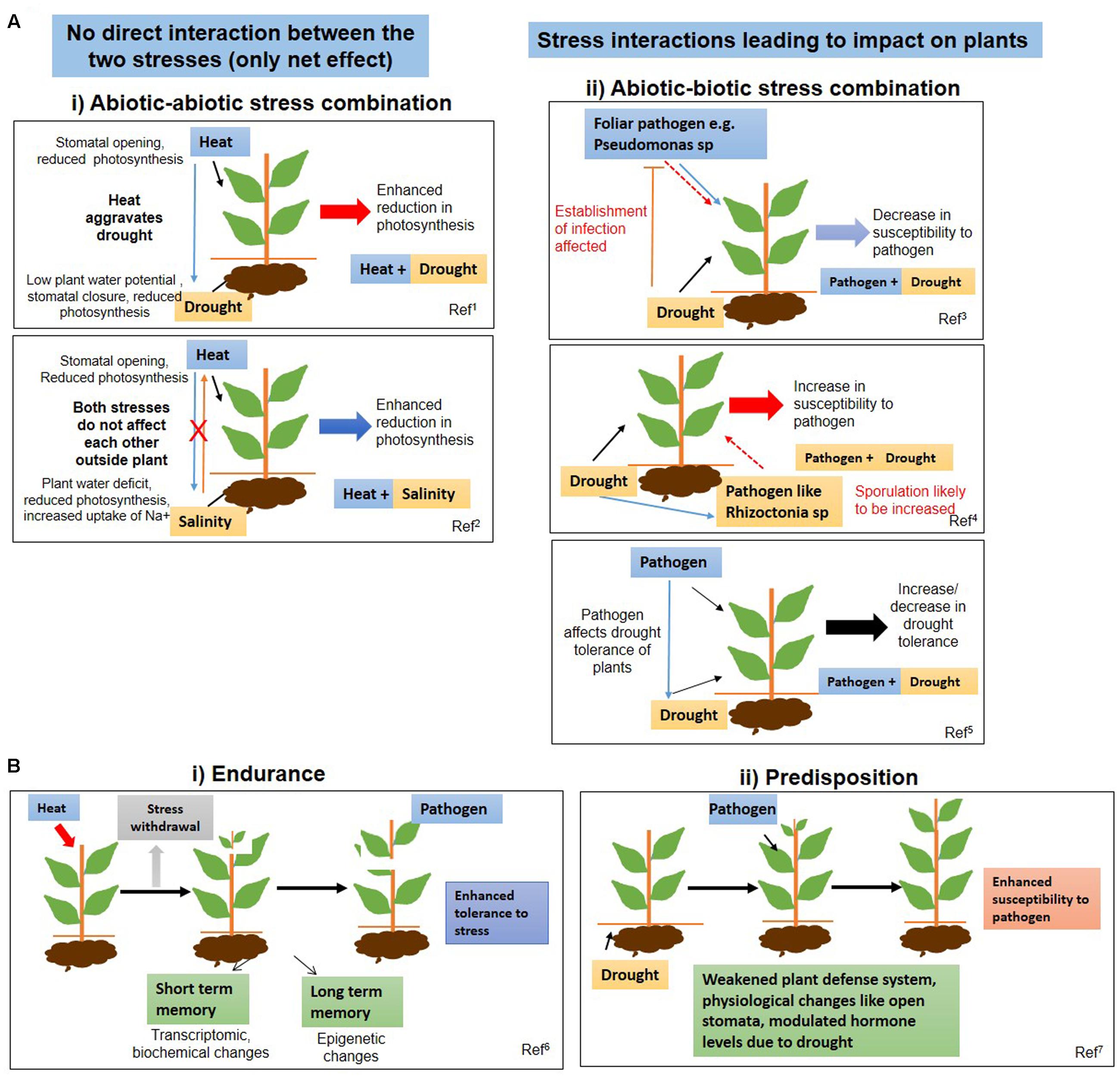
Plants often face more than one stress at a time. A summer heat wave may happen during a drought. A plant growing in salty soil may also face high temperatures. A flooded root zone may increase the risk of root disease.
Combined stress can create problems that are more complex than either stress alone. During heat, opening stomata can help cool leaves through water loss. During drought, closing stomata helps save water. When heat and drought occur together, the plant must balance these competing needs.
This means a plant’s response to one stress cannot always predict its response to two or more stresses. Research on combined stress looks at how these signals interact and how the plant shares its limited energy between protection, growth, and repair.
Heat plus drought
The plant must balance leaf cooling against the need to save water.
Salt plus drought
Both conditions can make water uptake harder and increase the need for cell protection.
Flooding plus disease
Weak roots may become more vulnerable to harmful soil organisms.
Pests plus heat
Environmental stress can change the strength and timing of plant defense responses.
Plant Stress Memory and Acclimation
Some plants respond differently after they have faced stress before. A previous exposure may change how quickly or strongly the plant reacts to a later challenge. Scientists study this effect under the terms stress memory and priming.
Acclimation is the process by which a plant adjusts to a changing environment. For example, gradual exposure to cooler conditions can help some plants prepare for later cold. A mild earlier stress may also change the activity of certain defense genes.
Stress memory is not the same as permanent immunity. Its strength and duration vary by plant type, stress, and growing conditions. A plant that has handled one dry period may still suffer during a longer or more severe drought.
Acclimation
Changes that help a plant adjust to a new or changing environment.
Priming
A previous signal prepares the plant to respond more quickly or strongly later.
Limits
Earlier exposure does not guarantee protection from severe future stress.
Common Mistakes When Managing Plant Stress
A common mistake is to treat the visible symptom instead of the cause. A wilted plant may need water, but it may also have damaged roots or soil that stays too wet. Adding more water without checking can increase the damage.
Another mistake is using fertilizer as a quick fix for yellow leaves. Fertilizer cannot repair dead roots or cure a plant disease. Too much fertilizer can also raise salt levels around roots and make water uptake harder.
Gardeners may also remove too many leaves or apply pesticides without a clear reason. These actions can add stress and reduce the plant’s ability to recover. A slow and careful diagnosis is often more useful than several quick treatments.
Watering without checking soil
Always check the root zone first. Dry and waterlogged soil can cause similar symptoms but need different actions.
Adding too much fertilizer
Excess nutrients can harm roots and create salt stress. Use soil test results and plant needs to guide fertilizer use.
Ignoring drainage
Roots need oxygen. Poor drainage can cause water stress even when the soil contains plenty of water.
Applying pesticides without diagnosis
A chemical treatment will not correct drought, heat, or nutrient problems and may harm helpful organisms.
Expecting instant recovery
Damaged leaves may remain brown even after the cause is corrected. Watch for healthy new growth instead.
Ignoring local plant needs
Water, light, temperature, and soil needs differ among species and varieties.
When to Seek Expert Help
Some plant problems need more than basic garden care. Seek help when a tree has rapid branch death, a crop shows widespread disease, or several plants decline despite suitable watering and soil conditions.
A local Cooperative Extension office can help identify many plant health problems. For valuable crops, commercial plantings, or suspected chemical injury, a soil or plant tissue test may be useful.
If you suspect pesticide drift or another chemical exposure, record when the damage began and which plants were affected. Avoid applying more chemicals until the cause has been checked.
Rapid decline
Several plants or large branches are dying over a short period.
Possible disease outbreak
Spots, decay, unusual growth, or other signs spread across plants.
Unclear soil problem
Plants continue to decline despite suitable moisture and basic care.
Possible chemical injury
Damage follows a spray, nearby application, or unusual environmental exposure.
Frequently Asked Questions
Q
What are the main types of plant stress responses?
The main types include responses to abiotic and biotic stress. Abiotic responses help plants handle drought, heat, cold, salt, flooding, and poor soil conditions. Biotic responses help plants defend against insects, fungi, bacteria, viruses, and other harmful organisms. Both types can involve hormone signals, changes in gene activity, and chemical defenses.
Q
How do plants know when they are under stress?
Plant cells detect changes in water pressure, temperature, salt levels, cell membranes, and signals from harmful organisms. These changes can trigger calcium signals, reactive oxygen species, and plant hormone activity. The signals then change gene activity and cell functions so the plant can respond.
Q
Can a plant recover from severe stress?
Some plants can recover after the stress is removed, but recovery depends on how much damage has occurred. A plant with healthy roots and living growing points may produce new leaves after conditions improve. A plant with badly damaged roots, stems, or growing tissue may not recover. Dead leaves and branches will not become healthy again.
Q
Why does a plant wilt when the soil is wet?
Wet soil can limit the oxygen that roots need for normal respiration. Without enough oxygen, roots may lose the ability to take up and move water. Root decay can make this problem worse. Check drainage and root health before adding more water to a wilted plant.
Q
Do plant stress responses affect flowering and fruit production?
Yes. Stress can reduce flower formation, interfere with pollination, cause flower drop, or limit fruit growth. Heat, drought, cold, and nutrient problems can all affect reproduction. The timing of stress matters because flowering and early fruit development are sensitive stages for many crops.
✦ Wrapping Up
Conclusion
Plant stress responses help plants survive changes in their surroundings. Plants use chemical signals, hormones, protective proteins, and growth changes to manage threats. These systems help them save water, protect cells, fight harmful organisms, and recover when conditions improve.
The same response can also have a cost. Closing stomata saves water but may slow photosynthesis. Defense chemicals can protect leaves but use energy that could support growth. This balance explains why stressed plants may grow slowly, lose flowers, or produce smaller fruit.
For gardeners and growers, the most useful step is to find the real cause before changing plant care. Check the soil, roots, weather, and signs of pests or disease. Then make one suitable change and watch how the plant responds. Healthy new growth is often a better sign of recovery than the condition of old, damaged leaves.
💡 Key Takeaway
When a plant shows stress, first check soil moisture, drainage, roots, leaves, and recent weather. Identify the likely cause before watering, fertilizing, pruning, or applying a pesticide. Correct the problem, reduce further stress, and monitor new growth over the next several days or weeks.