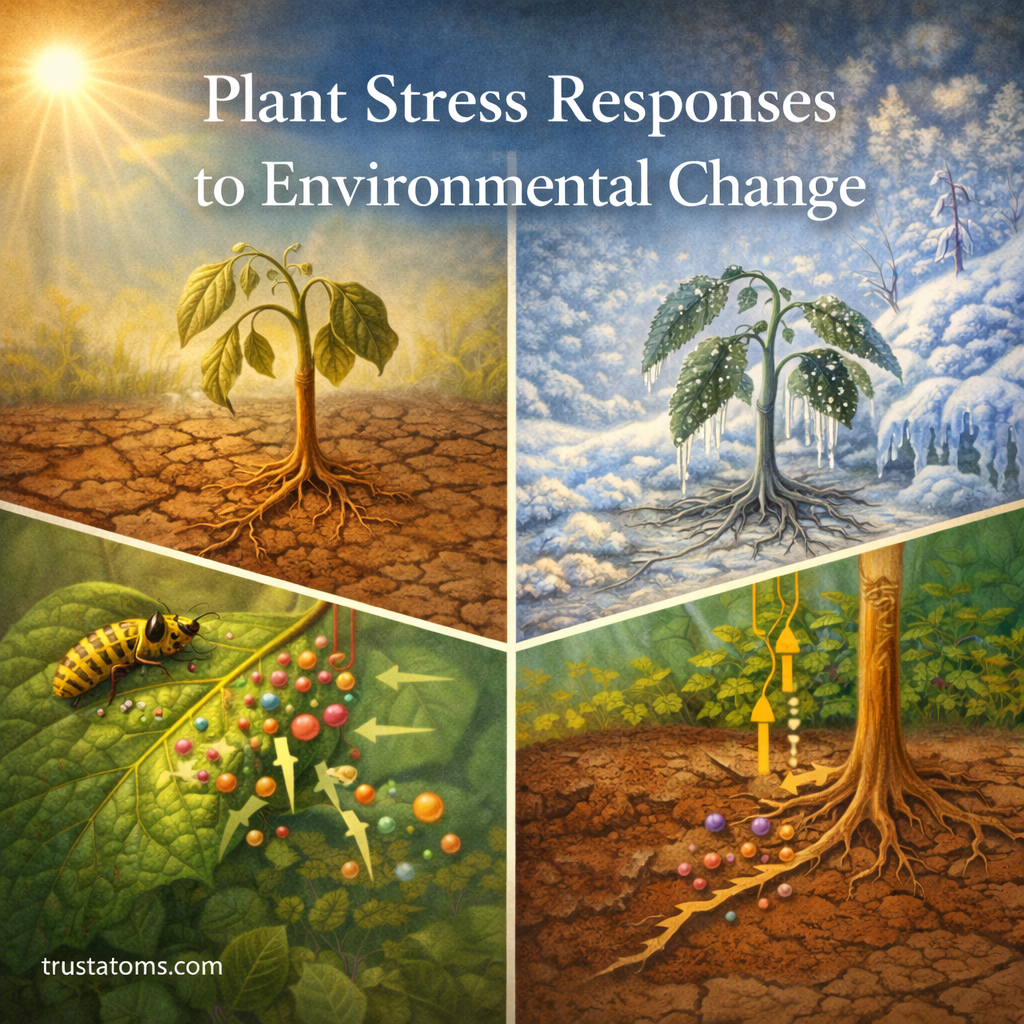
Plants recover from environmental stress when the harmful condition ends and the plant can restore water balance, repair damaged cells, rebuild healthy tissues, and resume growth. The best way to help is to identify the cause, correct the root-zone conditions, reduce further stress, and allow enough time for recovery.
Across the United States, plants face many forms of environmental stress. A dry summer in California, a heat wave in Texas, a late spring frost in the Midwest, or heavy rain along the Gulf Coast can all affect plant health. Even a small home garden can face several of these problems in one growing season. Some plants bounce back quickly, while others need weeks or months to recover.
Plant recovery after environmental stress is more than a return to green leaves. A plant must restore its water supply, protect its living cells, repair its tissues, and rebuild the energy it needs for growth. Roots, stems, leaves, and growing points may recover at different rates. A plant can look healthy again while its growth or root system remains weak.
The first step is to find out what caused the damage. More water will not help a plant with waterlogged roots. More fertilizer will not fix a plant with damaged roots or excess soil salts. Once the cause is clear, simple care can help the plant recover without adding more stress.
Source: freepik.com
What Plant Recovery After Environmental Stress Really Means
Plant recovery is the process through which a plant regains normal function after an unfavorable change in its surroundings. These changes may affect water, light, heat, cold, soil, or mineral levels. The plant first needs to survive the stress. Then it must restore the systems that support growth.
Environmental stress is often called abiotic stress. Abiotic means that the cause is not a living pest or disease organism. Common examples include drought, high heat, frost, flooding, high soil salt, and poor nutrient supply. These conditions can act alone or occur at the same time.
Recovery can take several forms. A mildly stressed plant may return to normal once the harmful condition ends. A more damaged plant may need to repair its cells and roots. A severely damaged plant may need to grow new leaves, roots, or branches before it can work well again.
Source: researchgate.net
Complete recovery
The plant returns to its earlier level of normal function. Its water balance, photosynthesis, and growth may return close to their previous levels.
Partial recovery
The plant survives and resumes some growth, but parts of its root system, leaves, or stems remain damaged.
Compensatory recovery
The plant changes how it grows to make up for lost tissue. For example, it may grow more roots or new side shoots instead of restoring damaged leaves.
Failed recovery
Damage to roots, stems, or growing points is too severe. The plant cannot restore the systems needed to stay alive.
Why Survival and Recovery Are Different
A plant can remain alive without returning to full health. For example, a tree may survive a severe drought but grow very little during the next season. Its leaves may return, yet its water transport system may still be weak.
This difference matters when you judge plant health. A few green leaves do not prove that the whole plant has recovered. Look for steady new growth, healthy stems, and signs of active roots.
Survival
The plant keeps its vital living tissues alive.
Repair
The plant restores damaged cells and normal cell activity.
Regrowth
The plant forms new roots, leaves, stems, or other tissues.
The Role of Roots and Growing Points
Roots take in water and minerals from the soil. They also help hold the plant in place. When roots die or lose their ability to absorb water, the leaves may wilt even when the soil feels wet.
Growing points are areas where new cells form. They occur near root tips and at shoot tips. Many plants can grow new shoots from side buds when the main tip is damaged. If the main growing points and root crown remain alive, recovery may still be possible.
Root health
Firm, active roots support water uptake and new growth. Soft, damaged roots can slow recovery.
Shoot health
Living buds and stem tissue can produce new leaves and branches.
A Step-by-Step Plan to Help a Stressed Plant Recover
The safest recovery plan starts with diagnosis. Do not treat every wilted or yellow plant in the same way. Similar signs can come from very different causes. A plant with dry roots and a plant with flooded roots may both have drooping leaves.
You do not need special products to begin. A small garden trowel, clean water, a way to check soil moisture, and regular observation are often enough. For serious soil problems, a laboratory soil test can help prevent guesswork.
Source: trustatoms.com
Before you begin
Identify the plant, note recent weather, check the soil, and look for signs of root or stem damage.
Main goal
Restore a stable growing environment without forcing the plant to grow faster than its damaged tissues can support.
Step 1: Find the Main Cause of Stress
Start by reviewing what happened before the plant began to decline. Think about recent heat, dry weather, heavy rain, frost, fertilizer use, or chemical exposure. Also check whether the plant was moved or repotted.
Look at the whole plant, not just the leaves. Check the soil near the roots. Look for standing water, a dry root zone, a white salt crust, or signs of soil compaction. Inspect stems and branches for soft spots, cracks, or dead tissue.
Dry soil
May point to drought or poor water supply.
Wet soil and wilt
May point to poor root oxygen supply or damaged roots.
Brown leaf edges
May result from heat, drought, salt, or fertilizer injury.
Twisted new leaves
May result from frost, herbicide exposure, or other growth problems.
Step 2: Restore the Right Soil Moisture
Water only when the root zone needs it. For a dry plant, apply water slowly near the base. Let it soak into the soil rather than run across the surface. Deep and slow watering can help reach the roots that need it most.
For a plant in wet soil, stop adding water until the root zone begins to drain. Remove standing water where possible. Check that pots have open drainage holes. Do not dig deeply around a weak plant because this can break roots that are still alive.
For dry soil
Water slowly and check the soil again after it has had time to absorb moisture.
For wet soil
Improve drainage and allow air to return to the root zone.
For potted plants
Check the drainage holes and remove water from the tray.
Step 3: Reduce Heat, Wind, and Light Stress
A damaged plant may lose water faster than its roots can replace it. Temporary shade can help reduce this demand during a heat wave. A sheltered spot can also protect small plants from strong wind.
For container plants, move the pot away from harsh afternoon sun if the species allows it. Do not make a sudden change from deep shade to strong direct sunlight. Give the plant time to adjust as new growth appears.
Temporary shade
Use it during extreme heat when leaves show signs of heat injury.
Wind protection
Place vulnerable pots or young plants in a sheltered area.
Gentle light changes
Increase light in stages as the plant regains healthy growth.
Step 4: Avoid Heavy Pruning and Early Fertilizer
Do not cut off every brown leaf as soon as damage appears. Some leaves may still contain living tissue that helps the plant make food. Wait until the damage is clear and new growth shows which parts are still alive.
Remove tissue that is clearly dead, soft, or diseased when needed. Use clean, sharp tools. Make cuts that avoid damaging healthy stems. For trees and large shrubs, wait for a clear view of live and dead branches before making major cuts.
Avoid strong fertilizer during early recovery. Damaged roots may not absorb nutrients well. Extra fertilizer can raise soil salt levels and cause more root injury. Resume feeding only when the plant shows active growth and its nutrient needs are clear.
Prune with care
Remove clearly dead or diseased tissue, but keep living leaves and stems.
Delay strong feeding
Wait for signs of renewed growth before adding fertilizer.
Follow soil test results
Use test results to guide nutrient changes rather than guessing.
Step 5: Watch for New Growth
New growth is one of the best signs that a plant is recovering. Look for fresh leaves, active buds, new root tips, and firm stems. These signs show that the plant has enough energy to support new tissue.
Take a photo when you begin care. Check the same plant at regular times. Compare leaf shape, color, stem condition, and growth. A slow but steady change is often more useful than one day of improved leaf posture.
Good signs
New buds open, leaves expand, stems stay firm, and the plant holds its leaves for longer.
Warning signs
The crown becomes soft, stems keep dying back, roots decay, or no new growth appears during the normal growth period.
How to Help Plants Recover From Different Types of Stress
Each type of environmental stress affects plants in a different way. The best recovery method depends on what the stress has damaged. Some problems need more water. Others need better drainage, lower heat, or a change in soil conditions.
When two or more stresses occur at once, recovery can take longer. For example, heat and drought both raise water demand. Flooding followed by strong sunlight can expose weak leaves to a second period of stress.
Source: freepik.com
Drought
Restore soil moisture slowly and protect the plant from further water loss.
Heat
Lower heat exposure and maintain a steady water supply.
Flooding
Restore drainage and oxygen to the root zone.
Cold
Wait for the damage to become clear before pruning.
Salt
Test the soil and correct salt levels only when drainage allows.
Recovery After Drought Stress
Drought reduces the water available to roots. As leaves lose water, their cells lose pressure. Leaves may droop, curl, or turn brown. Growth may slow as the plant closes tiny pores called stomata to reduce water loss.
Water the root zone slowly when the soil is dry. Do not flood a dry pot or garden bed in one fast rush if the water runs off. Let the water soak in. Add a layer of suitable organic mulch to help reduce future water loss, but keep mulch away from stems and tree trunks.
Do not expect old brown leaves to turn green again. The plant may shed them and use stored energy to make new leaves. A strong root system and living buds are key signs that recovery can continue.
Check below the surface
Dry soil near the roots can remain hidden beneath a moist-looking surface.
Water by soil need
Check moisture before watering again. Avoid a fixed schedule that ignores rain and soil type.
Recovery After Heat Stress
High heat can damage leaf cells, reduce photosynthesis, and increase water loss. Some plants show leaf scorch, curled edges, faded color, or early leaf drop. Severe heat can also harm flowers and young fruit.
Give the plant temporary protection from harsh afternoon sun when possible. Keep the soil at a steady moisture level, but do not keep it soaked. Water the root zone rather than wetting the leaves late in the day.
Some heat injury cannot be repaired in the affected leaf. The plant may need to grow fresh leaves after the weather cools. New growth is a better sign of recovery than the color of old damaged tissue.
Lower heat load
Use temporary shade for vulnerable plants during extreme heat.
Protect roots
Use suitable mulch and avoid disturbing the soil around damaged roots.
Recovery After Flooding and Waterlogging
Flooding fills soil spaces that normally hold air. Roots need oxygen to make energy and take up water and minerals. When the soil stays wet for too long, root activity can slow or stop. This is why a plant may wilt even while its soil is soaked.
Drain standing water as soon as conditions allow. Keep heavy tools and vehicles off wet soil. Walking or driving over saturated soil can press out air spaces and make the problem worse. Do not add more water until the root zone has drained.
Recovery after flooding can bring a second challenge. When floodwater leaves, plants face fresh oxygen and light. Some leaves may lose water or suffer extra damage during this change. Watch for root decay, leaf yellowing, and new pest or disease problems.
Restore drainage
Clear blocked drains and move standing water away from plant roots.
Limit soil compaction
Avoid heavy traffic on wet beds and fields.
Check roots
Look for soft, damaged roots and signs of new root growth.
Recovery After Frost and Cold Stress
Cold stress can damage cell walls and membranes. Tender leaves may turn dark, soft, or water-soaked after a freeze. New shoots may wilt while older branches remain alive. The amount of damage depends on the plant type, the length of the cold period, and how well the plant was adapted to the weather.
Wait until frozen tissue has thawed before judging the damage. Do not cut the plant back at once. Some stems may still have living buds below the damaged tips. When new growth begins, remove only the parts that are clearly dead.
Protect weak plants from another cold event when possible. Use covers suited to the plant and weather. Remove covers when needed to avoid excess heat or trapped moisture.
Wait for new buds
They can help show where living tissue remains.
Avoid early pruning
Wait until the limit of cold damage is easier to see.
Recovery After Salt and Chemical Stress
High salt levels make it harder for roots to take in water. This can create a form of chemical drought. Leaves may show brown edges, poor growth, and wilting even when the soil is moist. Road salt, salty irrigation water, excess fertilizer, and some soil amendments can all raise salt levels.
A soil test can measure salt levels. The result can help show whether the problem comes from excess soluble salts or another soil issue. If the soil is saline, clean low-salt water may help move salts below the root zone. This works only when water can drain away. Adding more water to poorly drained soil can create a new problem.
Do not add gypsum just because a plant has brown leaf edges. Gypsum may help some soils with excess sodium, but it is not a cure for every salt problem. Soil testing should guide the choice. If herbicide or another chemical is suspected, stop the source and seek a proper diagnosis before adding treatments.
Test before treatment
Use a soil and, when needed, water test to confirm the cause.
Check drainage
Do not attempt salt leaching where water cannot move below the root zone.
Avoid extra fertilizer
More fertilizer can raise salt levels and worsen root injury.
What Happens Inside a Plant During Recovery?
Plant recovery depends on many linked systems. Water transport, energy production, cell repair, and growth must work together. A plant cannot rebuild leaves well if its roots cannot supply enough water. It also cannot repair major damage without enough stored energy or new food from photosynthesis.
Research on plant stress recovery shows that these systems do not always return to normal at the same time. A plant may regain water balance before its leaves can use light and carbon dioxide at a normal rate.
Source: researchgate.net
Water balance
Cells regain water and pressure, which support normal shape and function.
Energy supply
Stored sugars and starch help support repair before full photosynthesis returns.
Cell repair
The plant removes damaged parts and restores key cell functions.
New growth
Living buds and root tips form new tissue when conditions improve.
Water Balance and Stomatal Control
Water moves from the soil through roots and stems to the leaves. It helps keep plant cells firm. When water becomes scarce, plants use chemical signals to close their stomata. These small pores control gas exchange and water loss.
One key signal is abscisic acid, often called ABA. It helps the plant reduce water loss during drought. When water becomes available again, ABA levels may fall and the stomata may reopen. But this does not always happen at once.
A 2019 review of controlled studies in woody plants found that leaf water status could recover within hours to a few days after rewatering. Leaf gas exchange often took longer. More severe drought caused longer delays because water transport and leaf function had also been damaged.
Fast response
Cell water levels and leaf firmness may improve soon after water becomes available.
Slower response
Stomatal function and photosynthesis may need more time to return.
Photosynthesis and Stored Energy
Photosynthesis allows plants to use light to make sugars from water and carbon dioxide. These sugars provide energy and raw materials for growth. During severe stress, photosynthesis may slow because leaves close their stomata, lose chlorophyll, or suffer damage to the light-using parts of their cells.
Plants also store sugars and starch. These reserves can support basic cell work and repair when photosynthesis is low. However, the plant must balance repair with growth. If it spends too much stored energy on damaged tissue, it may have less energy for new leaves and roots.
This is one reason why a stressed plant should not be forced to grow too fast. Stable conditions give it a chance to restore food production and rebuild its energy supply.
Sugar supply
Sugars support cell work, transport, and new tissue.
Starch reserves
Stored starch can provide energy when current food production is low.
Growth balance
The plant must divide its resources between repair, roots, leaves, and future growth.
Cell Repair, Antioxidants, and Stress Memory
Heat, drought, and flooding can raise the amount of reactive oxygen species inside plant cells. These are highly active molecules. Small amounts can help send signals, but too much can damage proteins, membranes, and other cell parts.
Plants use antioxidant systems to control these molecules. They also make heat shock proteins that help protect other proteins during high temperatures. Once the stress ends, the plant must manage these protective systems and return to normal growth.
A 2024 review on heat stress describes a process called autophagy. This is a form of cell recycling. It helps plants remove damaged proteins and cell parts. It can also help reset stress-related changes after heat has passed.
Some plants retain a form of stress memory. A mild earlier heat event may help them respond faster to a later heat event. This is a natural response, not a reason to expose plants to harmful heat on purpose.
Antioxidants
Help control excess reactive oxygen species during stress and recovery.
Heat shock proteins
Help protect and manage proteins exposed to high temperatures.
Cell recycling
Helps remove damaged cell parts and restore normal cell activity.
How Long Does Plant Recovery Take?
There is no single recovery time for all plants. A short period of mild drought may cause only temporary wilting. A severe drought may damage roots and water transport for much longer. A young seedling may also respond very differently from a mature tree.
The type of plant matters too. Some plants can replace lost leaves during the same growing season. Others grow slowly or have a short period for new growth. The plant’s age, health before stress, soil type, and weather after the event all affect the result.
Use the following guide as a way to judge the likely process. These are broad patterns, not fixed deadlines. A plant may need more or less time than the examples suggest.
Source: trustatoms.com
Mild stress
May allow a quick return of leaf firmness and normal activity once conditions improve.
Moderate stress
May need days or weeks for cell repair, new leaves, and stronger roots.
Severe stress
May need a full growing season or longer, and full recovery may not occur.
Signs That a Plant Is Recovering
Look for a steady pattern of improvement. One green leaf is not enough to judge the whole plant. The best signs come from several parts of the plant and continue over time.
Check the same branches and growing points each week. Note whether new leaves are larger, whether stems remain firm, and whether buds begin to open. If you can safely inspect a small part of the root system, look for firm roots and new root tips.
New leaf growth
Fresh leaves open and begin to reach their normal size and shape.
Healthy buds
Living buds swell and produce new shoots.
Firm stems
Stems remain firm and show no continued dieback.
Active roots
New roots form and damaged roots are replaced.
Stable water use
The plant holds its leaves better and the soil dries at a more normal rate.
Signs That Recovery May Be Failing
A plant may fail to recover if the damage reaches its main growing points, root crown, or much of its water transport system. A soft crown, spreading stem rot, or a strong sour smell from the root zone may point to serious damage.
Lack of new growth is another warning, but timing matters. A dormant tree or seasonal plant may not grow until its normal season. Check the plant’s natural growth cycle before deciding that it is dead.
Continued dieback
More branches or shoots keep dying after the original stress has ended.
Severe root decay
Many roots are soft, damaged, or no longer firm.
Dead growing points
The crown and key buds show no signs of living tissue.
No seasonal regrowth
No new growth appears during the plant’s normal active period despite suitable care.
Common Recovery Mistakes, Limits, and When to Get Help
Good recovery care is often about avoiding extra damage. A plant that has already lost roots or leaves has fewer resources to deal with new problems. Small mistakes can slow the return of normal growth.
Do not treat every symptom as a nutrient problem. Yellow leaves, brown tips, and slow growth can result from poor drainage, drought, salt, cold, heat, pests, or disease. Correct diagnosis is more useful than adding several products at once.
Overwatering
Adding water to already wet soil can reduce oxygen around the roots and make root damage worse.
Excess fertilizer
High fertilizer levels can increase soil salts and harm weak roots.
Heavy pruning
Removing living leaves and branches reduces the plant’s ability to make and store food.
Sudden light changes
Moving a weak plant into strong sun can add more leaf damage.
Unproven treatments
Unneeded growth boosters, sprays, and soil additives may add cost or cause more stress.
Why More Water Is Not Always Better
Water is vital, but roots also need air. When soil pores stay full of water, oxygen moves slowly into the root zone. Roots may lose the energy needed to take up water and nutrients. The result can look like drought, even when the soil is wet.
Check the soil before watering. If it remains wet, improve drainage rather than adding more water. If the soil is dry below the surface, water slowly and check again later.
Dry soil
Needs careful watering to restore moisture.
Saturated soil
Needs drainage and time for air to return.
Why Fertilizer Cannot Repair Dead Tissue
Fertilizer supplies mineral nutrients. It does not bring dead roots or leaves back to life. If the root system is damaged, the plant may not be able to use extra nutrients well.
A soil test can show whether a nutrient shortage exists. If the plant begins to grow again and the test supports feeding, use a suitable fertilizer at the label rate. Do not increase the dose to force faster recovery.
Test first
Check soil nutrient levels and pH when the cause is not clear.
Feed with care
Use the right product and rate for the plant and its growth stage.
When Professional Help Is Needed
Seek help when the cause is unclear or the damage is severe. A local Cooperative Extension office or plant diagnostic laboratory can help assess soil, plant tissue, and disease symptoms. This is useful when many plants show the same problem or when chemical exposure is suspected.
For large trees, major branch dieback, or possible root and trunk damage, contact a qualified arborist. Do not climb or cut large damaged limbs without the right training and equipment. A damaged tree may create a safety risk even if some leaves remain green.
For crops with high economic value, seek advice before applying large amounts of fertilizer, soil amendments, or crop protection products. The right response depends on the crop, soil, weather, and cause of injury.
Use a soil laboratory
When salinity, pH, nutrient problems, or contamination may be involved.
Contact Extension
When symptoms affect many plants or the cause is not clear.
Call an arborist
When large trees show major dieback, root damage, or unsafe branches.
Frequently Asked Questions
Q
Can a plant recover after losing all its leaves?
Yes, some plants can recover after losing all their leaves. The key is whether the roots, crown, stem, and growing buds are still alive. Many trees and shrubs can produce new leaves from healthy buds after stress ends.
However, some plants cannot regrow once their main growing tissues die. Check the plant’s normal growth cycle and look for living buds before deciding to remove it.
Q
Should I fertilize a plant after environmental stress?
Usually, wait until the plant shows signs of new growth. Damaged roots may not take up nutrients well. Extra fertilizer can also increase soil salt levels and cause more root injury.
If a nutrient problem is suspected, use a soil test to guide treatment. Follow the correct fertilizer rate for the plant.
Q
Why is my plant still wilting after I water it?
The roots may be damaged or the soil may hold too much water. Waterlogged soil has less oxygen, and roots may lose the ability to take up water. High soil salt can also make water harder for roots to absorb.
Check the soil below the surface. If it is wet, improve drainage. If it is dry, apply water slowly and check whether the plant begins to regain firmness.
Q
How can I tell if a plant is dead or still recovering?
Look for living buds, firm stems, healthy root tissue, and signs of new growth. A small scratch on a small branch may reveal green living tissue below the bark, but do not scratch large areas or damage the main stem.
Some plants enter seasonal dormancy, so a lack of leaves does not always mean death. Check the normal growth period for the species before removing it.
Q
Can a plant recover from both heat and drought stress?
Yes, if enough roots and growing tissues remain alive. However, heat and drought together can cause more damage than either stress alone. High heat increases water loss while dry soil limits the water available to replace it.
Restore soil moisture, reduce harsh heat exposure, and avoid strong fertilizer or heavy pruning. Watch for new buds and leaves as the main signs of progress.
✦ Wrapping Up
Conclusion
Plant recovery after environmental stress depends on the plant’s ability to restore water balance, repair damaged cells, and produce new tissue. Mild stress may pass quickly. Severe drought, heat, flooding, cold, or salt injury can leave damage that takes much longer to repair.
The best care starts with a clear diagnosis. Fix the source of stress first. Then protect the roots, manage water with care, reduce extra heat or wind, and avoid strong fertilizer or early pruning. Give the plant time to show whether its living tissues can support new growth.
💡 Key Takeaway
Check the soil, roots, stems, and growing buds today. Identify the main stress, correct the cause, and record new growth each week. Use a soil test or local Extension service when the cause is unclear or the damage is severe.