Build a pollinator friendly garden by planting nectar-rich natives, adding water, avoiding pesticides, and giving shelter.
If you want more bees, butterflies, moths, beetles, and even hummingbirds visiting your yard, the secret is simpler than most people think. I’ve seen small gardens turn into busy pollinator stops just by choosing the right plants and reducing a few common mistakes. In this guide, I’ll walk you through how to build a pollinator friendly garden that looks beautiful, supports wildlife, and actually works in real life.
Why a Pollinator Friendly Garden Matters
Pollinators do far more than make flowers look pretty. They help move pollen from one plant to another, which supports fruit, seeds, and healthy ecosystems. Many food crops also depend on pollinators, including apples, berries, squash, cucumbers, and almonds.
A pollinator friendly garden is not just a trend. It is a practical way to support biodiversity at home. Even a small yard, balcony, or community space can become a useful habitat when you choose the right plants and create safe conditions.
Pollinator populations face real stress from habitat loss, pesticide use, climate shifts, and fewer flowering plants. That is why learning how to build a pollinator friendly garden matters now more than ever. Your garden can become a tiny refuge in a world that has fewer and fewer wild spaces.
Start with the Right Location and Layout
Every good garden begins with observation. Before you buy plants, spend time watching your space. Notice where the sun hits, where water collects, and which parts stay dry or windy.
Pollinators need easy access to flowers, but they also need shelter and safe movement through the space. A garden that is too neat and empty can be hard for them to use. I learned this the hard way when I once made a lovely but overly tidy border that looked great to people and almost useless to bees.
Here is what helps most:
• Place flowers in sunny spots, since many pollinator plants bloom best in full sun
• Group plants together in patches so insects can find them more easily
• Leave open flight paths between beds and paths
• Keep some wind protection with shrubs, fences, or taller plants
• Use curved beds or layers to create a more natural flow
Think of your garden like a neighborhood map. Pollinators need clear addresses, not scattered one-flower stops.
Choose Native Plants First
If you only do one thing, make it this: plant natives. Native plants evolved with local pollinators, so they often provide the best nectar, pollen, and timing for your area. They are usually better adapted to local weather, too.
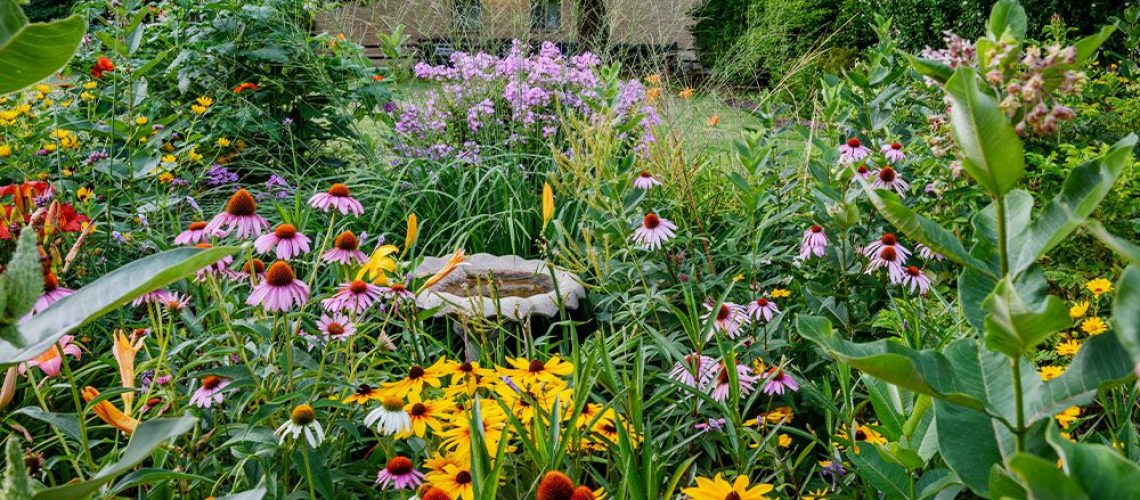
This is one of the biggest lessons from my own gardening work. I have seen native coneflowers, goldenrod, bee balm, and milkweed bring in far more life than fancy imported plants. Non-native flowers can still help, but natives tend to do the heavy lifting.
Good native choices depend on your region, but common favorites include:
• Milkweed for monarch butterflies
• Coneflower for bees and butterflies
• Black-eyed Susan for a long bloom season
• Goldenrod for late-season pollinators
• Bee balm for hummingbirds and bees
• Aster for fall nectar
• Penstemon for native bees
• Salvia for hummingbirds in warmer areas
To find the best plants for your region, check local extension resources, native plant nurseries, or regional native plant lists. The more closely your garden matches local ecology, the more useful it becomes.
Plan for Bloom All Season
A pollinator friendly garden should feed insects from early spring to late fall. If your flowers bloom all at once and then stop, the buffet ends too soon. Pollinators need a steady food source through the whole growing season.
I like to think of this as building a garden calendar. Spring bees need early blooms. Summer butterflies need steady color. Fall pollinators need one last big round of nectar before cold weather arrives.
Aim for a mix of bloom times:
• Early spring: crocus, willow, native columbine, early salvia
• Late spring: bee balm, lupine, penstemon
• Summer: coneflower, coreopsis, milkweed, zinnia, sunflowers
• Fall: goldenrod, asters, sedum, ironweed
A long bloom season also helps your garden stay attractive. When one plant fades, another steps in, so the garden never feels empty.
Offer More Than Just Flowers
Pollinators need food, but they also need shelter, nesting sites, and water. A garden with only blooms is helpful, but a garden with habitat is much better. This is where many people miss an easy win.
Different pollinators use different nesting styles. Native bees may nest in bare soil, hollow stems, or dead wood. Butterflies need host plants for caterpillars, not just nectar flowers. That means your garden should support the full life cycle, not only the adult stage.
Add these habitat features:
• Bare soil patches for ground-nesting bees
• Hollow stems and brush piles for shelter
• Small logs or wood bundles for cavity-nesting bees
• Leaf litter in some corners for overwintering insects
• Host plants like milkweed, parsley, dill, fennel, or violets for caterpillars
• Shallow water with stones for safe drinking spots
This part matters a lot. I once kept raking every leaf from a corner bed and wondered why fewer insects returned in spring. Leaving a little mess in the right places is often one of the most helpful things you can do.
Avoid Pesticides and Herbicides
If you are serious about how to build a pollinator friendly garden, pesticide use is one of the first things to rethink. Many insecticides can harm bees and butterflies directly or affect them in less obvious ways. Herbicides can also remove the flowering weeds and native plants that support pollinators.
Even products labeled as safe can be risky if used the wrong way. Spraying flowers while pollinators are active is especially harmful. The best approach is prevention and manual control when possible.
Safer practices include:
• Hand-picking pests when the problem is small
• Using row covers for young plants
• Encouraging beneficial insects like lady beetles and lacewings
• Choosing disease-resistant plants
• Tolerating a few chewed leaves instead of reacting too fast
A perfect garden is not the goal. A living garden is. A few holes in leaves are often a fair trade for a healthy ecosystem.
Add Water the Safe Way
Pollinators need water, but they can drown in deep or steep containers. A shallow water source makes your garden far more welcoming. This is one of the easiest improvements you can make.
Use a birdbath with stones, a shallow dish with pebbles, or a small recirculating fountain with landing spots. The stones give bees and butterflies a place to stand while they drink. Clean water also helps reduce disease and mosquito problems.
Simple water setup tips:
• Keep water shallow
• Add pebbles, marbles, or stones
• Refresh the water often
• Place it near flowers, but not in deep shade
• Clean containers regularly to prevent algae buildup
In hot weather, I have watched bees return again and again to a small pebble dish. It is a reminder that tiny comforts can make a big difference.
Use a Layered Planting Design
A strong pollinator garden works like a well-built community. It has different plant heights, shapes, and bloom types so more species can use it. This layered design also makes the garden look fuller and more natural.
Try to include:
• Tall plants in the back or center, such as joe-pye weed or sunflowers
• Medium plants in the middle, such as coneflower or bee balm
• Low plants along borders, such as thyme, alyssum, or wild strawberry
• Clumps of the same species for easier foraging
Layering helps pollinators find shelter, too. It gives them places to rest out of wind and heat. In practice, this makes your garden more stable and more attractive through the season.
Support Different Types of Pollinators
A pollinator friendly garden should not focus on bees alone. Bees are important, but butterflies, moths, beetles, flies, and hummingbirds also play key roles. Each one responds to different flower shapes, colors, and bloom times.
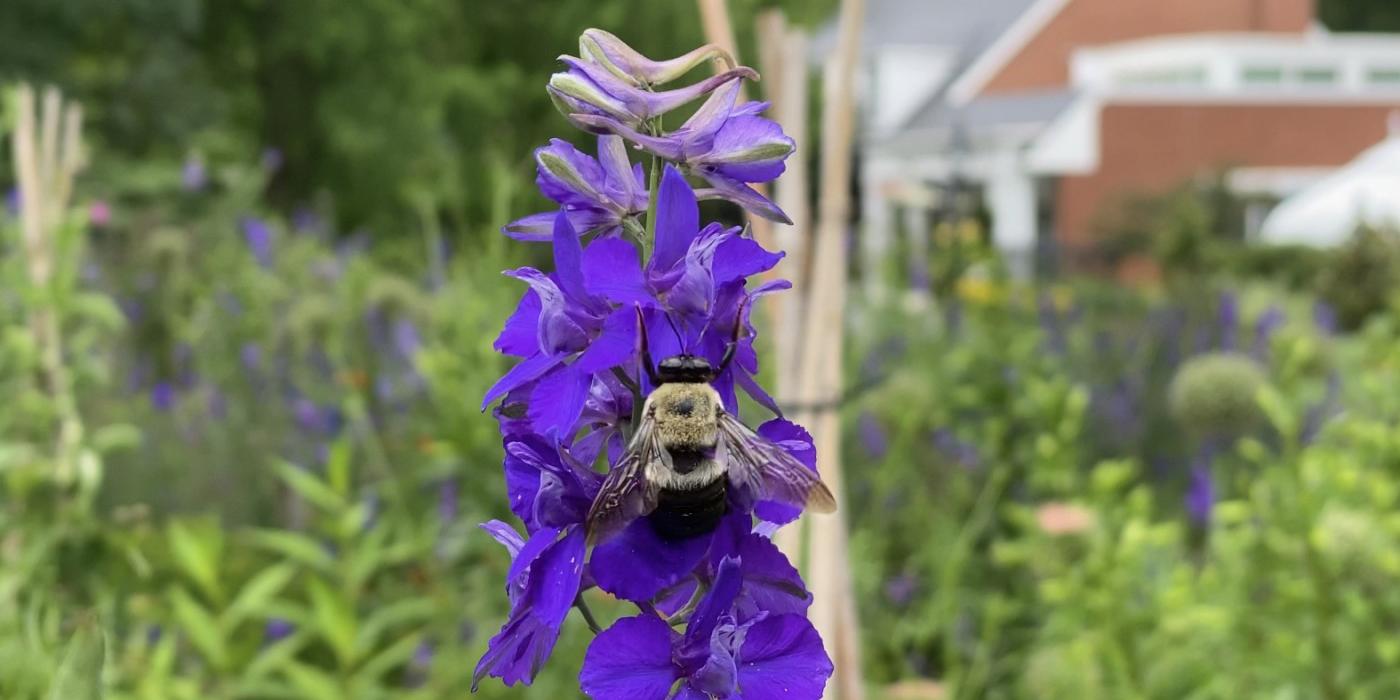
For example, bees often like blue, purple, yellow, and white flowers with easy landing spots. Butterflies prefer flat clusters they can rest on. Hummingbirds are drawn to tubular red or orange flowers with lots of nectar.
You can support a wider range of pollinators by planting:
• Flat-topped flowers like yarrow and asters for butterflies
• Tubular flowers like bee balm and cardinal flower for hummingbirds
• Small clustered blooms like dill and fennel flowers for tiny beneficial insects
• Native grasses and host plants for shelter and breeding
The more variety you offer, the more different visitors your garden can support. Diversity is the backbone of a healthy pollinator space.
Manage the Garden with Light Touches
Once your garden is growing, avoid overworking it. Pollinator habitat often improves when the gardener steps back a little. That does not mean ignoring the space. It means managing it with a light touch.
A few simple habits help a lot:
• Cut back plants in late winter instead of fall so insects can overwinter in stems
• Leave some seed heads for birds and late-season feeding
• Thin plants only when needed for health and airflow
• Mulch lightly, but do not cover every bare patch of soil
• Divide crowded perennials every few years
In my experience, the most common mistake is overcleaning. People often remove all the “mess,” then wonder why the garden feels lifeless. Nature usually needs a little room to be messy on purpose.
Best Plants for a Pollinator Friendly Garden
The best plants depend on your climate, but a strong starter list can help you plan. Look for a mix of native perennials, herbs, and flowering annuals. This gives you color, food, and flexibility.
Reliable options in many U.S. gardens include:
• Milkweed
• Coneflower
• Bee balm
• Aster
• Goldenrod
• Black-eyed Susan
• Coreopsis
• Yarrow
• Native salvias
• Lavender in suitable climates
• Dill, parsley, fennel, and cilantro for beneficial insects
• Sunflowers
• Sedum
If you want the most value, choose plants that bloom long, grow well in your soil, and are easy to maintain. Healthy plants attract more visitors than stressed ones.
Common Mistakes to Avoid
A lot of pollinator gardening advice sounds simple, but small mistakes can hold a garden back. The good news is that most of them are easy to fix once you know what to look for.
Avoid these problems:
• Planting only double-flowered ornamentals, which often hide nectar and pollen
• Using too many chemical sprays
• Choosing plants that bloom only for a short time
• Ignoring native host plants for caterpillars
• Keeping the garden too clean in fall and winter
• Placing all flowers in one tiny corner instead of spreading them out
• Using too many hardscape surfaces and not enough habitat
I have also seen people buy plants just because they were pretty at the store. Pretty is fine, but usefulness matters more here. The best gardens are both beautiful and ecologically smart.
How to Build a Pollinator Friendly Garden in Small Spaces
You do not need a big yard to make a difference. A balcony, front porch, raised bed, or patio containers can still support pollinators. Small spaces just need smarter choices.
Try this approach:
• Use large containers with native flowers
• Choose compact plant varieties
• Add herbs like thyme, oregano, basil, and dill
• Place pots where they get at least 6 hours of sun
• Mix in one shallow water dish
• Keep flowers blooming through several seasons
Even a few pots can create a stepping-stone habitat. That matters in neighborhoods where pollinators have limited food sources. Small gardens often act like rest stops on a long journey.
Seasonal Care Tips
A pollinator garden changes through the year, and your care should change with it. Spring is for planting and cleanup. Summer is for watering and light maintenance. Fall is for slowing down and letting the garden feed wildlife.
Seasonal tasks to remember:
• Spring: remove only dead material that blocks new growth
• Summer: water deeply during dry spells and deadhead selectively
• Fall: leave some stems, seed heads, and leaf litter
• Winter: resist the urge to clean everything flat
Timing matters. For example, waiting until late spring to cut stems can protect overwintering insects. This is a small habit with a big payoff.
Frequently Asked Questions
What is the easiest way to start a pollinator friendly garden?
Start by planting native flowers that bloom at different times of the year. Add a shallow water source and stop using broad pesticide sprays.
Do pollinator friendly gardens need to be all native plants?
No, but native plants should be the foundation because they support local insects best. You can mix in some non-natives if they are safe, non-invasive, and nectar-rich.
Can I build a pollinator friendly garden in containers?
Yes. Large containers with sun-loving flowers, herbs, and compact natives can support bees and butterflies. Just make sure the pots drain well and bloom through more than one season.
Should I remove all dead plants in fall?
No, not all of them. Many stems and seed heads provide shelter and winter food, so it is better to leave some structure until spring.
How do I know if my garden is helping pollinators?
You will likely see more bees, butterflies, hoverflies, and even birds visiting your flowers. The best sign is steady activity across the season, not just a one-time burst of blooms.
Conclusion
A pollinator friendly garden is built through simple, steady choices: native plants, long bloom times, safe water, shelter, and fewer chemicals. When you combine those basics, your garden becomes more than decoration. It becomes a living space that feeds wildlife and brings more movement, color, and life to your home.
Start small if you need to. Even one patch of natives or one container of flowers can make a real difference. If you are ready to dig in, pick one section of your yard this week and begin there, then keep learning as your garden grows.