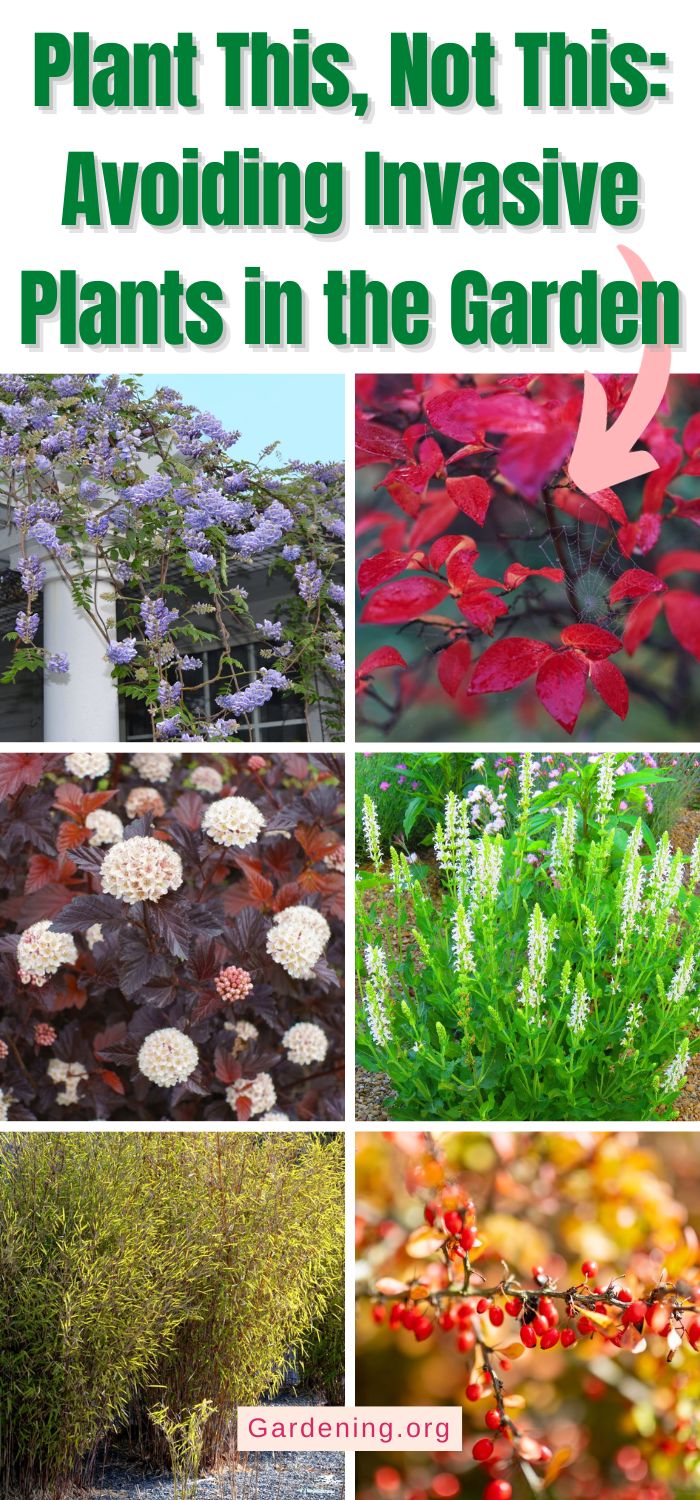
Garden invasive plant prevention starts with choosing plants that are safe for your region, checking new plants and garden materials, cleaning tools and footwear, and removing unwanted plants before they spread seeds or roots. Regular checks and early action help protect your garden and nearby natural areas.
Across the United States, gardeners face different plant risks based on climate, soil, rainfall, and local ecosystems. A plant that grows well in a Florida yard may cause problems in another part of the country. Some popular garden plants can spread into nearby forests, wetlands, roadsides, and parks. Good prevention starts before a new plant enters your yard.
Garden invasive plant prevention is not just about pulling unwanted growth. It means stopping seeds, roots, plant pieces, and other plant material from moving into new places. Gardeners can reduce these risks by checking plant lists, buying from trusted nurseries, keeping garden tools clean, and watching for new growth.
A small plant can become a large problem if it spreads for several seasons. Seeds may travel by wind, water, birds, pets, or garden tools. Some plants also spread through underground roots and stems. A simple yearly plan can help you spot these risks early and keep your garden easier to manage.
Source: lawncarelab.com
1. Understand What Makes a Plant Invasive
An invasive plant is a non-native plant that causes, or is likely to cause, harm to the environment, the economy, or human health. It can spread outside the place where people first planted it. It may then crowd out local plants, change wildlife habitat, or affect soil and water systems. The federal definition also makes clear that not every non-native plant is invasive. citeturn262295search0
A garden weed and an invasive plant are not always the same thing. A weed is simply a plant growing where someone does not want it. It may be native or non-native. An invasive plant has a wider impact because it can spread and cause harm beyond the garden. A fast-growing native plant may need control, but that does not automatically make it an invasive species.
Some invasive plants spread by seed, while others spread through roots, runners, bulbs, or small pieces of stem. A plant may also use more than one method. Understanding how a plant spreads helps you choose the right prevention steps. For example, removing seed heads will not stop a plant that spreads through underground roots.
Source: askwetandforget.com
Seed spread
Wind, birds, rain, pets, and people can move seeds away from the parent plant. Some seeds also stick to shoes, clothing, and garden equipment.
Root and runner spread
Some plants grow new shoots from underground roots, rhizomes, or surface runners. Small root pieces may grow into new plants.
Plant fragment spread
Some species can grow from broken stems or other plant pieces. Moving garden waste without checking it can spread these plants.
Water and wildlife spread
Rain, streams, birds, and other animals may carry seeds or plant pieces into new areas.
Why Early Prevention Matters
A small infestation is often easier to manage than a large one. Young plants may have shallow roots and may not have produced seeds. Removing them early can reduce the amount of future work. Once a plant spreads across a fence line or into nearby natural land, control becomes more difficult.
Some invasive plants also leave seeds in the soil. These seeds may remain inactive and grow when conditions become right. This means removing the visible plants does not always end the problem. Follow-up checks are part of successful prevention.
Act before flowering
Remove unwanted plants before they produce flowers, seed heads, or fruit.
Watch for new shoots
Look for small plants around the main growth and along nearby garden edges.
Keep records
Take photos and mark problem areas so you can check them again during the next growing season.
2. Check Local Invasive Plant Lists Before Planting
Checking local plant lists is one of the most useful ways to prevent invasive plants from entering your garden. In the United States, invasive plant risks vary by state and region. A plant may be a serious problem in one area but have a different status elsewhere. A national list alone may not provide enough detail for a local planting choice.
Start with your state department of agriculture, state natural resources agency, or local invasive species council. These groups often publish lists of invasive and noxious plants. A noxious weed is a legal category in some areas. It may have special rules about selling, moving, growing, or disposing of the plant.
County Cooperative Extension offices can also help identify plants and explain local risks. Ask about the exact plant name, including its scientific name. Common names can refer to several different plants, so they may lead to mistakes. Check whether a plant is listed for your county, state, or nearby natural habitat.
The University of California Integrated Pest Management program explains that regional plant lists need careful use. Even within one state, a plant’s risk and distribution can vary. Florida Extension also provides region-specific assessments for non-native plants. These examples show why local checks matter more than a general claim that a plant is safe everywhere. citeturn262295view0turn907616view3
Source: pinterest.com
Check the scientific name
Compare the botanical name on the plant label with the name on official invasive plant lists.
Check the location
Look for guidance that applies to your state, county, and local ecosystem.
Check legal status
Find out whether the plant is restricted, prohibited, or listed as a noxious weed.
Ask for help
Contact a local Extension office if the plant has several common names or its identity is unclear.
Where to Find Reliable Plant Information
Use government and university resources before relying on social media posts or general garden articles. The USDA National Invasive Species Information Center provides national information and species profiles. State agencies can provide more local details. Regional native plant groups may also suggest suitable alternatives.
Do not assume that a plant is safe because a nursery sells it. Some plants remain available in garden centers even when local agencies identify them as invasive. A plant label is a starting point, not proof that the plant is suitable for your area.
USDA resources
Use national information to learn about invasive species and their possible effects.
State agencies
Check state invasive plant and noxious weed lists for local rules.
Cooperative Extension
Ask for help with plant identification, local risks, and suitable replacements.
Native plant societies
Find plants that support local wildlife and fit your garden conditions.
3. Choose Native and Non-Invasive Garden Plants
Choosing suitable plants is one of the strongest ways to prevent invasive growth. Native plants are often useful choices because they naturally occur in the region where you garden. They can provide food and shelter for local wildlife. However, the best plant still depends on your local soil, sunlight, moisture, and garden space.
You can also choose non-native plants that have been checked and are not known to cause harm in your area. Non-native does not mean invasive. The key is to check the exact species and, where relevant, the specific variety before planting it.
Avoid choosing a plant only because it grows quickly or covers bare soil fast. Rapid growth may mean more pruning and more risk of unwanted spread. Look at its mature size, seed production, root behavior, and ability to grow outside the bed. A plant that fits the space is easier to maintain.
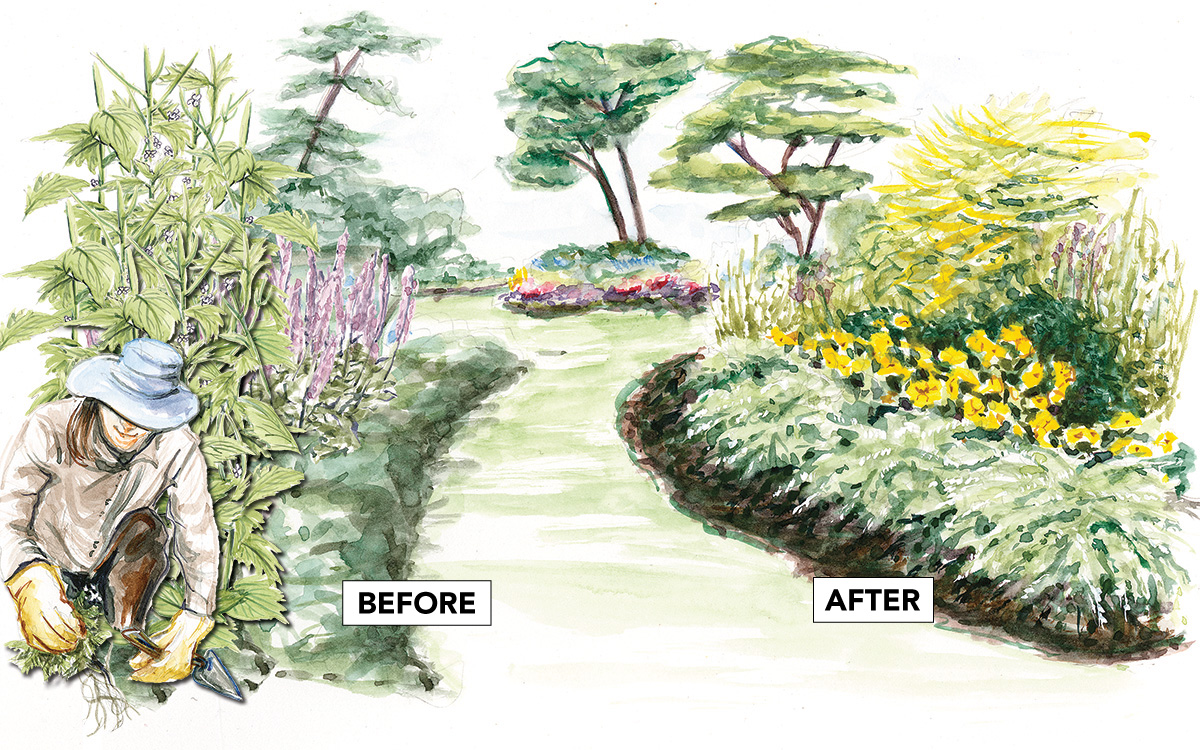
After removing an invasive plant, replace the empty space with suitable plants or a safe ground cover. Bare soil can give new unwanted seedlings room to grow. Local native plants can help fill the space while supporting the habitat around your home.
Source: gardening.org
Match plants to the site
Choose species that fit your local climate, soil type, sunlight, and water supply.
Check mature size
Avoid plants that may spread beyond the space you can manage.
Review seed production
Find out whether the plant produces berries, seed heads, or other material that can spread.
Choose suitable ground cover
Fill open soil with locally suitable plants that do not create new invasive risks.
Are Sterile Plant Varieties a Safe Alternative?
Some garden plants have sterile or low-seed varieties. These may reduce the risk of seed spread when the claims are well supported. However, a plant that produces fewer seeds may still spread through roots, runners, or broken stems.
Check the exact variety and its local status before buying it. Do not assume that a sterile label makes every plant safe. Ask the supplier for clear information about reproduction and spread.
Check the variety name
Make sure the information applies to the exact variety you plan to buy.
Check other spread methods
Find out whether roots, runners, or plant fragments can still create new plants.
Follow local guidance
Avoid a plant if local authorities advise against growing its species or variety.
Use Care With Wildflower Seed Mixes
Wildflower mixes can add color and support pollinators, but not every mix is suitable for every state. Some mixes have vague labels or contain species that are not appropriate for the local ecosystem. A packet that only says wildflowers may not give you enough information.
Choose a mix that lists the species inside it and is made for your region. Check each species against local plant guidance. Do not scatter an unknown mix along roadsides, streams, or other natural areas.
Read the full label
Look for complete plant names and information about the seed source.
Choose regional mixes
Select seeds suited to your state or local growing region.
Avoid unknown seeds
Do not plant a mix when you cannot confirm what species it contains.
4. Inspect New Plants, Soil, Mulch, and Compost
New garden materials can carry unwanted seeds, roots, plant fragments, and other organisms. A new plant may look healthy while its potting soil contains weed seeds. Mulch, compost, hay, and loose soil may also carry unwanted plant material. Check these supplies before spreading them across your garden.
Buy plants from reliable nurseries that can identify their stock. Look at the leaves, stems, roots, and soil surface. Check for small seedlings or unfamiliar growth in the pot. If you see a plant you cannot identify, ask the seller before bringing it home.
Use care when accepting plants from friends or joining plant swaps. Shared divisions can carry soil, roots, seeds, and unwanted organisms. Minnesota’s gardening guidance recommends checking shared plants, removing soil where appropriate, and taking care with materials that may carry jumping worms or weed seeds. citeturn907616view2turn114447search10
Source: gardening.org
Inspect nursery plants
Check pots and root areas for unwanted seedlings, unusual roots, and plant fragments.
Check soil and compost
Buy from reliable suppliers and avoid materials from sites known to contain invasive plants or harmful organisms.
Inspect mulch
Look for unwanted plant material before spreading mulch around beds and trees.
Use clean planting materials
Avoid moving soil, roots, or plant waste from an infested site into a clean garden.
Check hay and straw
Ask about weed-free material when using hay or straw as garden mulch.
How to Handle Plant Swaps Safely
Plant swaps can help gardeners share useful plants, but they also create a path for unwanted species to move between yards. Before accepting a division, ask for its full name and where it came from. Check whether the source garden has a known invasive plant or jumping worm problem.
Where suitable, bare-root plants can reduce the amount of soil moved between locations. Roots should be checked and cleaned with care. Do not transport unknown plant material simply because it looks like a healthy garden division.
Ask for the plant name
Get the scientific name and check its status before accepting the plant.
Check the source
Ask whether the original garden has invasive plants or known soil pests.
Inspect the roots
Look for unwanted roots, seedlings, and other plant material.
Use clean containers
Keep accepted plants away from contaminated soil and garden waste.
5. Prevent Invasive Plants From Escaping the Garden
Even a plant that is already growing in your garden can spread into nearby land. Seeds may move beyond fences, while roots and runners can grow under garden borders. Birds may eat berries and carry seeds to new places. Rainwater can also move seeds and plant pieces toward drains, ditches, and streams.
The best response is to stop reproduction and spread before it happens. If a plant is known to be invasive in your area, do not rely on pruning alone as a long-term solution. Check local advice about removing it and replacing it with a safer plant.
For plants that are not invasive but spread more than you want, regular pruning and suitable garden borders may help. Root barriers can limit some plants, but they do not work for every species. A barrier should not be treated as proof that an invasive plant is safe to grow.
Source: finegardening.com
Remove seed heads early
Cut and collect flower heads before mature seeds can spread. Follow local disposal guidance for the plant material.
Watch fruit and berries
Check plants that produce berries or other fruit that birds and animals may carry away.
Check runners and roots
Look around bed edges, paths, fences, and nearby lawn areas for new shoots.
Protect waterways
Keep risky plant material away from storm drains, streams, ponds, and ditches.
Do not share invasive plants
Avoid giving away seeds, roots, divisions, or cuttings from plants known to be invasive.
Keep Garden Borders Under Control
Garden borders help you see where plants are growing and make unwanted spread easier to spot. Keep the edges of beds clear enough to inspect. Remove new shoots before they become large patches. Pay extra attention to areas near property lines and natural land.
If your garden borders a woodland, wetland, stream, or park, use extra care. Plants near these places may have an easy path into natural habitat. Ask the land manager or local Extension office for advice if you find a suspected invasive plant spreading beyond your yard.
Inspect fence lines
Look for seedlings and runners that may be moving into a neighbor’s property.
Check drainage areas
Watch for plant material collecting near drains and low spots.
Maintain bed edges
Keep borders clear so new shoots are easy to see.
6. Clean Garden Tools, Boots, Clothes, and Pets
Seeds and plant fragments can travel on everyday garden equipment. Mud on a shovel may contain seeds or small pieces of roots. Seeds can also stick to gloves, boot soles, clothing, mower parts, and garden carts. Cleaning these items helps stop unwanted plants from moving between yards.
Make cleaning part of your normal garden routine. It is especially useful after working near an invasive plant patch or visiting a park, trail, or natural area. Clean equipment before using it in a different part of the garden or taking it to another property.
The U.S. Department of the Interior recommends cleaning and inspecting equipment, clothing, footwear, and personal gear to prevent the movement of invasive material. USDA APHIS also advises cleaning boots, animals, and outdoor equipment after contact with areas where invasive plants may grow. citeturn907616view5turn262295view3
Clean hand tools
Remove soil, roots, seeds, and plant pieces from shovels, pruners, hoes, and other tools.
Check footwear
Brush seeds from boot soles, laces, and tread before leaving an infested area.
Inspect clothing
Look for seeds stuck to socks, pants, gloves, and outdoor clothing.
Check pets
Brush seeds and plant pieces from fur and paws after walks near invasive growth.
Clean larger equipment
Inspect mower decks, wheels, carts, trailers, and vehicle tires for soil and plant debris.
A Simple Garden Tool Cleaning Routine
First, remove loose plant material and soil from the tool. Use a brush or scraper to clean areas where seeds and roots may be trapped. Check joints, wheels, blades, and other hard-to-reach places. Collect the removed material instead of brushing it onto clean soil.
If you work with a known invasive plant, clean the tool before moving to another garden area. Use suitable cleaning methods for the tool and plant risk. Dry metal tools after washing to reduce rust. Follow any special cleaning guidance for plants that can spread through small fragments.
Remove visible debris
Brush away soil, seeds, and plant pieces.
Inspect hidden areas
Check tool joints, mower decks, wheel treads, and equipment edges.
Collect waste
Keep removed material contained until you know the correct disposal method.
Check again
Make sure no visible seeds or plant pieces remain before using the equipment elsewhere.
7. Monitor Your Garden and Find New Growth Early
Regular garden checks help you find unwanted plants before they become established. A short walk around the yard can reveal seedlings, new shoots, and plants growing in places where they do not belong. Check more often during active growth and after heavy rain, soil disturbance, or nearby landscaping work.
Do not wait until a plant has covered a large area. A young plant may be easier to identify and remove than a mature one. Early action also reduces the chance of seed production. If you are not sure what a plant is, take a clear photo and ask a local Extension office before removing it.
A simple garden map can make this work easier. Mark areas where unwanted plants appeared and note when they were removed. This helps you spot repeat growth and plan follow-up checks. Some plants may return for several growing seasons, even after the main plants have been removed.
Check garden beds
Look between flowers, shrubs, vegetables, and ground cover for unfamiliar seedlings.
Inspect property edges
Watch fences, driveways, paths, and areas next to natural land.
Check disturbed soil
Look for new growth after digging, construction, mowing, or garden bed changes.
Watch after rain
Inspect low areas where water may carry seeds or plant pieces.
Record repeat growth
Use photos and simple notes to track problem plants over time.
A Practical Seasonal Monitoring Plan
In spring, check for new seedlings and unwanted growth as plants begin to emerge. During summer, watch for flowering, seed heads, and spreading runners. In fall, check for mature seeds and new growth around the edges of beds. During winter, review your garden notes and plan safer plant choices for the next season.
The timing will vary by climate and plant type. Warm regions may have active growth for much of the year, while colder areas may have a shorter growing season. Use local plant guidance to decide when a specific species is easiest to identify and manage.
Spring
Look for seedlings and new shoots before they become established.
Summer
Check flowers, berries, seed heads, and spreading stems.
Fall
Remove risky seed material and inspect areas where plants may have spread.
Winter
Review garden records and prepare a prevention plan for the next growing season.
Signs That Your Prevention Plan Is Working
A successful plan should make unwanted plant growth easier to spot and manage. You should see fewer new seedlings in checked areas and less plant material moving beyond garden beds. Clean tools and careful plant purchases should also reduce the chance of bringing new problems into the yard.
Fewer new seedlings
Previously affected areas show less unwanted growth over time.
No new seed spread
Problem plants are not producing or releasing seeds in the garden.
Clean planting materials
New plants and garden supplies are checked before use.
Better garden records
You know where problem plants appeared and which areas need follow-up.
8. Remove and Dispose of Invasive Plants Safely
If an invasive plant is already growing in your garden, identify it before choosing a removal method. Different species need different approaches. Some can be pulled by hand, while others may regrow from small root pieces or stem fragments. Removing the visible top growth without dealing with the source may not solve the problem.
For a small plant with shallow roots, hand removal may be suitable when local guidance supports it. For plants with deep roots, spreading rhizomes, or tough stems, a planned method may be needed. Avoid digging without knowing how the plant spreads. Soil disturbance can expose buried seeds or leave root pieces behind.
Protect yourself during removal. Wear suitable gloves, sturdy shoes, and eye protection when needed. Some plants have sharp parts, irritating sap, or other hazards. Do not handle an unknown plant with bare hands. If the plant is hazardous, widespread, or difficult to identify, contact a qualified local professional or Extension office.
Source: finegardening.com
Identify the plant
Confirm the species and check local removal advice before cutting, pulling, or digging.
Choose the right method
Consider whether the plant spreads by seed, roots, runners, or fragments.
Protect yourself
Use suitable clothing and protective gear for the plant and removal task.
Prevent further spread
Keep roots, seeds, berries, and cuttings contained during removal.
Check for regrowth
Return to the area and remove new growth according to the species-specific plan.
How to Dispose of Invasive Plant Waste
Disposal is a key part of invasive plant prevention. Seeds, berries, roots, and stem pieces may remain able to grow after removal. Do not assume that a pulled plant is dead or safe to place in a compost pile. Some plant material may spread when it is moved or left on the ground.
The correct disposal method depends on the plant and local waste rules. Some local programs accept certain plant waste, while others require bagging and landfill disposal. Portland’s invasive plant guidance advises against placing invasive plant material in compost or ordinary yard debris. UF/IFAS also recommends bagging plant debris to prevent unwanted spread. Follow the stricter species-specific or local instructions when they apply. citeturn907616view4turn262295view1
Do not spread waste
Never dump invasive plants, roots, seeds, or cuttings in parks, woods, roadsides, streams, or vacant land.
Use secure bags
Contain reproductive material and plant pieces so they cannot escape during transport.
Check local waste rules
Ask your local waste service or Extension office whether the plant belongs in landfill trash or an approved disposal program.
Clean the work area
Collect loose seeds, roots, and plant fragments after the main plant has been removed.
Clean your tools
Remove soil and plant pieces before using tools in another part of the garden.
When to Ask for Professional Help
Get professional advice when the plant covers a large area, grows near a waterway, has dangerous sap or thorns, or returns after repeated removal. A local invasive plant specialist can help identify the species and select a suitable control plan. This can prevent wasted effort and reduce the risk of spreading the plant during removal.
Herbicides may be considered for some difficult plants, but they are not the first answer for every garden problem. Use only products labeled for the site and target plant. Follow all label directions and local rules. Avoid spraying near desirable plants, water, or sensitive areas unless the label and local guidance allow it.
Large infestations
Seek help when the plant covers more ground than you can safely manage.
Hazardous plants
Avoid direct contact with plants that may cause burns, skin reactions, or other injury.
Waterway locations
Get advice before removing plants near ponds, wetlands, streams, or drainage channels.
Repeated regrowth
Ask for a new control plan if the plant returns after several removal attempts.
9. Common Garden Invasive Plant Prevention Mistakes
Many invasive plant problems begin with small mistakes. A gardener may buy a plant without checking its name, share roots with a neighbor, or place pulled plants in an open compost pile. These actions may seem harmless, but they can move seeds and plant pieces into new areas.
The best way to avoid these problems is to use the same checks each time you buy plants, work in the garden, or remove unwanted growth. Do not rely on appearance alone. A plant can look attractive and still cause harm outside the garden.
Assuming all non-native plants are invasive
This is incorrect. Check the exact species and its local status rather than judging by origin alone.
Assuming nursery plants are always safe
Retail availability does not prove that a plant is suitable for your local ecosystem.
Using unknown seed mixes
A mix without a full species list may introduce plants that are not suitable for your region.
Leaving pulled plants on bare soil
Some seeds, roots, and stems may survive and grow again.
Adding risky plants to compost
Some plant parts may survive ordinary composting and spread later.
Ignoring garden edges
Plants often spread beyond beds before gardeners notice the problem.
Stopping after one removal
Some plants return from roots or seeds that remain in the soil.
Moving dirty tools between yards
Soil and plant debris can carry unwanted seeds and fragments to clean areas.
A Simple Prevention Checklist
Use this checklist before planting, after garden work, and during regular yard inspections. It covers the main ways invasive plants enter and spread through home landscapes.
Before planting
Check the species name, regional status, mature size, and spread method.
Before buying materials
Inspect new plants, soil, mulch, compost, and seed mixes.
After garden work
Clean tools, gloves, shoes, carts, and equipment.
During the growing season
Look for new seedlings, runners, flowers, and seed heads.
After removal
Contain plant waste and follow the correct local disposal rules.
At the end of the season
Review your garden map and plan any needed follow-up work.
10. Build a Long-Term Garden Prevention Plan
A good prevention plan should fit the size of your garden and the plants that grow there. You do not need complex tools or costly supplies to begin. A plant list, a few clear photos, clean garden tools, and regular checks can make a useful difference.
Start by listing the plants already in your yard. Check any that you cannot identify or that spread beyond their planting area. Next, review the materials you bring into the garden. Make a simple schedule for checking beds, borders, and nearby natural areas.
Keep the plan flexible. A new invasive plant may appear after nearby construction, flooding, landscaping, or changes in garden materials. If you find a new problem, identify it and check local advice. Then update your plan to reduce the chance of another introduction.
Create a plant list
Record the names of trees, shrubs, flowers, vines, and ground covers in your garden.
Mark problem areas
Use a simple map to record where invasive plants have appeared.
Set inspection times
Schedule short checks during the growing season and after major garden work.
Plan safe replacements
Keep a list of suitable native and non-invasive plants for future planting.
Review each year
Check local plant guidance again because species status and recommendations may change.
A Simple Example for a Home Garden
Imagine a homeowner in the southeastern United States who wants to replace an overgrown ornamental shrub. Before buying a new plant, the homeowner checks the state invasive plant list and asks the county Extension office for suitable replacements. The new plant is chosen for the yard’s sunlight, soil, and water conditions.
Before planting, the homeowner checks the pot for unwanted seedlings and inspects the root area. The old shrub is removed using the recommended local method. Its waste is bagged and disposed of according to local guidance. The empty space is then planted with suitable alternatives.
During the next growing season, the homeowner checks the bed for new shoots and cleans tools after each garden session. This simple plan addresses plant selection, incoming materials, removal, and follow-up. It also helps prevent the same problem from returning.
Main lesson
Safe plant selection and careful follow-up work together. Neither step is enough on its own.
Useful habit
Check plants before they enter the garden, then check the garden after they are planted.
Frequently Asked Questions
Q
What is the best way to prevent invasive plants in a garden?
The best approach is to stop invasive plants before they become established. Check local invasive plant lists before buying new plants. Choose native or verified non-invasive species, inspect incoming soil and mulch, and keep garden tools clean.
Also, check your garden often. Remove unwanted plants before they produce seeds or spread through roots. Dispose of risky plant material according to local guidance.
Q
Are all non-native garden plants invasive?
No. A non-native plant is simply a plant that does not naturally occur in a particular area. An invasive plant is a non-native species that causes or is likely to cause environmental, economic, or health harm.
Many non-native garden plants do not become invasive. Check the exact species and its status in your state or local area before planting.
Q
Can invasive plants spread from garden compost?
Yes, some invasive plants can spread when their seeds, roots, or stems survive in compost. Ordinary home compost may not reach the conditions needed to kill all unwanted plant material.
Do not place invasive plant waste in your compost unless local species-specific guidance confirms that the method is safe. Use the approved disposal method for your area.
Q
How often should I check my garden for invasive plants?
Check your garden regularly during the growing season. Monthly checks can provide a useful starting point, but some plants may need closer attention during flowering or seed production.
Also inspect the garden after heavy rain, soil disturbance, nearby landscaping, or the arrival of new plants and materials. Pay close attention to property edges and areas near natural habitats.
Q
Should I use herbicides to prevent invasive plants?
Herbicides are not needed for every invasive plant problem. Hand removal and other physical methods may work for small or young plants when the species and site allow them.
Some difficult plants may need a targeted treatment. Use only products labeled for the intended site and plant, follow every label direction, and seek qualified help when the plant is hazardous or near sensitive areas.
✦ Wrapping Up
Conclusion
Garden invasive plant prevention starts with careful choices and regular attention. Check local plant lists, choose suitable plants, inspect new garden materials, and clean tools after use. These small habits can reduce the risk of unwanted plants spreading into your yard and nearby natural areas.
If an invasive plant appears, identify it before removal and follow the correct local control and disposal guidance. Keep checking the area because some plants can return from seeds or roots. A steady plan is more useful than a single cleanup.
💡 Key Takeaway
Start today by checking the names of the plants already growing in your garden. Compare them with your state invasive plant list, identify any unknown species, and create a simple monthly inspection plan. Choose safe replacements before adding new plants.