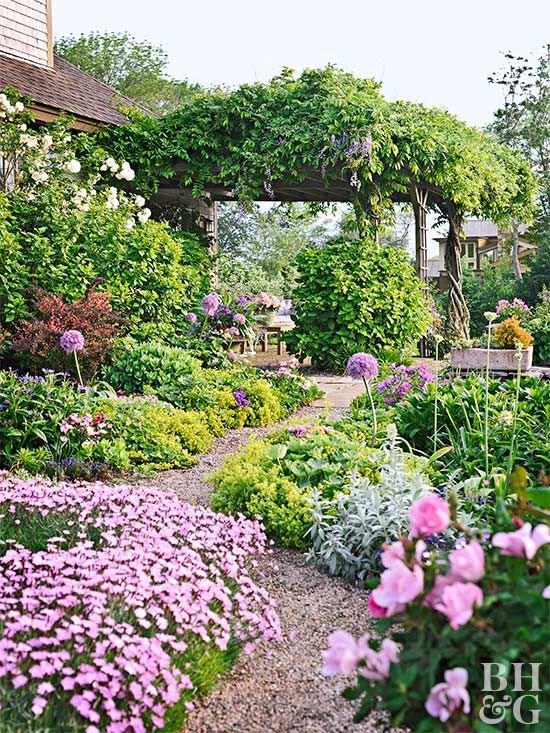
A cut flower garden grows best with sun, rich soil, steady water, and flowers you can keep harvesting.
If you want fresh bouquets from your own yard, learning how to grow a cut flower garden is one of the most rewarding garden projects you can start. I’ve found that the best results come from treating the garden like a little flower factory: plan for long stems, repeated blooms, and easy picking, then give each plant the right space and care from the start.
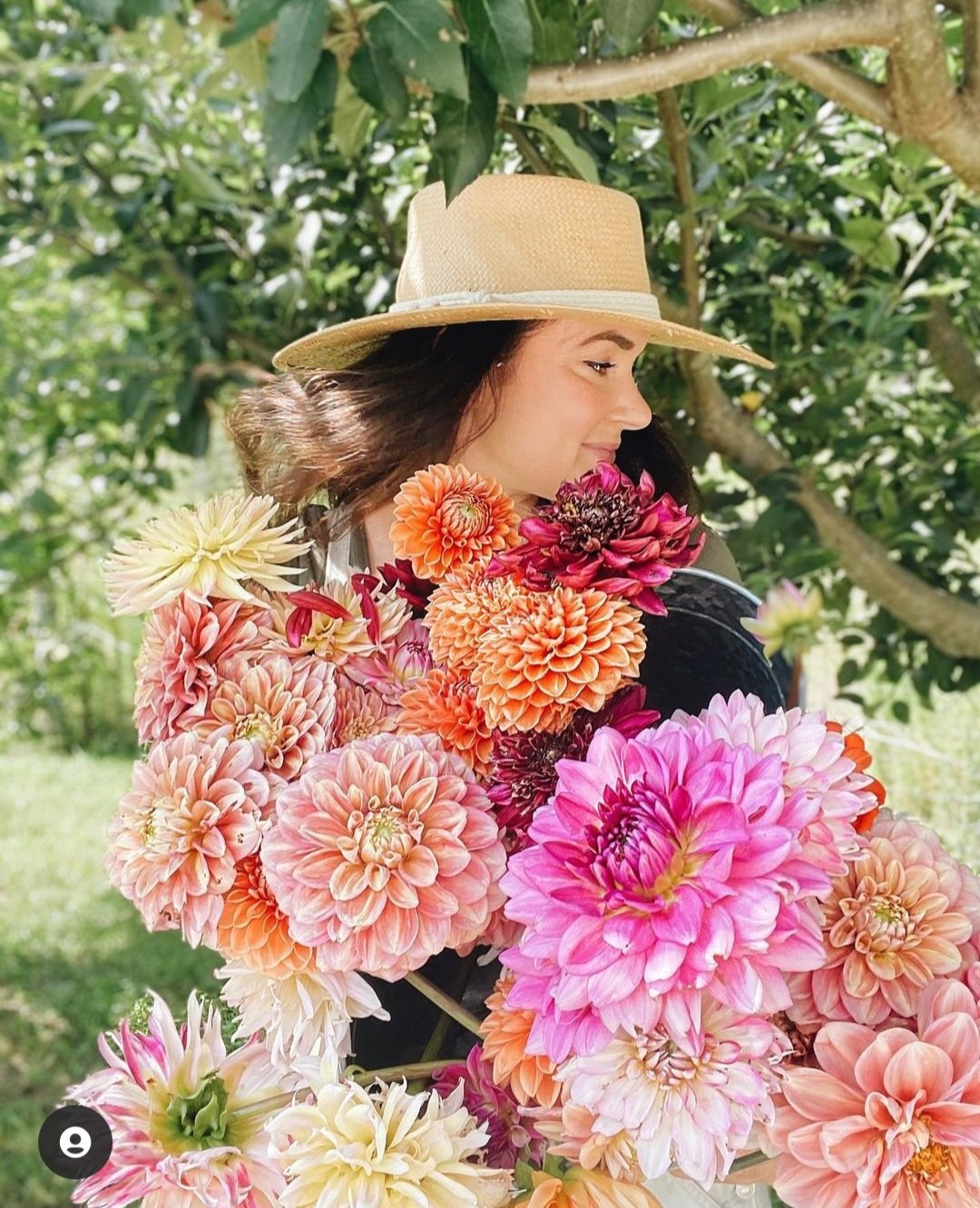
What a cut flower garden is and why it works
A cut flower garden is a space planted mainly for flowers you can cut and bring indoors. It is different from a landscape bed, where the main goal is curb appeal. In a cut flower garden, the goal is long stems, healthy blooms, and flowers that keep producing.
The best part is how practical it feels. You are not just growing flowers for looks. You are growing flowers for vases, gifts, events, and simple joy on the kitchen table. That is why learning how to grow a cut flower garden is really about learning how to grow flowers with purpose.
A good cut flower garden usually includes a mix of:
• Annuals that bloom fast, like zinnias and cosmos
• Perennials that return each year, like peonies and coneflowers
• Bulbs and corms, like tulips and dahlias
• Filler plants, like basil, feverfew, and ammi
From experience, I can say that beginners do best when they start small. A 4 by 8 foot bed can produce a surprising number of stems if you choose the right plants and keep cutting often.

Choose the right site for strong stems and healthy blooms
Sunlight is the engine of a cut flower garden. Most popular cutting flowers need at least 6 to 8 hours of direct sun each day. Less sun usually means weaker stems, fewer flowers, and plants that stretch too much.
Look for a spot with:
• Full sun
• Good air flow
• Easy access to water
• Soil that drains well
• Room to walk and harvest without stepping on roots
I learned early that convenience matters. If the bed is hard to reach, you stop cutting as often. When flowers are easy to harvest, the whole garden stays cleaner and more productive.
Try to avoid low spots where water pools after rain. Many cut flowers dislike wet roots, and soggy soil can lead to rot and disease. If your yard is shady, you can still grow some flowers, but your choices will be narrower and bloom production may be lower.
Build healthy soil before planting
Soil is the foundation of a productive cut flower garden. Rich, loose soil helps roots spread, hold moisture, and feed the plant for strong flower production. Most flowers do best in soil that is fertile but not overly heavy.
Before planting, test your soil if you can. A basic soil test helps you understand pH, nutrient levels, and whether you need lime, compost, or other amendments. For many flowers, a slightly acidic to neutral pH works well, often around 6.0 to 7.0.
To prepare the bed:
• Remove weeds and old roots
• Add 2 to 4 inches of compost
• Mix in organic matter to improve structure
• Break up compacted soil
• Rake the surface smooth
In my own garden, adding compost made a bigger difference than any fancy product. The flowers grew sturdier, watered less often, and produced longer stems. Good soil is like a full pantry for your plants.
Pick flowers that are easy to cut and keep blooming
The smartest way to grow a cut flower garden is to choose varieties that match your climate and your skill level. Start with flowers that are known for long stems, repeat blooming, and easy care.
Great beginner flowers include:
• Zinnias
• Cosmos
• Sunflowers
• Sweet peas
• Snapdragons
• Celosia
• Marigolds
• Dill and basil for airy filler
If you want a more advanced garden, you can add:
• Dahlias
• Roses
• Peonies
• Ranunculus
• Tulips
• Scabiosa
• Lisianthus
A strong cut flower garden usually blends early, middle, and late bloomers. That way you are not left with all your flowers at once and then nothing for weeks. Think of it like building a playlist instead of playing one song on repeat.
When choosing plants, pay attention to:
• Stem length
• Vase life
• Bloom season
• Whether the plant is heat-loving or cool-season
• Whether it needs staking
Plan your layout for easy harvesting
Good layout saves time and prevents damage. Rows are often easier for beginners because they make planting, watering, and picking simpler. Wide beds also work well if you can reach the center without stepping in the soil.
A simple layout might include:
• Tall flowers in the back
• Medium-height flowers in the middle
• Shorter flowers in the front
• Filler plants along edges or between rows
Spacing matters more than many new gardeners realize. Crowded flowers may look full at first, but they compete for light and air. That can lead to smaller blooms and more disease.
I once packed zinnias too tightly because I wanted “more flowers.” I got more leaves, more mildew, and fewer usable stems. Since then, I’ve learned that space is not wasted land. It is part of the harvest plan.
Start seeds, transplants, or both
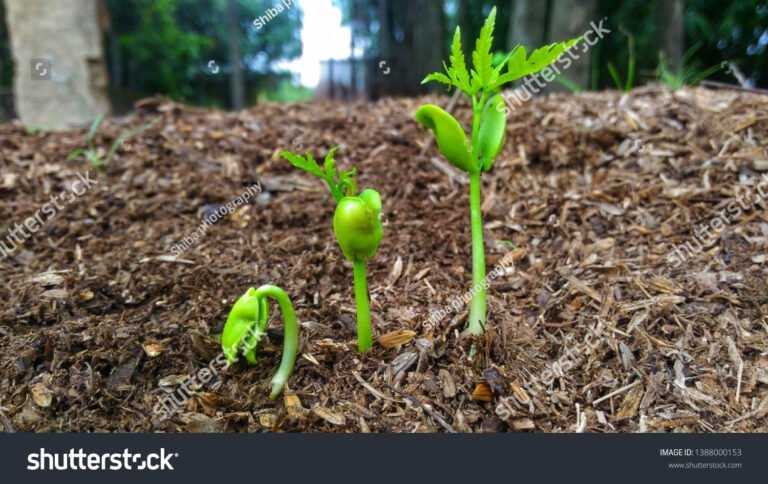
You can grow a cut flower garden from seeds, transplants, bulbs, tubers, or corms. The best method depends on the flower and how early you want blooms.
Seed starts work well for:
• Zinnias
• Cosmos
• Sunflowers
• Amaranth
• Nigella
• Bachelor’s buttons
Transplants are useful for:
• Snapdragons
• Lisianthus
• Stock
• Some perennials
Bulbs, corms, and tubers are great for:
• Dahlias
• Tulips
• Ranunculus
• Anemones
Starting seeds indoors can give you earlier flowers and a longer season. Just remember to harden off seedlings before moving them outside. That means slowly introducing them to outdoor light, wind, and temperature so they do not get shocked.
If you are new to how to grow a cut flower garden, do not try to start everything indoors at once. A few easy annuals plus a couple of store-bought transplants is often the happiest path.
Water deeply and keep a steady rhythm
Cut flowers need consistent moisture, especially while they are getting established. Deep watering encourages strong roots, which later support better stems and bigger blooms. Shallow watering leads to weak roots and stressed plants.
A simple watering routine:
• Water newly planted flowers often until they establish
• Water deeply once or twice a week, depending on rain and heat
• Check soil moisture with your finger before watering
• Water early in the day if possible
Drip irrigation and soaker hoses work especially well in a cut flower garden. They keep leaves drier, which can help reduce disease. Overhead watering is fine in a pinch, but wet foliage for long periods can invite problems.
A helpful rule I use is this: the top inch of soil can dry a bit, but the root zone should not stay bone dry. Flowers are resilient, but they do not love drama.
Feed plants the right way
Flowers need nutrients to make long stems and repeated blooms. At the same time, too much fertilizer can cause soft growth and fewer flowers. The goal is balanced feeding, not forcing growth.
Use:
• Compost at planting time
• A balanced fertilizer if your soil test suggests it
• A light side-dressing during active growth
• Slow-release nutrition for long-season plants
Some plants, like dahlias and zinnias, respond well to regular feeding. Others may produce too much leaf growth if nitrogen is too high. More green is not always better when you want flowers for cutting.
I like to think of fertilizer as coffee, not candy. A little helps the day go well, but too much can make the whole plant twitchy.
Harvest flowers at the right stage
Timing is one of the most important parts of learning how to grow a cut flower garden. Cut too early and some flowers may not open properly. Cut too late and they may wilt faster in the vase.
General harvest tips:
• Cut in the cool morning or evening
• Use clean, sharp snips
• Put stems in water right away
• Remove leaves that would sit below the water line
• Recut stems before arranging them
Different flowers have different best stages:
• Zinnias are best when fully open or just before full bloom
• Sunflowers are best when petals begin to lift
• Roses are best when buds are soft and just starting to open
• Dahlias are best when flowers are fully open
Regular cutting actually helps many flowers produce more. It works like telling the plant, “Keep going, you still have work to do.” That is one reason how to grow a cut flower garden is so satisfying: the more you harvest, the more some plants give back.
Support tall plants and pinch for better blooms
Many cut flowers grow too tall or too heavy to stand on their own. Staking, netting, and supports keep stems straight and usable for bouquets. Without support, wind and rain can bend or break stems before harvest.
Helpful support methods include:
• Flower netting across rows
• Bamboo stakes
• Twine cages
• Individual stem supports for larger flowers
Pinching is another useful technique. It means removing the top growing tip when the plant is young. This encourages branching and often gives you more stems later.
Flowers that often benefit from pinching:
• Zinnias
• Cosmos
• Basil used as filler
• Snapdragons
• Celosia
I used to skip pinching because it felt like losing a bloom. But the plants that were pinched early almost always gave me more stems later. That small delay often pays off with a much fuller harvest.
Manage pests and diseases before they spread
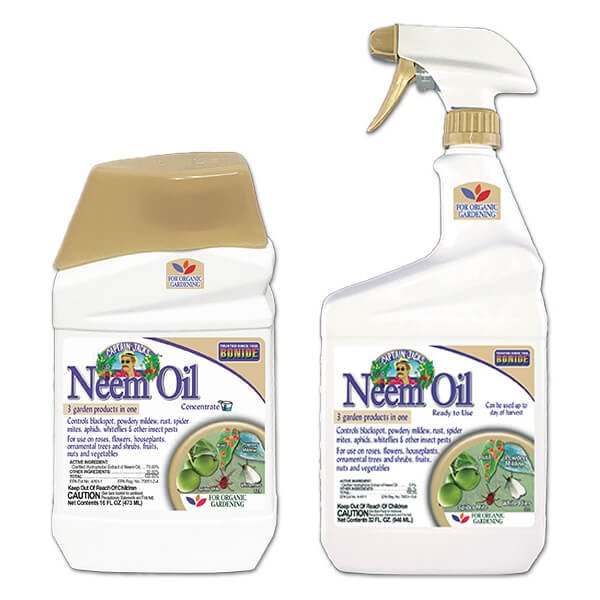
Healthy flowers still run into trouble sometimes. Aphids, thrips, powdery mildew, spider mites, and fungal spots are common in cut flower gardens. The key is catching problems early.
Smart prevention steps:
• Space plants well for airflow
• Water at the soil line
• Remove diseased leaves quickly
• Rotate crops each year if possible
• Watch new growth for pests
• Clean tools between cuts
Integrated pest management is the most reliable approach. That means using a mix of prevention, monitoring, and targeted treatment only when needed. Many university extension programs recommend this method because it reduces damage without overusing chemicals.
I have found that weekly checks save a lot of trouble. It takes only a few minutes to inspect stems, leaves, and buds, but it can stop a minor issue from turning into a whole-bed problem.
Extend your bloom season with smart succession planting
A successful cut flower garden is not just about spring color. It should keep producing from early season to frost if your climate allows it. Succession planting helps you do that.
You can:
• Sow fast annuals every 2 to 3 weeks
• Mix early, mid, and late bloomers
• Replant open spaces after harvest
• Add cool-season flowers for spring and fall
This is one of the biggest lessons I learned after my first year. My first planting was beautiful for a few weeks, then suddenly the garden looked done. Once I started sowing in stages, I had a much longer harvest window and fewer gaps.
Think of the garden like a relay race. When one flower finishes, another should be ready to take the baton.
How to grow a cut flower garden in small spaces
You do not need a huge yard to grow flowers for cutting. Raised beds, patio containers, and narrow side yards can all work. The trick is to choose compact varieties and grow vertically where possible.
Good choices for small spaces:
• Dwarf sunflowers
• Compact zinnias
• Patio dahlias
• Snapdragons
• Herbs for filler
• Sweet peas on a trellis
For containers, use:
• Large pots with drainage holes
• Quality potting mix
• Regular feeding
• More frequent watering than in-ground beds
Container flowers dry out faster, so they need close attention. But if space is tight, even a few pots can give you enough stems for small bouquets.
Common mistakes to avoid
Learning how to grow a cut flower garden often means learning what not to do. Most mistakes are easy to fix once you see them clearly.
Common problems include:
• Planting in too much shade
• Skipping soil prep
• Crowding plants too closely
• Underwatering during hot weather
• Cutting too late or too early
• Choosing flowers that do not suit the season
• Forgetting to deadhead or harvest often
One mistake I made early on was choosing flowers just because they looked pretty in a catalog. Some were beautiful in theory but poor for cutting in my climate. Local conditions matter more than a glossy photo.
Best practices for long-lasting bouquets
The garden is only half the job. The way you handle flowers after cutting affects vase life too. Fresh, clean stems can last far longer indoors.
For better vase life:
• Cut flowers early in the day
• Use a clean bucket of water
• Strip leaves below the water line
• Recut stems at an angle
• Keep arrangements out of direct sun
• Change water every couple of days
Some flowers naturally last longer than others. Zinnias, celosia, and sunflowers are often reliable, while some delicate blooms need more careful handling. Knowing which flowers last best helps you build bouquets that stay beautiful.
Frequently Asked Questions
What is the easiest flower to grow for cutting?
Zinnias are one of the easiest flowers for beginners. They grow fast, bloom heavily, and give you lots of stems for the vase.
How much sun does a cut flower garden need?
Most cut flowers need 6 to 8 hours of direct sun each day. Full sun helps plants make stronger stems and more blooms.
Can I grow a cut flower garden in pots?
Yes, many flowers do well in pots if the containers are large enough and drain well. Choose compact varieties and water more often than you would in the ground.
How often should I cut flowers from the garden?
Cut often, usually every few days during peak bloom. Regular harvesting encourages many plants to keep producing new flowers.
What flowers are best for beginners?
Zinnias, cosmos, sunflowers, marigolds, and snapdragons are excellent beginner choices. They are fairly forgiving and give you a steady supply of blooms.
Conclusion
Learning how to grow a cut flower garden is really about building a simple system that keeps giving back. When you choose the right site, improve the soil, pick dependable flowers, and harvest often, the garden becomes both beautiful and useful.
Start small, stay consistent, and let the garden teach you as you go. If you are ready to begin, pick three easy flowers this season and try them out. Then come back, refine your plan, and watch your bouquets get better every year.