Rain gauges measure rainfall; soil moisture meters measure water in the ground for roots.
I’ve worked with gardens, farms, and weather stations for years. I’ll walk you through rain gauge vs soil moisture meter with clear, practical advice. You’ll learn what each tool does, when to use it, how to pick one, and mistakes I made so you don’t repeat them. This guide blends hands-on experience, simple science, and real examples so you can make the best choice for your plants or project.

What is a rain gauge vs soil moisture meter?
A rain gauge is a device that captures and measures rainfall volume. It tells you how much water fell over a set time. Farmers, gardeners, and weather fans use it to track precipitation and plan irrigation.
A soil moisture meter measures how wet the soil is near plant roots. It reads water content or tension in the soil. Gardeners use it to decide if plants need water now or can wait.
Key differences between rain gauge vs soil moisture meter:
- Rain gauge measures rainfall above ground.
- Soil moisture meter measures water inside the soil.
- Rainfall data helps plan irrigation schedules over time.
- Soil moisture helps decide immediate watering for specific plants.
How each device works
Rain gauge
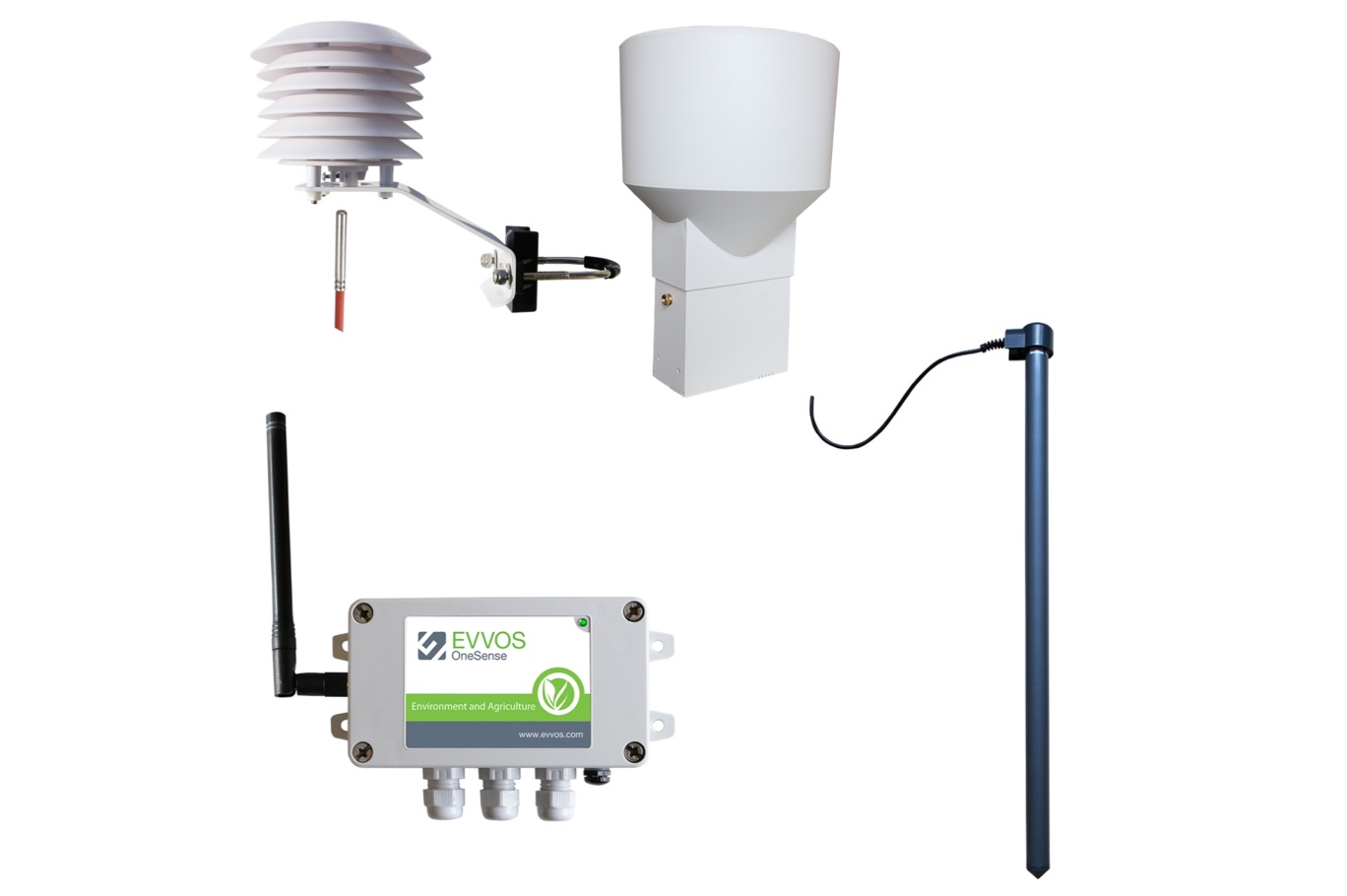
- A funnel directs water into a calibrated cylinder or tipping bucket.
- Manual gauges need you to read the scale after a storm.
- Automated gauges can log data digitally and report totals.
Soil moisture meter
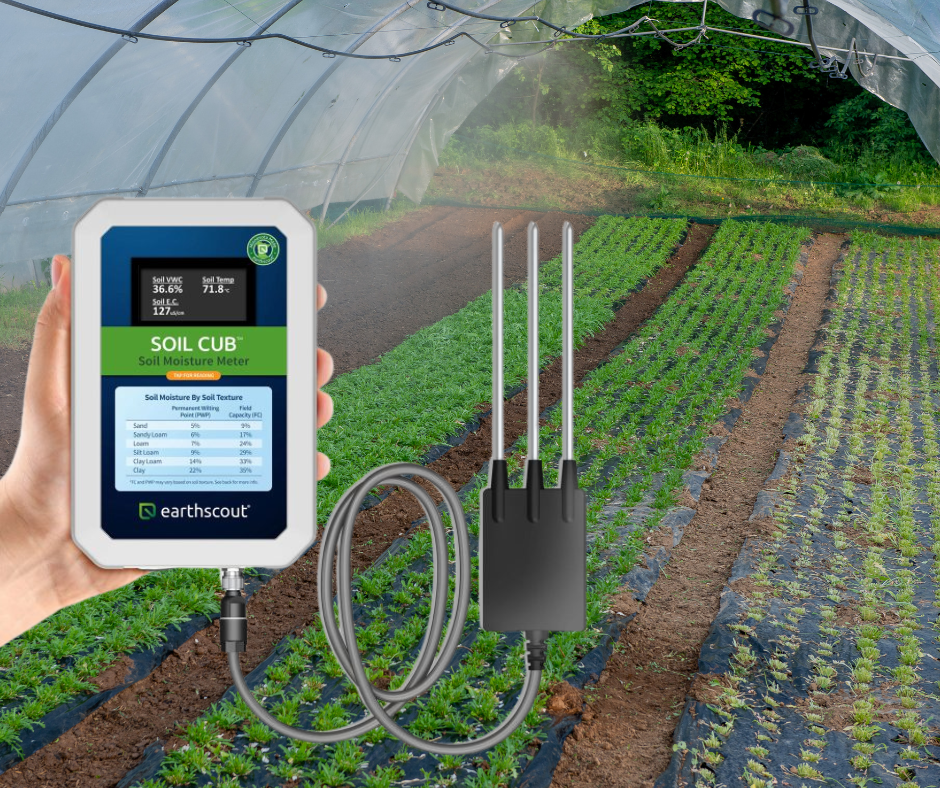
- There are two main sensor types: resistance/voltage probes and dielectric sensors.
- Probes read electrical resistance or dielectric constant to estimate moisture.
- Some smart meters report volumetric water content and link to apps.
How this matters for rain gauge vs soil moisture meter:
- A rain gauge shows supply from the sky. It does not show what the roots feel.
- A soil moisture meter shows the actual water available to plants. It does not measure how much rain fell nearby.
Benefits and limitations
Rain gauge advantages
- Simple and cheap to install.
- Provides accurate rainfall totals for a fixed point.
- Good for tracking long-term patterns.
Rain gauge limitations
- Does not show soil wetness or root-zone conditions.
- Placement affects accuracy; wind and roof runoff can skew results.
Soil moisture meter advantages
- Gives instant, site-specific data for plant care.
- Helps prevent overwatering and drought stress.
- Some models are inexpensive and easy to use.
Soil moisture meter limitations
- Probe readings vary with soil type and depth.
- Cheap meters can be inconsistent; periodic calibration helps.
- They don’t tell you how much rain fell, only the result in soil.
Practical takeaway for rain gauge vs soil moisture meter:
- Use a rain gauge to understand rainfall trends.
- Use a soil moisture meter to water plants correctly today.
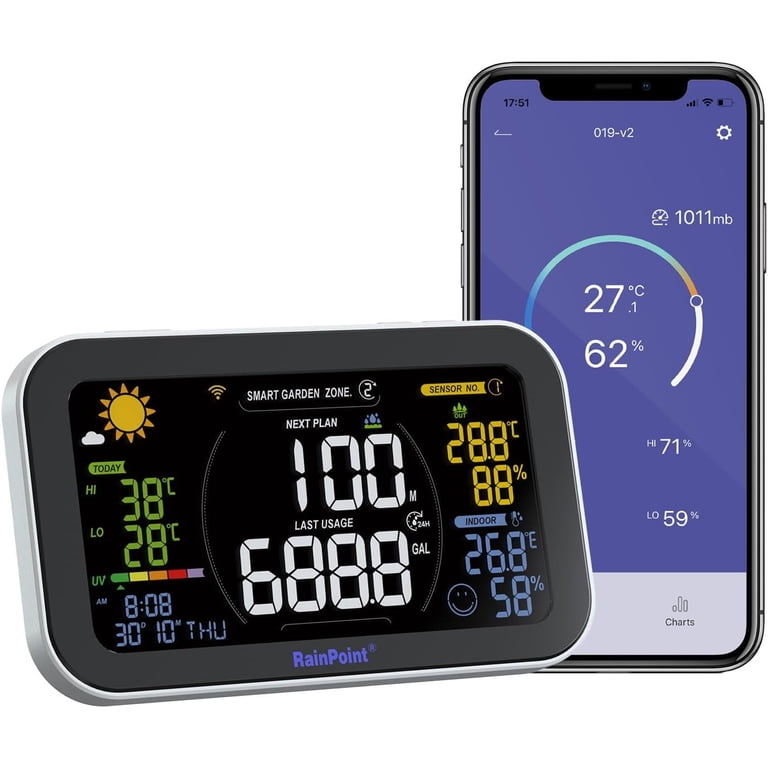
When to choose a rain gauge vs soil moisture meter
Choose a rain gauge if:
- You manage irrigation across a field or yard.
- You need data on total rainfall for records.
- You want to know if natural rain met watering needs.
Choose a soil moisture meter if:
- You care about plant health in specific beds or pots.
- You grow sensitive crops that suffer from overwatering.
- You want immediate feedback before watering.
Combine both when:
- You track weather and also manage plant-level watering.
- You want to adjust irrigation after heavy rain but also check root wetness.
- You run a small farm or large garden and need both macro and micro data.
Example scenarios
- A vegetable grower uses a rain gauge to set irrigation timers and soil moisture meters to check bed dryness.
- A homeowner uses a soil moisture meter to avoid watering newly planted shrubs and a rain gauge to monitor seasonal rainfall.

Buying, placement, and maintenance tips
Buying tips
- Ask: Do I need exact rainfall totals or spot moisture checks? This guides your buy.
- For rain gauge, choose tipping-bucket or graduated cylinder types for accuracy.
- For soil moisture meter, favor dielectric models if you want consistent, quantitative reads.
Placement tips
- Put a rain gauge in an open area away from roofs, trees, and wind barriers.
- Install soil probes at root depth for the plants you care about. For annuals, aim 4–8 inches deep. For shrubs, go deeper.
- Place multiple soil meters across different beds for varied soil types.
Maintenance tips
- Empty and clean rain gauges regularly to avoid debris and algae.
- Rinse probes and avoid corrosion on soil meters. Store electronic units dry.
- Recalibrate meters yearly if the manufacturer suggests it.

Practical examples and mistakes to avoid
Real-life example 1
- I once relied only on a rain gauge for a raised bed. Rain totals looked fine, but compacted soil stayed dry. A soil moisture meter would have revealed the problem sooner.
Real-life example 2
- I installed a cheap probe in clay soil and got erratic readings. Upgrading to a dielectric meter and placing it at root depth fixed the mystery.
Common mistakes
- Assuming rain gauge readings apply across uneven terrain.
- Watering by calendar instead of checking soil moisture.
- Ignoring probe depth; topsoil can dry even after heavy rain soaked deeper layers.
Quick tips I learned
- Use both tools when possible. They answer different questions.
- Check soil at multiple depths before deciding to water.
- Track rain totals after storms and then confirm root wetness with a probe.

Frequently Asked Questions of rain gauge vs soil moisture meter
How often should I check a soil moisture meter?
Check daily during heat waves or after irrigation. Otherwise, check every few days to keep plants healthy.
Can a rain gauge replace a soil moisture meter?
No. A rain gauge shows how much rain fell. It does not reveal how wet the root zone is after drainage and evaporation.
Where should I place a rain gauge for best accuracy?
Place it in an open spot away from roofs and trees, at least two feet above the ground. Avoid wind obstructions and sloped surfaces.
Are all soil moisture meters accurate in all soils?
No. Accuracy varies by sensor type and soil texture. Calibrate or choose a dielectric sensor for better consistency across soils.
Can smart systems use both rain gauge and soil moisture meter data?
Yes. Many smart controllers accept both inputs to optimize irrigation and reduce water use. Combining data helps automated systems decide when to water.
Will a soil moisture meter tell me when to water my lawn?
It can help. Use probes at root depth for accurate readings. Check moisture after rain and before scheduled watering.
Do I need more than one rain gauge for a property?
Large or varied properties benefit from more than one gauge. Rainfall can vary across short distances, so multiple gauges improve accuracy.
Conclusion
You now have a clear, practical view of rain gauge vs soil moisture meter. Rain gauges measure how much water falls from the sky. Soil moisture meters tell you what roots actually experience. Use a rain gauge for rainfall trends and irrigation planning. Use a soil moisture meter for day-to-day watering and plant health. If possible, pair both tools for the best results.
Take action: pick the right device for your needs, place it well, and test it. Try both tools for one season and compare readings. Share your results or questions below to keep learning—and subscribe or follow for more hands-on tips.