Self watering pots provide steady moisture and save time, while regular pots give more control and fewer root-rot risks.
I’ve spent years growing houseplants, balcony veggies, and container herbs, testing both self watering pots vs regular pots across seasons and climates. This article breaks down how each system works, the pros and cons, and clear scenarios where self watering pots vs regular pots make sense. You’ll get practical tips, maintenance steps, cost comparisons, and real-life lessons so you can choose the best option for your plants and lifestyle.
What are self watering pots vs regular pots?
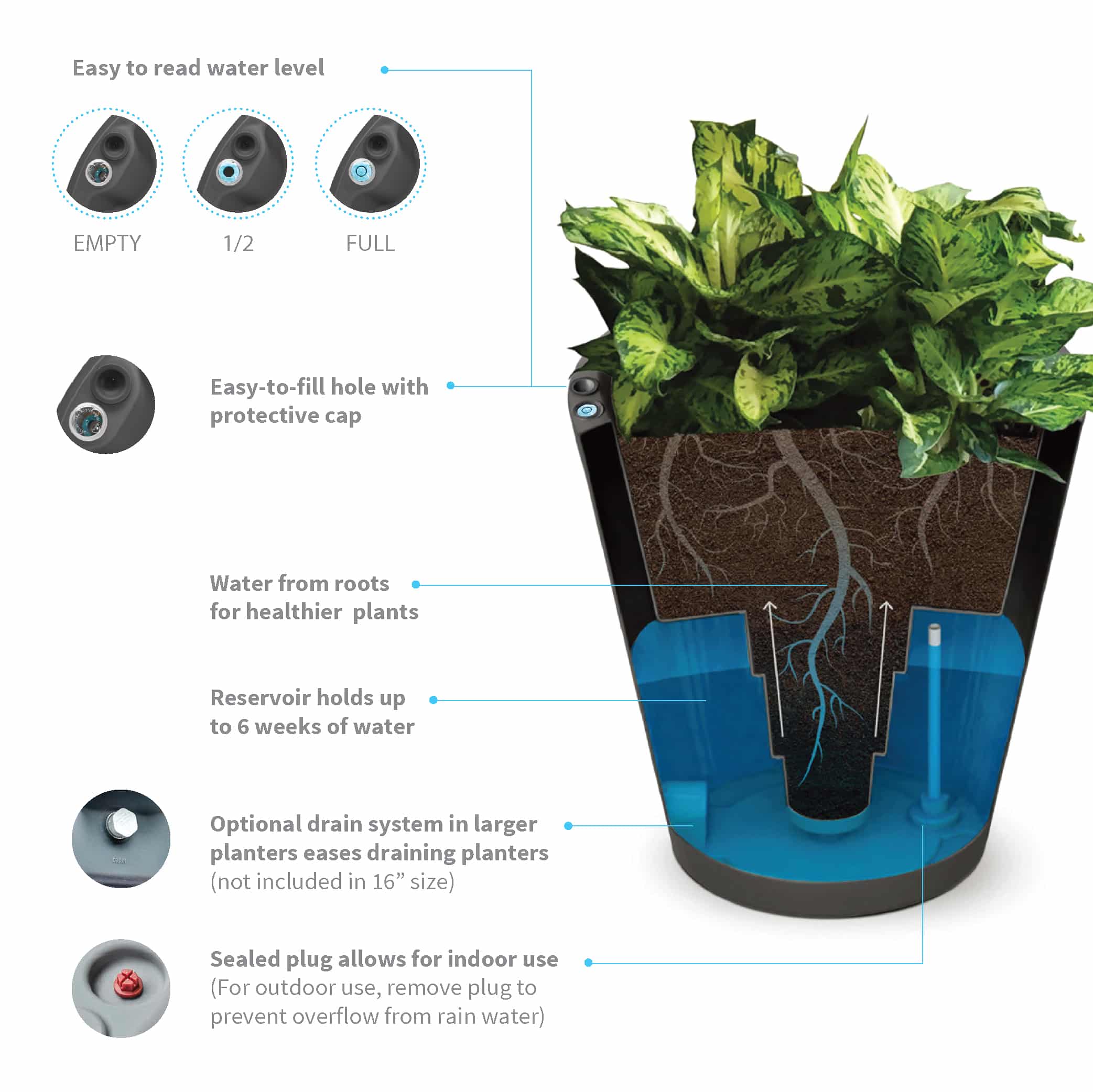
Self watering pots use a built-in reservoir that feeds water to the soil through a wick or capillary system. They keep the soil evenly moist for longer. This lowers the need for daily watering.
Regular pots are the classic containers with drainage holes. You water from the top and let excess drain out. They give you full control of wet and dry cycles.
Understanding how these two work helps you match the pot to the plant. Self watering pots vs regular pots differ mainly in water delivery, soil choice, and how roots behave.

Key differences at a glance
Here are the main ways self watering pots vs regular pots differ.
- Water delivery. Self watering pots feed from below. Regular pots receive water from above.
- Moisture consistency. Self watering pots keep steady moisture. Regular pots dry and rewet more often.
- Root behavior. Self watering pots encourage roots to seek the reservoir. Regular pots promote surface root growth.
- Maintenance. Self watering pots need reservoir checks and occasional flushing. Regular pots need more frequent watering but simpler cleaning.
- Plant suitability. Self watering pots suit thirstier plants. Regular pots suit plants that like dry periods.
Will self watering pots cause root rot?
Self watering pots can increase root-rot risk if you use heavy, poorly draining soil or choose plants that need dry cycles. Use airy potting mixes and monitor moisture to reduce risk.
Do regular pots waste more water?
Regular pots can waste water through runoff, but simple changes like slow watering and using mulch reduce waste. Self watering pots often save water long-term by reducing evaporation.
Benefits of self watering pots vs regular pots
Self watering pots shine in several situations. Here’s why many gardeners prefer them.
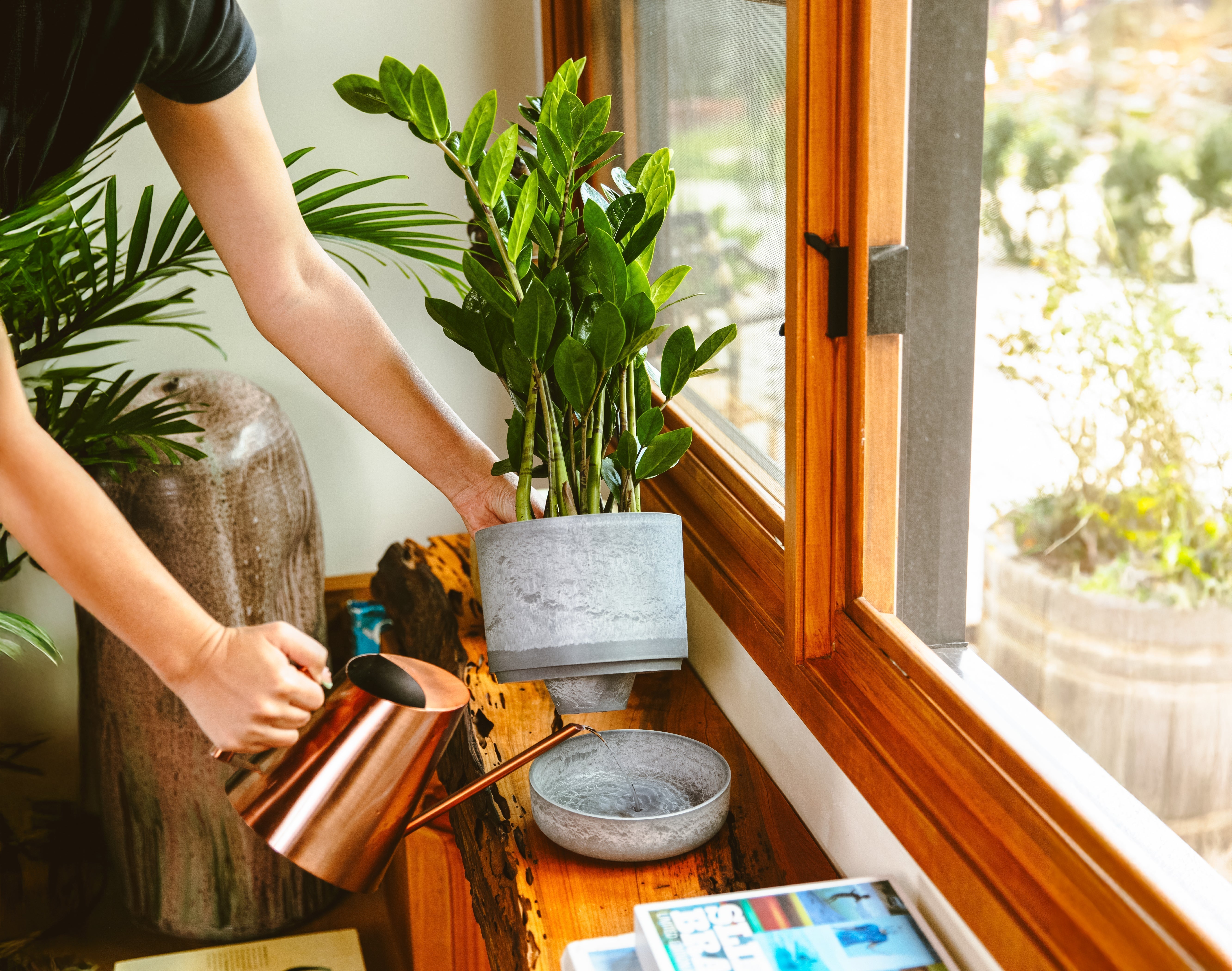
- Less frequent watering. A filled reservoir can keep plants watered for days or weeks. This is great for travel or busy weeks.
- Stable moisture. Many plants respond well to steady moisture with less stress.
- Water savings. Reservoir systems let water be used more efficiently. Evaporation reduces.
- Better for seedlings and young plants. Consistent moisture helps fast root growth and even germination.
- Cleaner indoor use. Reservoirs reduce spills and drainage mess.
From my experience, a mini herb garden in self watering pots survived a three-day trip with no drop in growth. The basil stayed turgid and the soil stayed evenly damp. That kind of reliability is hard to match with regular pots.

Limitations and drawbacks of self watering pots vs regular pots
Self watering pots are not perfect. They have trade-offs when compared to regular pots.
- Salt buildup in soil. Minerals from fertilizers can accumulate in the root zone over time.
- Less oxygen near roots. Constant moisture can lower oxygen and stress certain plants.
- Not ideal for drought-tolerant species. Succulents and many Mediterranean plants prefer dry cycles.
- Higher upfront cost. Quality self watering pots cost more than basic regular pots.
- Potential for algae or mosquito issues. Reservoirs that sit unused can attract pests if not maintained.
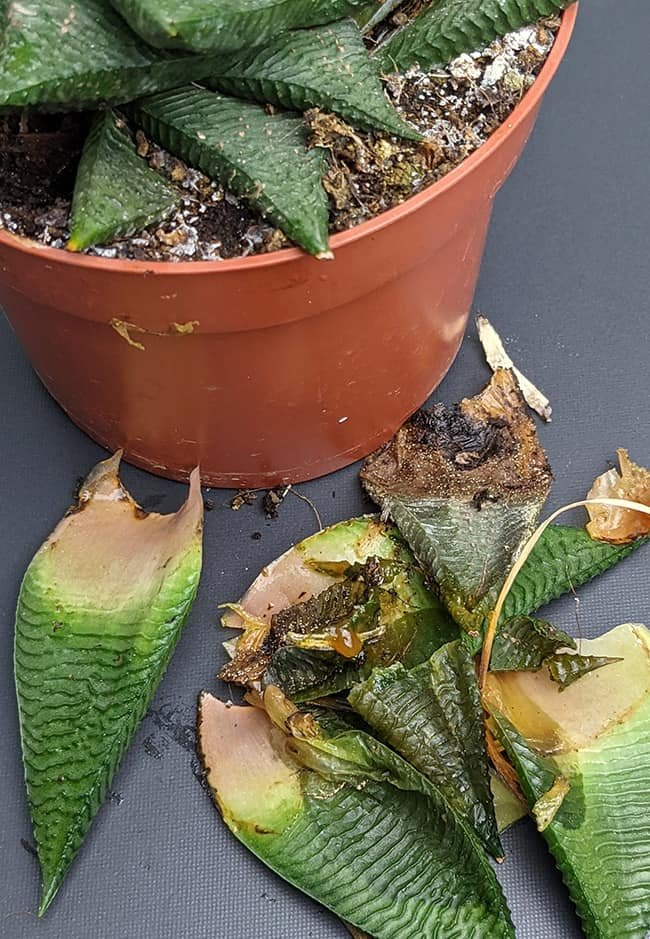
I once left a large self watering planter unflushed for a season. Salt buildup made the leaves look scorched. Flushing the reservoir and repotting fixed the issue. That taught me to schedule periodic maintenance.

When to choose self watering pots vs regular pots
Use this quick checklist to decide.
Choose self watering pots when:
- You travel often or forget to water.
- You grow thirst-loving herbs, vegetables, or tropicals.
- You want consistent moisture for seed starting.
- You have indoor spaces where spilled drainage would be a problem.
Choose regular pots when:
- You grow succulents, cacti, or plants that need dry cycles.
- You want low-cost, easy-to-change containers.
- You prefer to control exact watering amounts and frequency.
- You are growing plants that need well-aerated soil.
Example scenarios:
- Balcony tomatoes: self watering pots can reduce heat stress and fruit drop.
- Lavender and rosemary: regular pots with quick-draining mix are better.
- Mixed houseplant collection: combine both systems to match species needs.
My rule of thumb: match the pot system to the plant’s natural habitat. That simple step solved many problems I had early on with overwatering.

How to use and maintain each type
Practical steps help avoid common issues with self watering pots vs regular pots.
Self watering pots — setup and care:
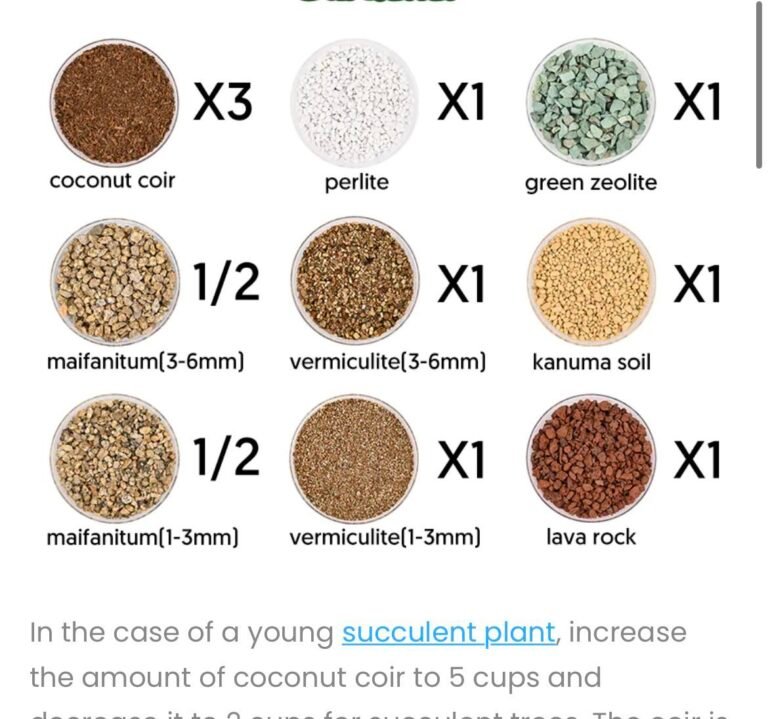
- Use a light, airy potting mix with perlite or pumice.
- Fill the reservoir with water and a diluted feed when needed.
- Check the reservoir weekly and refill before it runs dry.
- Flush the soil and reservoir every 3–6 months to remove salts.
- Watch roots: if the plant becomes rootbound, repot to prevent stagnation.
Regular pots — setup and care:
- Choose a pot with drainage holes and a matching saucer if indoors.
- Use plant-specific potting mix for drainage needs.
- Water thoroughly, then let the top inch of soil dry before next watering.
- Avoid letting the pot sit in standing water for long periods.
- Repot every 12–18 months or when rootbound.
Simple habit: stick a finger an inch into the soil to check moisture. It’s still the best quick test I use when switching between self watering pots vs regular pots.

Best plants for each system
Some plants clearly benefit from one system over the other.
Great for self watering pots:
- Basil, mint, parsley
- Lettuce, spinach, other leafy greens
- Peace lily, calathea, philodendron
- Young vegetable seedlings
Best for regular pots:
- Succulents and cacti
- Lavender, rosemary, thyme
- Many orchids require more air around roots
- Plants that need dry-rest periods
If you mix systems, label pots. In my small greenhouse I mark pots so I don’t accidentally overwater succulents in self watering containers. That small step saved several plants.
Cost comparison and environmental impact
Cost and footprint matter for home gardeners. Here’s a clear view.
- Upfront cost. Self watering pots cost more than basic regular pots. Price rises with size and brand quality.
- Long-term savings. You may save water and reduce plant losses, offsetting initial cost.
- Environmental impact. Self watering pots can conserve water over time. Regular pots may waste water by runoff, but most gardeners can reduce waste with smarter watering.
- Material choice. Look for recyclable or durable materials to lower environmental cost for either type.
I tracked water use for a season and found a 20–30% drop in usage with reservoirs on my patio during summer. That mattered in hot months.

DIY tips and buying advice
Whether you buy or build, a few tips improve results with self watering pots vs regular pots.
Buying tips:
- Choose the right size. Bigger pots hold more water and reduce watering frequency.
- Look for a clear reservoir indicator to see water level.
- Pick sturdy materials to avoid cracks and UV damage.
DIY ideas:
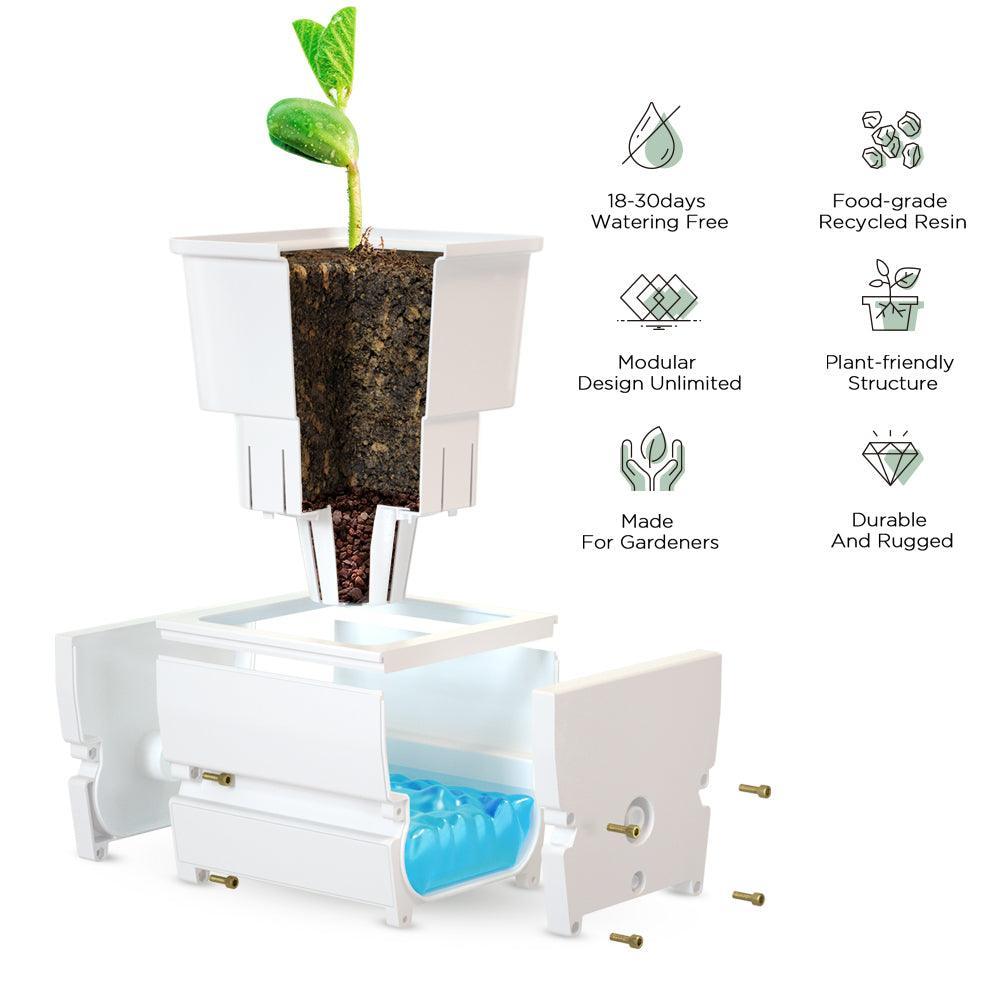
- Convert regular pots using a wick and a bottom reservoir.
- Use a simple double-pot method: an inner pot with drainage sits inside an outer pot that holds water.
- Use coarse filler like gravel below the soil to reduce direct contact between roots and the reservoir.
Practical note: if you DIY a reservoir, add an overflow hole to prevent overfilling. My DIY herb planter worked well until a small overflow hole kept it safe during heavy rains.
Troubleshooting common problems
Quick fixes for typical issues with self watering pots vs regular pots.
- Yellow leaves in self watering pots. Check for overwatering and improve soil aeration. Flush salts if fertilizer buildup is suspected.
- Stunted growth in regular pots. Ensure the plant gets enough water and nutrients. Repot if rootbound.
- Algae or smell in the reservoir. Clean and scrub the reservoir and refill with fresh water. Add a small cap of hydrogen peroxide in severe cases.
- Uneven watering. Use a moisture meter or move the pot to a more stable environment.
Small checks every week prevent most problems, especially when you run multiple pot types.
Frequently Asked Questions of self watering pots vs regular pots
What exactly is a self watering pot?
A self watering pot has a built-in water reservoir that supplies moisture to the soil through capillary action or a wick. It reduces how often you must water from the top.
Can I use regular potting soil in a self watering pot?
You can, but a lighter mix with perlite or coir works best to improve drainage and wick action. Heavy soils may stay too wet and increase root-rot risk.
Are self watering pots good for indoor plants?
Yes, they are great for many indoor plants because they provide steady moisture and reduce spills. Monitor plants that prefer drying between waterings.
How often should I refill a self watering pot reservoir?
Refill frequency depends on plant size, pot size, and climate; many reservoirs last days to weeks. Check weekly to prevent full drying.
Will self watering pots save water?
Often they do, because water is delivered directly to the root zone and evaporation is reduced. Proper use and maintenance are key to savings.
Can I convert a regular pot into a self watering pot?
Yes, with a wick or by using an inner and outer pot to create a reservoir. Make sure the design allows air exchange and an overflow for safety.
What plants should never go in a self watering pot?
Many succulents, cacti, and plants that need long dry spells do poorly in self watering pots. They prefer fast-draining regular pots.
Conclusion
Choosing between self watering pots vs regular pots comes down to plant needs, your routine, and where you grow. Self watering pots deliver steady moisture, save time, and reduce spills. Regular pots give full control, better drying cycles, and suit drought-tolerant species. Use the decision checklist, match soil to the system, and schedule simple maintenance to avoid common pitfalls.
Try a mixed approach: use self watering pots for thirsty herbs and veggies, and regular pots for succulents and Mediterranean plants. Test one or two containers first. Share your results, subscribe for more plant tips, or leave a comment about your experience with self watering pots vs regular pots.