Raised beds give more soil control and higher yields, while containers shine for portability and tiny spaces.
I have spent years building beds and filling pots, so I know what works and why. This article compares Raised Bed vs Container Gardening step by step. You will get clear guidance on which method fits your space, budget, plants, and goals. I blend hands-on experience with practical tips to help you decide and succeed quickly.
Overview: What is Raised Bed vs Container Gardening?
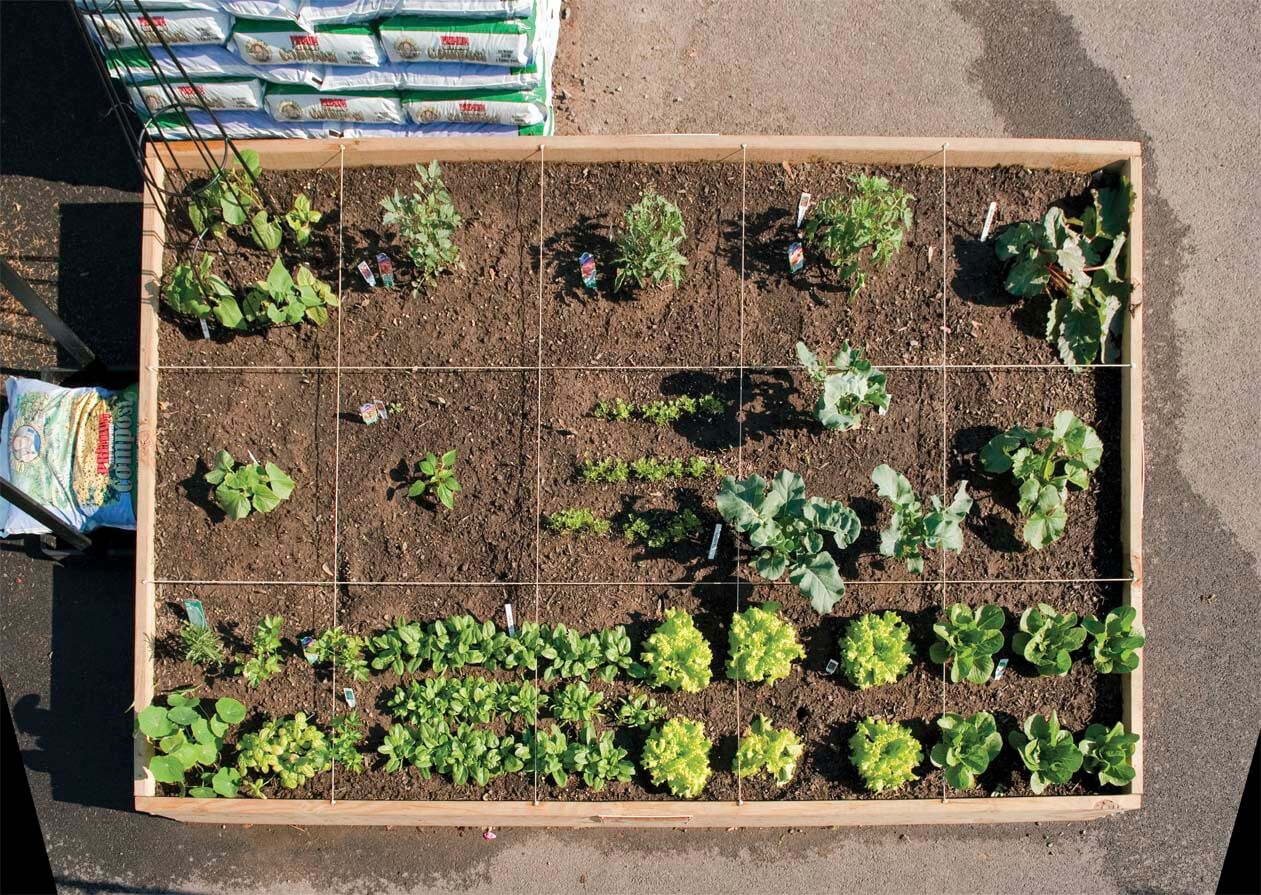
Raised bed gardening uses framed plots filled with soil above the ground. Raised beds are often wood, stone, or metal boxes. They can be large or modular. They give deep soil and stable root zones.
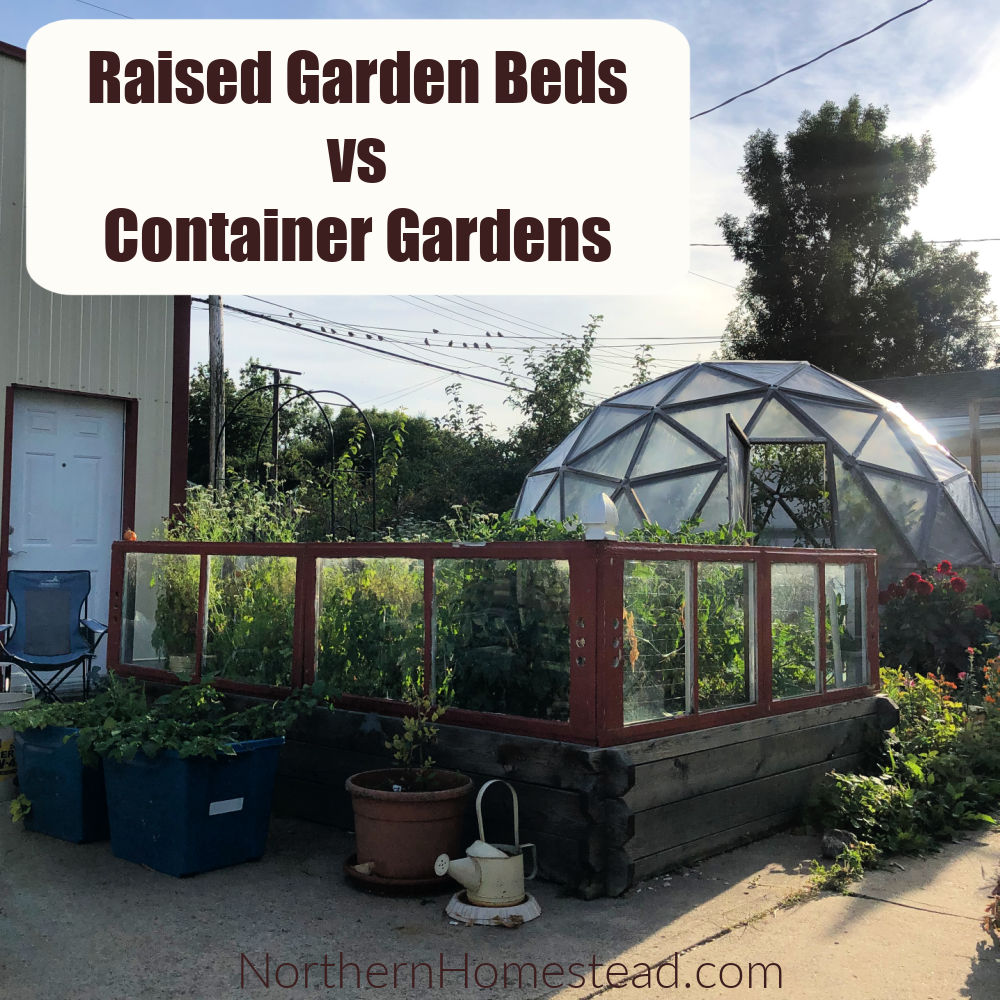
Container gardening grows plants in pots, troughs, or grow bags. Containers vary in size from small pots to large barrels. They work on patios, balconies, and rooftops. Containers let you move plants to sun or shade.
Raised Bed vs Container Gardening focuses on how each approach handles soil, water, space, and plant choice. Both methods reduce bending and can improve yield. Choosing the right one depends on your site, time, and plants.
Pros and Cons: Comparing Raised Bed vs Container Gardening
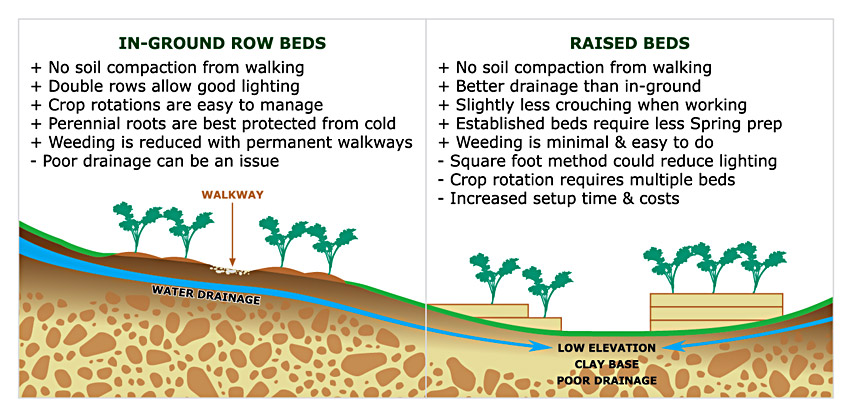
Raised Bed vs Container Gardening offers clear trade-offs. Here are the main pros and cons.
Pros of raised beds
- Better soil depth and structure. Good for root crops.
- Higher yield per square foot. Easier to plant intensively.
- Improved drainage and warmer soil in spring.
- Easier to protect from pests with covers and frames.
Cons of raised beds
- Higher upfront cost and labor to build.
- Harder to move once installed.
- Needs more soil and amendments initially.
Pros of container gardening
- Portable and flexible. Move plants for weather or light.
- Great for small spaces and renters.
- Less soil needed. Easier to control disease in single pots.
Cons of container gardening
- Pots dry out faster and need frequent watering.
- Limited root space can reduce yield.
- More frequent fertilizing required.
Raised Bed vs Container Gardening often comes down to space and commitment. If you want a long-term plot, choose beds. If you need mobility or have limited space, choose containers.

Design and Setup: How to Plan Raised Bed vs Container Gardening
Start with site choice. Sun and water access matter for both methods.
For raised beds
- Choose a level spot with 6–8 hours of sun.
- Build frames 6–24 inches high depending on crops.
- Use untreated wood, stone, or composite to avoid chemicals.
- Fill with a mix of topsoil, compost, and finished organic matter.
For containers
- Pick pot sizes that match plant needs. Larger pots hold moisture better.
- Use containers with drainage holes.
- Choose lightweight mixes that still hold nutrients.
- Group pots by water needs for easier care.
Raised Bed vs Container Gardening needs planning for irrigation. Consider soaker hoses or drip for beds. For containers, use self-watering pots or a consistent watering schedule.
Soil, Watering, and Maintenance
Soil is the heart of both systems. Good soil makes gardening easy.
Soil tips for raised beds
- Use a loam-based mix with 25–40% compost.
- Add organic slow-release fertilizer in spring.
- Top up compost each season to maintain fertility.
Soil tips for containers
- Use high-quality potting mix, not garden soil.
- Mix in slow-release granular fertilizer or liquid feed monthly.
- Replace or refresh potting mix every 1–2 years.
Watering and maintenance
- Check moisture daily in hot weather. Pots can need water twice daily.
- Mulch raised beds to conserve moisture and suppress weeds.
- Rotate crops each season to reduce pests and nutrient depletion.
Raised Bed vs Container Gardening differs most in water needs. Containers dry faster and demand more attention. I once lost herbs in midsummer because I underestimated container evaporation. Learn from that: set timers or install self-watering systems.

Plant Choices and Yield
Not all plants suit both systems equally. Match plants to their root and space needs.
Best for raised beds
- Tomatoes, peppers, carrots, beets, cabbage, and squash.
- Plants that need deep soil and strong anchoring.
Best for containers
- Herbs, lettuce, strawberries, dwarf tomatoes, and peppers.
- Small root crops and annual flowers.
Maximizing yield
- Use square-foot planting in raised beds for dense production.
- Choose determinate or dwarf varieties for containers.
- Train vining plants on trellises to save space.
Raised Bed vs Container Gardening will give different yields per square foot. Beds usually produce more. Containers can match yields with larger pots and tight management.
Cost, Space, and Accessibility
Budget and space shape your choice between Raised Bed vs Container Gardening.
Cost factors
- Raised beds: material and soil cost up front. Long-term value is high.
- Containers: lower start cost per pot, but spending on many pots adds up.
Space and mobility
- Containers fit balconies, decks, and small patios.
- Raised beds use ground space efficiently and can create a garden focal point.
Accessibility and ergonomics
- Raised beds reduce bending if built tall. Good for older gardeners.
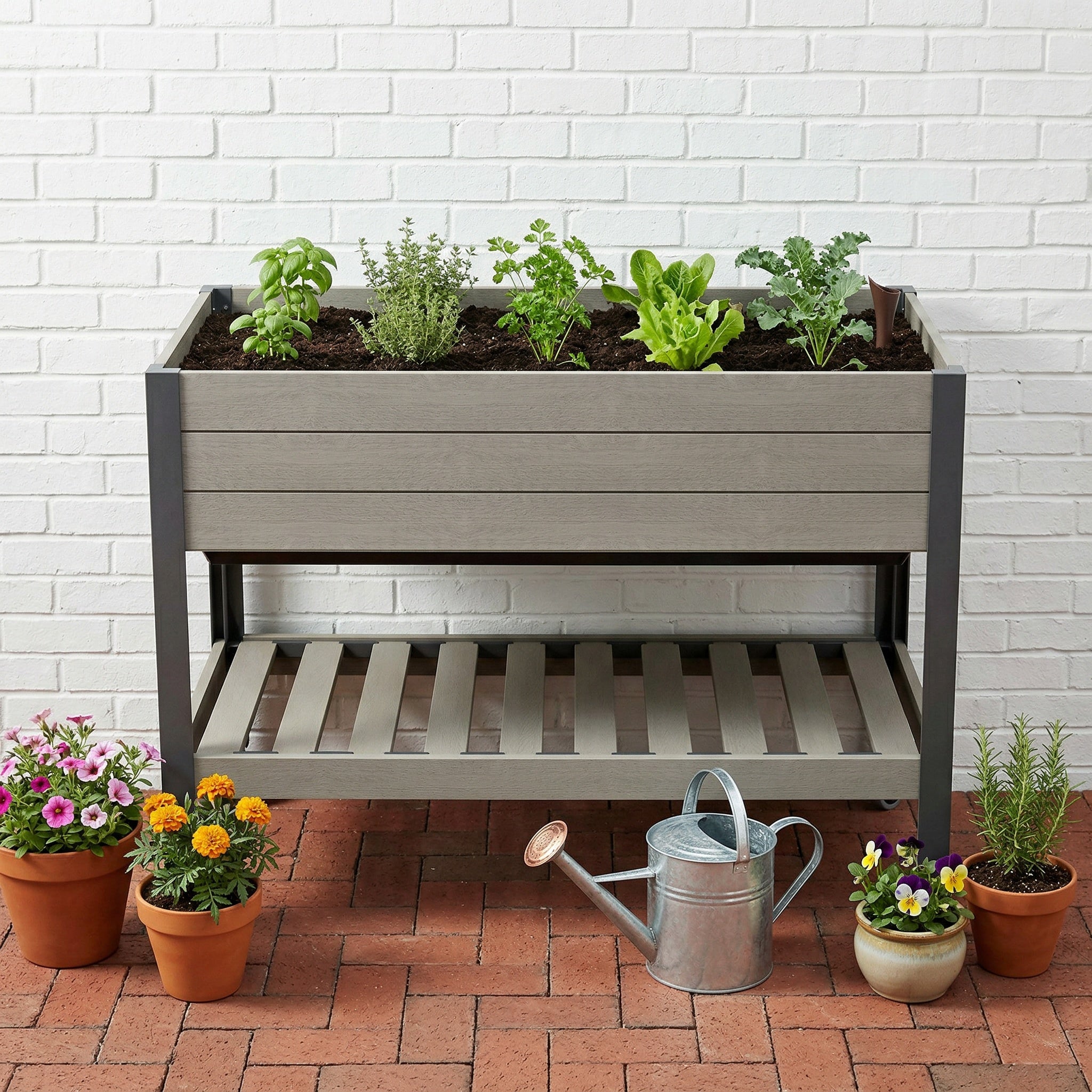
- Containers can be placed at waist height for easier access.
I built a waist-high raised bed for my mother. She can garden comfortably now. That practical change shows how design matters more than style.

Common Mistakes and Troubleshooting
Avoid these common errors for Raised Bed vs Container Gardening.
Common mistakes
- Using garden soil in pots, which leads to poor drainage.
- Overcrowding plants in beds or containers.
- Skipping regular fertilization for containers.
- Ignoring pest signs early.
Troubleshooting tips
- If containers dry out fast, add organic matter and mulch the pot top.
- If raised beds drain too fast, add moisture-retaining compost.
- For nutrient deficiency, use a balanced organic fertilizer and test soil every few years.
Personal tip: label plants and water zones. I once mixed a drought-loving herb with water-thirsty lettuce. Learning to group by need saves time and plants.
:max_bytes(150000):strip_icc()/topsoil-vs-garden-soil-7501844-7d8db8d8a1aa4d85b91458b3e2597073.png)
Which Should You Choose? Quick Decision Guide
Ask yourself a few simple questions to decide between Raised Bed vs Container Gardening.
Decision checklist
- Do you have limited space or a balcony? Choose containers.
- Do you want higher yields and permanent plots? Choose raised beds.
- Do you need portability or seasonal changes? Choose containers.
- Are you looking for low maintenance and larger crops? Choose raised beds.
Mixing both methods often works best. Use raised beds for staple veggies and containers for herbs and small fruits. This hybrid approach gives the best of Raised Bed vs Container Gardening.

Frequently Asked Questions of Raised Bed vs Container Gardening
What is the main difference between raised beds and containers?
The main difference is soil depth and permanence. Raised beds offer more soil volume and stability, while containers provide mobility and fit small spaces.
Which method produces higher yields?
Raised beds typically produce higher yields per square foot due to deeper soil and root space. Containers can still yield well if they are large and well-managed.
How often should I water containers versus raised beds?
Containers usually need daily or twice-daily checks in hot weather. Raised beds retain moisture longer and often need watering every 2–4 days depending on conditions.
Can I grow root vegetables in containers?
You can grow root vegetables in deep containers, but they need large pots and loose soil. For best results, use raised beds for carrots and beets when possible.
Are raised beds worth the cost?
Raised beds are worth the cost if you plan to garden long-term and want higher yields and easier management. They require upfront investment but save time and improve productivity.
Do containers need special soil?
Yes. Containers need a light, well-draining potting mix with organic matter. Garden soil is too heavy and can compact in pots.
Conclusion
Raised Bed vs Container Gardening each offer clear benefits. Raised beds give depth, higher yields, and long-term value. Containers provide mobility, flexibility, and a great option for small spaces. Choose based on your space, time, and plant goals. Try a mix: a few raised beds for staples and containers for herbs and trial crops.
Take action this week: sketch your garden, pick one bed or set of pots, and plant an easy crop like lettuce or basil. Share your results, subscribe for more tips, or leave a comment about your experience with Raised Bed vs Container Gardening.