Start a small garden at home by picking a sunny spot, good soil, and a few easy plants.
I’ve helped friends and built my own tiny backyard plots and balcony gardens for years. This guide shows how to start a small garden at home with clear steps, practical tips, and things I learned the hard way. Read on to get simple, tested advice that saves time and helps you grow healthy plants even if your space is tiny.
Planning your small garden at home
Start with a simple plan. Decide what you want to grow. Flowers, herbs, and a few vegetables are great first picks. Think about how much time you can give the garden each week.
Set goals. Do you want fresh herbs for cooking? Colorful flowers? A few tomatoes? Keep goals small and clear. Small goals lead to steady success.
How much time will you spend? Even 10 minutes a day helps. I began with 15 minutes every morning. That habit kept my plants healthy and kept pests in check.
H3 How much space do I need to start a small garden at home?
You can begin with a single container on a sunny balcony or a 2-by-4-foot raised bed. Many herbs and salad greens need less than one square foot per plant. Start ultra-small and expand when you feel ready.
H3 What are the easiest plants to grow for beginners?
Herbs like basil, mint, and parsley are forgiving. Leafy greens such as lettuce and spinach grow fast. Cherry tomatoes and radishes are also good starter crops.
Choosing the best space and light
Light is the most important factor for plants. Observe your spot for a few days. Note how many hours of direct sun it gets. Most vegetables need at least 6 hours of sun.
If you have only morning sun, pick leafy crops and herbs. If you have afternoon sun, tomatoes and peppers will likely thrive. For shady spots, consider hostas, ferns, or low-light herbs.
Think about access to water. Place containers near a hose or keep a watering can handy. It is easier to care for plants when water is close by.

Containers, raised beds, and soil basics
Choose the right container or bed. For mobile gardens, use pots with drainage holes. For larger efforts, build or buy a raised bed. Depth matters: most vegetables need 8 to 12 inches of soil.
Use a good potting mix for containers. Look for mixes labeled “for vegetables” or “for containers.” Avoid using heavy garden soil in pots; it compacts and drains poorly.
Enrich soil with compost. A thin layer of compost each season boosts nutrients and soil life. I add compost every spring and see steady improvement in plant health.

What to plant first: easy winners
Start with low-maintenance choices. They build confidence and provide quick rewards.
- Basil — fast, forgiving, and great for cooking.
- Lettuce and mixed greens — quick harvests in 30–45 days.
- Cherry tomatoes — high yield in small spaces.
- Radishes — super fast and very easy.
- Swiss chard — tough and productive all season.
Pair plants by need. Put sun-loving crops together and shade-tolerant plants where light is sparse. Companion planting can reduce pests and improve yields.

Step-by-step: planting and setup
Follow these steps to get started quickly.
- Pick a spot or container with enough light.
- Fill pot or bed with potting mix and a handful of compost.
- Plant seeds or seedlings at the depth the packet or container label says.
- Water well right after planting to settle the soil.
- Mulch the top to keep moisture steady and weeds down.
I usually plant seeds for greens and start tomatoes from seedlings. Seeds save money. Seedlings give faster results for heat-loving crops.
:strip_icc()/home-pink-white-peonies-3539c746-cda6202162c24f3da4ad07cb4ea33324.jpg)
Watering, feeding, and basic care
Water on a schedule that fits your plants and climate. A deep soak once or twice a week is better than light daily sprinkles. Containers dry out faster than garden beds.
Fertilize lightly. Use a balanced, slow-release fertilizer or a weekly liquid feed for vegetables. Overfeeding causes leggy growth and weak fruits.
Prune and harvest often. Harvesting encourages more production in many herbs and vegetables. Trim dead leaves and thin crowded seedlings to improve air flow.
Pest and disease management for small gardens
Pests happen. Use gentle methods first. Hand-pick large pests like caterpillars. Spray soft soap for aphids and other small insects.
Encourage beneficial insects. Ladybugs and lacewings eat many pests. Plant flowers like marigolds and borage to attract helpers.
Rotate crops if you use a permanent bed. Moving plant families helps reduce disease build-up in the soil. Clean up plant debris in fall to limit overwintering pests.

Seasonal care and year-round tips
Plan by season. In spring, prep beds and start seeds indoors if needed. Summer requires regular watering and shade on very hot days. In fall, harvest, add compost, and plant cool-season greens.
Use season extenders. Row covers and cloches give a few extra weeks of harvest. Containers can be moved to protect tender plants from frost.
Start a simple calendar. Note planting dates, harvests, and problems. That record is invaluable next season.

Common mistakes and lessons I learned
I made many mistakes when I started. Sharing them saves you time.
- Overwatering containers. I once lost herbs to root rot by watering every day. Learn soil moisture first.
- Planting too close. Crowding slows growth. Thin seedlings early.
- Ignoring soil life. Adding compost and organic matter changed my yields in one season.
- Chasing perfect conditions. Accept imperfection and learn from it.
Small gardens reward steady care, not perfection.
Budget, tools, and starter shopping list
You don't need expensive gear. Start with key items that bring value.
- A good potting mix in a small bag
- One or two containers or a simple raised bed kit
- A watering can or hose with a gentle nozzle
- Hand trowel and pruning shears
- Basic fertilizer and compost
Buy seeds and a few seedlings. Seeds are cheap and teach you timing. Seedlings give faster results for summer crops.
PAA-style quick questions
H3 Can I start a small garden at home with no yard?
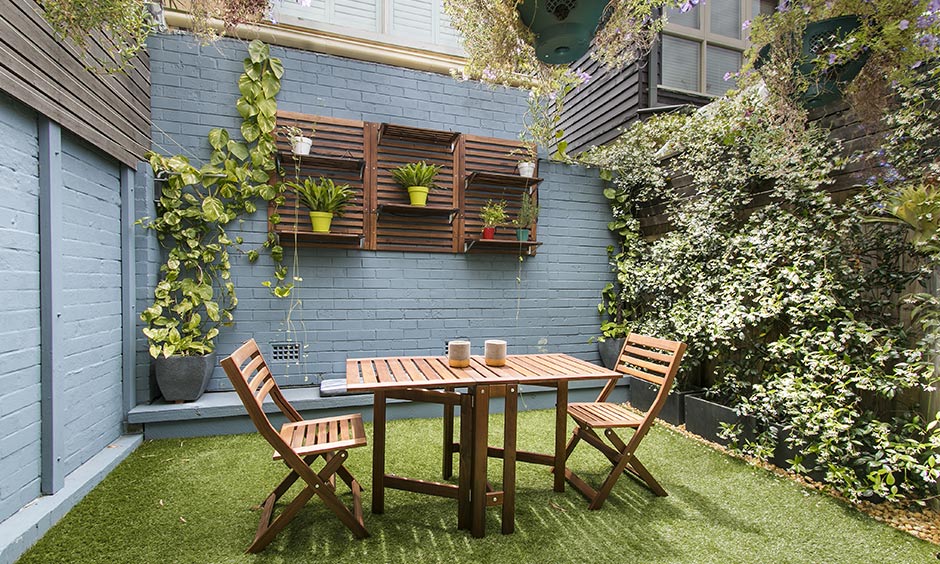
Yes. Use containers on balconies, window boxes, or even a sunny windowsill. Many herbs and salad greens need little space.
H3 How long until I see results?
Leafy greens and radishes can be ready in 3 to 6 weeks. Tomatoes and peppers take longer, often 8 to 12 weeks after transplanting.
H3 Do small gardens save money?
They can. Growing herbs and salad greens cuts grocery trips. Savings grow as you scale your garden and avoid waste.
Frequently Asked Questions of how to start a small garden at home
What is the easiest way to start a small garden at home?
Start with containers and a few hardy plants like basil, lettuce, and cherry tomatoes. Containers reduce complexity and let you control soil and water.
How often should I water my small garden?
Water when the top inch of soil feels dry. For containers this may be daily in hot weather and less often in cool weather.
Can I grow vegetables in small spaces?
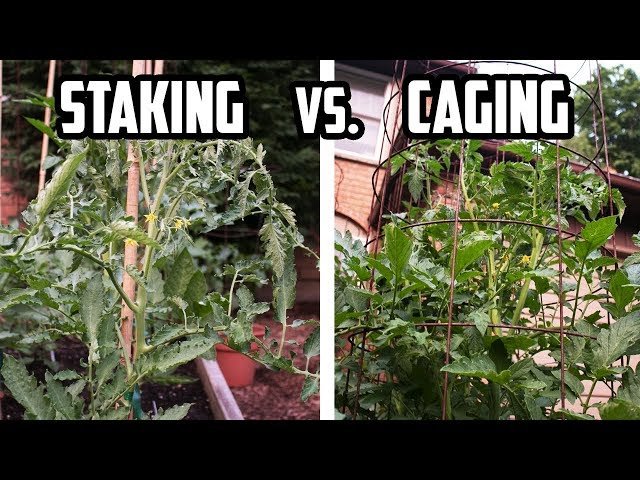
Yes. Many vegetables are compact or can be grown vertically. Use trellises or cages for vining crops like tomatoes and cucumbers.
Do I need fertilizer for a small garden at home?
Yes, light feeding helps, especially in containers. Use a balanced fertilizer and follow label directions to avoid overfeeding.
How much sunlight do plants need?
Most vegetables need 6 hours of direct sun. Herbs and some leafy greens will tolerate 3 to 5 hours of sun.
What should I do if pests attack my small garden?
Start with manual removal and mild solutions like insecticidal soap. Encourage beneficial insects and keep plants healthy to reduce pest pressure.
Can I start a small garden on a budget?
Yes. Use recycled containers, start from seeds, and make compost at home. Small investments in soil and good seeds pay off quickly.
Conclusion
You can start a small garden at home with a plan, the right spot, and simple tools. Begin small, pick forgiving plants, and learn by doing. My best tip: spend a few minutes each day with your plants. That habit prevents problems and turns gardening into a steady, joyful routine. Try one pot or a small bed this weekend, and share your progress in the comments or subscribe for more tips and seasonal checklists.