Balanced light, water, soil, and nutrients are key plant growth tips for healthy plants.
I’ve spent years caring for houseplants and vegetable beds. I know which plant growth tips make a real difference. This guide blends practical advice, simple science, and hands-on fixes you can use right away. Read on to learn clear steps that help plants grow faster, stronger, and more resilient.

Why plant growth tips matter
Healthy plants start with good decisions. Simple plant growth tips prevent stress, disease, and slow growth. When you apply the right tips, plants use light and nutrients well. That leads to fuller leaves, more blooms, and higher yields.
Plant growth tips save time and money. They reduce waste and cut back on chemicals. I use these tips in my garden and they work for beginners and pros alike.
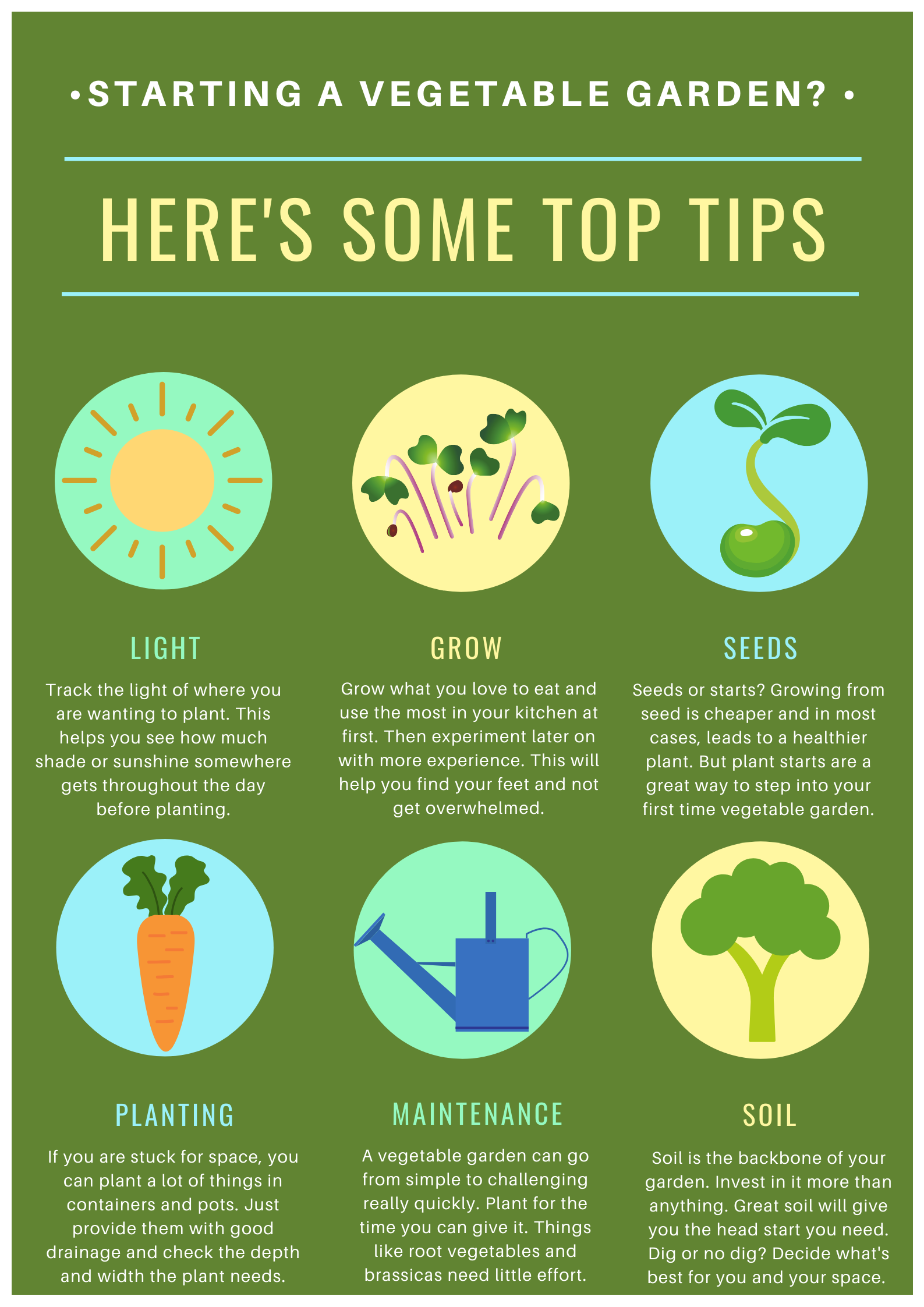
Light and temperature: the engine of growth
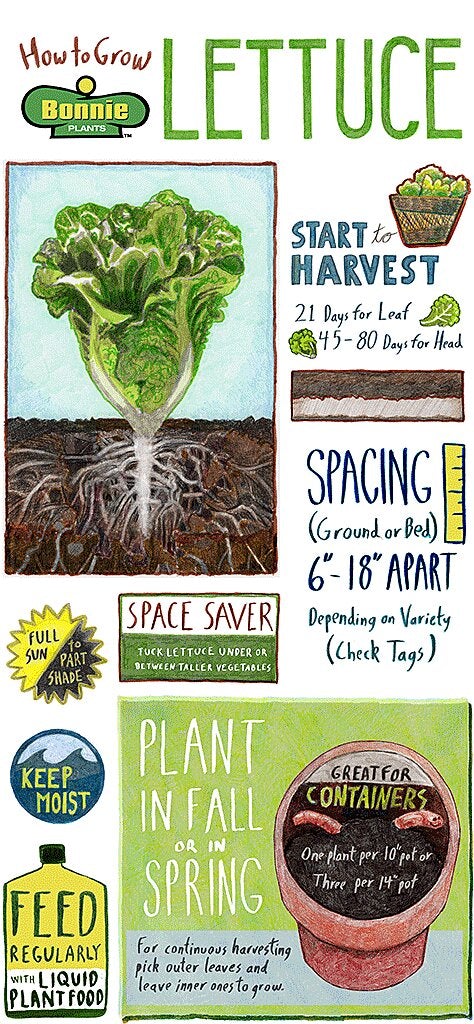
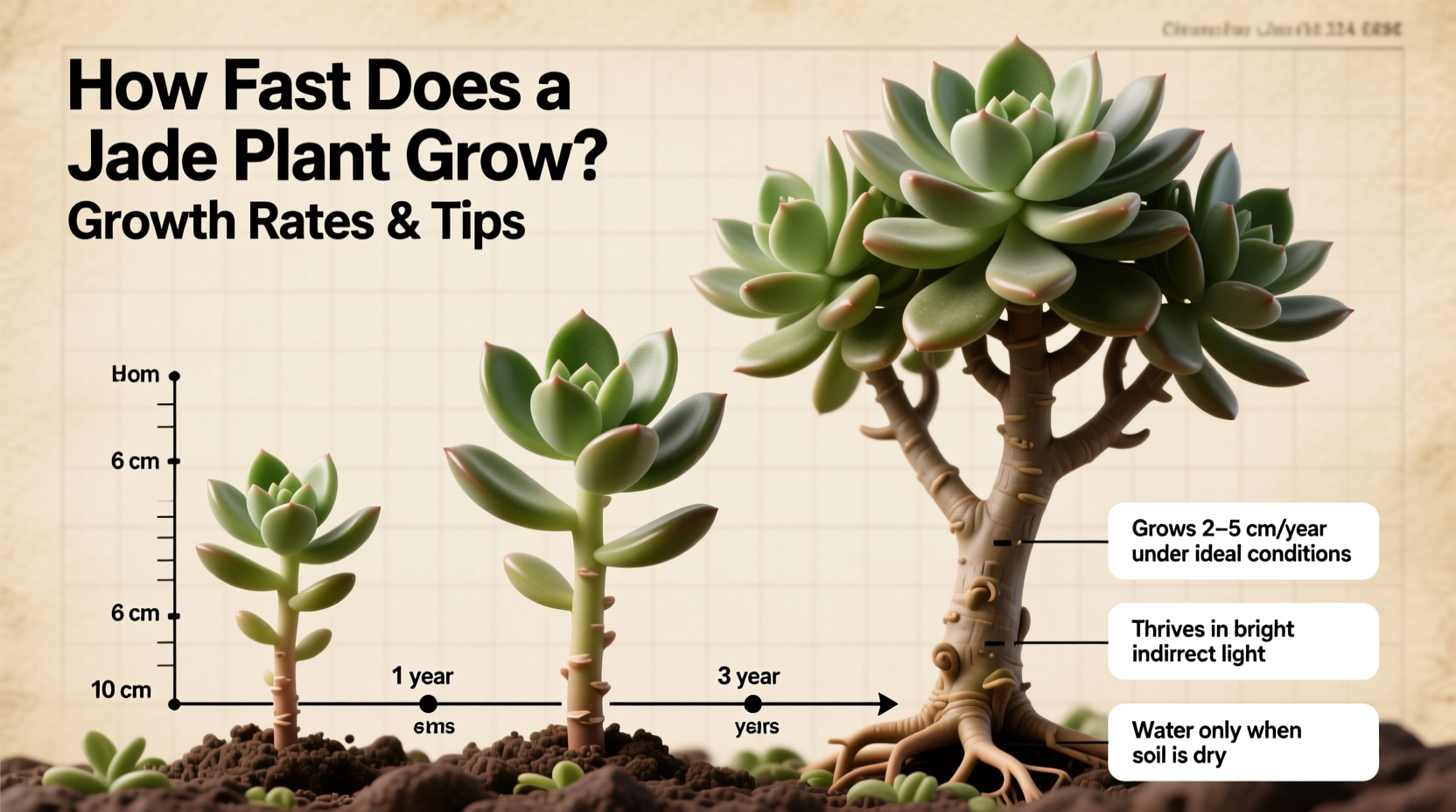
Plants use light to make food. Good light is the first plant growth tip to master. Most houseplants need bright, indirect light. Vegetables and flowering plants often prefer direct sun for several hours.
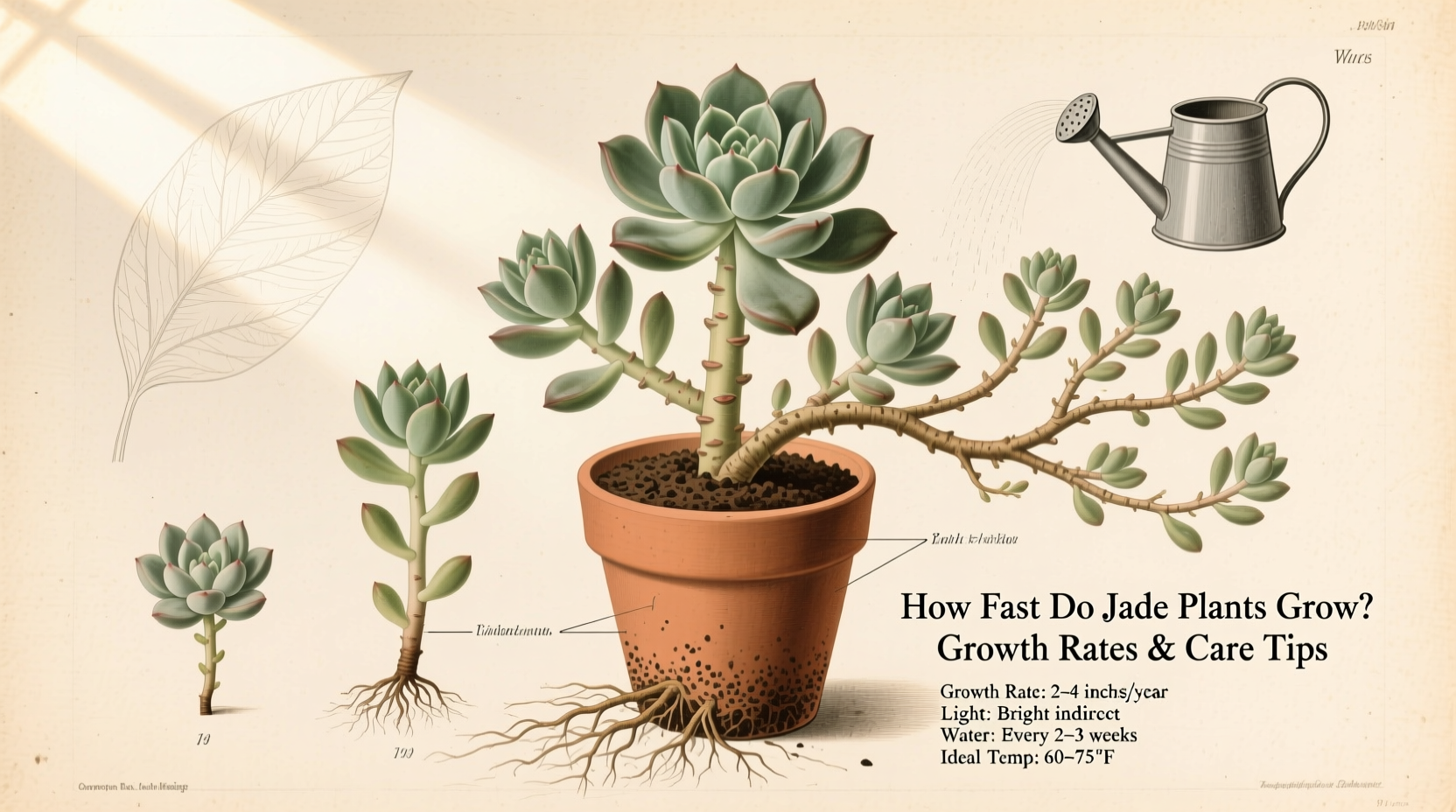
Temperature affects growth speed. Most common plants thrive between 60°F and 75°F. Night-time drops are normal, but sharp swings stress plants. Match light and temperature to the plant’s natural habitat.
Practical light tips:
- Place plants where they get enough day sun without burning leaves.
- Use grow lights for low-light rooms. LED grow lights work well and use little energy.
- Rotate pots weekly so growth stays even.
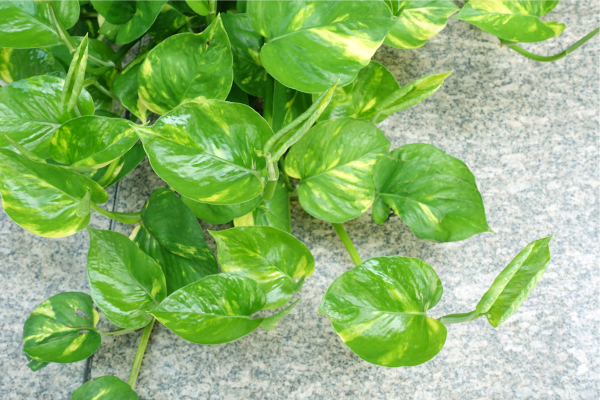
Watering and soil: consistency beats guesswork
Water is vital but easy to overdo. Overwatering causes root rot. Underwatering makes leaves wilt and stops growth. Check soil moisture with your finger or a moisture meter. Water when the top inch of soil feels dry for many potted plants.
Soil quality drives root health. Use well-draining potting mix for containers. Amend garden soil with compost to improve structure. Good soil helps roots find water and nutrients.
Watering tips:
- Water less often but deeply to encourage deep roots.
- Use pots with drainage holes to prevent soggy roots.
- Bottom-watering works well for some plants. Let roots drink from the saucer for 10–30 minutes.
Nutrients and fertilizers: feed, but don’t overfeed
Plants need major nutrients: nitrogen, phosphorus, and potassium. They also need micronutrients like iron and magnesium. Fertilizer supplies these when soil is low. Use balanced, slow-release fertilizer for steady results.
Signs of nutrient issues are clear. Yellow leaves often indicate nitrogen shortage. Stunted growth can point to low phosphorus. Run a soil test for accurate guidance.
Fertilizer tips:
- Feed actively growing plants every 4–6 weeks with a balanced feed.
- Cut back feeding in slow seasons or dormancy.
- Avoid high doses early in growth. Overfeeding can burn roots and harm microbes.
Pruning, training, and repotting: shape and space for growth
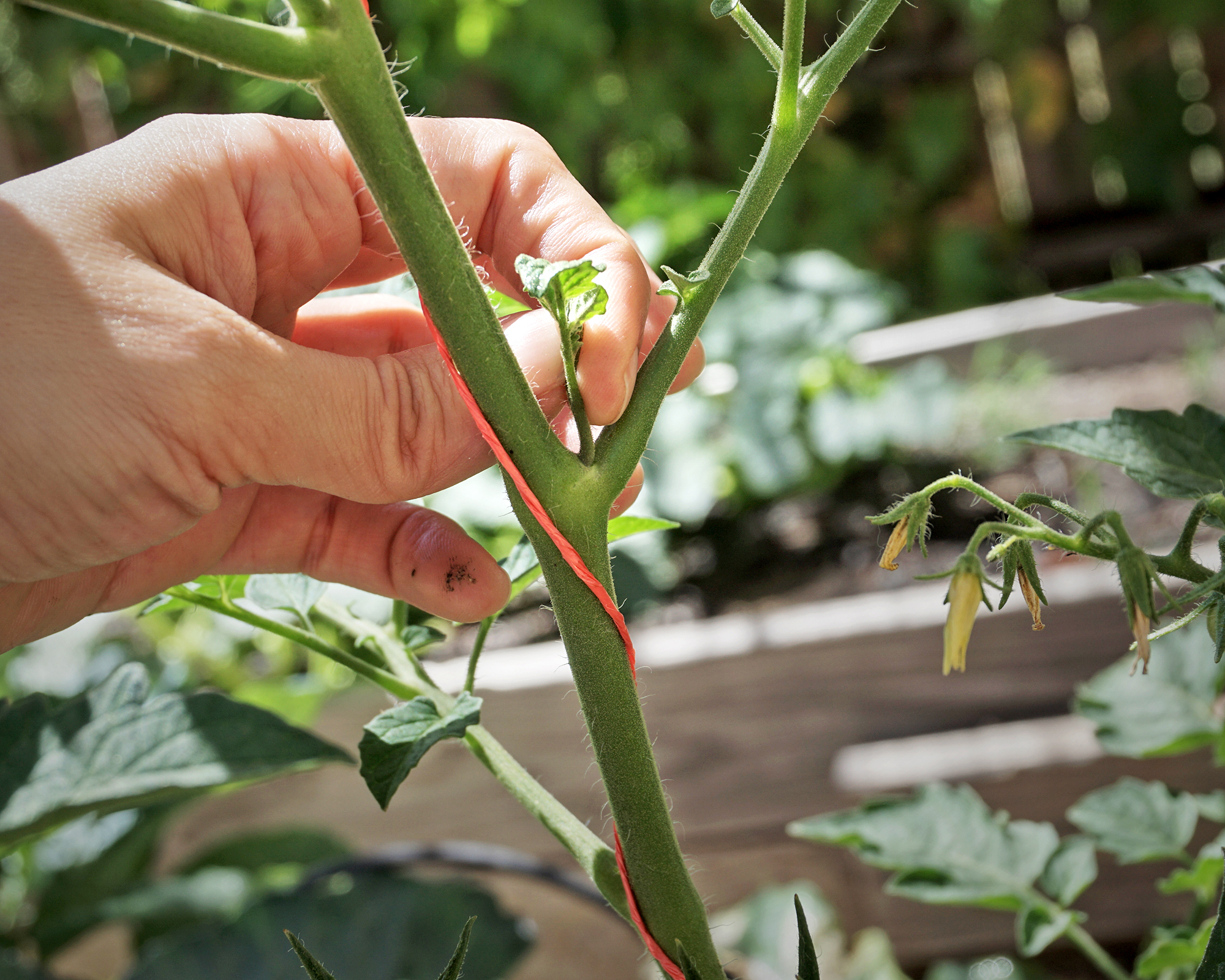
Pruning removes dead or crowded growth. It redirects energy to new shoots. Training plants, like staking or espalier, improves light and airflow. Repotting gives growing roots more room and fresh soil.
When to repot:
- Repot if roots circle the pot or poke out drainage holes.
- Move to a pot one size larger to avoid excess soil that stays wet.
- Repot in spring for best recovery.
Pruning tips:
- Use clean tools and remove only what’s needed.
- Pinch tips on herbs to encourage bushy growth.
- Cut back leggy stems to stimulate new shoots.

Pest and disease management: prevention first
Pests and disease slow growth quickly. Keep plants healthy to reduce problems. Inspect plants weekly. Early detection makes control easy.
Natural pest tactics:
- Wipe leaves and remove dead material to cut pests and fungal risk.
- Use insecticidal soap or neem oil for common insects.
- Introduce beneficial insects outdoors when possible.
Disease tips:
- Improve airflow to limit fungus.
- Avoid wetting leaves at night.
- Quarantine new plants for a couple of weeks before adding them near others.
Advanced techniques and troubleshooting
If growth stalls, follow a checklist. Check light, water, soil pH, and roots. Correct one factor at a time to find the cause. Keep notes to track changes and results.
Advanced plant growth tips:
- Foliar feeds can give a quick nutrient boost, but use sparingly.
- Compost tea improves soil biology and helps growth.
- Try simple hydroponics for fast growth in limited space.
Common troubleshooting clues:
- Pale leaves with green veins suggest iron deficiency.
- Brown crisp leaf edges often mean low humidity or salt build-up.
- Slow growth despite good care might mean root-bound pots or compacted soil.
Personal experience: what I learned in the garden
I once lost a batch of seedlings to overwatering. I learned to wait between waterings and to use larger trays for drainage. I also learned that steady light and a slow-release feed work better than frequent fixes.
A tip that saved a lot of plants: label pots with dates and fertilizer schedules. Small records helped me diagnose problems fast. Mistakes taught me to simplify. Simple plant growth tips often beat complex systems.
Frequently Asked Questions about plant growth tips
How often should I water indoor plants?
Most indoor plants need watering when the top inch of soil is dry. Check soil with your finger and water deeply, then let excess drain away.
Which fertilizer is best for fast growth?
A balanced slow-release fertilizer works well for steady growth. Use liquid feed for fast boosts during active growth periods.
Can low light be fixed with grow lights?
Yes. LED grow lights can replace missing natural light. Match the light intensity and duration to the plant type.
How do I know if a plant is root-bound?
Roots circling the pot, very slow growth, and water running straight through the pot are signs. Repot into a slightly larger container to help growth.
Are natural remedies effective for pests?
Many natural methods work well for minor pest issues. Insecticidal soap, neem oil, and stronger predators can control common pests safely.
Conclusion
Good plant growth tips are about balance. Focus on light, water, soil, and nutrients first. Use simple steps, watch plants closely, and adjust as needed. With the right care, your plants will reward you with vigor and blooms.
Take one tip today. Try adjusting light or changing your watering routine. Share your results or questions in the comments and subscribe for more practical plant growth tips.