Act fast: stop watering, dry the soil, trim rotten tissue, and repot into well‑draining mix.
I’ve spent years rescuing drought‑loving plants and teaching others how to save overwatered succulents. This guide gives clear, tested steps to diagnose root rot, dry and revive plants, and prevent repeat mistakes. Read on for step‑by‑step action you can take today to bring soggy succulents back to life.

How to recognize overwatered succulents
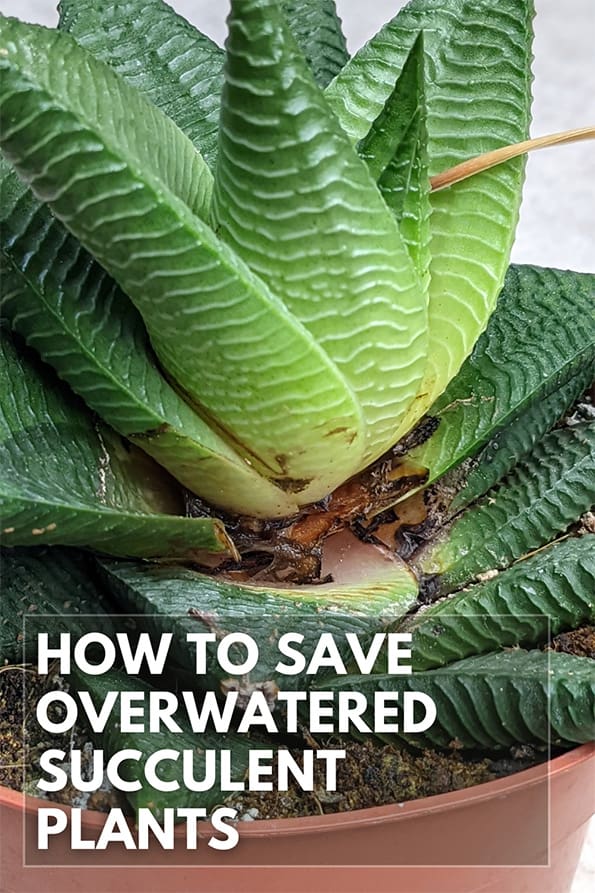
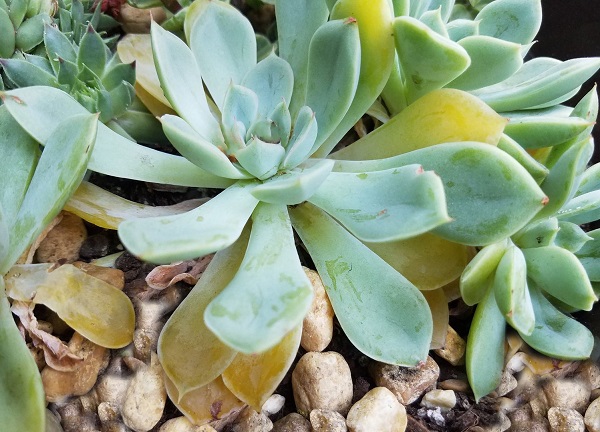
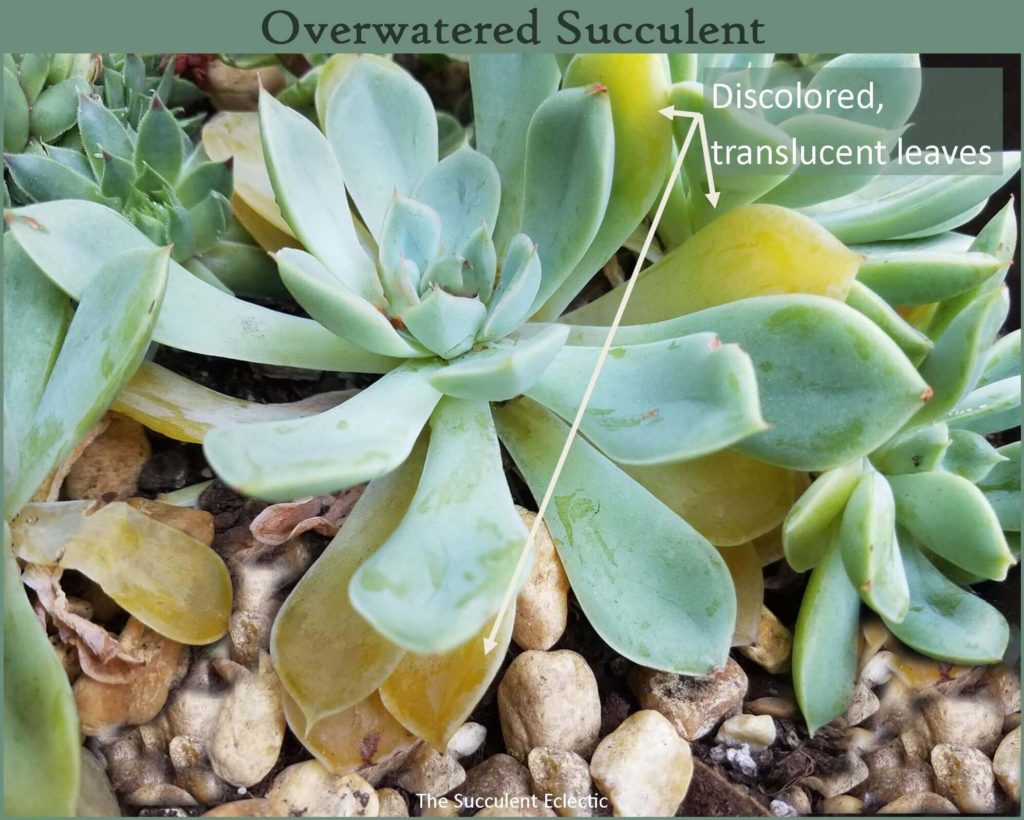
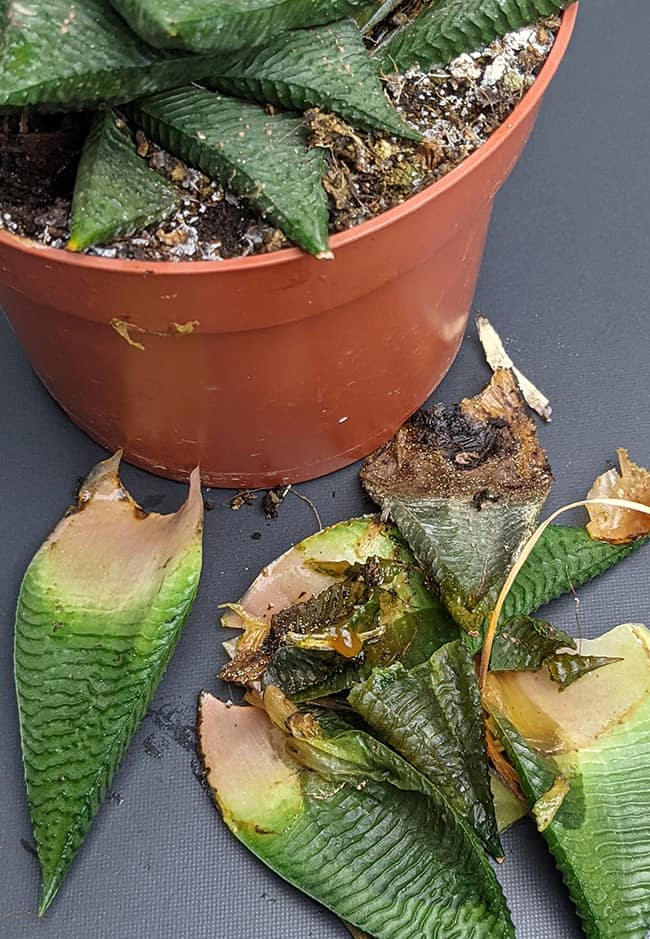
Succulents show clear signs when they get too much water. Leaves become soft, translucent, and mushy. Lower leaves turn yellow or brown and drop easily. The soil stays wet long after watering and smells musty or sour.
Look at the stem and base. A dark, soft base often means root rot. New growth may fail or look pale. If several symptoms appear, act fast on how to save overwatered succulents. Early detection makes recovery much easier.
Immediate steps to save overwatered succulents
Take quick, calm action. Follow these steps to stop damage and give the plant a chance to recover.
- Remove the plant from the pot gently. Check the root ball for softness or black roots.
- Stop watering completely for a week. Let the soil dry out. This halts further rot while you assess.
- Remove mushy leaves and obviously rotten tissue with clean scissors. Sanitize tools between cuts.
- If only a few leaves are damaged, let the plant dry in a bright spot with indirect sun.
- For major rot, proceed to root treatment and repot right away.
These first moves are the core of how to save overwatered succulents. Acting now saves many plants from collapse.

Quick questions (PAA-style)
Can overwatered succulents recover without repotting?
Yes, mild cases can recover by stopping water and letting soil dry. Monitor roots and leaves for improvement.
How long to wait before watering again?
Wait until the top 1–2 inches of soil are dry and leaves feel firm. This often takes 1–3 weeks depending on light and pot.
Dealing with root rot: diagnosis and treatment
Root rot is common after overwatering. It happens when roots sit in wet soil and lose oxygen. Rotten roots are brown or black and feel slimy. Healthy roots are white or tan and firm.
To treat root rot take these steps:
- Carefully unpot the plant. Shake away wet soil to expose roots.
- Inspect roots. Cut away any soft, brown, or black parts with clean scissors.
- If rot is widespread, trim to healthy tissue. Cut back affected stems to healthy nodes.
- Optionally dip roots in a diluted hydrogen peroxide solution for a short rinse to kill fungi. Rinse with plain water after.
- Let the cleaned root ball air dry for a day in shade before repotting.
Treating roots is central to how to save overwatered succulents. If most roots are gone, consider propagation of healthy cuttings instead.
Repotting and soil mix for recovery
Choosing the right pot and soil helps succulents recover. Use a pot with drainage holes. Avoid heavy clay pots unless you use a very fast mix.
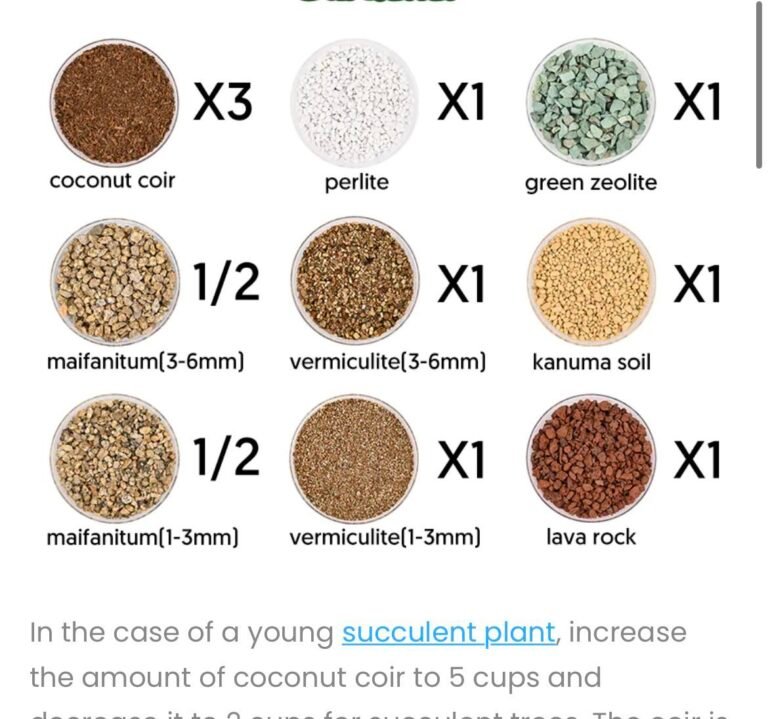
A good rescue soil mix includes:
- 50 percent coarse grit or pumice and 50 percent commercial cactus mix
- Or 60 percent inorganic (perlite, pumice, grit) and 40 percent potting mix
- Avoid garden soil or mixes that retain water
When repotting, place a thin layer of dry fresh mix, position the plant, then fill around roots loosely. Do not water for 3–7 days after repotting to allow root wounds to heal. Proper repotting is a key step in how to save overwatered succulents.

Aftercare: watering, light, and feeding
After rescue, adjust care to prevent relapse. Light helps dry soil and boost recovery. Move the plant to bright, indirect light for a few days. Then slowly increase direct light if the species tolerates it.
Water carefully:
- Use the soak‑and‑dry method: water deeply, then wait until soil is dry before the next water.
- Water less often after recovery. Many succulents need watering only every 2–4 weeks indoors.
- Use a moisture meter or stick your finger 1–2 inches into the soil to check dryness.
Avoid feeding until new growth appears. When you resume fertilizer, use a weak, balanced feed in the growing season. Good aftercare completes the process of how to save overwatered succulents and keeps them healthy long term.
Personal note: I once saved a jade plant by trimming rotten roots, repotting into a pumice mix, and waiting three weeks before the first water. It needed patience, but it recovered and grew new leaves within two months.

Prevent future overwatering
Preventing overwatering is easier than fixing it. Make small changes that cut risk.
- Use pots with drainage holes and breathable materials like terracotta to help soil dry.
- Choose a fast‑draining mix with pumice, grit, or coarse sand.
- Water on a schedule only when soil is dry. Check soil first.
- Place succulents in bright spots with good air flow to speed drying.
- Consider tools: moisture meters, self‑watering spikes, or a drip tray to monitor moisture.
Teaching yourself to read the plant and soil is the most reliable way to avoid repeated rescues. These practices stop the need to learn how to save overwatered succulents again.
Common mistakes and how to avoid them
Many rescue cases happen from a few repeat errors. Avoid these common mistakes.
- Watering on a schedule without checking soil first. Check soil instead and water only when dry.
- Using dense potting soil that traps water. Use a fast mix.
- Pots without drainage. Always use pots with holes.
- Overcrowding plants in small pots. Give roots room to breathe.
- Rushing to water after repotting. Wait for roots to heal.
Learn from these mistakes to keep plants thriving. Avoiding them is part of successful how to save overwatered succulents work.
Frequently Asked Questions of how to save overwatered succulents
How do I know if my succulent has root rot?
Check the roots and the plant base. Soft, dark roots and a mushy stem indicate root rot and need immediate treatment.
Can I save a succulent with a black stem?
If the black is only external you may save it by trimming back to firm tissue and treating the roots. If the stem is soft and rotten through, the plant may not recover.
Should I use fungicide on overwatered succulents?
Fungicide can help in severe fungal root rot but is not always necessary. Cleaning tools, trimming rotten parts, and repotting in fresh mix often suffice.
Is it okay to dry out a succulent in the sun?
Avoid intense, direct sun for a recently rescued succulent. Give bright, indirect light first, then slowly reintroduce direct sun to avoid sunburn.
How long does recovery take after saving an overwatered succulent?
Recovery can take weeks to months. Expect new growth within a few weeks if roots recover, but full vigor may take a season.
Can I propagate healthy leaves from an overwatered plant?
Yes. If the mother plant is weak, propagation is a safe path. Use firm, healthy leaves or stem cuttings and let them callus before potting.
Final thoughts
You can save many overwatered succulents by acting quickly, trimming rot, repotting into a fast mix, and changing care habits. Be patient. Small, steady steps often revive a sick plant. Try the steps here, watch your plant closely, and adjust care as it recovers.
Take action today: examine your pots, check soil moisture, and make one small change to reduce watering. If this guide helped, leave a comment with your rescue story or subscribe for more plant care tips.