Electric hedge trimmers are quieter and easier to use; gas hedge trimmers give more raw power and run longer.
I’ve spent years testing and using both tools on small yards and large estates. This guide on electric hedge trimmer vs gas hedge trimmer breaks down real performance, costs, maintenance, and safety so you can pick the right tool for your yard. Read on for hands-on tips, clear comparisons, and practical buying advice based on real experience.
Understanding the basics of electric hedge trimmer vs gas hedge trimmer
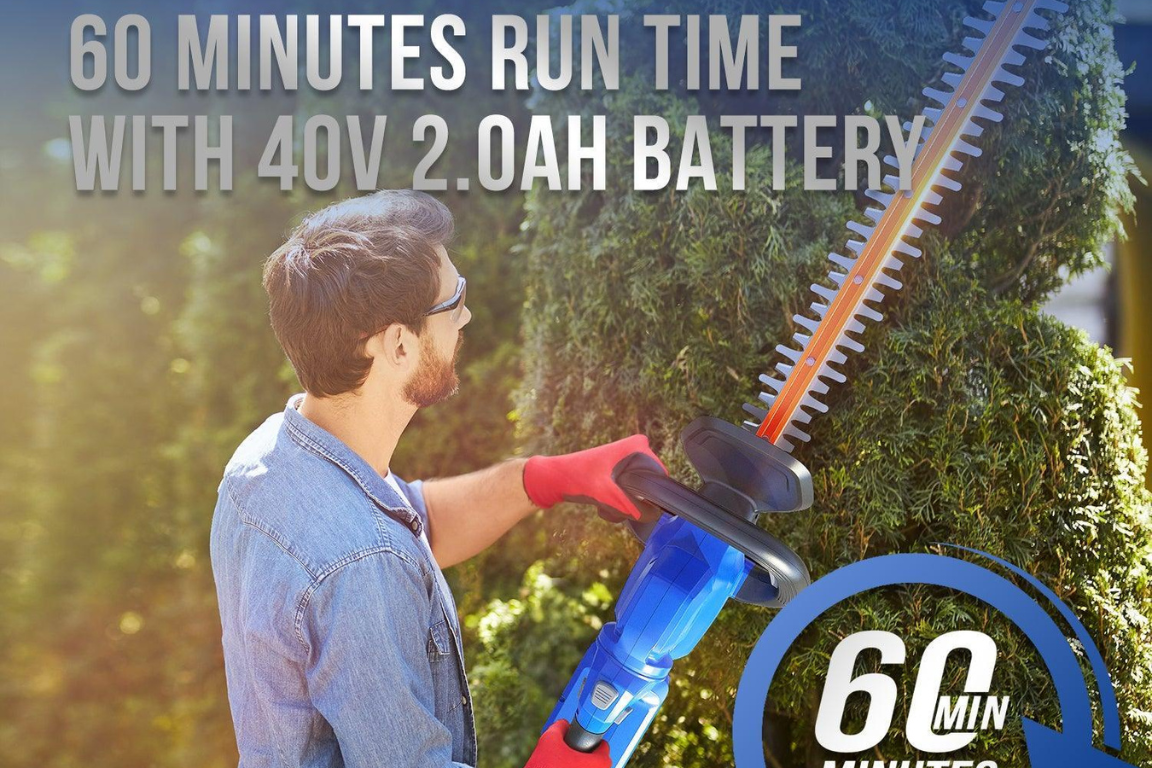
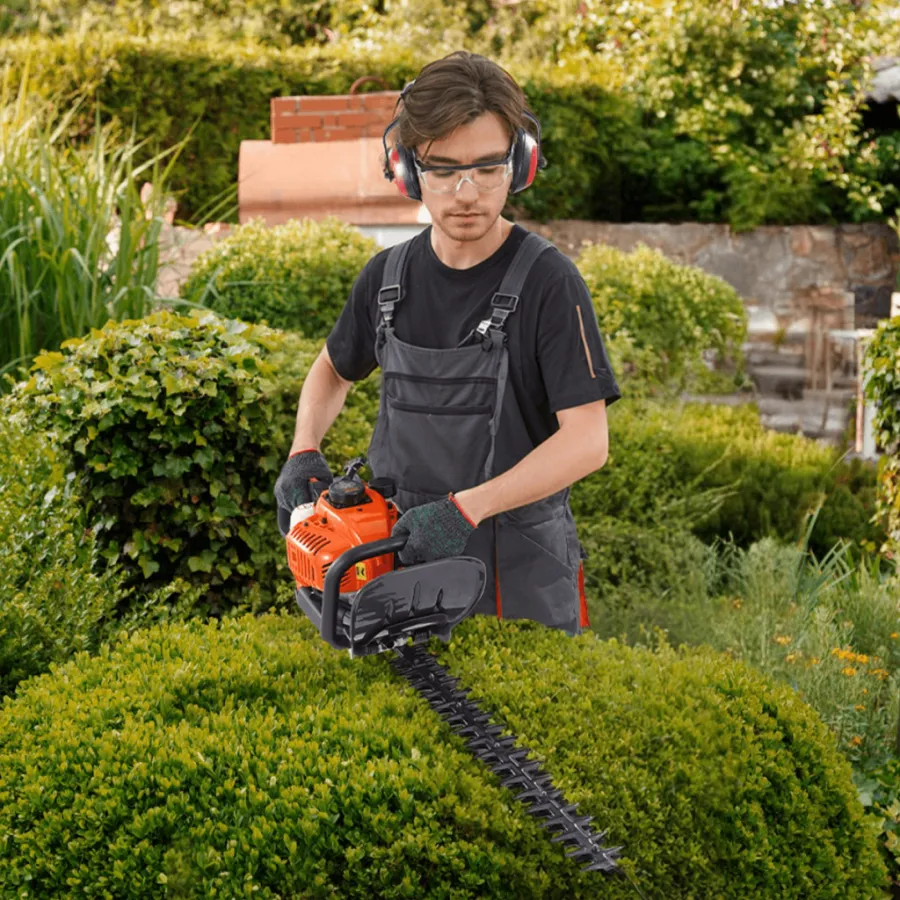
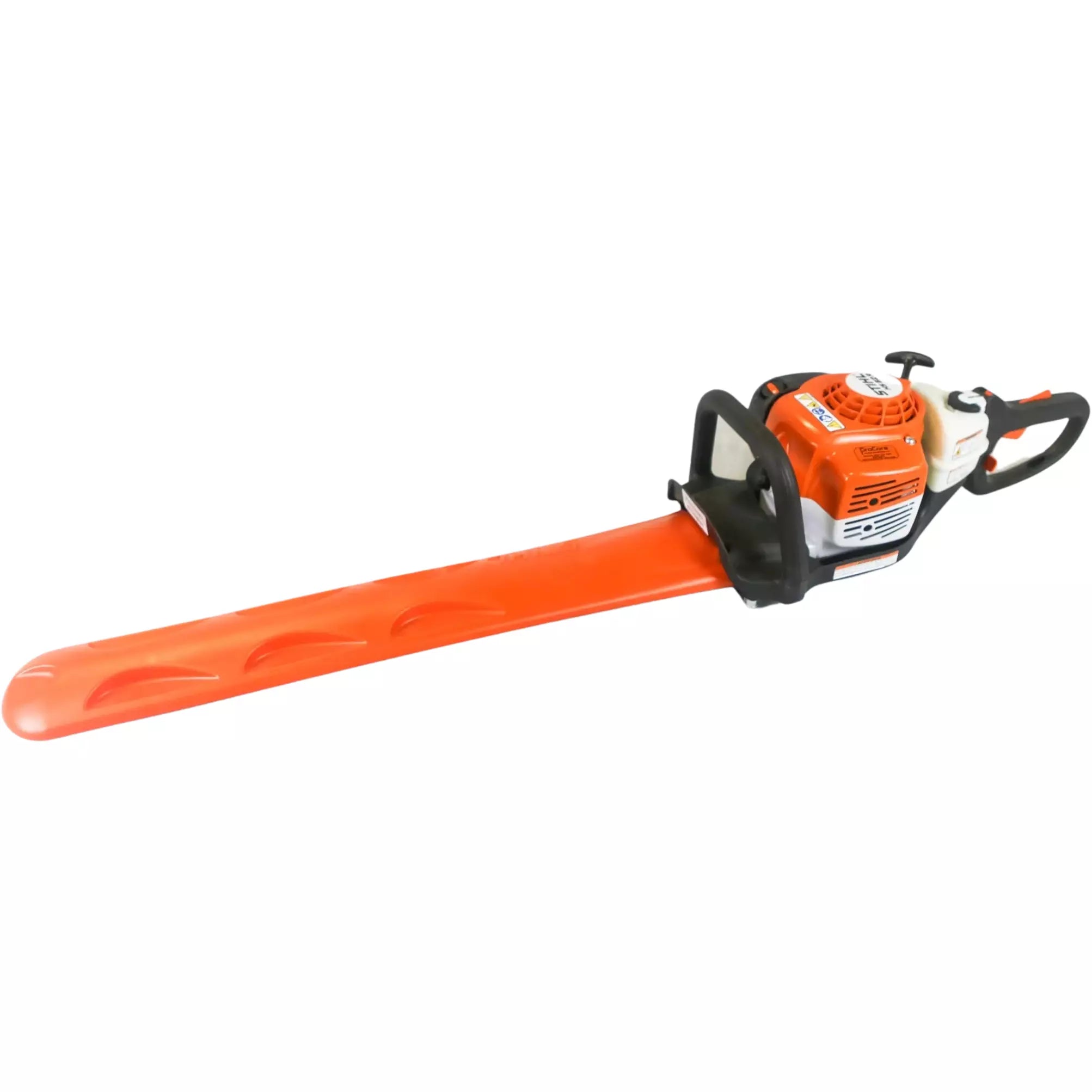
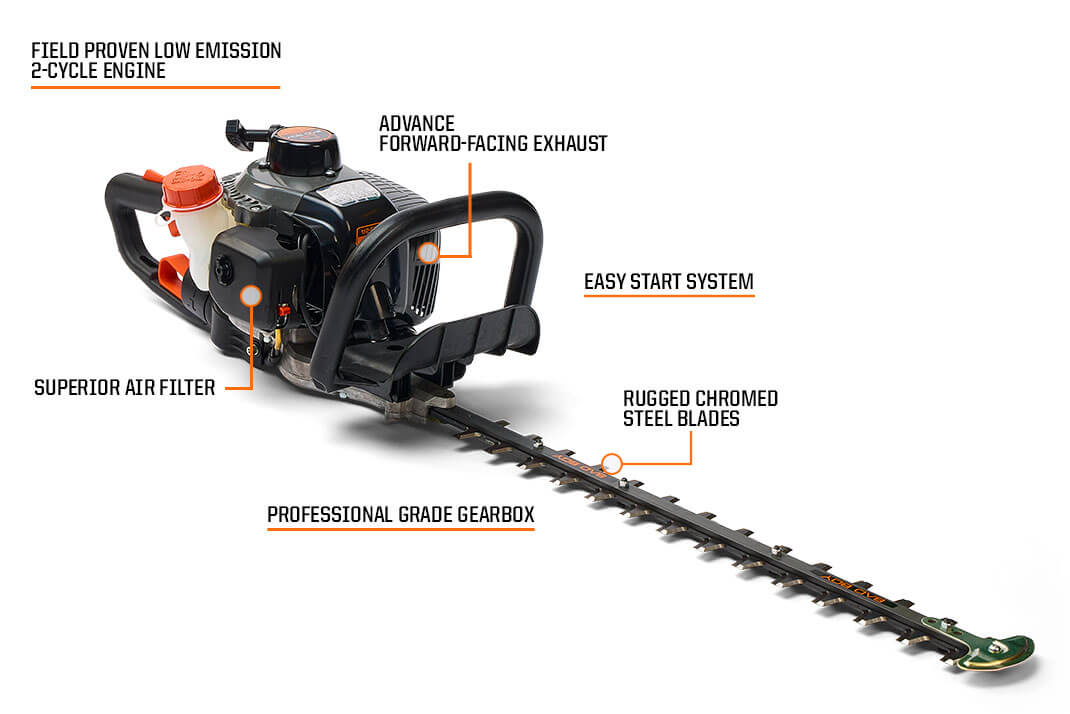
An electric hedge trimmer runs on batteries or a cord and uses an electric motor to move the blades. A gas hedge trimmer uses a two-stroke or four-stroke engine fueled by gasoline to power the cutting blades.
Key differences at a glance:
- Power source: battery or cord versus gasoline.
- Typical weight: electric models are lighter and easier to hold for long periods.
- Complexity: gas units have more moving parts and need fuel mixing, spark plugs, and more upkeep.
From my experience, electric models feel friendly to new users. Gas models feel more robust but need more care and respect. I’ll show when each type shines and when it struggles.
Performance and power
Electric hedge trimmer vs gas hedge trimmer performance varies by job. Batteries have improved fast, but gas still leads in raw, sustained power for heavy growth.
Things to watch:
- Cutting capacity: gas trimmers handle thick, woody branches better than most electrics.
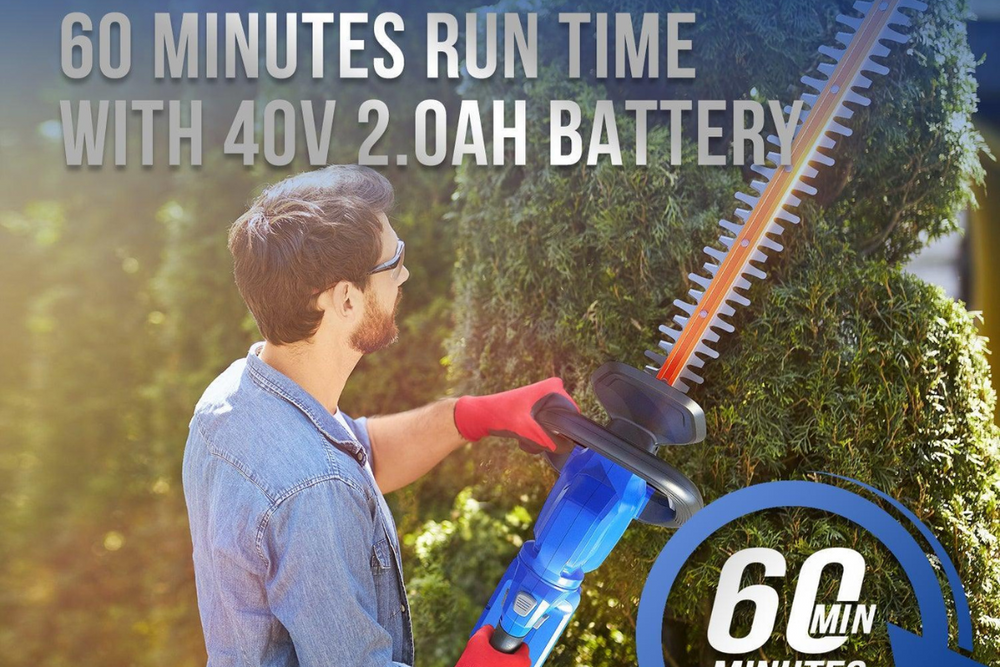
- Run time: corded electrics run until unplugged. Battery electrics run 30 to 90 minutes depending on battery size. Gas runs as long as you have fuel.
- Start and throttle: electrics start instantly with a switch. Gas needs recoil or an electric start and can stall if mishandled.
Practical tip from the field: for frequent long jobs, a gas trimmer avoids mid-job battery swaps. For quick hedge shaping and light trimming, electric tools are faster and less noisy.

Cost and ownership
The upfront and ongoing costs differ sharply between electric hedge trimmer vs gas hedge trimmer.
Cost factors:
- Purchase price: entry-level electric trimmers are cheaper than comparable gas models, but top battery units can match gas prices.
- Fuel vs electricity: gas costs fluctuate and add fuel mix, while charging batteries is cheaper per hour.
- Maintenance costs: gas units need oil, spark plugs, carbs, and tune-ups. Electrics mostly need blade sharpening and battery care.
- Resale value: gas trimmers often hold value if well maintained, but older gas units can degrade faster.
A real-world example: I bought a mid-range battery trimmer and a used gas trimmer. Year one costs favored the electric because there was no fuel or engine tune-up. By year three, the gas unit cost more due to routine engine service.
Maintenance and longevity
Electric hedge trimmer vs gas hedge trimmer maintenance routines are different in time and complexity.
Electric maintenance checklist:
- Sharpen blades and keep them clean.
- Charge and store batteries at recommended temperatures.
- Inspect switches and cord for damage.
Gas maintenance checklist:
- Change fuel and oil as required.
- Clean or replace air filters.
- Tune up spark plugs and check the carburetor.
- Store fuel or use stabilizers to avoid varnish buildup.
Longevity note: battery packs often fail before the motor on electrics. Gas engines can last many years with regular service. I once restored a decade-old gas unit with a new carburetor and it ran like new for lawn-season work.
Noise, emissions, and environmental impact
Electric hedge trimmer vs gas hedge trimmer differ greatly in noise and emissions.
Noise and emissions highlights:
- Noise: electric models are much quieter. Battery trimmers are the quietest.
- Emissions: gas trimmers emit exhaust and volatile organic compounds. Electrics emit nothing at the point of use.
- Local rules: some neighborhoods restrict gas tool use during certain hours due to noise and pollution.
If you care about your neighbors and the planet, electric tools are the easy, clean choice. For large, remote jobs where power or battery swaps are impractical, gas becomes more viable despite emissions.
Safety and ease of use
Electric hedge trimmer vs gas hedge trimmer safety depends on design and user habits.
Safety considerations:
- Weight and balance: lighter electrics reduce fatigue and lower the chance of slip accidents.
- Vibration: gas engines vibrate more and can cause hand fatigue on long jobs.
- Kickback and blade guards: both types can kick back; choose models with dual-action blades and blade guards.
- Fuel risks: gas units require careful fueling and safe storage of flammable liquids.
From my hands-on work, beginners do better with battery models for safety and confidence. Always wear gloves, eye protection, and ear protection when using either type.

Best use cases: when to choose electric or gas
Match the tool to the task by thinking about size, plant type, and job frequency.
Choose electric if:
- You have small to medium hedges and frequent light trimming.
- You want low noise and low fuss.
- You prefer minimal maintenance and clean operation.
Choose gas if:
- You work large properties with dense, woody hedges.
- You need long runtime far from outlets.
- You need maximum cutting force for thick branches.
Personal note: I use a battery trimmer for my home hedges and a gas trimmer for seasonal heavy pruning on rental properties. That mix gives me the best of both worlds.
Buying guide and practical tips
Use this checklist when buying an electric hedge trimmer vs gas hedge trimmer.
What to look for:
- Blade length: longer blades cut more per pass, but weigh more.
- Blade type: dual-action blades reduce vibration and give cleaner cuts.
- Power rating: volts for battery tools and cc for gas engines indicate power.
- Weight and balance: hold the tool before buying when possible.
- Warranty and service: check local support and replacement battery costs.
Tips from experience:
- Buy a spare battery if you choose a battery trimmer and have long jobs.
- Use fresh fuel and stabilizer in gas units. Old fuel clogs carbs fast.
- Sharpen blades regularly for clean cuts and less wear on motors.
Frequently Asked Questions of electric hedge trimmer vs gas hedge trimmer
What is the main difference between electric hedge trimmer vs gas hedge trimmer?
The main difference is the power source: electricity or battery versus gasoline. This drives trade-offs in noise, runtime, maintenance, and raw cutting force.
Are electric hedge trimmers as powerful as gas models?
Battery electrics are closing the gap for light to medium work, but gas still has the edge for thick, woody branches. For dense, professional jobs, gas remains more reliable for sustained power.
Which is cheaper to run long term?
Electric hedge trimmers are generally cheaper to run because electricity costs less than fuel and maintenance is minimal. Gas trimmers often incur higher maintenance and fuel costs over time.
How long do battery hedge trimmer batteries last?
A typical battery lasts 30 to 90 minutes per charge depending on battery size and load. Batteries degrade over years, and expect reduced capacity after 2 to 5 years depending on use and care.
Is maintenance hard on gas hedge trimmers?
Gas hedge trimmer maintenance is more involved than electric. You must handle fuel, spark plugs, filters, and periodic engine tune-ups to keep them running well.
Can I use a corded electric trimmer on a large property?
Corded electric trimmers work well on large, flat areas near power, but extension cords limit reach and can be cumbersome. For large properties, battery or gas is usually more practical.
How do I improve battery life on an electric trimmer?
Store batteries at room temperature, avoid full discharges, and use the charger recommended by the manufacturer. Keeping batteries cool and charged at mid-level when not in use extends life.
Conclusion
Choosing between an electric hedge trimmer vs gas hedge trimmer comes down to your yard size, the plants you trim, and how much time you want to spend on maintenance. Electrics win for quiet, clean, and low-effort trimming. Gas wins for raw power and long, tough jobs. Try to match the tool to the job, invest in safety gear, and follow simple maintenance steps to make any trimmer last longer. If you’re unsure, rent or borrow both types for a day to feel the difference before you buy. Share your hedge stories or questions below, and subscribe for more hands-on yard tool advice.