Weed barrier vs landscape fabric: one is a broad category; landscape fabric is a specific porous product for weed control.
I’ve spent over a decade installing and testing ground covers in yards, beds, and large landscapes. This guide breaks down weed barrier vs landscape fabric clearly. You will learn what each term means, how they work, pros and cons, real-world tips, and how to choose the right option for your garden or project. Read on to save time, cut weed work, and protect plant health.

What is the difference between weed barrier vs landscape fabric?
Weed barrier vs landscape fabric often confuses gardeners. The phrase "weed barrier" is broad. It covers any method used to block weeds. Landscape fabric is a specific type of woven or nonwoven textile made for that purpose. Fabric is typically perforated or porous. It sits under mulch to slow weed growth and let water pass.
When people search weed barrier vs landscape fabric they want to know durability, permeability, and when to use each. Knowing the difference helps you pick a durable solution that supports plant roots and soil life. I will explain both options with examples and clear steps.

Types and materials used in weed barrier vs landscape fabric
There are many materials that fall under the weed barrier label. Landscape fabric is one common material within that group.
- Landscape fabric: Woven or nonwoven polypropylene. Permeable to water and air. Comes in different weights for light to heavy use.
- Plastic sheeting: Clear or black polyethylene. Blocks light but is not breathable. Good for solarizing or temporary use.
- Biodegradable fabrics: Made of jute, coir, or compostable fibers. Break down over time and add organic matter to soil.
- Cardboard and newspaper: Cheap, effective natural barriers that decompose and feed soil life.
- Rubber and mats: Heavy, durable, and non-breathable. Rarely used in plant beds due to drainage issues.
Choosing among these materials depends on goals. If you want long-term control without harming soil, choose a breathable landscape fabric. If you need a quick kill, plastic or solarization works.
Pros and cons: weed barrier vs landscape fabric
Here are the main strengths and weaknesses of landscape fabric compared to other weed barriers.
- Pro — good water flow: Landscape fabric lets water and air reach roots. It reduces runoff and erosion.
- Con — mulch accumulation: Over time, mulch and soil sit on top and allow weeds to grow through.
- Pro — durable: Higher-weight fabrics can last many years under mulch if installed well.
- Con — root crowding: Some plants with shallow roots may struggle if fabric is used too close to the crown.
- Pro — tidy beds: Fabric under mulch keeps beds looking clean and reduces hand weeding.
- Con — not a magic fix: Seeds on top of the fabric will eventually sprout if light and soil build up.
When comparing weed barrier vs landscape fabric, remember each choice trades off longevity, soil health, and ease of installation.
:max_bytes(150000):strip_icc()/spr-landscape-fabrics-apr-24-test-amagabeli-weed-barrier-before-after-cathie-france-2ccc12f04237462f89422ed5b2ecd7c9.jpeg)
How to choose between weed barrier vs landscape fabric
Follow a simple checklist to pick the right option.
- Determine plant type and spacing. Choose breathable fabric for perennial beds. Use cardboard for new beds that will be planted densely.
- Consider permanence. For temporary control, plastic or newspaper may be fine. For long-term beds, select quality landscape fabric.
- Think about drainage. If the area floods or stays wet, avoid plastic sheeting. Choose permeable fabric.
- Set a budget. Biodegradable and recycled options can be affordable. Heavy-duty fabric costs more but lasts longer.
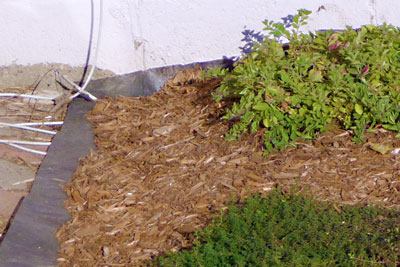
- Match aesthetics. If bed appearance matters, combine fabric with a 2–3 inch mulch layer to hide edges.
These steps simplify the weed barrier vs landscape fabric decision for most yard projects.
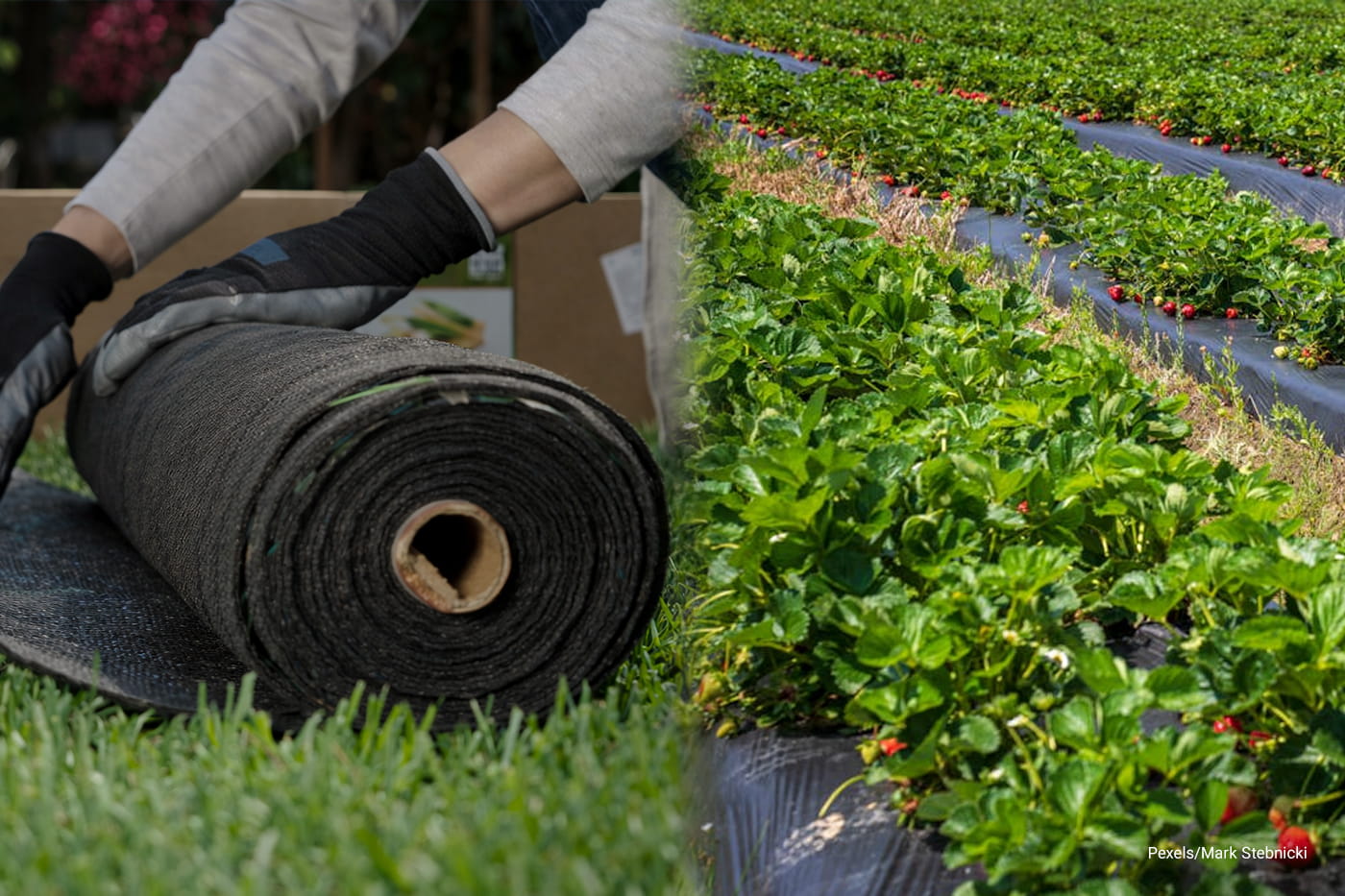
Installation guide for landscape fabric and other weed barriers
Good installation makes the biggest difference in performance.
- Clear the area. Remove weeds, roots, and debris. Level the soil to reduce gaps.
- Lay fabric flat. Roll it out in the direction you want. Smooth wrinkles and pull taut.
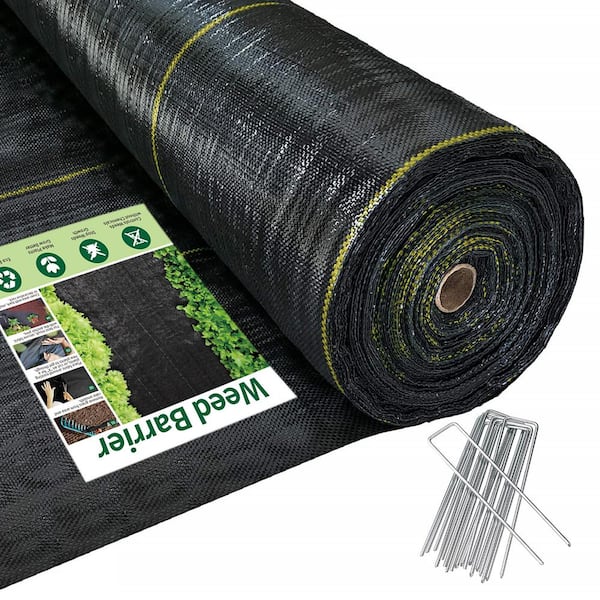
- Overlap seams. Use 6–12 inches of overlap for woven fabric; secure with landscape staples.
- Cut planting holes. Make X-shaped slits and fold fabric back to plant. Keep fabric away from stems to avoid moisture buildup.
- Add mulch. Cover with 2–3 inches of organic mulch to protect fabric and block light.
- Secure edges. Bury edges or pin with staples to prevent lifting and weed invasion.
Proper steps reduce failures often blamed on the fabric itself. When comparing weed barrier vs landscape fabric, installation often determines effectiveness more than material choice.
:max_bytes(150000):strip_icc()/spr-landscape-fabrics-apr-24-test-vevor-woven-weed-barrier-laura-hard-03-3e17bc018642489b9bd3202a30688bf5.jpeg)
Maintenance, common problems, and fixes
Landscape fabric and other weed barriers need minimal but regular care.
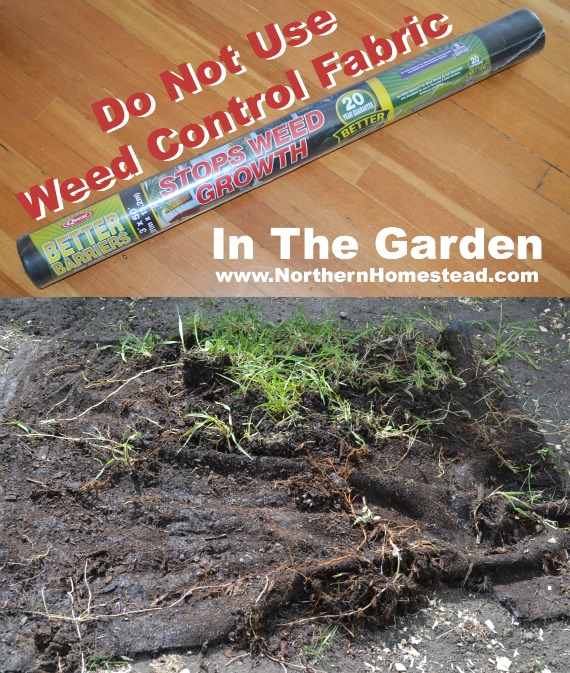
- Problem — weeds growing on fabric surface: This happens when mulch holds soil and seeds. Fix by raking away mulch, pulling seedlings, and adding fresh mulch.
- Problem — fabric shifting or tearing: Wind, foot traffic, and animals can move fabric. Re-pin staples or patch tears with a fabric patch.
- Problem — reduced soil life: Thick, compacted mulch and fabric can slow microbes. Occasionally remove mulch, add organic compost, and let soil breathe.
- Problem — fabric breaking down too fast: Cheap fabric can degrade under sun exposure. Use UV-rated fabric and cover it fully with mulch.
Simple maintenance extends fabric life. That helps the comparison weed barrier vs landscape fabric tilt in favor of fabric for many homeowners.
Environmental impact and long-term effects
Consider the soil and ecosystem when choosing a barrier.
Landscape fabric can reduce tilling and herbicide use. That helps soil structure and water retention. However, non-biodegradable fabrics can add microplastics to soil over time. Biodegradable barriers break down and feed soil, but they need replacement more often.
If you care about native insects and microbes, avoid sealed plastic. Choose porous fabrics or natural barriers like cardboard. Balance durability and soil health based on your long-term plan.
Costs and buying tips for weed barrier vs landscape fabric
Budget smart to get the best value.
- Price range: Landscape fabric can cost from a few cents to over a dollar per square foot, depending on weight and quality.
- Look for UV rating and weight: Higher GSM and UV protection mean longer life.
- Buy wider rolls if you have large beds. Fewer seams mean fewer weed paths.
- Check return policies and warranties. Reputable brands often offer longer guarantees.
When shopping, compare product specs and real user reviews. That helps you choose the best option in the weed barrier vs landscape fabric debate.
Personal experience and lessons learned
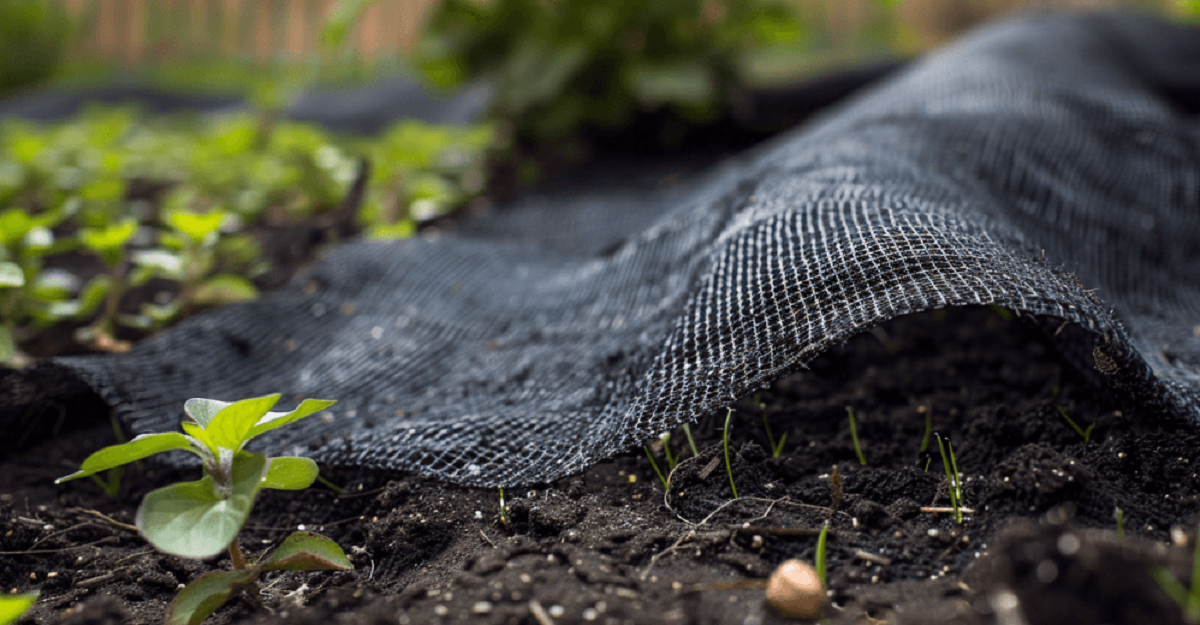
I installed landscape fabric under a new perennial bed five years ago. I used a mid-weight woven fabric and a 3-inch bark mulch top. The bed stayed tidy, and weeds were much reduced for the first three years.
The lesson: always remove weed roots before laying fabric. I once skipped that step and spent a season pulling deep-rooted weeds that grew through seams. I now recommend a simple trick: use a thin layer of compost under the fabric to keep soil healthy and encourage deeper root growth.
These real-world tips make the difference between success and frustration with weed barrier vs landscape fabric.
Frequently Asked Questions of weed barrier vs landscape fabric
What is the main advantage of landscape fabric over other weed barriers?
Landscape fabric allows water and air to reach plant roots while reducing weed growth under mulch. It offers long-term control when installed correctly and covered by mulch.
Can landscape fabric harm soil health?
If you use heavy fabric and keep it uncovered, soil life can decline. Covered, breathable fabric with periodic composting keeps soil healthy.
Is landscape fabric reusable?
High-quality woven fabric can be reused if it stays intact after removal. Biodegradable fabrics cannot be reused because they break down.
Will landscape fabric stop all weeds forever?
No. Landscape fabric limits many weeds, but seeds left on top of mulch or root runners can still cause problems. Regular maintenance is still needed.
Is cardboard better than landscape fabric for new beds?
Cardboard is a low-cost, natural option that breaks down and feeds soil. It is best for new beds but does not last as long as landscape fabric.
How deep should mulch be over landscape fabric?
Aim for 2–3 inches of organic mulch. This hides the fabric, slows weeds, and protects fabric from sun damage.
Can I plant vegetables with landscape fabric?
You can, but shallow-rooted vegetables may perform better without fabric. For vegetable rows, consider targeted fabric use or raised beds.
Conclusion
Choosing between weed barrier vs landscape fabric comes down to goals. For long-term, low-maintenance beds, breathable landscape fabric under mulch often wins. For short-term control or soil-building projects, cardboard or biodegradable barriers may be better. My practical tip: prepare the soil, install carefully, and add mulch. That gives the best results and keeps your garden healthy.
Take action: pick one small bed this weekend, try the method that fits your goals, and observe results for a season. Share your experience or questions below, and subscribe for more hands-on garden advice.