Landscape fabric suppresses weeds; mulch feeds soil, holds moisture, and looks natural.
As a landscape pro with years of hands-on work in home gardens and public spaces, I’ll walk you through landscape fabric vs mulch in plain terms. This article breaks down what each product does, when to use one or the other, and how they affect soil, water, and plant health. You’ll get clear comparisons, step-by-step installation tips, real-life lessons I learned, and quick answers to common questions so you can make the right choice for your yard.
What are landscape fabric and mulch?
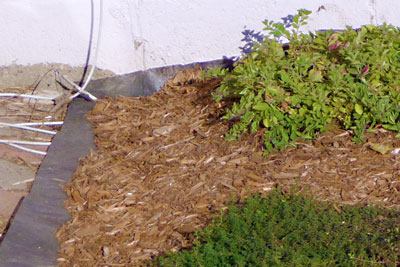
Landscape fabric is a woven or nonwoven material made from synthetic or natural fibers. It sits on top of soil to block light and slow weed growth. Landscape fabric often claims to be a long-term weed barrier.
Mulch is any organic or inorganic layer placed on soil. Organic mulch includes wood chips, straw, and compost. Inorganic mulch includes stone, rubber, and landscape fabric itself when used under rock beds.
Landscape fabric vs mulch is often framed as weed control versus soil health. Both reduce surface weeds, but they work in very different ways. Knowing the material and purpose helps you pick the right solution.

Benefits and drawbacks of landscape fabric vs mulch
Landscape fabric benefits include strong weed suppression and low short-term maintenance. Fabric reduces weeds by blocking light and can keep rock beds tidy. It also reduces the need to pull weeds every week.
Drawbacks of landscape fabric include reduced water infiltration and trapped organic matter. Over time soil builds up on top of fabric and weeds can grow in that layer. Fabric can also break down under UV and be hard to remove later.
Mulch benefits include improved soil health, moisture retention, and temperature moderation. Organic mulch slowly decomposes and feeds soil microbes and plants. Mulch also looks natural and can be refreshed easily each season.
Mulch drawbacks include faster decomposition, regular replacement, and potential for weeds if applied thinly. Some mulches can harbor pests or fungal issues if not maintained. In high-traffic or decorative rock beds, mulch may not give the tidy look some homeowners want.
Common quick questions people ask:
Will landscape fabric stop weeds forever?
No. Fabric helps for several years but soil, seeds, and debris on top let weeds grow. Regular upkeep or combining with mulch gives the best results.
Does mulch kill weeds?
Mulch reduces weed growth by shading seeds and keeping soil cooler. It does not create a permanent barrier; occasional weeding or a thicker layer is needed.
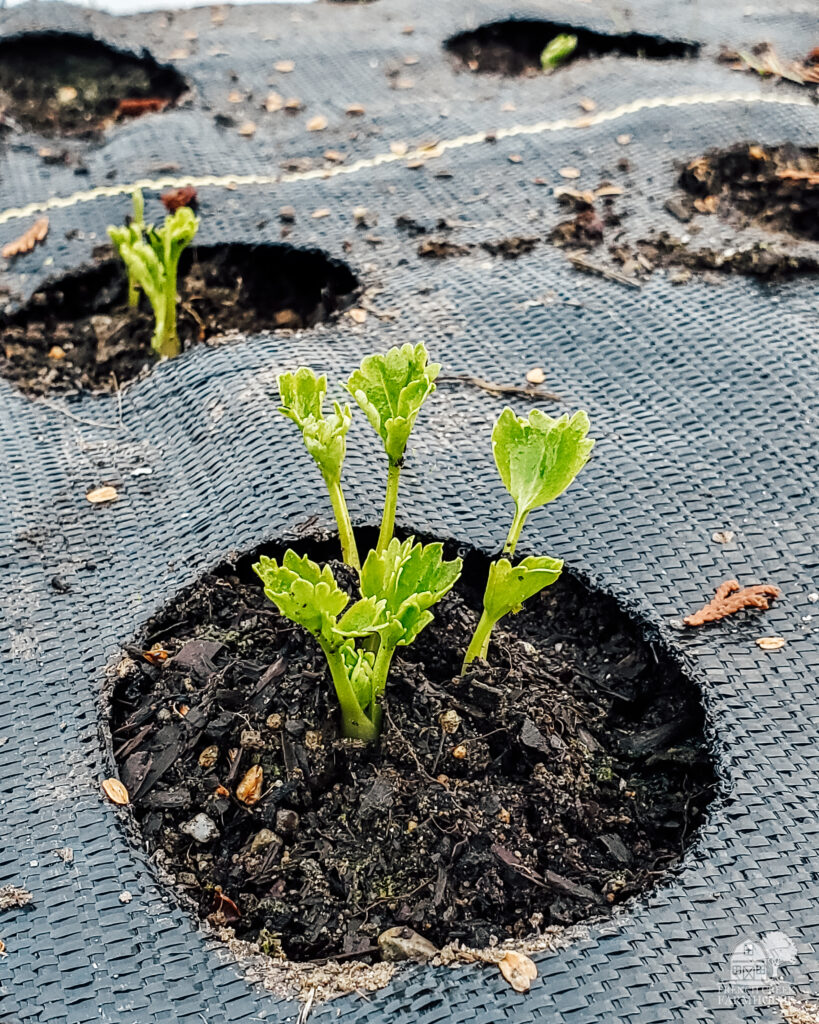
When to choose landscape fabric
Choose landscape fabric when you need long-lasting weed control under stone or pavers. It works well under pathways, driveways, and decorative rock beds. Fabric helps prevent rocks from sinking into soil and reduces weed growth between pavers.
Use fabric when you want low visible upkeep and you plan to avoid planting through the fabric. Landscape fabric is a good match for areas where plants won’t be changed often. If drainage is critical, pick a permeable fabric and test water movement first.
Avoid fabric under perennial beds or vegetable gardens where soil health and root growth matter. In those spots, mulch or no fabric is better for plant roots and microbes.

When to choose mulch
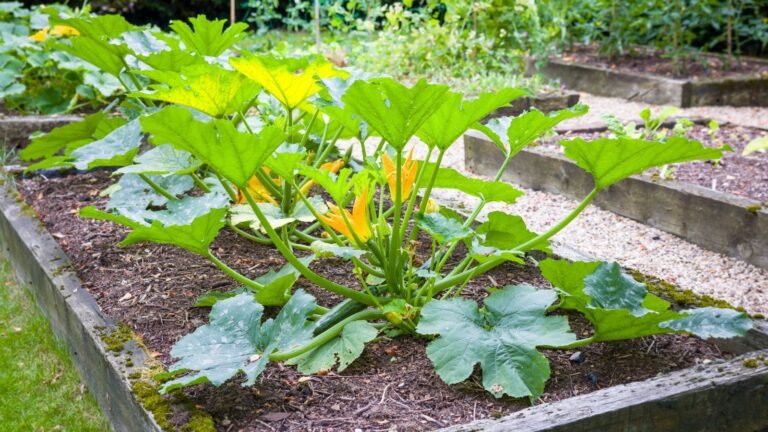
Choose mulch when you want to improve soil health, feed plants, and keep soil moist. Mulch is best for flower beds, vegetable gardens, and around trees. Organic mulch slowly releases nutrients and helps soil life thrive.
Use mulch to control erosion on slopes and to protect roots in hot or cold weather. You can layer mulch over fabric for decorative beds, but that mixes the pros and cons of both choices. For small gardens and raised beds, I usually recommend organic mulch and no fabric.
Mulch is also better when you foresee frequent planting changes or soil amendment needs. It’s simple to replace and won’t trap nutrients away from roots.
Installation and maintenance: landscape fabric vs mulch
Landscape fabric installation steps:
- Clear the area of weeds and debris so fabric lays flat.
- Cut fabric to fit and overlap seams by 6 to 12 inches.
- Secure with landscape staples every few feet and at seams.
- Make slits for plants and fold fabric tightly around stems or pavers.
Maintenance tips:
- Check edges annually and replace staples if fabric lifts.
- Remove trapped organic debris to prevent weed growth on top.
- Plan for eventual removal; label where fabric is buried.
Mulch installation steps:
- Clear weeds and water the soil before applying mulch.
- Apply 2 to 4 inches of organic mulch for most beds.
- Keep mulch 1 to 2 inches away from plant stems and tree trunks.
- Top up mulch yearly as it decomposes and settles.
Maintenance tips:
- Replenish mulch annually or as needed depending on type.
- Turn composting mulches to reduce compaction and matting.
- Monitor for pests or fungal issues in moist climates.
:max_bytes(150000):strip_icc()/spr-landscape-fabrics-apr-24-test-vevor-woven-weed-barrier-laura-hard-03-3e17bc018642489b9bd3202a30688bf5.jpeg)
Environmental, long-term, and cost comparison
Soil health and microbes do better with organic mulch. Mulch feeds worms and bacteria. Over time, mulch improves soil structure and water holding.
Landscape fabric can reduce organic matter contact with soil. That slows the nutrient cycle and can reduce soil life. In the long term, fabric under organic mulch can trap decomposing material and create a thin layer that still grows weeds.
Cost matters. Landscape fabric costs more upfront for quality, but can save time on weeding in rock beds. Organic mulch costs less per bag but needs yearly top-ups. Over years, mulch can become more economical if you value soil improvement.
Environmental trade-offs:
- Mulch is renewable and biodegradable when organic.
- Synthetic fabrics add plastic to the landscape and may need replacement.
- Stone over fabric avoids yearly mulch costs but does not improve soil.
For sustainable yards, I favor mulch in planting areas and reserve fabric for utility zones like walkways, where soil health is less important.
Personal experiences and practical tips
From years of installing beds, I learned a few hard lessons about landscape fabric vs mulch. I once installed fabric under a perennial bed to cut weeds. Years later I found soil and roots matted on top of the fabric. It was messy to remove and stressed the plants.
My best results came when I used fabric only under rock paths and used organic mulch in planting beds. That setup kept weeds down in walkways without harming soil in the beds. Another tip: when using fabric under rocks, add a thin layer of landscape cloth that is breathable. It reduces weed growth without fully blocking water.
Practical tips I use and recommend:
- Use breathable fabric for drainage areas.
- Never pile mulch against plant stems or tree trunks.
- Replace thin mulch yearly to maintain its weed-control power.
- Combine a weed barrier with a thick organic mulch only in strictly decorative beds.
These small steps will save time and keep plants healthy. Trust your hands-on observations. If something feels wrong after install, check drainage and soil life first.

Frequently Asked Questions
What lasts longer: landscape fabric or mulch?
Landscape fabric lasts longer at blocking light, but it can degrade slowly and trap debris. Mulch needs annual topping but improves soil as it decomposes.
Can I put mulch over landscape fabric?
Yes, you can. Mulch over fabric can hide the fabric and add insulation, but trapped organic matter can still seed weeds over time.
Will landscape fabric hurt plant roots?
Fabric placed directly under root zones can limit root expansion and reduce natural soil processes. Use fabric only when you don’t expect roots to need the soil below.
How thick should mulch be to prevent weeds?
Apply 2 to 4 inches of organic mulch for most beds. Too thin a layer won’t stop weeds; too thick can smother plants and hold pests.
Is landscape fabric eco-friendly?
Synthetic landscape fabric is not fully eco-friendly because it is plastic-based and may last for decades. Natural fiber fabrics are better for short-term use but still act as a barrier.
Can I remove landscape fabric later?
Yes, but removal can be labor intensive and can damage plant roots if fabric is matted with soil and roots. Plan removal in small sections to protect plants.
Is rock mulch better than wood mulch?
Rock mulch lasts longer and is low maintenance but does not improve soil. Wood mulch breaks down and feeds soil but requires replacement more often.
Conclusion
Landscape fabric vs mulch boils down to purpose: pick fabric for long-term weed control under hardscapes, and pick organic mulch for plant beds, soil health, and moisture. Both have roles in a smart landscape plan. Start by assessing the area, your maintenance goals, and the needs of your plants, then choose the material that matches those goals.
Take action this weekend: inspect a bed, test drainage, and try a small trial patch with either fabric or mulch. See how your plants respond. If you found this guide helpful, leave a comment with your garden situation or subscribe for more hands-on garden advice.