Organic fertilizer builds soil health for the long term; chemical fertilizer gives fast growth but can degrade soil.
I have worked with small farms and home gardens for over a decade. I will walk you through Organic Fertilizer vs Chemical Fertilizer with clear facts and real experience. You will learn what each type is, how they work, pros and cons, costs, and when to choose one over the other. This guide mixes research, hands-on tips, and simple next steps you can use today.

Understanding Organic Fertilizer vs Chemical Fertilizer
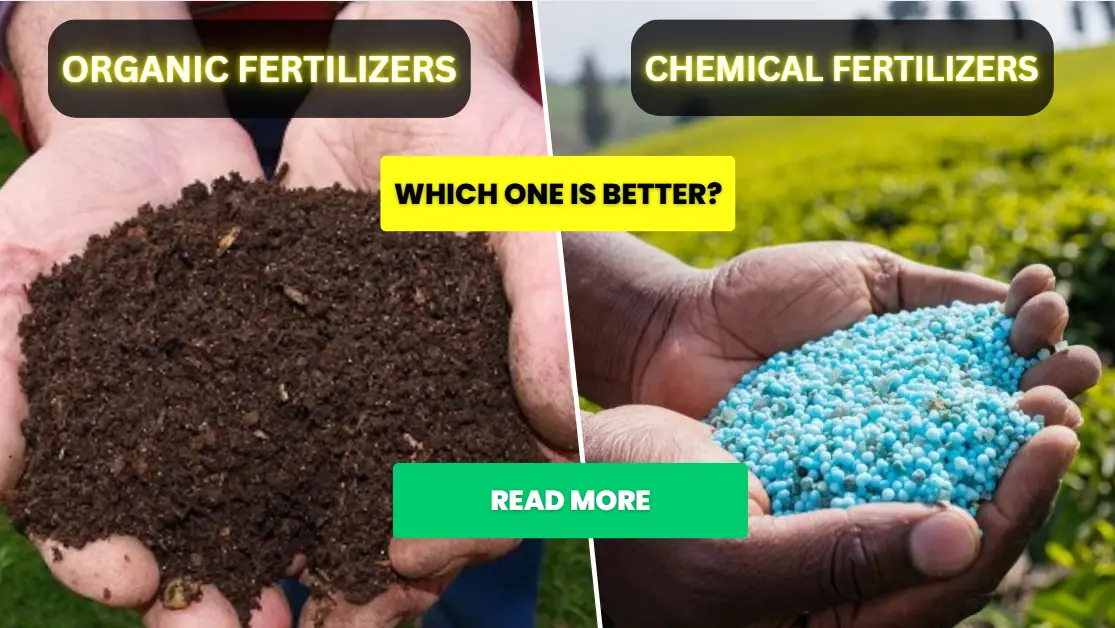
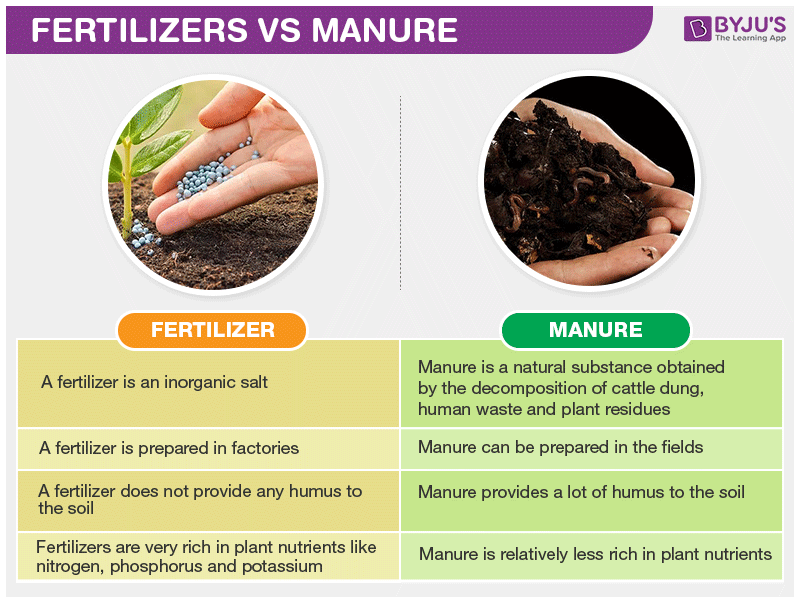
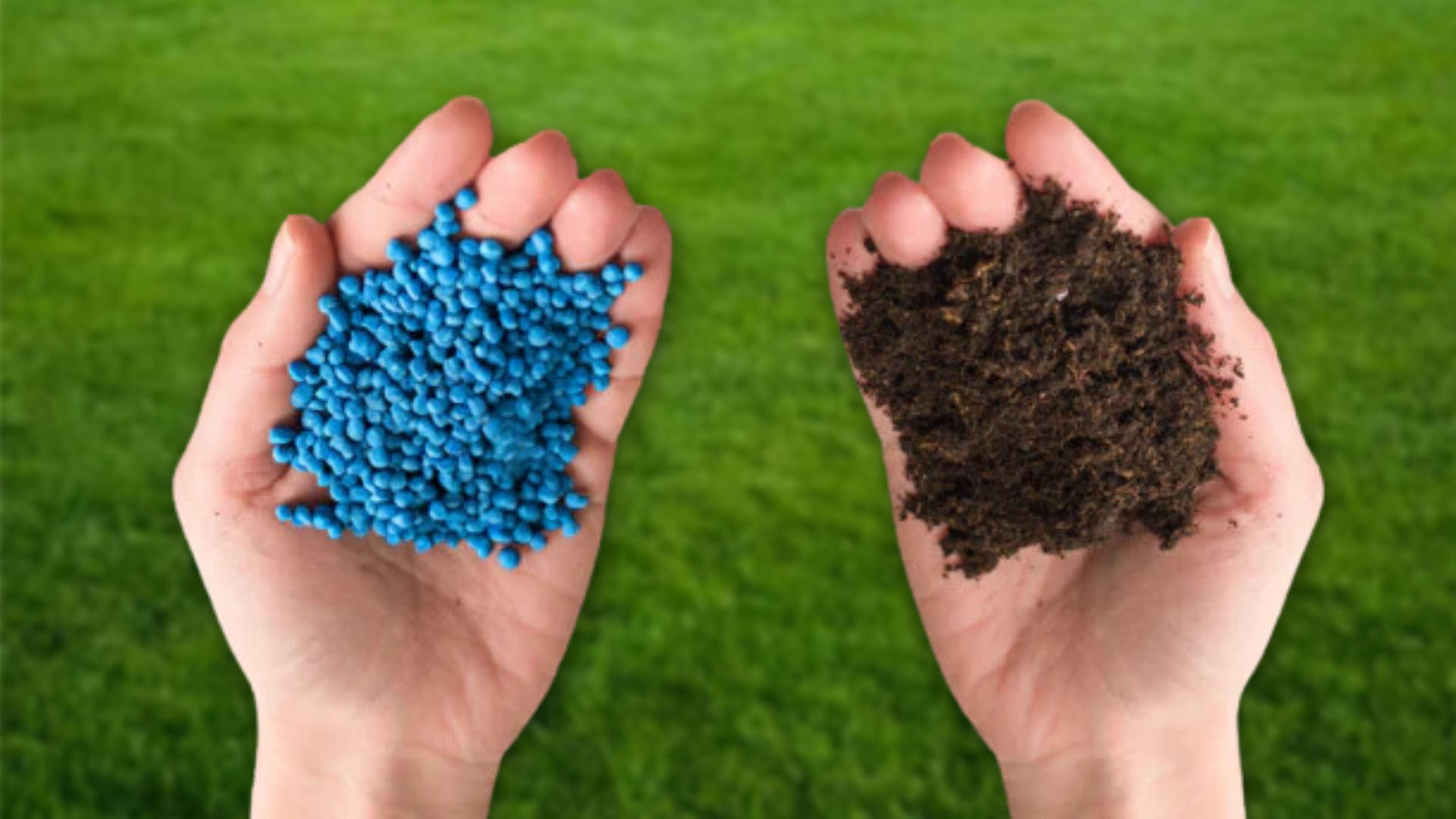
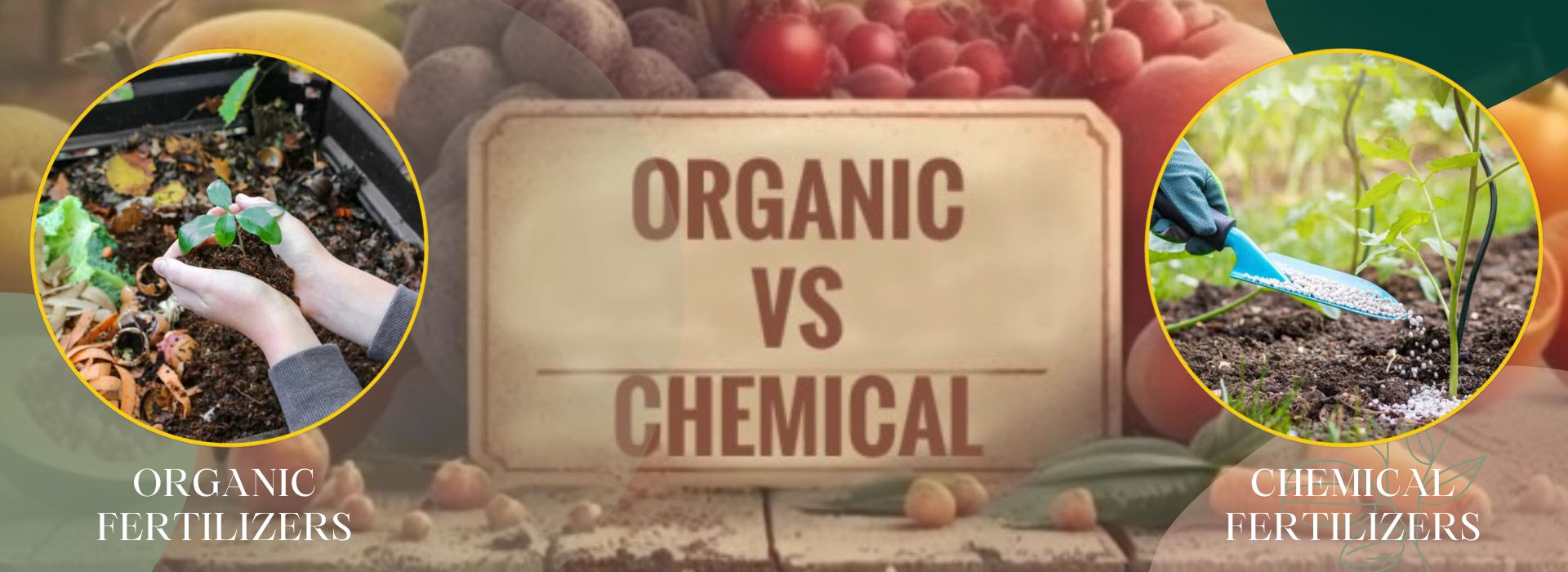
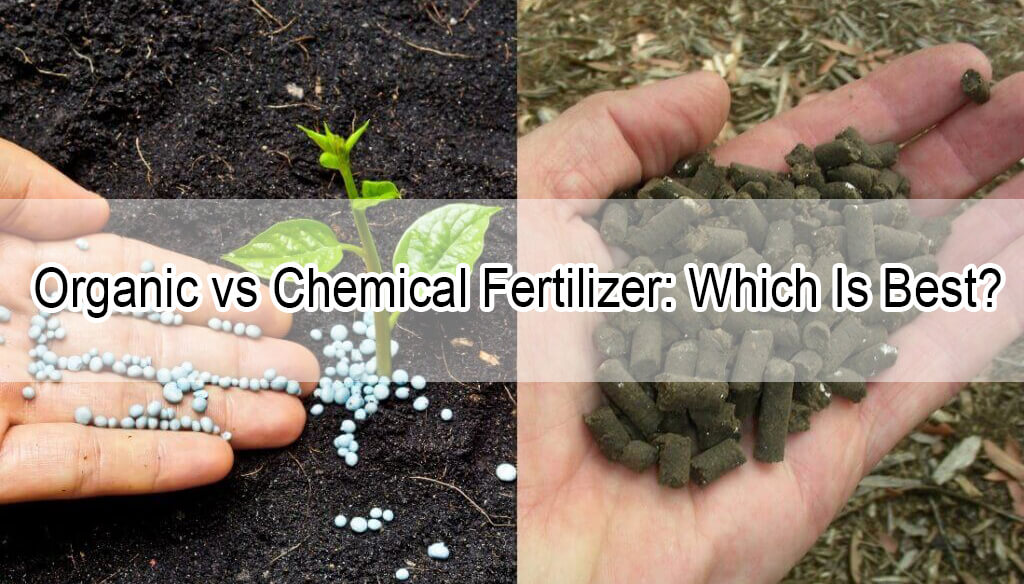
Organic fertilizer comes from natural sources. It includes compost, manure, bone meal, and plant residues. Organic materials feed soil life and release nutrients slowly.
Chemical fertilizer is made from manufactured salts and concentrated minerals. It supplies specific nutrients fast. Farmers use it to correct quick deficiencies or to boost yields.
When we compare Organic Fertilizer vs Chemical Fertilizer, the key difference is how nutrients are delivered and how soil responds. Organic builds soil. Chemical feeds the plant quickly.
How Organic Fertilizer vs Chemical Fertilizer Work
Organic fertilizer releases nutrients as soil microbes break down organic matter. This slow release matches plant needs over time. It improves soil structure and water holding.
Chemical fertilizer dissolves in water and is immediately available to plant roots. This gives fast green-up and quick yield response. Overuse can lead to salt buildup and nutrient runoff.
Common nutrients and their roles:
- Nitrogen: Promotes leaf and stem growth.
- Phosphorus: Supports root and flower development.
- Potassium: Aids overall plant health and drought resistance.
PAA-style questions people often ask:
Do organic fertilizers work as fast as chemical ones?
No. Organic fertilizers act slowly because microbes must break them down. They are better for long-term health.
Can I mix organic and chemical fertilizers?
Yes. A combined approach can give quick nutrients and long-term soil gains. Use chemical for immediate needs and organic for soil building.
Will chemical fertilizer harm soil life?
High rates can reduce some microbes and earthworms over time. Proper use and occasional organic additions lower risk.

Benefits of Organic Fertilizer vs Chemical Fertilizer
Organic fertilizer benefits:
- Improves soil structure and porosity.
- Feeds soil microbes and earthworms.
- Releases nutrients slowly to reduce leaching.
- Builds long-term fertility and resilience.
Chemical fertilizer benefits:
- Provides precise nutrient ratios.
- Acts fast to correct deficiencies.
- Often cheaper per unit of nutrient.
- Easy to apply with standard equipment.
When weighing Organic Fertilizer vs Chemical Fertilizer, think short-term needs versus long-term soil goals. For steady soil health, organics win. For instant crop response, chemical products often deliver.
Limitations and Risks of Organic Fertilizer vs Chemical Fertilizer
Organic limitations:
- Slower nutrient release.
- Nutrient concentrations vary by batch.
- May introduce weed seeds or pathogens if not treated.
- Can be bulkier and heavier to transport.
Chemical limitations:
- Risk of nutrient runoff and water pollution.
- Can cause soil acidification or salinity if misused.
- Less support for soil organic matter and microbes.
- Dependence on repeat applications for sustained fertility.
I once over-applied a high-nitrogen chemical mix on tomatoes. The plants grew lush leaves but had fewer fruits. That taught me to balance quick feeding with soil-building.
Environmental and Health Impacts of Organic Fertilizer vs Chemical Fertilizer
Organic approaches reduce runoff and help store carbon in the soil. Healthy soil holds more water. It buffers plants against drought and disease.
Chemical fertilizers can cause algal blooms and groundwater nitrate contamination if misapplied. They also have an industrial production footprint that adds to emissions.
Practical practices to reduce harm:
- Use soil tests to apply only what is needed.
- Apply split doses rather than one heavy dose.
- Add organic matter regularly to offset chemical impacts.
Cost, Practical Use, and Availability
Chemical fertilizers are often cheaper per pound of nutrient. They are easy to find at farm stores and garden centers. Application is straightforward with spreads or sprayers.
Organic fertilizers can cost more in labor or transport. Many gardeners make compost to save money. Local availability varies by region.
Tips from my work:
- Test soil before buying fertilizer. It saves money and prevents overuse.
- Use chemical fertilizer for immediate fixes and organic matter for lasting gains.
- Buy in bulk for large areas to lower unit cost.
Choosing Between Organic Fertilizer vs Chemical Fertilizer
Decide based on goals. If you want quick results for a market crop, chemical fertilizer may be useful. If you want healthy soil and steady yields over years, favor organic inputs.
A blended strategy often works best:
- Use a small chemical dose early in the season for a fast start.
- Add compost and organic amendments to build soil.
- Monitor plant growth and soil tests to adjust.
Personal rule I follow:
- Feed the soil first, the plant second. Start with compost. Top up with targeted chemical nutrients only when a test shows a gap.

Frequently Asked Questions of Organic Fertilizer vs Chemical Fertilizer
What is the main difference between organic and chemical fertilizer?
Organic fertilizer comes from natural plant or animal sources and builds soil life. Chemical fertilizer is manufactured and provides nutrients quickly.
Which fertilizer is better for long-term soil health?
Organic fertilizer is better for long-term soil health because it increases organic matter and supports microbes. Chemical fertilizer does not build soil organic matter.
Can chemical fertilizers be used safely?
Yes. When used according to soil tests and label rates, chemical fertilizers can be safe and effective. Proper timing and dose prevent runoff and waste.
How often should I apply organic fertilizer?
Organic inputs are typically applied once or twice a year, often at planting and as a top dressing. Timing depends on crop needs and the product used.
Will organic fertilizer give the same yield as chemical fertilizer?
Organic systems can match chemical yields over time if soil health is restored and nutrient cycling is managed well. Early on, yields may be lower until soil is rebuilt.
Conclusion
Organic Fertilizer vs Chemical Fertilizer is not a simple choice. Each has clear strengths. Organic fertilizer builds soil and long-term resilience. Chemical fertilizer gives fast, predictable nutrients. Use soil tests, match tools to goals, and consider a mixed approach for the best results. Start small: test your soil, add compost, then use targeted chemical inputs only if needed. Try one change this season and watch how your soil and plants respond. Share your results or questions below and subscribe for more practical gardening and farm advice.