Drip irrigation offers precise, targeted watering; soaker hoses are simpler and cheaper for beds.
If you are torn between drip irrigation vs soaker hose, you are not alone. I design and maintain home and market gardens, and I have tested both across clay, loam, and sandy soils. This guide breaks down how each system works, what it costs, how it performs with real plants, and how to choose the right tool for your yard. Stick with me, and you will know when drip wins, when a soaker shines, and how to avoid the mistakes that waste water and stress plants.
:strip_icc()/BHG-Drip-Irrigation-vs.-Soaker-Hose_185280890-_100654813-b41cdb98b91043039e2fd76aaf96c7c0.jpg)
How drip irrigation and soaker hoses work
Drip irrigation moves water through tubing to tiny emitters. Each emitter gives a set flow rate, like 0.5 or 1 gallon per hour. Water drips at the root zone, not on leaves. You can space emitters to match plant needs.
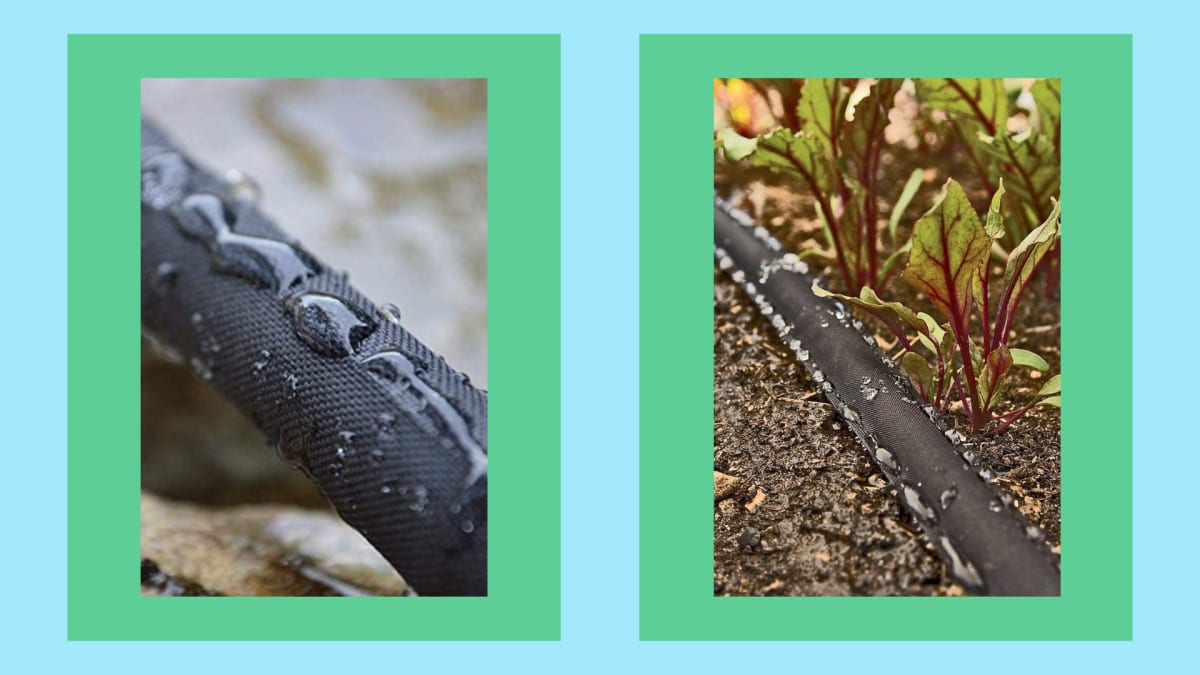
A soaker hose is a porous hose. Water seeps out along its full length. You lay it on the soil and it releases a slow, steady line of moisture. It is simple and fast to set up.
Both systems reduce evaporation compared to sprinklers. Both work best under mulch. But they differ in control, reach, and upkeep.
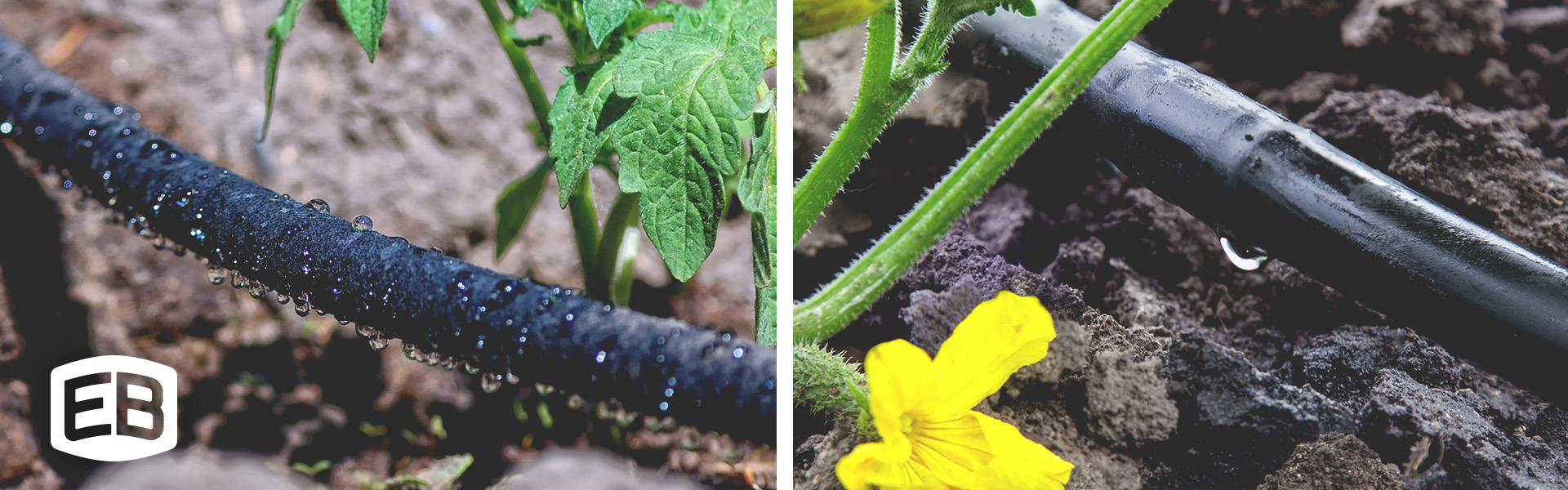
Drip irrigation vs soaker hose: side-by-side comparison
Here is how drip irrigation vs soaker hose compares in key areas:
- Precision watering: Drip wins. You place emitters at each plant. Soaker hoses wet everything near the hose.
- Ease of setup: Soaker wins. Uncoil, stake, and connect. Drip needs parts and a plan.
- Water use efficiency: Drip is higher, especially with mixed plants. Soakers can overwater gaps between plants.
- Flexibility: Drip scales to beds, pots, trees, and hedges. Soakers suit straight beds and rows.
- Cost: Soakers have a lower upfront cost. Drip can cost more but saves water long term.
- Maintenance: Drip clogs less with a filter. Soakers can clog from minerals and kink when moved.
- Lifespan: Quality drip tubing lasts several seasons to a decade. Soakers often degrade faster in sun and with high pressure.
In many gardens, a mix is best. Drip for shrubs, trees, and beds with varied plants. Soakers for dense rows, short beds, and seasonal crops.

When to choose drip irrigation
Pick drip irrigation if you need control and scale. It shines when you have shrubs, fruit trees, perennials, or mixed borders. It is ideal for drought-prone areas and strict watering rules.
Use drip if your soil is sandy. Water moves down fast there. Emitters can pulse water slowly to cut loss. Drip also suits slopes, since point sources reduce runoff.
Choose drip for patios and pots. Microtubing and stakes keep containers happy while you travel. You can automate it with a timer and keep flow steady with a pressure regulator and filter.

When to choose a soaker hose
Pick a soaker hose for simple beds and straight rows. It is great for raised beds with even plant spacing. Think lettuce, beans, onions, and cut flowers.
Use a soaker when you need a budget fix this weekend. You can connect one to a hose bib and be watering in minutes. It works best on flat ground and in loam or clay that spreads water sideways.
Soakers are also handy for seasonal beds. Lay them out in spring. Roll them up in fall. Quick, cheap, done.

Cost, installation, and maintenance
Costs vary by garden size. Here is a realistic range for drip irrigation vs soaker hose:
- Soaker hose: Often 15–30 dollars per 50 feet. Add a simple timer if you want.
- Drip irrigation: Starter kits run 30–120 dollars per zone. Extra emitters and fittings add a bit more.
Key parts for drip:
- Backflow preventer to protect your water supply.
- Filter, often 150–200 mesh, to stop clogs.
- Pressure regulator, usually 20–30 psi for drip lines.
- Mainline tubing, 1/2 inch, with 1/4 inch feeders to emitters.
Key parts for soaker:
- Pressure reducer, often 10–25 psi, since high pressure can split the hose.
- Quick-connects and stakes.
Maintenance tips:
- Flush drip lines each season and check emitters.
- Replace soaker sections that harden, crack, or clog.
- Mulch over both systems to protect from sun and to even out moisture.
- Use clean water. Hard water speeds clogs in both.
These steps improve lifespan and keep flow even.

Water savings, plant health, and soil impact
Field trials by extension programs show both systems save water over sprinklers. Drip often saves 30–50 percent thanks to precise delivery. Soakers can save similar amounts in dense beds but may be less uniform.
Plant health improves when leaves stay dry. That reduces disease risk. Drip irrigation vs soaker hose both support deep roots if you water slow and long. In heavy clay, longer but less frequent cycles help water soak instead of run off.
Soil structure matters. Sandy soils like slow drip. Clay likes pulse cycles with breaks. In all soils, mulch cuts evaporation and keeps the surface cool.

Real-world lessons from the garden
I once ran a soaker down a long hedge. The high spots stayed dry. The low spots puddled. I switched to drip with two emitters per shrub. The hedge evened out within weeks.
In a market bed of salad greens, a soaker hose under mulch was a star. It was cheap, fast to install, and gave a broad, even band of moisture. Later, in a mixed perennial bed, soakers wasted water in bare gaps. Drip irrigation fixed that and cut my water bill.
The big lesson in drip irrigation vs soaker hose: match the tool to plant spacing and soil. Precision wins in mixed beds. Simplicity wins in uniform rows.
Design tips and simple setup steps
Use these steps to get great results the first time.
For drip irrigation:
- Map plants, group by water need, and plan zones.
- Install backflow preventer, filter, and 20–30 psi regulator.
- Run 1/2 inch mainline, then 1/4 inch lines with 0.5–1 gph emitters.
- Place two emitters for shrubs and trees, near the drip line.
- Bury or mulch lines. Set a timer. Start with 30–60 minutes, 2–3 times a week, then adjust.
For soaker hoses:
- Keep runs under 100 feet per zone for even flow.
- Use a 10–25 psi pressure reducer.
- Snake the hose 12–18 inches apart in vege beds.
- Cover with 2–3 inches of mulch to reduce evaporation.
- Water until the top 6 inches of soil are damp. Adjust by soil type.
Test, then tweak. Small changes make a big difference.

Common mistakes and troubleshooting
Avoid these common traps in drip irrigation vs soaker hose:
- Running at house pressure. Always use a regulator.
- Skipping the filter on drip. Sediment will clog emitters.
- Long soaker runs with many kinks. Keep lines straight and short.
- Watering too often. Aim for deep, infrequent cycles.
- Leaving systems in full sun with no mulch. UV and heat shorten life.
Quick fixes:
- Uneven wetting on a soaker: Split the run into two shorter zones.
- Drip emitter clogs: Flush lines, clean or replace emitters, check filter mesh.
- Dry plants on slopes: Use lower flow emitters and add check valves if needed.
Fast answers to popular searches
Here are short answers people often want when comparing drip irrigation vs soaker hose.
Which is better for raised beds?
Soaker hoses are fast and cheap for uniform rows. Drip wins if plant spacing is uneven or beds are long.
Do I need a filter or pressure regulator?
Yes for drip, both are must-haves. For soakers, a regulator prevents bursts and evens flow; a filter helps if water has grit.
Can I bury the lines?
You can bury or mulch both, but keep access points visible. Shallow mulch is best so you can inspect and adjust.
Frequently Asked Questions of drip irrigation vs soaker hose
Is drip irrigation hard to install for a beginner?
It is easier than it looks. Starter kits include the key parts and clear steps.
Will a soaker hose work with a rain barrel?
Yes, if you have enough head pressure or a small pump. Add a filter to reduce clogs.
How long should I run each system?
Water until the soil is moist 6 inches deep. Start with 30–60 minutes, then adjust for soil, weather, and plant needs.
Can I use both systems in one yard?
Yes. Use drip for shrubs, trees, and pots, and soakers for straight vegetable rows. Run them on separate zones.
Which system is better for drought rules?
Drip irrigation is often approved under strict rules. It targets roots and reduces waste.
Conclusion
Drip irrigation vs soaker hose is not a one-size choice. Pick drip for precision, mixed plantings, slopes, and long-term savings. Pick a soaker for simple beds, quick setups, and tight budgets.
Try one small zone this week. Track soil moisture, plant growth, and your water bill. Then scale what works. If you want more tips, subscribe for updates or drop your garden questions in the comments.