Organic mulch feeds soil life; inorganic mulch excels at long-term, low-maintenance coverage.
If you want healthy, tidy beds that save water and beat weeds, you need the right mulch. I’ve tested both for years in home gardens and tough commercial sites. This guide breaks down organic vs inorganic mulch with clear definitions, real data, and field tips. By the end, you’ll know exactly when to use organic vs inorganic mulch, how to install it, and how to avoid costly mistakes.

What Is Mulch? Definitions and Types
Mulch is a layer of material placed on soil. It protects roots, saves water, and reduces weeds. It can also shape the look of your landscape.
There are two broad groups:
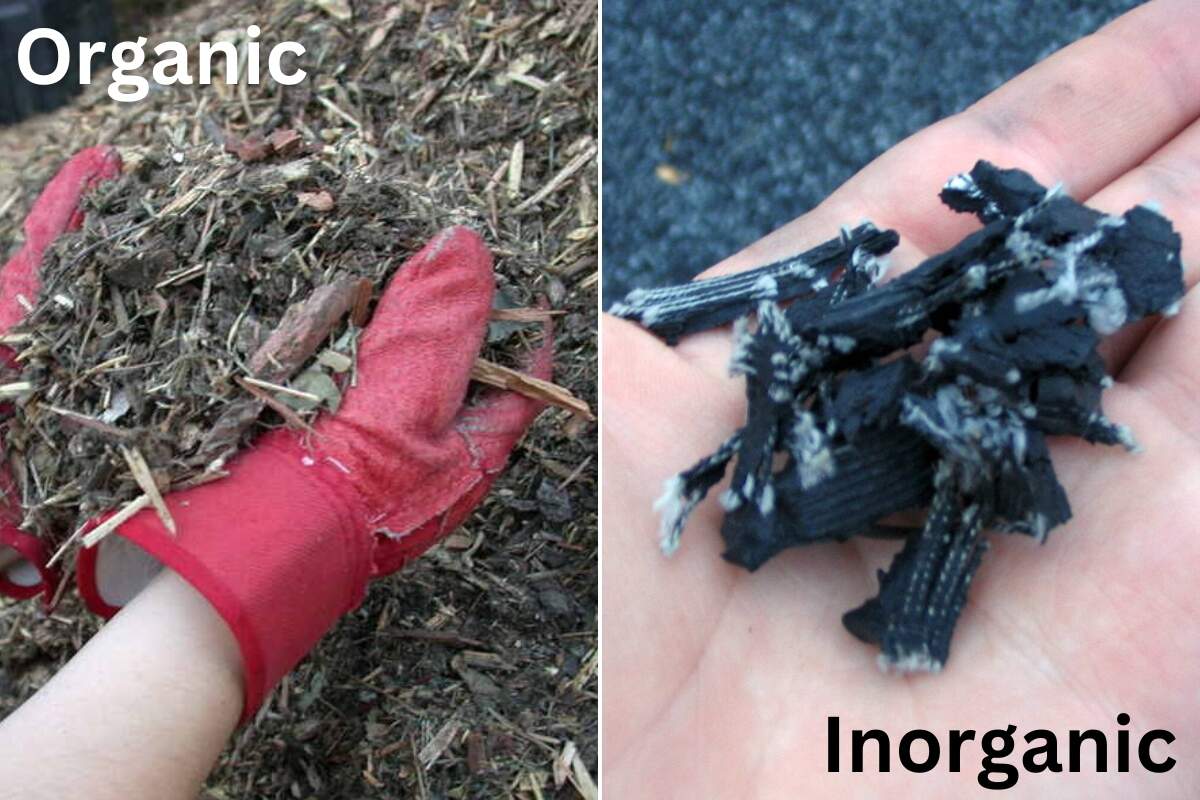
- Organic mulch. Plant or animal based. It breaks down and feeds the soil.
- Inorganic mulch. Mineral or synthetic. It does not decompose much and lasts longer.
Common organic mulches:
- Arborist wood chips, bark, shredded leaves, straw, pine needles, compost.
Common inorganic mulches:
- Gravel, river rock, pea stone, rubber mulch, landscape fabric, plastic sheeting.
Think of organic mulch as a slow-release meal for your soil. Inorganic mulch is more like a roof. It covers and shields the ground with less upkeep.

Organic Mulch: Benefits, Limitations, Best Uses
Organic mulch includes wood chips, bark, straw, leaves, compost, and pine needles. It breaks down over time. As it does, it adds organic matter.
Key benefits:
- Nurtures soil life. It boosts microbes, worms, and structure.
- Saves water. It cuts evaporation and keeps roots cool.
- Feeds plants. Nutrients release slowly.
- Soft feel and natural look. Good for wildlife gardens and play areas.
- Improves soil over time. Better tilth, more carbon, and gentler pH shifts.
Limitations:
- Needs topping up every 1–3 years.
- Some materials blow away in wind.
- Fresh wood chips can tie up nitrogen if mixed into soil. Keep chips on top.
- Can harbor weed seeds if not clean. Choose quality sources.
Best uses:
- Vegetable beds with straw or shredded leaves.
- Perennial borders and trees with arborist chips or bark.
- Slopes with shredded bark that locks in place.
- Paths with chips that are easy on joints.
Depth guide:
- Apply 2–4 inches. Keep 3–6 inches of bare space around trunks and stems.
- For seeds and tiny starts, use a light 1–2 inch layer.
My field note: In orchard rows, a 3-inch chip layer cut my watering by a third. Trees flushed with steady growth and fewer weeds.
Inorganic Mulch: Benefits, Limitations, Best Uses
Inorganic mulch includes gravel, rock, rubber, and fabrics or plastic films. It focuses on long life and low upkeep.
Key benefits:
- Long-lasting coverage. Fewer reapplications.
- Good on high-traffic or windy sites.
- Clean look around modern homes and dry gardens.
- Works with drip irrigation under rock.
Limitations:
- Does not feed soil. Can create compacted, dry layers beneath.
- Rocks raise soil heat in hot climates.
- Rubber mulch can leach compounds and gets very hot. Avoid near edibles.
- Landscape fabric clogs over time. Weeds root on top and are hard to pull.
Best uses:
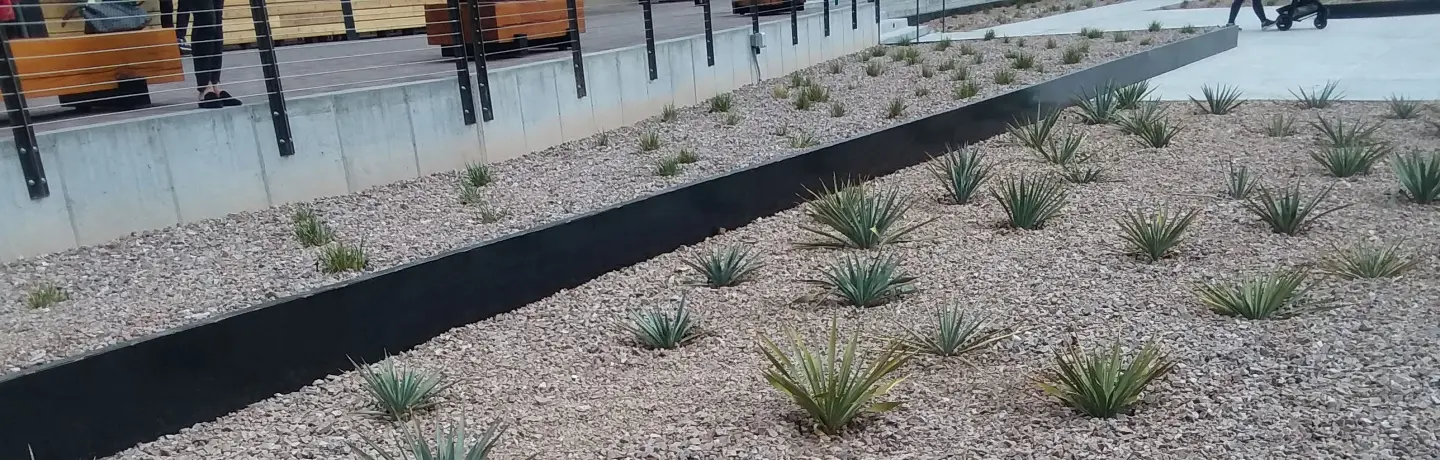
- Xeriscapes with drought-tolerant shrubs and cacti.
- Steep banks with rock and geotextile for erosion control.
- Around HVAC units, dog runs, or splash zones where wood rots fast.
- Play spaces where clean, stable footing is key. Consider tested materials.
Depth guide:
- Gravel or rock: 1.5–2.5 inches over a breathable geotextile. Not plastic.
- Rubber mulch: follow product specs; heat can be severe in sun.
My field note: At a retail plaza, 2 inches of pea gravel over fabric cut litter cleanup in half. Drip lines below kept shrubs happy with minimal water.
Organic vs Inorganic Mulch: Side-by-Side Comparison
Performance:
- Moisture control: Both work. Organic stays cooler and holds moisture better in most soils.
- Weed control: Both help. Inorganic with fabric can block tough perennials, but weeds still root in blown-in dust on top.
- Soil health: Organic wins. It adds carbon and life.
Maintenance:
- Organic: Replenish every 1–3 years, spot weed, stir crusts.
- Inorganic: Rarely add more, but vacuum or rake debris. Watch heat and fabric clogs.
Cost and lifespan:
- Organic: Lower upfront, steady renewal. Long-term soil gains save money on fertilizer and water.
- Inorganic: Higher upfront, long lifespan. May cost more to remove or refresh.
Aesthetics and safety:
- Organic: Soft, natural, cooler underfoot.
- Inorganic: Clean, modern, but can glare and get hot. Rubber can smell and ignite.
When people ask about organic vs inorganic mulch, I frame it like this: choose organic to build soil and grow plants; choose inorganic for permanence and low care.
How to Choose for Your Yard, Beds, and Climate
Match mulch to goals:
- Want richer soil and more blooms? Choose organic mulch.
- Want tidy, set-and-forget beds? Choose inorganic mulch.
Match to climate:
- Hot, arid zones: Light-colored rock reflects heat, but watch plant stress. Organic chips keep roots cooler.
- Wet climates: Coarse bark sheds rain and resists rot. Avoid plastic covers that trap water.
Match to plants:
- Vegetables and annuals: Organic choices like straw or compost.
- Trees and shrubs: Arborist chips or bark for the win.
- Cacti and succulents: Gravel or rock suits their roots.
Match to site:
- Slopes: Shredded bark or anchored rock. Avoid slick fabric alone.
- Around foundations: Keep any mulch a few inches below siding. Leave a clear gap to deter pests.
Compliance:
- Check HOA, fire codes, and local rules. Some zones limit rubber or dyed mulch. Many fire-wise guides favor coarse, moist organic mulch in the inner yard zones.
Callout on organic vs inorganic mulch: Use a hybrid plan where it fits. Organic in planting zones. Rock in utility strips and splash zones.
Installation and Maintenance Tips
Plan and prep:
- Remove big weeds. Leave fine roots in place if safe to hold soil.
- Water the bed well before mulching.
- Edge beds to hold mulch in place.
Install organic mulch:
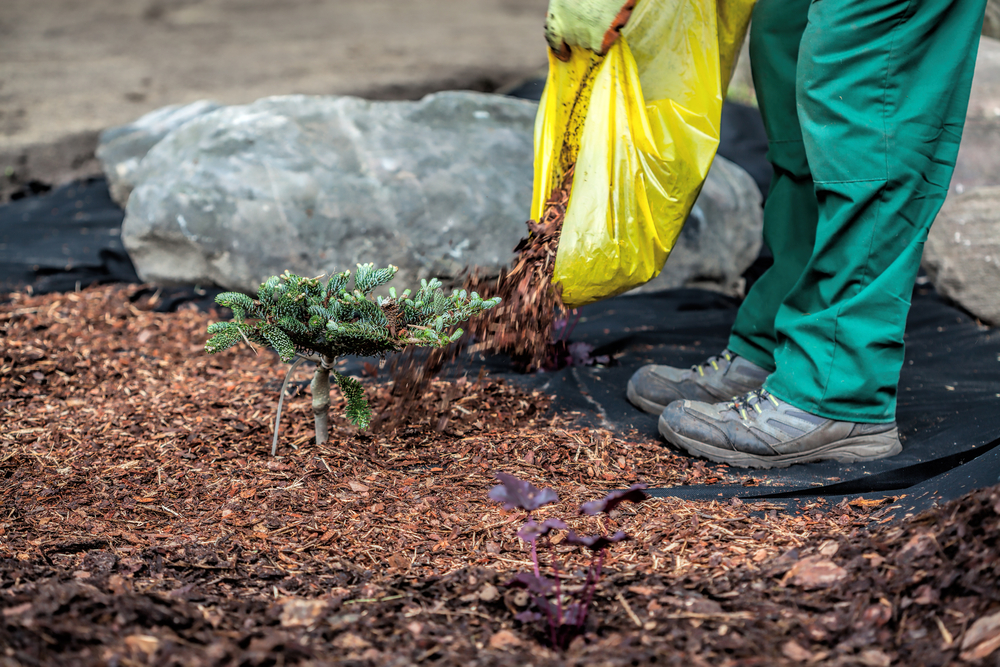
- Spread 2–4 inches evenly.
- Keep mulch off trunks and crowns. Expose the root flare.
- For shrubs and trees, create a saucer shape to catch water.
Install inorganic mulch:
- Lay a breathable geotextile on soil, not plastic. Cut X’s for plants.
- Spread 1.5–2.5 inches of gravel or rock.
- Pin fabric edges and tuck neatly under edging.
Maintenance:
- Top up organic mulch yearly as it settles.
- Fluff crusted layers to let in air and water.
- For rock, blow or rake out leaves so soil does not build up on top.
- Inspect for pests, irrigation leaks, and heat stress.
Pro tip: A cubic yard covers about 100 square feet at 3 inches. Measure first so you buy the right amount.

Cost, Lifespan, and Sustainability
Costs vary by region and source:
- Organic mulch is cheaper per load and easier to spread. Arborist chips are often free.
- Inorganic mulch costs more to buy and move. It can save on labor over time.
Lifespan:
- Organic: 1–3 years before topping up. Faster in warm, wet zones.
- Inorganic: 5–20+ years, depending on material and traffic.
Sustainability notes:
- Organic mulch stores carbon in soil and supports biodiversity.
- Choose clean, local sources. Avoid contaminated recycled wood.
- Rock has higher transport emissions. Use local stone.
- Rubber mulch may leach zinc and other compounds. Many gardeners avoid it near food crops.
Balanced take on organic vs inorganic mulch: Organic improves soil function, which pays off for years. Inorganic reduces labor and suits harsh sites.
Safety, Pests, and Common Myths
Termites and wood mulch:
- Wood mulch does not attract termites from afar. It can create moist cover if piled against structures.
- Keep mulch 6–12 inches from foundations. Do not bury siding.
Fire risk:
- All mulches can burn when dry. Keep beds moist and well-spaced in fire-prone areas.
- Rubber ignites fast and burns hot. Many codes advise against it near buildings.
Dyes and chemicals:
- Dyed mulch can be safe if made from clean wood and stable colorants. Quality varies by supplier.
- When in doubt, choose natural bark or certified products.
Landscape fabric:
- It blocks weeds at first. Over time, silt clogs it and weeds root on top.
- If you use fabric, pair with rock and plan for upkeep.
Heat stress:
- Rocks heat up fast in full sun. Many perennials fail in hot rock beds.
- Organic mulch keeps soil cooler and kinder to roots.
Evidence check: Extension trials and soil studies support the moisture savings and soil health gains of organic mulch. Field results show rock’s durability and low upkeep in dry landscapes.
Real-World Examples and Lessons Learned
Community garden beds:
- We used straw in summer around tomatoes and peppers. Soil stayed cool, yields rose, and watering dropped.
Shade border at home:
- A 3-inch layer of arborist chips cut weeds to near zero. Earthworms exploded. I now refresh once every two years.
Commercial plaza:
- Pea gravel over geotextile around tough shrubs delivered neat edges and fast cleanup. We vacuum leaves each fall.
Steep slope by a driveway:
- Shredded bark held better than nuggets. The fibrous texture locked together in storms.
Mistakes I won’t repeat:
- Mulch volcanoes around trees. It caused rot near the trunk. Always expose the flare.
- Black plastic under rock. Soil went anaerobic and smelled. Use breathable fabric instead.
- Rubber near playground swings in full sun. It became too hot to touch at noon.
Takeaway on organic vs inorganic mulch: Blend both by zone. Feed your soil where plants grow. Use rock where durability rules.
Frequently Asked Questions of organic vs inorganic mulch
Which is better: organic or inorganic mulch?
It depends on your goal. Organic mulch feeds soil and plants, while inorganic mulch reduces maintenance and lasts longer.
How thick should mulch be?
Aim for 2–4 inches for most beds. Use 1–2 inches for small seedlings and 1.5–2.5 inches for gravel.
Can wood mulch attract termites?
Mulch does not attract termites from a distance. It can create moist cover, so keep it off foundations and expose the root flare.
Is rubber mulch safe for gardens?
Rubber mulch can leach compounds and gets very hot. Many growers avoid it near edibles and prefer organic mulch instead.
Does landscape fabric stop weeds forever?
It stops many weeds at first. Over time, dust and debris build up, and weeds root on top of the fabric.
Will rocks make my garden hotter?
Yes, rocks can raise soil temperatures in sun. Choose organic mulch if heat stress is a concern.
Is dyed mulch bad for plants?
Quality varies. Choose products made from clean wood with stable colorants, or go with natural bark to be safe.
Can I mix organic and inorganic mulch?
Yes, use organic around plant roots and rock in utility zones. This hybrid plan often works best.
Conclusion
Think of organic vs inorganic mulch as two strong tools. Organic mulch builds soil, boosts life, and keeps roots cool. Inorganic mulch holds shape, shrugs off weather, and needs little care. Match the mulch to your plants, climate, and maintenance style.
Start small. Mulch one bed well, track water use and weeds, and note plant growth. Then expand with a mix that fits your yard. Ready to dig deeper? Subscribe for more practical garden guides, or drop a comment with your mulch wins and woes.