Compost at home easily by mixing greens, browns, moisture, and turning every week.
I have taught and practiced backyard composting for years. This guide shows exactly how to make compost at home easily with clear steps, tools, and tips that work for small yards and apartments. You will get proven methods, quick fixes, and real mistakes I made so you can build rich soil fast. Read on to turn kitchen scraps into garden gold.
Why compost at home?
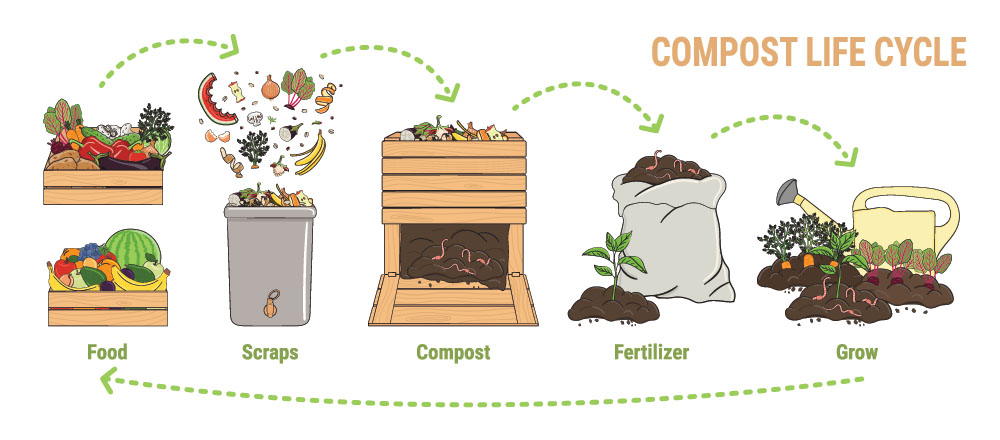
Composting cuts waste and feeds soil. It lowers trash, adds nutrients, and helps plants hold water. Learning how to make compost at home easily saves money and improves your yard or potted plants.
Compost also supports soil life. Worms, microbes, and fungi break stuff down. That process makes stable humus for healthy gardens.

What you need to start
You need simple things. No fancy gear is required to learn how to make compost at home easily.
- A container or pile. Use a bin, tumbler, or a corner of the yard.
- Browns. Dry leaves, shredded paper, and straw add carbon.
- Greens. Kitchen scraps, coffee grounds, and fresh grass add nitrogen.
- Water. Keep the mix as damp as a wrung-out sponge.
- A pitchfork or garden fork for turning. A shovel works too.
- A thermometer is optional. It helps you track heat.
Start small if you feel unsure. A 3-foot by 3-foot pile works well for steady results.
Step-by-step: how to make compost at home easily
Follow these clear steps. They are easy to repeat and fit most homes.
- Choose a spot or bin.
- Pick a semi-shaded area if you have a yard.
- Place a bin on bare soil if possible so critters and microbes can move in.
- Layer materials.
- Start with coarse browns on the bottom to aid airflow.
- Add a 2–4 inch layer of greens.
- Repeat layers until the bin is full.
- Moisture and mix.
- Water lightly to reach a damp-sponge feel.
- Turn or mix with a fork every 1–2 weeks to add air.
- Monitor heat.
- A hot pile (120–160°F) speeds breakdown. Turn more if it cools.
- A cool pile still works; it just takes longer.
- Wait and use.
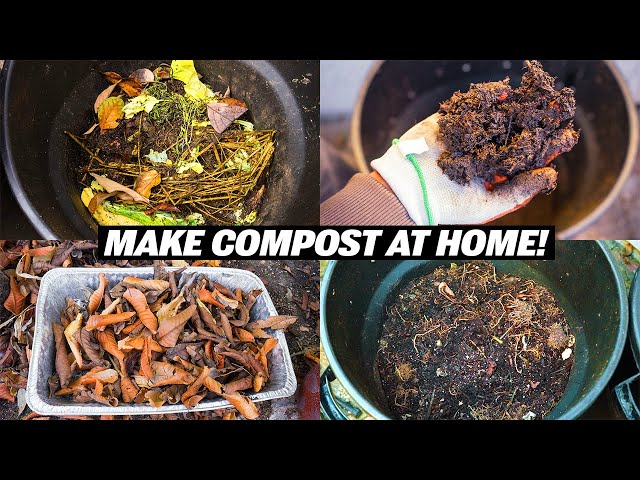
- Finished compost is dark, crumbly, and earthy-smelling.
- Harvest from the bottom or sieve the material and use it in pots or beds.
Repeat these steps and adjust the greens-to-browns balance as needed. This routine shows how to make compost at home easily and reliably.
Balancing materials and composting ratios
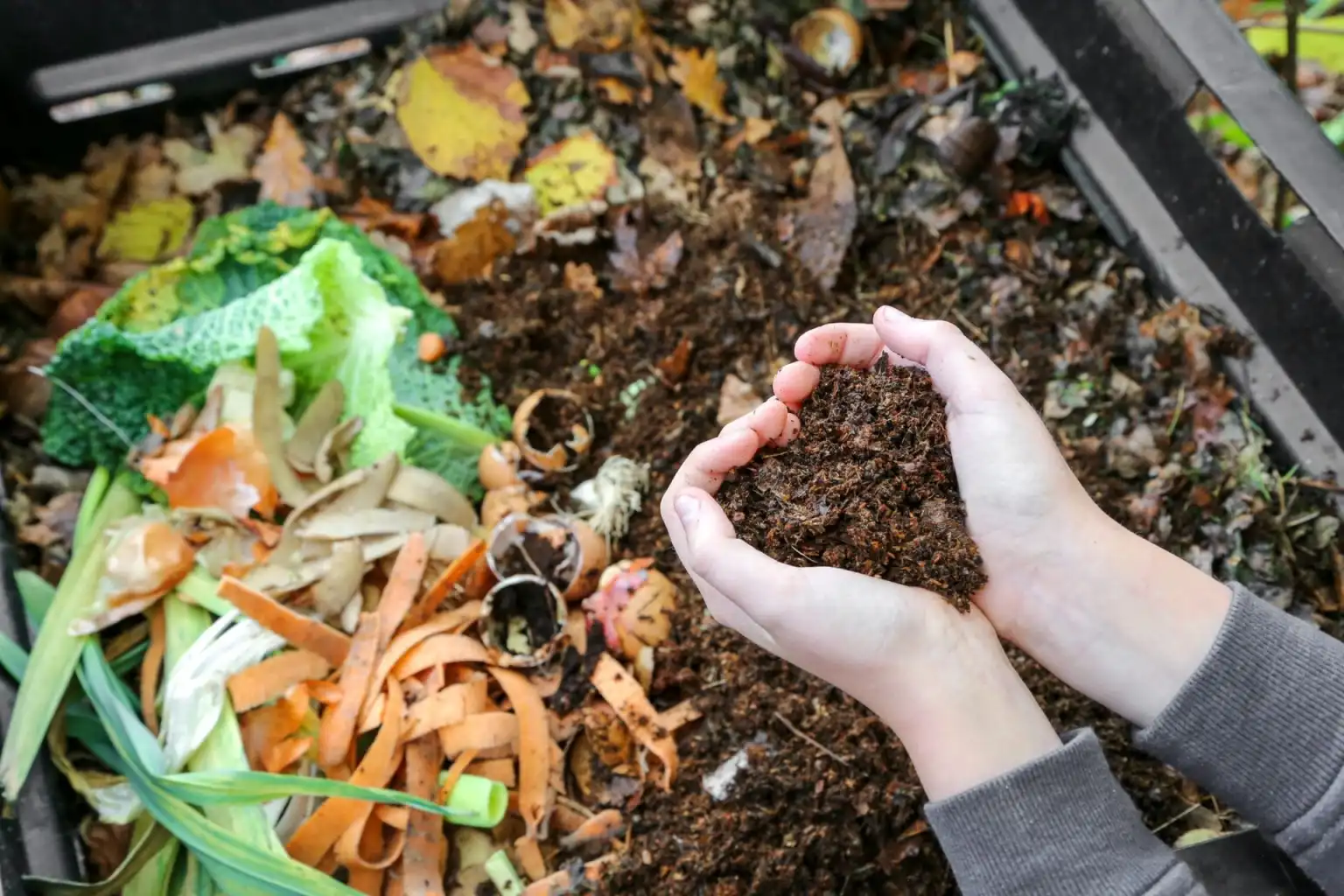
Good balance makes compost fast and low-odor. Aim for roughly 3 parts browns to 1 part greens by volume. That ratio helps microbes work without making the pile slimy.
Examples of browns and greens:
- Browns: dry leaves, shredded cardboard, paper, straw.
- Greens: fruit and veggie scraps, grass clippings, coffee grounds.
If the pile smells like ammonia, add more browns. If it is dry and slow, add greens and water. These small checks let you keep learning how to make compost at home easily.

Common problems and fixes
This section helps you fix things fast. These are problems I faced and solved.
- Smelly pile. Add dry browns, turn the pile, and check moisture. Too wet piles stink because they lack air.
- Slow breakdown. Chop scraps small, add nitrogen-rich greens, and turn more often. Heat needs both air and food.
- Pests. Avoid meat, dairy, and oily foods in the pile. Use a closed bin or bury food deeper.
- Too dry. Add water and greens, then cover the pile to keep moisture in.
- Pile too compact. Mix in coarse material like twigs or straw to restore airflow.
These fixes helped me stop stalled compost and speed up results when I learned how to make compost at home easily.

My experience and lessons learned
I started with a small bin on a balcony. I made common mistakes. I added too many citrus peels and large chunks. The pile slowed down and smelled sour.
What I changed:
- I cut scraps smaller. Smaller pieces cook faster.
- I kept a tarp handy. Covering kept rain from drowning the pile.
- I balanced greens and browns. That single change made the pile heat up.
A key tip I learned is to treat compost like a slow-cooking recipe. Check it often and tweak the mix. These real tips show how to make compost at home easily from trial and error.
How to use finished compost
Use it to feed plants and improve soil. It blends well into potting mix and garden beds. Sprinkle a layer around plants or mix a handful into each planting hole.
Benefits of using compost:
- Adds nutrients slowly to plants.
- Improves soil structure and water retention.
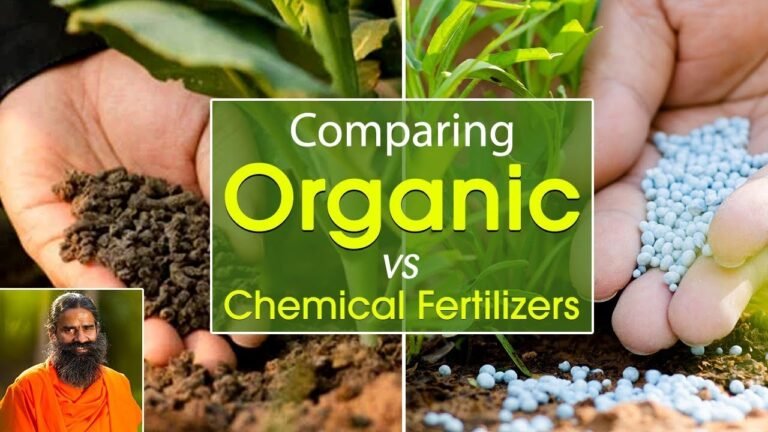
- Reduces the need for chemical fertilizers.
Apply compost in spring and fall for best results. This closes the loop on how to make compost at home easily and put it to work.
Frequently Asked Questions of how to make compost at home easily
What can I compost from the kitchen?
Most fruit and vegetable scraps, coffee grounds, and egg shells are good. Avoid meat, dairy, and oily foods to reduce pests and odors.
How long does composting take?
Composting can take 1 month to 1 year. Hot, well-tended piles finish faster. Cold piles take longer but still work.
Do I need a compost thermometer?
You do not need one, but it helps. A thermometer tells you if the pile is hot enough to break down materials quickly.
Can I compost in an apartment?
Yes. Use a small indoor worm bin or a sealed tumbler on a balcony. Worm composting is compact and low-odor.
How do I stop fruit flies?
Bury food scraps deeper in the pile and cover fresh greens with a layer of browns. Keep a tight lid on your bin to reduce flies.
Is compost safe for edible gardens?
Yes, finished compost is safe and rich for edible plants. Make sure compost is fully broken down and free of large, recognizable food bits before use.
Conclusion
You can turn kitchen scraps and yard waste into rich, useful compost. Start with a simple bin, balance greens and browns, keep the pile moist, and turn it often. My hands-on tips and fixes will help you speed up success and avoid common errors.
Take action today: pick a bin or spot, save your scraps, and try a basic batch. Share your progress or questions below and subscribe for more easy gardening guides.